
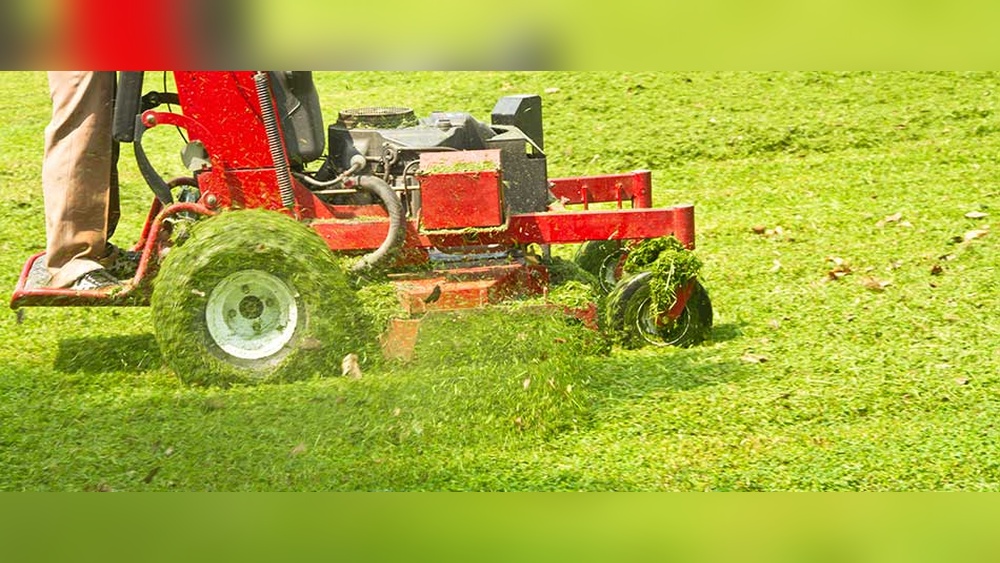
Cutting grass seems simple, but weather can make it tricky. Many people ask if lawn mowers can cut wet grass. Maybe it just rained, or morning dew hasn’t dried yet. You want your yard to look neat, but you also worry about damaging your mower or harming the lawn.
The answer is not as straightforward as you might think. Wet grass brings extra challenges and risks that often surprise even experienced homeowners.
Knowing when and how to mow wet grass can help you avoid problems. This guide explains what happens when you mow wet grass, what kind of mowers handle it better, and gives practical advice for safe mowing. You’ll learn about mower safety, lawn health, and the best ways to keep your grass looking great—even after rain.
Why People Want To Mow Wet Grass
You wake up on a Saturday, the only free day to mow your lawn. But it rained the night before. The grass is wet, but you still think about mowing. Why?
- Busy schedules mean some people can only mow on certain days.
- Rainy climates make it hard to find dry days.
- Tall grass is harder to cut, so waiting can make the job worse.
But mowing wet grass is very different from mowing dry grass. It is important to understand what can go wrong and how to do it safely.
What Happens When You Mow Wet Grass
Wet grass looks harmless, but it changes how your mower works and how your lawn grows.
Clumping And Uneven Cuts
When grass is wet, blades stick together. Your mower has trouble cutting evenly. Instead of a clean cut, you’ll see clumps and patches of uncut grass. These clumps can smother the grass below, causing brown spots.
Mower Performance
Wet grass is heavy. It can clog mower decks, slowing the blade. This makes the mower work harder. If you push it, you risk burning out the motor or breaking parts.
Safety Hazards
Wet lawns are slippery. It’s easy to lose your footing, especially on slopes. Mowers can slide, which is dangerous for you and your equipment.
Lawn Health
Wet cuts are not as clean. This can damage the grass blade, making it easier for diseases to enter. Plus, compacted wet soil can suffocate roots.
Non-obvious insight: Even if your mower “can” cut wet grass, the quality of the cut is always lower, and the risk of fungal disease is much higher.
Types Of Lawn Mowers: Which Work Best On Wet Grass?
There are several types of mowers. Some handle wet grass better than others. Here’s a comparison.
| Mower Type | Works on Wet Grass? | Risks/Limitations |
|---|---|---|
| Gas Push Mower | Sometimes | Clogs easily, risk of slipping |
| Electric Push Mower | Rarely | Electric shock risk, clogs, battery drains faster |
| Riding Mower | Sometimes | Heavier, compacts wet soil, can slip |
| Reel Mower | Rarely | Struggles to cut, blades gum up |
- Gas push mowers are the most forgiving, but even they have problems with wet grass.
- Electric mowers should be avoided on wet lawns because water and electricity are a bad mix.
- Riding mowers can handle larger yards but may damage the lawn more.
- Reel mowers are almost impossible to use in wet grass.
Non-obvious insight: Even if a mower “can” cut wet grass, parts wear out much faster when used this way.
Dangers Of Mowing Wet Grass
Cutting wet grass is more dangerous than most people realize. Let’s look at the main risks.
Slipping And Falling
Wet grass is slippery. If you lose your balance, you could fall into the mower or hurt yourself on rocks and debris hidden by the grass.
Damaging The Mower
Wet clippings stick under the deck, clogging the blade. This can overwork the motor, leading to breakdowns. Wet grass is also heavier, which strains the engine, especially on electric and battery mowers.
Electrical Shock
If you use a corded electric mower, water can get inside and cause a short circuit or shock. Even battery-powered mowers are not immune—water can damage batteries and wiring.
Lawn Disease
Mowing wet grass tears the blades instead of cutting cleanly. This leaves wounds where fungi and bacteria can enter. Diseases like dollar spot and brown patch spread faster in wet conditions.
Soil Compaction
Walking or driving heavy equipment on wet soil presses the ground down. Compacted soil stops air from reaching roots, which weakens your lawn over time.

Credit: www.lawnmowingbusiness.co.uk
How Wet Is Too Wet? Recognizing Unsafe Conditions
Not all “wet” is the same. Sometimes you can mow safely after a light rain or morning dew. Other times, it’s best to wait.
Simple Test For Wetness
Walk across your lawn. If you leave deep footprints and water rises around your shoes, it’s too wet to mow. If your shoes get damp but don’t sink, you might be able to mow carefully.
Dew Vs. Rain
- Morning dew dries quickly. You can usually mow after the sun dries the grass.
- Heavy rain saturates soil. Wait until the ground is firm and not muddy.
Grass Height
If the grass is so tall it folds over, it will be harder to mow wet. In this case, wait until it dries out, or mow in stages after it dries.
Benefits And Drawbacks Of Mowing Wet Grass
Let’s look at both sides.
Possible Benefits
- Save time: You don’t have to wait for a dry day.
- Prevents overgrowth: Grass doesn’t get out of control.
Main Drawbacks
- Poor cut quality
- Lawn damage and disease risk
- Mower problems (clogging, breakdowns)
- Safety risks
In most cases, the drawbacks outweigh the benefits, unless you have no other choice.
Tips For Mowing Wet Grass Safely
Sometimes, mowing wet grass is unavoidable. If you must do it, here’s how to reduce risks.
- Sharpen mower blades before mowing. Sharp blades cut cleaner, even when wet.
- Raise the cutting height so you only remove the top third of the grass.
- Go slow. Wet grass puts more strain on the mower. Moving slowly helps prevent clogs.
- Clean the deck often. Stop and remove clumps before they build up.
- Wear slip-resistant shoes for better grip.
- Mow in small sections and empty the bag frequently.
- Cut only when necessary—if you can wait, do so.
Extra tip: If you mow wet grass, wash your mower after to prevent rust and bacteria buildup.
How Wet Grass Affects Different Grass Types
Not all lawns react the same way to mowing when wet. Some grass types handle stress better.
| Grass Type | Wet Mowing Tolerance | Notes |
|---|---|---|
| Kentucky Bluegrass | Low | Prone to disease, avoid mowing wet |
| Bermuda Grass | Medium | Recovers quickly, but can mat down |
| Fescue | Low | Clumps easily, risk of fungus |
| Zoysia | High | Dense, handles moisture better |
| Ryegrass | Low | Soft blades, tears easily when wet |
Some warm-season grasses, like Zoysia, tolerate wet mowing better. Cool-season grasses are usually more sensitive.
How To Prepare Your Mower For Wet Grass
If you must mow wet grass, preparation is key.
- Sharpen the blade. Dull blades tear, especially in wet grass.
- Clean the underside before starting. Old clippings make clogging worse.
- Check the bag or chute. Make sure it’s clear and working.
- Use a side discharge instead of mulching or bagging if your mower allows.
- Check for safety features. Make sure all guards are in place.
Pro tip: Spray a light coat of silicone or cooking oil under the deck to help prevent wet clippings from sticking.
Step-by-step: Mowing Wet Grass
If you decide to mow, follow these steps for best results.
- Inspect your lawn for hazards like sticks, rocks, or toys. Wet grass hides these well.
- Set your mower to the highest setting to avoid cutting too much at once.
- Mow slowly, especially on slopes.
- Empty the bag often or clear the discharge area.
- Listen for engine strain. If the mower slows or stalls, stop and clear clogs.
- Change directions with each pass to avoid ruts in the lawn.
- After mowing, wash the mower and dry all parts.

Credit: egopowerplus.co.uk
Common Mistakes To Avoid
Many people make the same errors when mowing wet grass. Avoid these to protect your yard and mower.
- Cutting too much at once: Removing more than one-third of the grass height stresses the plant.
- Ignoring mower maintenance: Wet clippings left under the deck cause rust.
- Using electric mowers in wet conditions: This is unsafe.
- Rushing: Trying to finish quickly leads to clogged decks and uneven cuts.
- Not cleaning up clumps: Clumps can kill patches of grass by blocking sunlight and air.
How Mowing Wet Grass Affects Lawn Health
Lawn health suffers in several ways when you mow wet grass.
Disease Spread
Fungal diseases love moisture. Mowing creates open wounds on grass blades, and wet conditions make it easier for spores to enter. Dollar spot, brown patch, and leaf spot are common problems after mowing wet lawns.
Soil Compaction And Root Damage
Heavy mowers and foot traffic press down wet soil, making it dense. This reduces oxygen and water flow to roots. Over time, your lawn becomes thin and weak.
Uneven Growth
Wet grass bends over, so some blades escape the cut. This leads to uneven height and a patchy look. It also encourages weeds to grow in thin spots.
When Is It Safe To Mow After Rain?
Timing is critical. Here’s how long you should wait:
- Light rain or dew: Wait 2–4 hours, until the grass feels dry to the touch.
- Heavy rain: Wait at least 24 hours, longer if soil is still soft or water pools in places.
- Clay soils: Hold water longer; you may need to wait 48 hours.
Touch the grass and the soil. If neither feels soggy, it’s usually safe to mow.
How To Dry Grass Faster
If you need to mow sooner, here are ways to speed up drying:
- Rake or sweep off dew in the morning.
- Increase air flow by trimming overhanging branches.
- Mow in the afternoon when the sun is highest.
- Use a leaf blower to move water off the blades.
Alternatives To Mowing Wet Grass
If you can’t wait, try these options:
- Trim by hand with grass shears in small areas.
- Cut only the driest, sunniest parts of your lawn.
- Let the grass grow and cut in two stages when it dries.
How Wet Grass Affects Mower Maintenance And Lifespan
Wet mowing takes a toll on your mower.
Increased Maintenance
- Clean after every mow to remove wet clippings.
- Dry all parts to prevent rust.
- Sharpen the blade more often.
Shorter Lifespan
Engines work harder and parts wear out faster. Electric systems can fail if moisture gets inside. Regular wet mowing can cut your mower’s life by years.
Is It Ever A Good Idea To Mow Wet Grass?
In most cases, it’s best to wait until grass is dry. But if you have no choice, mow carefully and follow all safety tips. Sometimes, the risk of letting grass get too long (which can lead to other problems like pest infestations) outweighs the risk of mowing wet.
Professional Lawn Care: What Do The Experts Do?
Most professional landscapers avoid mowing wet grass. If they must, they use commercial mowers built for heavy use and follow strict cleaning routines. They often charge more for wet mowing because it’s harder on equipment and takes longer.
Non-obvious insight: Many landscape companies have clauses in their contracts saying they can skip mowing if the lawn is too wet.

Credit: onevantool.com
Environmental Impact Of Mowing Wet Grass
Mowing wet grass can harm the environment in subtle ways.
- Increased fuel use: Mowers work harder, burning more gas.
- Soil erosion: Compacted soil can wash away faster in heavy rain.
- More chemical use: Damaged lawns may need extra fertilizers or fungicides to recover.
Comparing Dry Vs. Wet Grass Mowing
Here’s a side-by-side look at mowing dry vs. wet grass.
| Feature | Dry Grass | Wet Grass |
|---|---|---|
| Cut Quality | Clean, even | Clumpy, uneven |
| Safety | Low risk | High risk (slipping, shock) |
| Lawn Health | Minimal stress | Higher disease risk |
| Mower Strain | Normal | High |
| Soil Impact | Little | Compacts soil |
Extra Tips For A Healthy Lawn
- Mow often, but only when dry. Regular mowing keeps grass strong.
- Leave clippings on the lawn when dry for nutrients, but remove clumps if wet.
- Aerate your lawn once a year to fix compaction.
- Fertilize in spring and fall. Healthy grass recovers faster from stress.
When You Should Absolutely Not Mow Wet Grass
There are times when mowing wet grass is never safe:
- During thunderstorms (lightning risk)
- When water stands on the lawn
- If your mower is electric
- On steep slopes
- If the soil is muddy and soft
If you notice any of these, wait for better conditions.
Best Practices For Lawn Mowing In Wet Climates
If you live somewhere with frequent rain, like the Pacific Northwest, you need a strategy:
- Check the forecast. Try to mow just before rain.
- Mow more often. Short grass dries faster.
- Invest in a powerful mower with high lift blades.
- Keep a spare blade so you can always use a sharp one.
Resources For Further Reading
If you want more in-depth research, check out Turf Magazine’s guide on mowing wet grass.
Mowing wet grass is never ideal, but sometimes it’s unavoidable. With the right knowledge and preparation, you can reduce the risks to your lawn and equipment. Remember, a healthy lawn is more than just looks—it’s about long-term care.
Frequently Asked Questions
Is It Bad For The Lawn Mower To Cut Wet Grass?
Yes, it can be. Wet grass clogs the mower, strains the engine, and can cause rust. Over time, this leads to more repairs and a shorter mower lifespan.
Can Electric Lawn Mowers Cut Wet Grass?
It’s not safe to use electric mowers on wet grass. Water and electricity don’t mix. There’s a risk of electric shock and permanent damage to the mower.
Does Mowing Wet Grass Cause Fungus?
Yes, mowing when wet makes it easier for fungus and diseases to infect your lawn. Wet, torn blades are vulnerable to problems like brown patch and dollar spot.
How Soon After Rain Can I Mow The Lawn?
Wait until the grass blades and soil feel dry. Usually, this is a few hours after light rain or 24–48 hours after heavy rain, depending on your soil type.
What Is The Best Way To Mow Wet Grass If I Have No Choice?
Use a sharp blade, mow slowly, cut only the top third, and clean your mower often during the job. Wear slip-resistant shoes and be extra careful on slopes.
With these tips and clear information, you can make the best choice for your lawn, your safety, and your mower, even when rain tries to get in the way.