
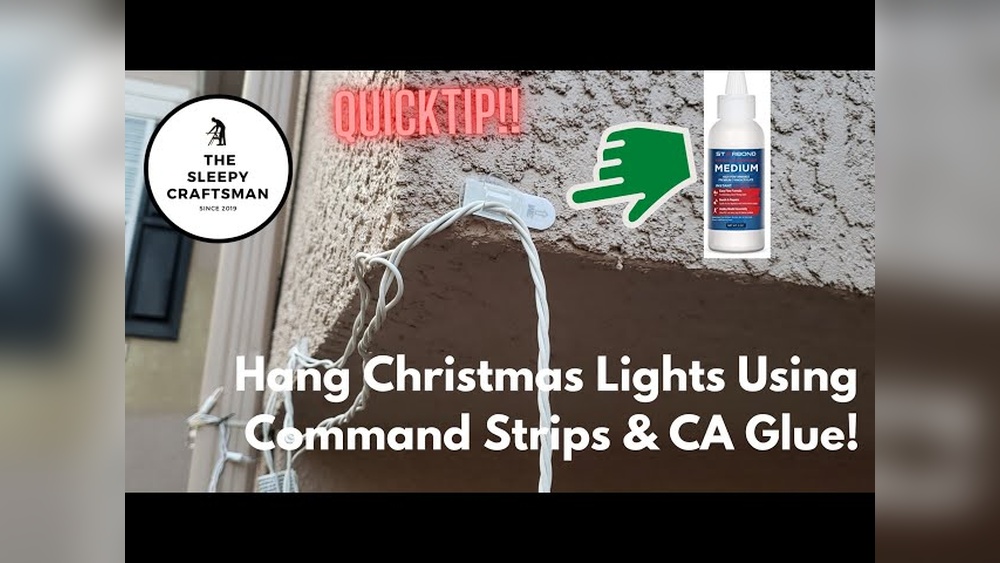
Mounting Christmas lights on stucco can turn any home into a glowing winter wonderland. But if you’ve ever worked with stucco, you know it’s not as simple as nailing up clips or sticking on hooks. Stucco is tough, textured, and can chip or crack if you use the wrong method.
Still, with the right tools and techniques, you can hang your lights securely without damaging your walls. This guide will show you step-by-step how to mount Christmas lights on stucco, what tools to use, and how to avoid common mistakes.
Whether you’re decorating your home’s exterior or adding sparkle to a stucco fireplace, you’ll find everything you need here.
Understanding Stucco: Why Special Care Is Needed
Stucco is a cement-based plaster applied over walls and surfaces. It’s popular for its strength, insulation, and unique look. But stucco is also brittle—if you hammer or drill into it carelessly, you might create cracks or holes that are hard to fix. Unlike wood, which can handle small nails or staples, stucco demands a gentler approach.
Here’s why mounting lights on stucco is different:
- Textured surface: The rough finish makes adhesive hooks less reliable.
- Hard material: Standard nails or tacks often break or chip the surface.
- Moisture sensitivity: Holes can let water in, causing long-term damage.
So, the goal is to hang your lights securely while keeping your stucco intact and waterproof.
Tools And Materials You’ll Need
Preparation is key. Here are the tools and materials you’ll need to mount Christmas lights safely on stucco:
- Outdoor-rated Christmas lights (LED is best for energy savings)
- Gutter clips or shingle clips (for rooflines)
- Adhesive hooks (heavy-duty, weatherproof)
- Hot glue gun (with outdoor-rated glue sticks)
- Masonry drill bit (if drilling is necessary)
- Plastic wall anchors and screws (for semi-permanent installations)
- Painter’s tape or masking tape (for temporary layouts)
- Extension cords (outdoor-rated)
- Outdoor timer or smart plug (optional, for automation)
- Ladder (sturdy, sized for your home’s height)
- Gloves and safety goggles
Not every method uses all these items. Choose based on your preferred mounting technique and the type of stucco you have.
Choosing The Best Mounting Method
There’s no single “best” way to hang Christmas lights on stucco—your method depends on your home’s design, how long you want the lights to stay up, and whether you want to avoid drilling. Here’s a breakdown of the most popular options.
| Method | Best For | Advantages | Downsides |
|---|---|---|---|
| Adhesive Hooks | Short-term installs, smooth stucco | No damage, easy to remove | May fail on rough surfaces or in wet weather |
| Hot Glue | Rough/textured stucco, quick setup | Holds well, minimal residue | Not suitable for hot climates, temporary only |
| Drilling with Anchors | Heavy lights, long-term use | Very secure, holds heavy decorations | Permanent holes, risk of cracks |
| Gutter/Shingle Clips | Mounting to trim, roof edges | No wall contact, reusable | Won’t work on flat walls |
Pro tip: Mix methods. For example, use clips for rooflines and adhesive hooks for vertical walls.
Step-by-step: Hanging Lights With Adhesive Hooks
If you want to avoid drilling, adhesive hooks are a good solution for light displays. Here’s how to use them on stucco:
1. Clean The Surface
Stucco collects dust and debris. Clean the area where you’ll place each hook with a soft brush and mild detergent. Let it dry fully. Adhesive needs a clean, dry base to stick well.
2. Choose The Right Hooks
Pick weatherproof, heavy-duty adhesive hooks. Indoor varieties won’t hold up in rain or snow. Look for hooks rated for outdoor use and for the weight of your light strand.
3. Plan Your Layout
Use painter’s tape to mark where each hook will go. Space hooks about 12-18 inches apart for most strands. For heavier bulbs, place hooks closer.
4. Attach The Hooks
Follow the instructions—most require you to press firmly for 30 seconds. Wait at least an hour before hanging your lights (overnight is best for maximum grip).
5. Hang The Lights
Gently drape your lights onto the hooks. Don’t tug or pull. If possible, test with a short section first before mounting the whole strand.
Non-obvious insight: In very cold weather, adhesives may not bond well. Try warming the hooks and stucco area with a hairdryer (not too hot) before application.
Step-by-step: Using Hot Glue For Temporary Mounting
Hot glue is surprisingly effective on stucco, especially for rough or uneven surfaces. It’s a favorite for pro decorators doing short-term displays.
1. Use The Right Glue
Buy outdoor-rated hot glue sticks. Indoor glue can soften or crack in weather changes.
2. Test A Small Area
Not all stucco is the same. Before gluing, test a small, hidden patch. Wait 24 hours to make sure glue peels off without damage.
3. Apply Glue To The Light Strand
Don’t put glue directly on the stucco—apply a small dot to the plastic wire of your light strand (never the bulb). Quickly press the strand to the wall and hold for 10 seconds.
4. Work In Sections
Glue small sections at a time. If you try to glue a long stretch, the glue will cool before you finish.
5. Removal
After the holidays, gently peel the lights away. Most glue will pop off cleanly, but use a plastic scraper for any leftover spots.
Pro tip: Hot glue works best in dry, cool weather. Avoid using during rain or on wet stucco.
Step-by-step: Drilling And Anchoring For Permanent Mounts
If you plan to hang heavy lights or want a display that lasts all winter, drilling with anchors is the most secure method. But it’s also the most permanent, so plan carefully.
1. Mark Your Mounting Points
Lay out where each hook or screw will go. Use a pencil or removable marker. Space them evenly for a straight, neat look.
2. Select The Right Drill Bit
A masonry drill bit (not a wood or metal bit) is needed for stucco. The size should match your wall anchors.
3. Drill Slowly
Drill at low speed to avoid cracking the stucco. Hold the drill steady and don’t force it. Drill just deep enough for your anchor (usually 1 inch).
4. Insert Plastic Anchors
Push a plastic anchor into each hole. Tap gently with a hammer if needed.
5. Screw In Hooks
Use stainless steel or coated hooks (to prevent rust). Screw them into the anchors until tight.
6. Hang Your Lights
Drape your lights and secure with zip ties if needed. For added safety, use only outdoor-rated extension cords and check all connections.
Non-obvious insight: When you remove screws, fill holes with outdoor caulk to prevent moisture from entering and damaging your stucco.

Credit: americanlandscapesllc.com
Using Gutter Or Shingle Clips: No Stucco Contact
Sometimes the best way to hang lights on a stucco house is to avoid the stucco altogether. Gutter clips and shingle clips attach to your roofline or gutters, holding lights securely without touching the wall.
- Gutter clips snap onto the gutter’s edge. Slide the light strand into the built-in groove.
- Shingle clips tuck under the edge of roof shingles.
These are great for roof outlines but won’t help on vertical walls. They’re reusable and leave no marks.
Example: Most big-box stores sell 50-packs of gutter clips for $5–10. They work with both mini lights and larger C9 bulbs.
Safety Tips For Mounting Christmas Lights On Stucco
Stucco is hard, but you still need to put safety first. Here’s how to avoid accidents and damage:
- Inspect your ladder before climbing. Place it on level ground.
- Don’t overload outlets—use no more than three light strings per extension cord.
- Check all lights for damage before hanging.
- Use gloves to protect your hands from rough stucco edges.
- Wear eye protection when drilling.
- Work with a partner if possible, especially for high areas.
- Never install lights in wet conditions—wait for dry weather.

Credit: americanlandscapesllc.com
Planning Your Design: Layout Tips And Tricks
A little planning makes a big difference in how your display looks. Here’s how to get a pro-quality finish:
Sketch Your Plan
Draw your house’s outline and mark where you want lights. Count the number of feet you’ll need for each section.
Measure Twice
Stucco walls can be uneven, so measure the actual mounting path, not just the straight line. Add 10% to your total for corners and turns.
Choose Your Pattern
- Outline the roofline for a classic look.
- Frame windows and doors for added detail.
- Wrap columns or posts with mini lights.
- Highlight architectural features like arches or stucco trim.
Decide On Bulb Type
- LEDs: Brighter, longer-lasting, energy-saving.
- Incandescent: Warm glow, but use more power and run hotter.
Data point: LED Christmas lights use up to 80% less energy than incandescents, according to the U.S. Department of Energy.
Use Timers
An outdoor smart plug or timer can turn your lights on and off automatically, saving energy and hassle.
Common Mistakes To Avoid
Many homeowners damage their stucco or waste time because of avoidable errors. Here’s what to watch out for:
- Skipping cleaning: Dirt and dust stop adhesives from sticking.
- Using indoor hooks outdoors: They fail in rain or cold.
- Drilling too deep: Can puncture the wall barrier and let water in.
- Hanging heavy lights on adhesives: Only use adhesives for lightweight strands.
- Ignoring weather forecasts: Wet stucco and adhesives don’t mix.
- Leaving holes unsealed: Always fill drilled holes after removal.
Experience-based tip: Always buy a few extra hooks or clips. It’s common to break or lose some during installation.
How Weather And Climate Affect Your Mounting Method
Your local climate can make a big difference in which method works best.
- Rainy/humid areas: Adhesive hooks are less reliable. Choose drilling or clips.
- Hot climates: Hot glue may soften and fail. Use mechanical fasteners.
- Cold/snowy climates: Warm adhesives before applying for better stick.
Example: In Phoenix, AZ, heat can soften glue and adhesives, causing lights to fall. In Seattle, rain can loosen stickers, so clips and anchors are safer.
Repairing Stucco After The Holidays
If you drilled or accidentally chipped your stucco, don’t wait to fix it. Moisture entering cracks can cause bigger problems later.
How To Patch Stucco
- Clean the area: Brush away dust and loose pieces.
- Fill small holes: Use acrylic caulk or stucco patch.
- For bigger chips: Mix stucco patch compound and apply with a putty knife. Match the texture as closely as possible.
- Paint if needed: Use exterior-grade paint to seal the repair.
Pro tip: Repair on a dry day and let the patch cure for 24–48 hours before exposure to rain.
Comparing Mounting Methods: Durability And Ease
It helps to see how each method stacks up for durability, ease of use, and removal.
| Mounting Method | Durability (1-5) | Ease of Use (1-5) | Removal (1-5) |
|---|---|---|---|
| Adhesive Hooks | 3 | 5 | 5 |
| Hot Glue | 4 | 4 | 4 |
| Drilling/Anchors | 5 | 2 | 2 |
| Clips (Gutter/Shingle) | 4 | 5 | 5 |
Key takeaway: For most people, a mix of clips and adhesive hooks gives the best balance of security and easy removal.
Eco-friendly Options And Energy Saving
Holiday lights are fun, but they can use a lot of energy if you’re not careful. Here’s how to go green:
- Choose LED lights: Last up to 25,000 hours and use 80% less energy.
- Put lights on a timer: Only run them during peak hours.
- Use solar-powered lights: Great for areas with winter sun.
- Recycle old strands: Many hardware stores have recycling programs.
According to the U. S. Department of Energy, replacing old holiday lights with LEDs can save you up to $10 per season in energy costs for a typical home.
Troubleshooting: What To Do If Lights Fall Or Don’t Stay Up
Even the best mounting plan can run into trouble. Here’s how to fix common issues:
If Adhesive Hooks Fall Off
- Clean the stucco again and let it dry fully.
- Warm the adhesive before applying.
- Try a different brand or switch to mechanical fasteners.
If Hot Glue Fails
- Reapply glue to a clean, dry surface.
- Use more glue for rough textures.
- In hot weather, use clips or anchors instead.
If Screws Loosen
- Use longer anchors or move to a stronger part of the wall.
- Fill old holes with caulk before drilling new ones.
Lights Keep Sagging
- Add more hooks or clips closer together.
- Use zip ties for extra support.
Cost Comparison: What To Expect
Mounting Christmas lights on stucco isn’t expensive, but costs can add up depending on your method.
| Item | Estimated Cost | Lifespan |
|---|---|---|
| Adhesive Hooks (50-pack) | $10–$18 | Single season |
| Hot Glue Gun + Sticks | $15–$30 | Multiple seasons |
| Masonry Drill Bit & Anchors | $10–$20 | Multiple seasons |
| Gutter/Shingle Clips (50-pack) | $5–$12 | Reusable |
Tip: Spending a little more on quality mounting hardware can save you time and prevent stucco damage.
Example: Real-world Mounting Scenario
Let’s walk through a real-life example. Suppose you have a 40-foot stucco front wall and want to outline it with Christmas lights.
- Clean the wall with mild soap and water.
- Mark hook spots every 18 inches with painter’s tape.
- Apply outdoor adhesive hooks (about 27 hooks for 40 feet).
- Wait overnight for adhesive to cure.
- Drape LED light strand onto hooks, checking the fit as you go.
- Plug into an outdoor-rated extension cord and set up a timer.
If a hook fails, replace it or add a backup with hot glue. After the season, remove hooks carefully and clean any residue.
Beginner mistake to avoid: Don’t overload a single circuit with too many light strands. Check your lights’ amperage and follow manufacturer guidelines.
Getting Creative: Decorating Ideas For Stucco Homes
Stucco homes have unique shapes and textures—use this to your advantage.
- Frame arched doorways with mini lights for a Mediterranean look.
- Add icicle lights along rooflines for a wintery effect.
- Use color-changing LEDs for a modern twist.
- Wrap columns or porch posts for extra sparkle.
- Highlight wall textures by placing lights a few inches away to create dramatic shadows.
Remember, less can be more. A few well-placed lights often look better than overloading every surface.

Credit: www.youtube.com
Storing Your Lights For Next Year
Good storage means your lights and mounting gear last longer.
- Remove lights gently—don’t yank on the wires.
- Coil strands loosely to prevent tangling.
- Label storage bins by location (“front wall,” “roofline”).
- Store hooks and clips separately for easy reuse.
- Keep everything in a dry, cool place to prevent rust and wire damage.
Pro tip: Use empty paper towel rolls to wrap light strands—this keeps them organized and tangle-free.
When To Call A Professional
If your home is very tall, has complex architecture, or you’re not comfortable on ladders, consider hiring a professional Christmas light installer. They have the right equipment and insurance for tricky jobs. Expect to pay $200–$600 for a typical home, depending on design complexity.
A professional can also advise on custom mounting solutions for unusual stucco features.
External Resource For More Ideas
For more detailed guides and holiday decorating inspiration, check out the Family Handyman’s guide to hanging Christmas lights.
Frequently Asked Questions
How Do I Remove Adhesive Hooks From Stucco Without Damage?
To remove adhesive hooks, pull gently and slowly straight down, not outwards. If the hook resists, use a hairdryer to warm the adhesive. This softens it and reduces the risk of pulling off stucco paint or texture. If any residue remains, clean with warm soapy water and a soft cloth.
Can I Use Regular Glue Or Tape To Hang Christmas Lights On Stucco?
Regular glue or tape will not hold up outdoors on stucco. Weather changes, moisture, and the wall’s texture make these options unreliable. Always use products labeled for outdoor use and designed for rough surfaces.
What Type Of Christmas Lights Are Best For Stucco Walls?
LED Christmas lights are best for stucco because they produce less heat, use less energy, and are lighter than older incandescent bulbs. Choose outdoor-rated strands with tough wiring. For heavy decorations, use mounting methods with higher weight support, like drilled anchors.
Will Drilling Into Stucco Cause Long-term Damage?
Drilling into stucco is safe if done carefully. Use a masonry drill bit and plastic anchors to prevent cracking. Always seal holes after removal with exterior caulk to keep water out. Avoid drilling near edges or in wet conditions.
How Do I Hang Lights On Stucco Without Leaving Any Marks?
The best way to hang lights with no marks is to use gutter clips or shingle clips that attach to your roof or trim, not the stucco itself. For short-term displays, outdoor-rated adhesive hooks can work if applied and removed correctly.
Mounting Christmas lights on stucco isn’t as hard as it seems—if you plan ahead and use the right tools. Take your time, be gentle with your walls, and enjoy a beautiful, festive home this season. With these tips, you’ll avoid damage, stay safe, and get a display that shines all winter long.