
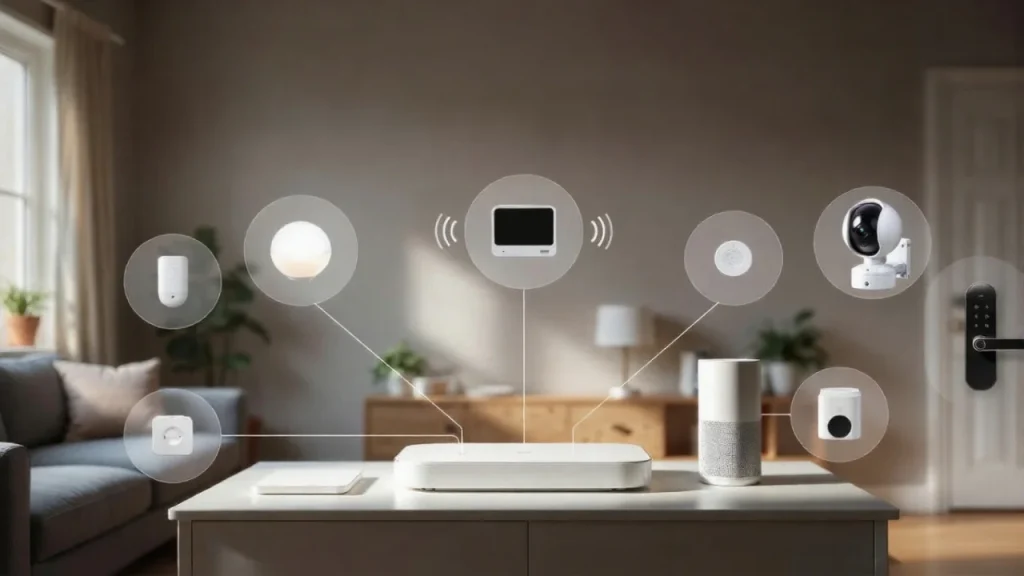
Imagine controlling your lights, thermostat, security cameras, and even your music with just one device. Sounds simple, right?
That’s exactly what a smart home hub does—it brings all your smart gadgets together and makes them work as one. If you’ve ever felt overwhelmed by juggling different apps and remotes, a smart home hub can change everything. Curious to know how it works and why it might be the missing piece in your home?
Keep reading, because understanding this one device could make your daily life easier and more connected than ever before.
Credit: homey.app
Smart Home Hub Basics
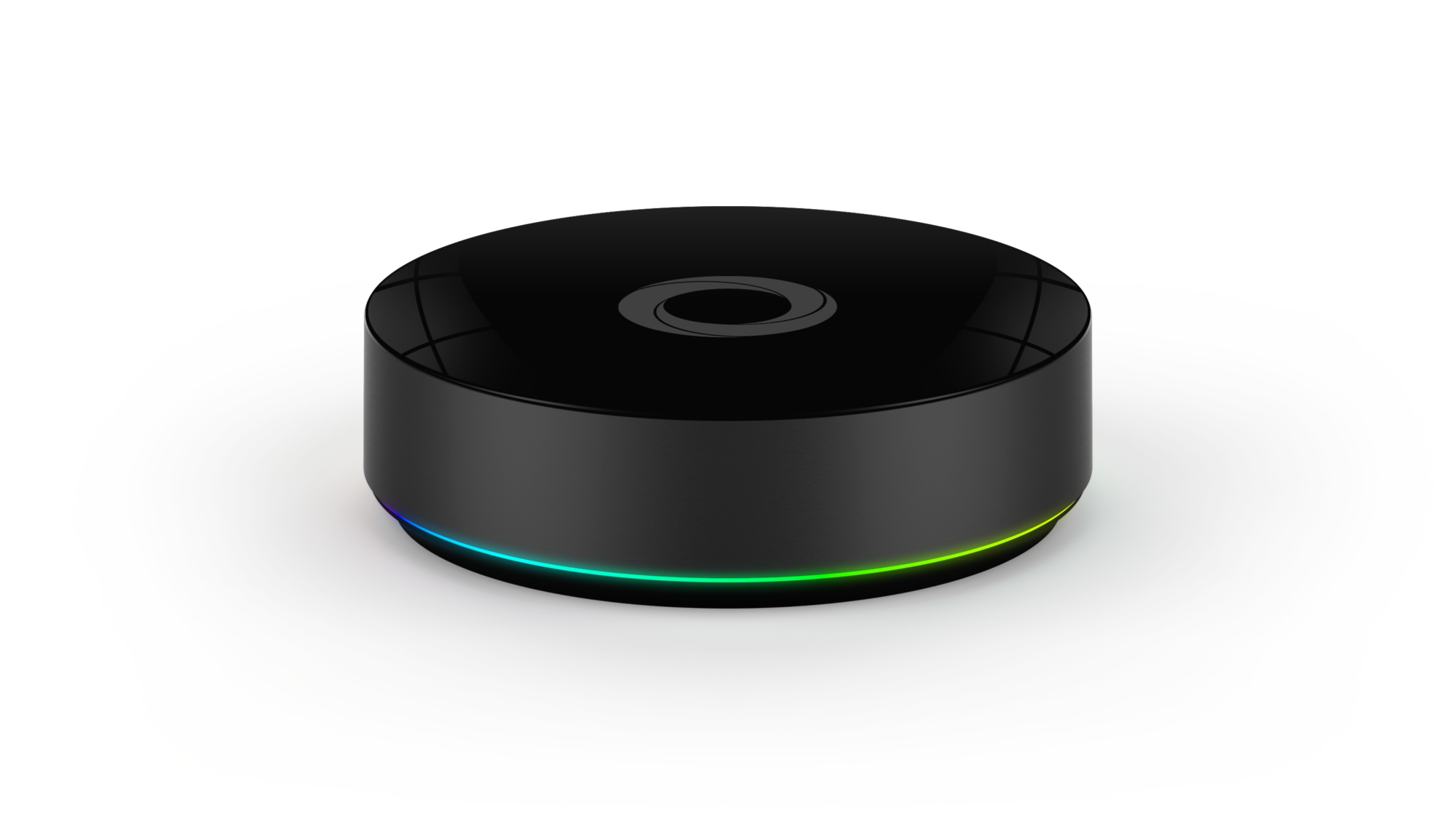
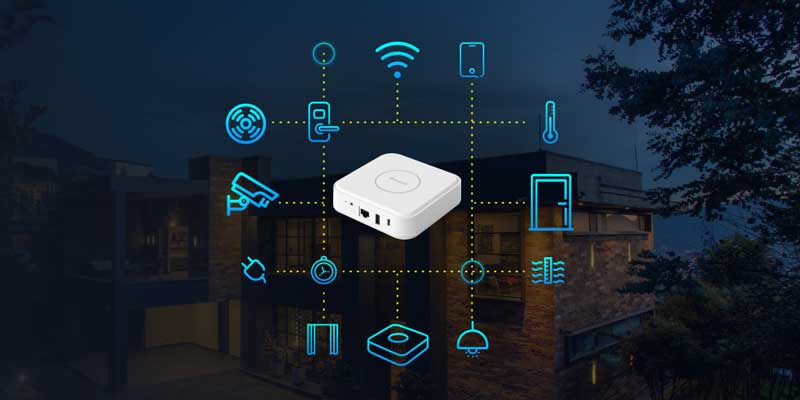
A smart home hub is the central device that connects all your smart gadgets. It helps these devices talk to each other and work as one system. This makes managing your home easier and more efficient. Understanding the basics of a smart home hub helps you choose the right one for your needs.
Core Functions
A smart home hub controls and manages different devices in your home. It allows you to turn lights on or off, adjust the thermostat, and even lock doors. It also automates tasks, like turning off all lights when you leave. The hub acts as the brain of your smart home.
Types Of Hubs
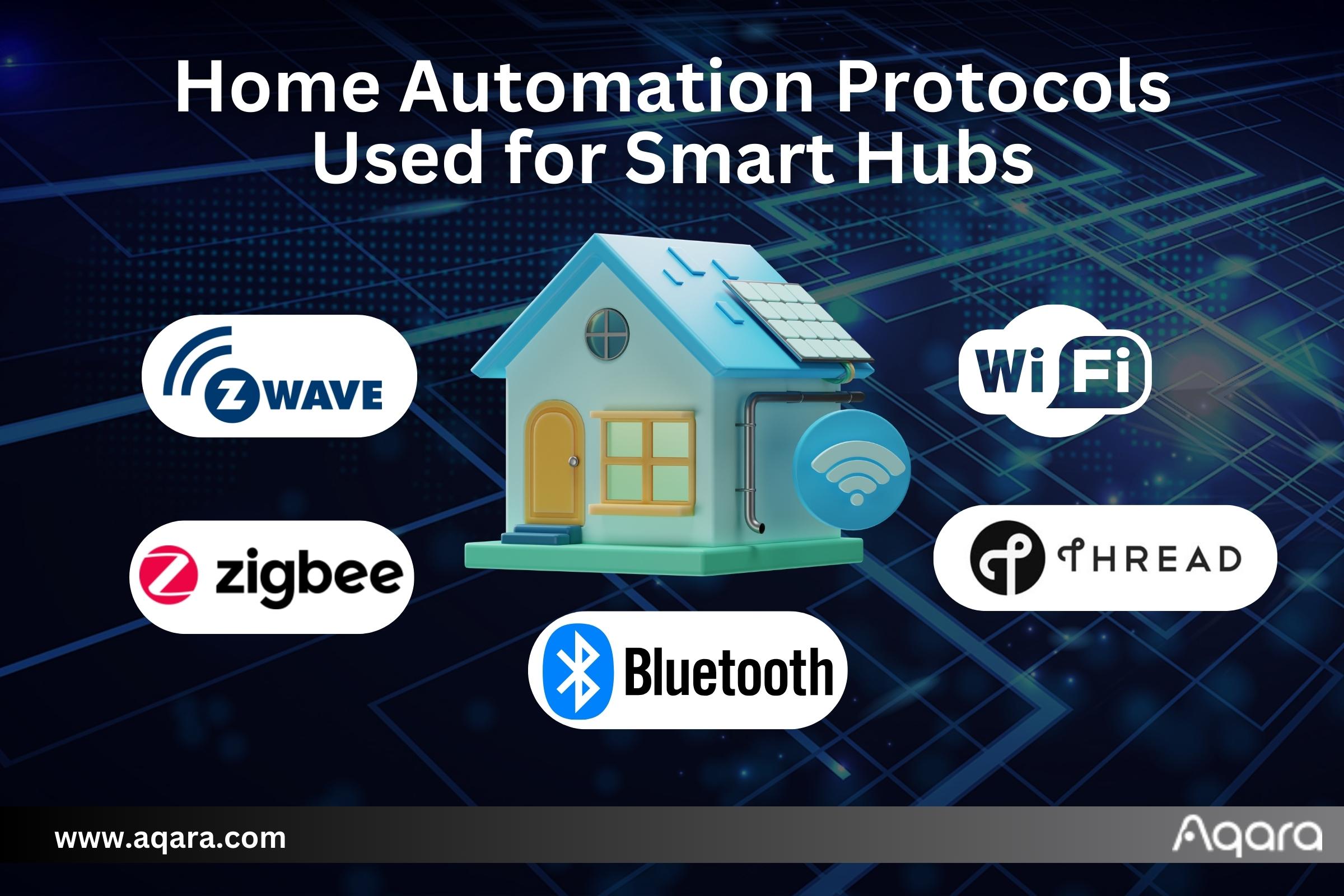
There are several types of smart home hubs available. Some connect through Wi-Fi, while others use Bluetooth or Zigbee. Some hubs work with many brands, and others support only specific devices. Choosing the right type depends on your devices and home setup.
Key Components
A smart home hub includes hardware and software components. The hardware is the physical device you place in your home. The software lets you control devices through apps or voice commands. Together, they make your smart home run smoothly and efficiently.
Choosing The Right Hub
Choosing the right smart home hub is important for a smooth smart home experience. The hub connects all your devices. It helps them work together. Picking the right one saves time and frustration. It makes controlling your home easier. Focus on key features to find the best fit for your needs.
Compatibility With Devices
Check if the hub works with your smart devices. Not all hubs support every brand or product. Look for hubs that support many device types. This includes lights, locks, cameras, and thermostats. A compatible hub means fewer connection problems. It also lets you add new devices later.
Connectivity Options
Smart hubs connect to devices using different signals. Common options include Wi-Fi, Zigbee, and Z-Wave. Some hubs support all three. Others support only one or two. Choose a hub with connectivity that matches your devices. This ensures stable and fast communication.
User Interface And Control
The hub’s interface affects how you control your home. Some use smartphone apps. Others have touchscreens or voice control. Find a hub with an interface you find easy to use. Simple controls make managing devices less stressful. Voice control adds hands-free convenience.
Popular Smart Home Hub Brands
Smart home hubs control devices like lights, cameras, and thermostats. These hubs connect everything in your home. Popular brands offer easy setups and smooth operation. Each brand has unique features and strengths. Here are some well-known smart home hubs to consider.
Amazon Echo
Amazon Echo uses Alexa, a smart voice assistant. It controls many smart devices with simple commands. Echo supports a wide range of compatible products. It also plays music, sets timers, and answers questions. Echo devices vary in size and price.
Google Nest Hub
Google Nest Hub shows helpful information on its screen. It uses Google Assistant for voice control. You can see weather, calendar, and photos easily. Nest Hub works well with Google services. It also controls many smart home gadgets.
Apple Homepod
Apple HomePod uses Siri to control smart devices. It offers clear sound for music lovers. HomePod connects well with other Apple products. It focuses on privacy and security. The system works best for people in the Apple ecosystem.
Setting Up Your Smart Hub
Setting up your smart home hub is the first step to enjoy a connected home. It controls your smart devices and makes life easier. The process is simple with clear steps to follow. This section guides you through installation, pairing devices, and securing your hub.
Installation Steps
Unbox your smart hub and plug it into power. Connect it to your Wi-Fi network using the app. Place the hub in a central location for best signal. Follow on-screen instructions to complete setup. The hub should update its software automatically.
Device Pairing
Open the smart hub app and select ‘Add Device.’ Put your smart device in pairing mode. The hub will search and find the device quickly. Confirm the connection on both the app and device. Repeat for each device you want to control.
Security Settings
Set a strong password for your smart hub account. Enable two-factor authentication for extra protection. Check device permissions regularly and remove unused devices. Keep your hub’s software updated to fix vulnerabilities. Secure your Wi-Fi network to prevent unauthorized access.
Benefits Of Smart Home Hubs
Smart home hubs bring many benefits to daily living. They connect different devices and make them work together. This creates a smoother, easier home experience. Smart hubs save time and energy while improving safety. Below are key benefits that show why smart home hubs are valuable.
Convenience And Automation
A smart home hub controls lights, locks, and appliances from one place. This means no need to use separate apps or switches. You can set routines to run automatically. For example, lights can turn off when you leave home. Automation reduces manual work and keeps your home ready for your needs.
Energy Efficiency
Smart hubs help save energy by managing devices smartly. They can turn off lights and gadgets when not in use. Thermostats adjust heating and cooling based on your schedule. This lowers electricity bills and helps the environment. Smart hubs make it easy to use energy wisely.
Enhanced Security
Security systems linked to smart hubs offer better protection. You receive alerts if unusual activity occurs. Cameras and sensors can be checked remotely. Locks can be controlled from anywhere, preventing unauthorized access. Smart hubs give peace of mind by keeping your home safer.
Challenges And Limitations
Smart home hubs offer many benefits but also come with challenges and limits. These affect how well they work and how users feel about them. Understanding these issues helps in choosing the right device and managing expectations.
Compatibility Issues
Not all smart devices work with every hub. Some hubs support only certain brands or protocols. This limits the devices you can connect. Users might need multiple hubs for different devices. Compatibility problems cause frustration and extra costs.
Privacy Concerns
Smart hubs collect data to work well. This data may include personal habits and routines. Some users worry about who can access this information. Poor security can lead to hacking risks. Protecting privacy requires careful setup and trust in the brand.
Cost Factors
Smart home hubs can be expensive to buy. Additional devices and subscriptions add to the cost. Maintenance and updates might require more spending. Budgeting is important for a complete smart home system. Costs might limit how many devices users add.
Future Of Smart Home Hubs
The future of smart home hubs is bright and full of promise. These devices will become more helpful and easier to use. They will connect many devices and work together smoothly. The goal is to make homes smarter and life simpler. Changes in technology will shape how these hubs grow and improve.
Integration With Ai
Smart home hubs will use artificial intelligence more often. AI helps devices learn your habits and preferences. It can suggest actions or adjust settings automatically. This makes your home respond better to your needs. Voice assistants will get smarter and understand more commands. AI will also improve security by detecting unusual activity quickly.
Improved Connectivity
Connectivity will become faster and more reliable. New wireless technologies will let devices talk to each other better. This means less delay and fewer connection problems. Smart home hubs will support more devices at once. They will work well with different brands and standards. This makes it easier to add new smart gadgets to your home.
Expanding Ecosystems
Smart home hubs will support a wider range of products. More companies will create devices that work together. This will give users more choices and flexibility. Ecosystems will grow to include lighting, security, appliances, and more. The hubs will unify all these devices into one system. This makes managing your smart home simpler and more efficient.
Credit: www.aqara.com
Credit: www.dusuniot.com
Frequently Asked Questions
What Is The Main Function Of A Smart Home Hub?
A smart home hub connects and controls various smart devices in your home. It allows seamless automation and centralized management through one interface.
How Does A Smart Home Hub Improve Home Automation?
It enables devices to communicate and work together efficiently. This creates personalized routines, enhances convenience, and boosts energy efficiency in your home.
Can Smart Home Hubs Work With Multiple Device Brands?
Yes, most smart home hubs support various brands and protocols. This compatibility ensures you can integrate diverse smart products without issues.
Is A Smart Home Hub Necessary For Smart Devices?
While not always required, a smart hub simplifies device management. It enhances automation, security, and control beyond individual app limitations.
Conclusion
A smart home hub makes managing devices simple and clear. It connects lights, locks, and speakers in one place. You control your home with just a few taps or voice commands. This technology saves time and adds comfort to daily life.
It helps your home work smarter, not harder. Choosing the right hub depends on your devices and needs. Start small, then expand your smart home easily. A smart home hub brings your gadgets together smoothly and safely.