
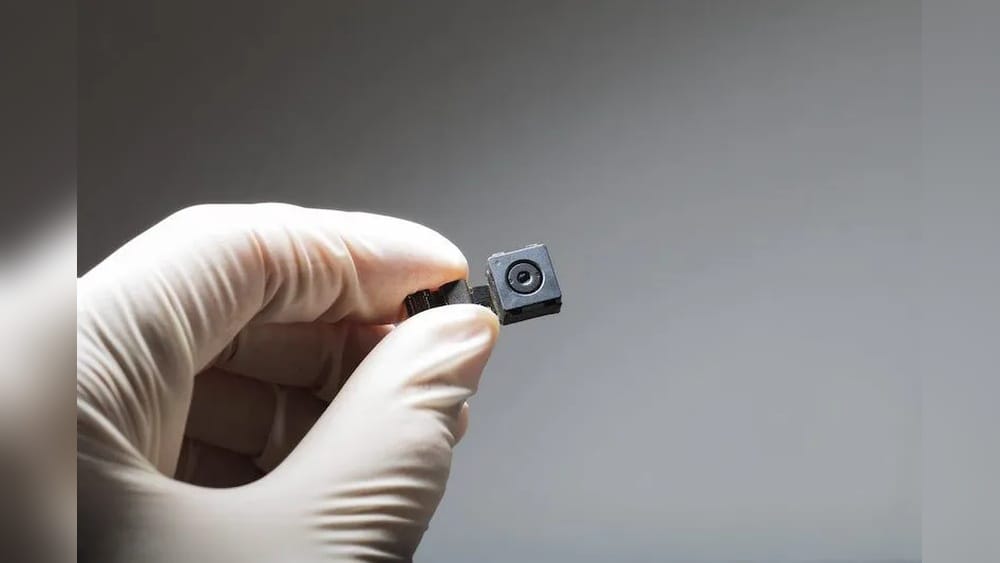
Have you ever wondered if those motion sensors around your home or office are secretly watching you? It’s a question that crosses many minds, especially when privacy is a top concern.
You might be relying on motion sensors for security, but do they actually have cameras built in? Understanding this can help you feel safer and more in control of your space. Keep reading to uncover the truth about motion sensors and whether they can see what you’re doing.
This knowledge could change the way you think about your security devices forever.
Types Of Motion Sensors
Motion sensors detect movement in an area. They help protect homes and offices. Different types of motion sensors use different technologies to sense motion. Each type has unique features and uses.
Understanding these types helps choose the right sensor for your needs. Some sensors detect heat, while others use sound or radio waves. Some even combine methods for better accuracy.
Infrared Sensors
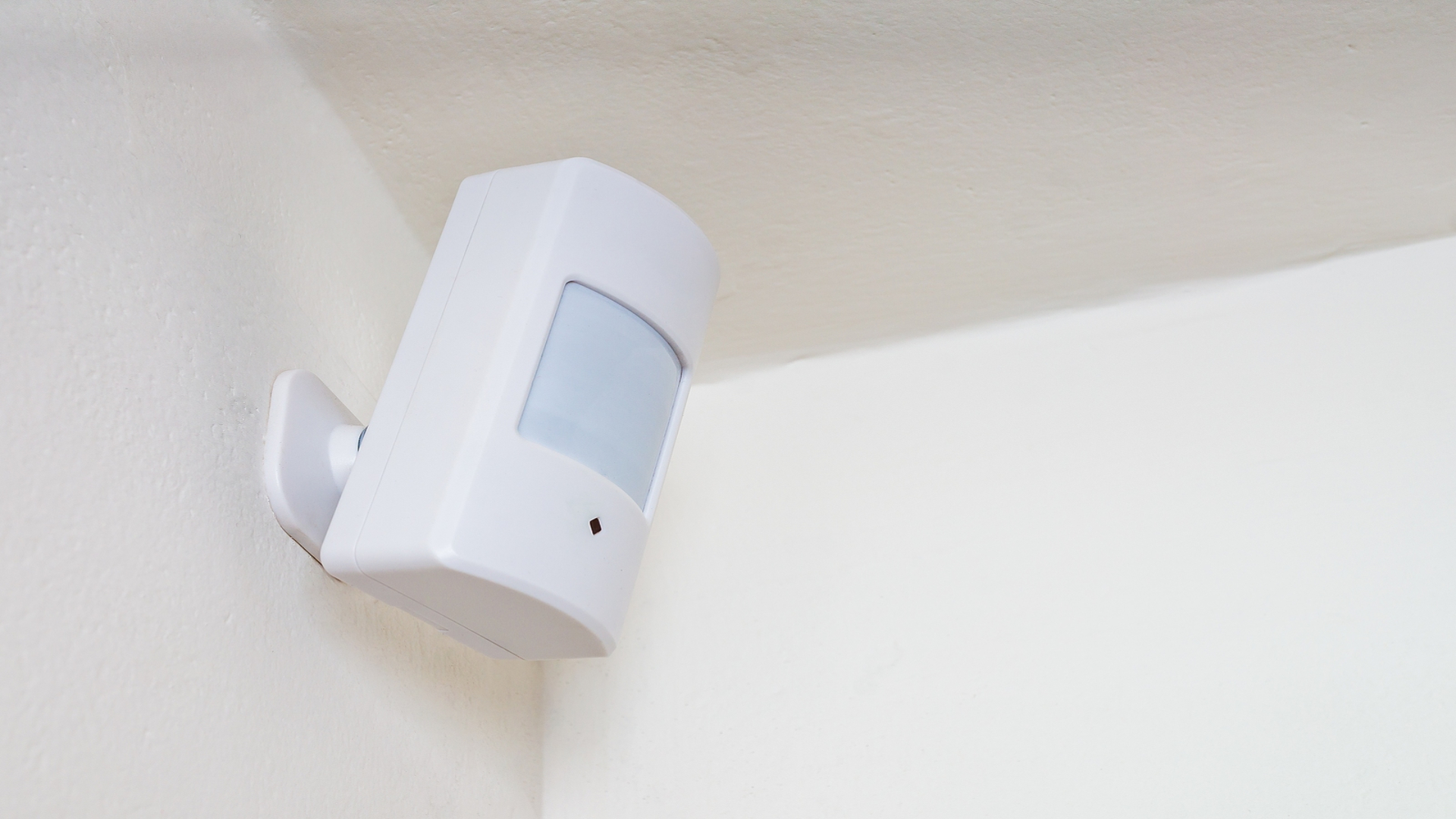
Infrared sensors detect heat from people or animals. They sense changes in temperature in their view. These sensors work well in dark or light areas. They do not capture images or video. Infrared sensors are common in home security systems.
Ultrasonic Sensors
Ultrasonic sensors send sound waves to detect movement. They measure how the sound bounces back. These sensors work well in small spaces. They can detect even small movements. Ultrasonic sensors do not have cameras.
Microwave Sensors
Microwave sensors send radio waves to detect motion. They measure changes in the waves after hitting objects. These sensors cover large areas. They can sense movement through walls or doors. Microwave sensors do not record video.
Dual-technology Sensors
Dual-technology sensors combine two types of detection. Usually, they mix infrared and microwave sensors. Both sensors must detect movement to trigger an alert. This reduces false alarms from pets or other objects. Dual-technology sensors do not include cameras.
Credit: www.bayalarm.com
Motion Sensors With Cameras
Motion sensors with cameras combine two technologies in one device. These devices detect movement and capture images or videos. They add security and convenience to homes and businesses. The camera activates only when motion is detected. This saves storage and power. People use these sensors to watch for unexpected activity.
These devices come in many styles. Some have night vision to work in the dark. Others connect to smartphones for live viewing. Motion sensors with cameras offer a simple way to monitor spaces without constant watching.
How They Work
Motion sensors detect changes in heat or movement. When they sense motion, they trigger the camera. The camera then takes photos or records video. Some devices send alerts to phones immediately. This lets users see what triggered the sensor. Sensors use infrared or microwave signals to detect movement. The camera stays off until motion activates it.
Common Uses
People use motion sensors with cameras mostly for security. They watch homes, offices, and stores. These devices also monitor driveways and yards. Some use them to check pets or children. They help catch intruders or unwanted guests. Businesses use them to track customer flow. Sensors with cameras can also record wildlife activity outside.
Advantages
These devices save energy by recording only when needed. They reduce storage needs by avoiding constant recording. Users get quick alerts about suspicious activity. The camera offers clear proof of events. They work day and night with infrared. Easy installation makes them popular for many places. They help people feel safer and more in control.
Motion Sensors Without Cameras
Motion sensors without cameras detect movement but do not record images. These devices focus on sensing changes in the environment. They are popular for simple, effective security and automation tasks.
Many people prefer motion sensors without cameras to protect privacy. These sensors alert users without capturing video or photos.
Functionality And Purpose
Motion sensors detect body heat, sound, or vibrations. They send signals to alarms or lights when movement occurs. These sensors help save energy by turning devices on or off automatically. They provide basic security by notifying about unusual activity.
Privacy Benefits
No video recording means no personal images are stored. Users feel safer knowing no cameras watch their every move. These sensors avoid privacy concerns in homes and workplaces. They help maintain trust between people and technology.
Typical Applications
Common uses include turning on lights in dark rooms. They activate alarms in shops or offices during off hours. Motion sensors without cameras work well in outdoor spaces. They support energy management in smart homes and buildings.

Credit: www.waytronicmfg.com
Detecting Hidden Cameras In Motion Sensors
Motion sensors are common in homes and offices for security and energy saving. Some people worry these devices might hide cameras. Detecting hidden cameras in motion sensors is important for privacy. Knowing what to check and how to test helps keep spaces safe.
Signs To Look For
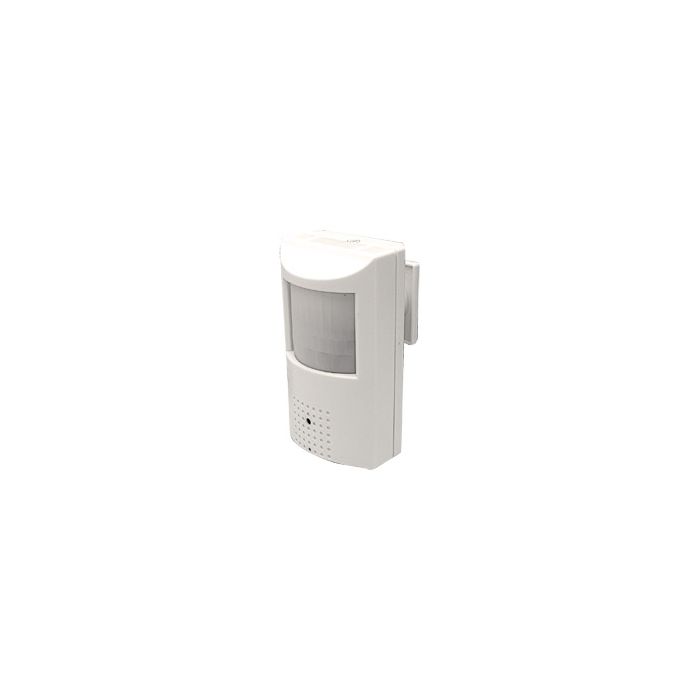
Check for small lenses or glass parts on the sensor. Cameras need a clear view, so any tiny openings could hide one. Look for unusual wires or extra parts inside the sensor. Strange blinking lights may also indicate a camera. Trust your instincts if the sensor looks different.
Testing Methods
Use a flashlight to shine on the sensor lens. Camera lenses reflect light differently than normal plastic. A hidden camera lens will often sparkle or shine. Try a radio frequency detector to find signals from wireless cameras. Use your phone camera to spot infrared lights invisible to the eye. Move the sensor and watch for any changes in blinking or reflections.
Legal Considerations
Installing hidden cameras without permission is illegal in many places. Respect privacy laws to avoid penalties. Recording people without consent can lead to fines or jail time. Always check local laws before using or inspecting surveillance devices. Protect your rights and others’ privacy by following rules carefully.
Choosing The Right Motion Sensor
Choosing the right motion sensor is important for your safety and comfort. Different sensors offer various features. Picking one depends on your specific needs and concerns. Understanding these factors helps you make a smart choice.
Security Needs
Think about what you want to protect. A sensor with a camera can capture images or videos. It helps identify who triggered the alarm. Basic motion sensors only detect movement but do not record. Choose based on how much security you require.
Privacy Concerns
Cameras can raise privacy issues for some people. They record areas around your home or business. Some prefer sensors without cameras for privacy reasons. Check local laws about recording in private spaces. Decide what feels safe and comfortable for you.
Budget And Features
Motion sensors vary in price depending on features. Sensors with cameras usually cost more. Simple motion detectors are cheaper and easier to install. Consider what features matter most and your budget limit. Balance cost with the benefits each sensor offers.
Credit: www.cctvcameraworld.com
Frequently Asked Questions
Do Motion Sensors Include Built-in Cameras?
Most motion sensors do not have built-in cameras. They detect movement using infrared or ultrasonic technology. However, some advanced security devices combine both motion sensors and cameras for enhanced surveillance.
How Do Motion Sensors Detect Movement Without Cameras?
Motion sensors use infrared, microwave, or ultrasonic waves to sense changes in their environment. They detect heat signatures or sound waves, triggering alerts without needing visual data from cameras.
Can Motion Sensors Trigger Cameras To Record?
Yes, many security systems use motion sensors to activate cameras. When motion is detected, the camera starts recording or sends an alert, improving security efficiency and saving storage space.
Are Motion Sensor Cameras More Secure Than Regular Cameras?
Motion sensor cameras enhance security by recording only when motion is detected. This reduces false alarms and conserves battery and storage, making them more efficient than traditional constant-recording cameras.
Conclusion
Motion sensors do not always have cameras built-in. Many detect movement using infrared or sound. Some advanced models include cameras for security. Knowing the difference helps you choose the right device. Think about your needs before buying one. Privacy concerns matter when cameras are involved.
Motion sensors without cameras offer simple alerts. Devices with cameras provide video for extra safety. Choose wisely to protect your home and family. Understanding these basics makes your decision clearer.