

Wondering how long washers take to finish a cycle? You’re not alone.
Knowing the exact time can help you plan your day better, avoid wasting energy, and get your laundry done faster. But the answer isn’t always simple. Different washers, cycles, and loads all affect the time. Keep reading, and you’ll discover the key factors that determine washer times and how you can make the most of every wash.
Your laundry routine is about to get smarter and quicker.
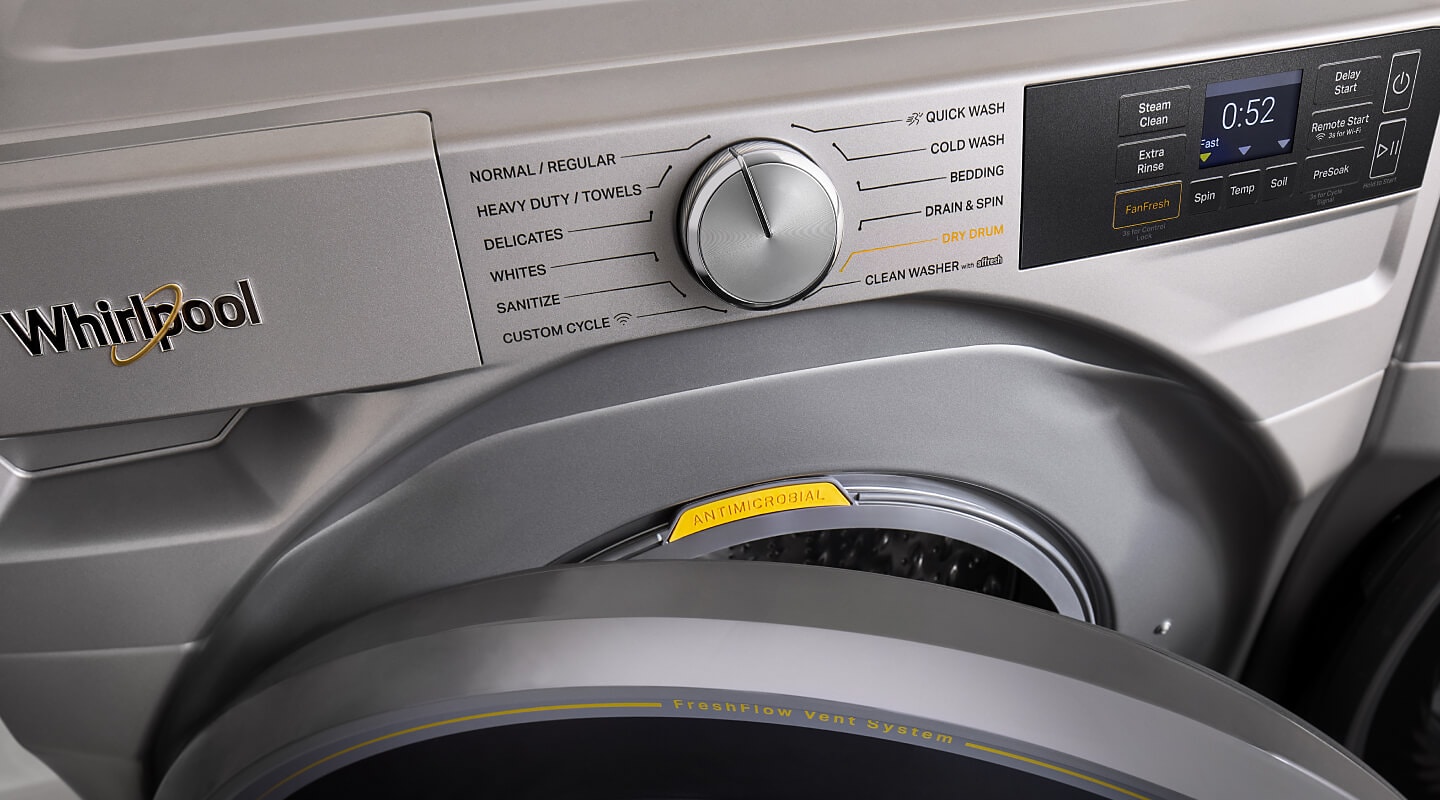
Credit: www.whirlpool.com
Typical Wash Cycle Durations
Washers have different cycle lengths depending on the type of clothes and cleaning needed. Understanding typical wash cycle durations helps you plan laundry time better. It also saves energy and water by choosing the right cycle.
Washers offer several cycle options. Each cycle serves a specific purpose and lasts a different time.
Standard Cycle Times
Standard wash cycles usually last between 30 and 45 minutes. This cycle cleans everyday clothes well. It uses warm water and moderate agitation to remove dirt. Most people use this cycle for regular laundry loads.
Quick Wash Options
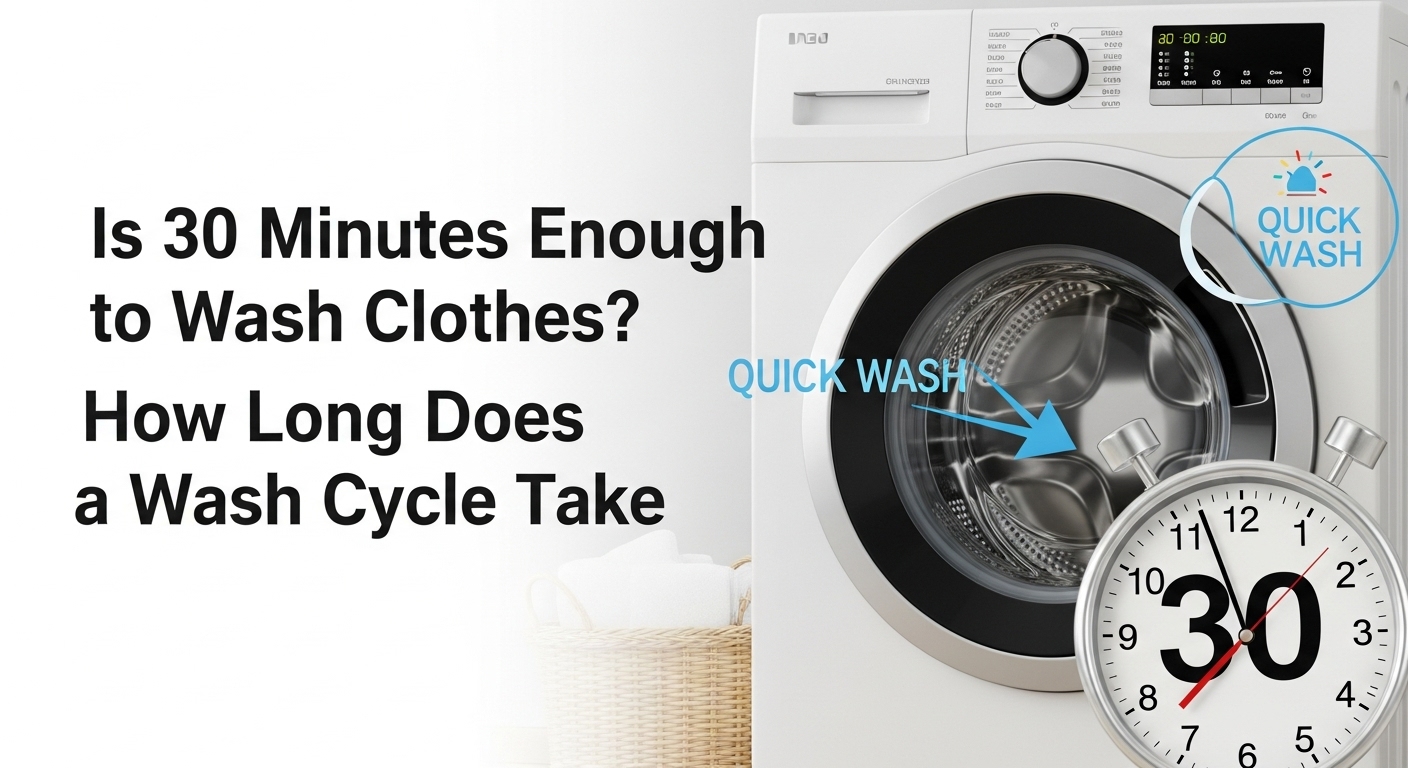
Quick wash cycles take about 15 to 30 minutes. This option works for lightly soiled clothes. It uses less water and shorter washing time. It saves time but may not clean very dirty clothes fully.
Delicate And Hand Wash Cycles
Delicate or hand wash cycles last from 20 to 40 minutes. These cycles use gentle agitation and cold water. They protect fragile fabrics like silk or lace. They prevent damage and keep clothes looking new.
Credit: bynext.co
Factors Influencing Wash Time
Wash time varies for many reasons. Different factors change how long a washer runs. Understanding these factors helps you plan your laundry better. It also helps save energy and water.
Load Size And Fabric Type
Larger loads take more time to wash than small ones. Clothes need space to move for a good clean. Thick fabrics like towels or jeans need longer wash cycles. Light fabrics like cotton or synthetics wash faster. Overloading the washer makes the cycle longer and less effective.
Water Temperature Settings
Hot water washes usually take more time than cold. Warm water cycles sit between hot and cold in length. Hot water helps remove tough stains but uses more energy. Cold water cycles are shorter and save energy. Some fabrics need cold water to avoid damage.
Soil Level And Stain Treatment
Heavily soiled clothes need longer wash cycles. Extra rinse or pre-wash steps add time to the cycle. Pretreating stains before washing can reduce wash time. Lightly soiled clothes wash quicker and need less water. Washers adjust time based on how dirty the clothes are.
Types Of Washers And Their Timings
Washers come in different types, each with its own washing time. Knowing these types helps choose the best washer for your needs. Timings vary depending on the design and technology of the washer. Some take less time but may use more water and energy. Others take longer but save resources and clean better.
Top-loading Washers
Top-loading washers have a lid on the top and fill with water quickly. They usually take about 30 to 40 minutes per wash cycle. These washers are easy to load and unload. They work well for small to medium laundry loads. The wash time is faster but may use more water than other types.
Front-loading Washers
Front-loading washers have a door on the front and use less water. Their wash cycles usually last 45 to 60 minutes. They clean clothes gently and save energy. These washers spin faster, reducing drying time. They are good for large or heavy loads but take more time per wash.
High-efficiency Models
High-efficiency washers use advanced technology to save water and energy. Their wash cycles range from 30 to 90 minutes. These models adjust water levels and cycle times based on load size. They offer different cycle options for delicate, heavy, or quick washes. Although some cycles take longer, the cleaning is thorough and efficient.
Specialized Cycles And Their Lengths
Specialized washer cycles handle specific cleaning needs. These cycles often take longer than regular washes. Understanding their lengths helps you plan laundry time better. Each cycle targets unique fabric care or cleaning goals.
Sanitize And Allergy Cycles
Sanitize cycles use high heat to kill germs and bacteria. They usually last between 1 and 2 hours. Allergy cycles remove dust mites and allergens with extra rinses. These cycles often take about 1.5 hours. Both are ideal for bedding and clothes for sensitive skin.
Eco-friendly Wash Cycles
Eco cycles save water and energy by washing clothes gently. They take longer, often 1.5 to 3 hours. These cycles use lower temperatures and slower spins. The result is clean clothes with less harm to the environment. Best for lightly soiled clothes and regular use.
Steam And Refresh Cycles
Steam cycles use hot steam to loosen dirt and reduce wrinkles. They last around 30 to 60 minutes. Refresh cycles remove odors and freshen clothes without a full wash. These are quick cycles, often under 30 minutes. Ideal for clothes that need a light clean or touch-up.
Tips To Optimize Wash Time
Optimizing wash time helps save energy and keeps clothes fresh. Small changes can cut down washing cycles without losing quality. Focus on three key areas to get the best results.
Proper Load Balancing
Distribute clothes evenly inside the drum. Avoid stuffing one side more than the other. Balanced loads reduce spin time and wear on your washer. It also prevents noisy, uneven cycles. Check the drum before starting the wash.
Using The Right Detergent
Choose detergents made for your washer type, like high-efficiency (HE) for front-loaders. Use the correct amount as stated on the package. Too much soap causes extra rinsing, which extends the wash time. Too little soap may leave clothes dirty.
Maintaining Your Washer
Clean the washer drum and filters regularly. Remove lint and debris that block water flow. Check hoses for leaks or kinks. A well-maintained washer runs faster and lasts longer. Schedule monthly cleaning to keep it in top shape.

Credit: www.laundrycare.biz
Frequently Asked Questions
How Long Does A Typical Washer Cycle Take?
A typical washer cycle lasts between 30 to 60 minutes. Time varies by model, load size, and cycle type. Quick wash cycles usually take 15 to 30 minutes. Heavier cycles for bulky items can extend beyond an hour.
What Affects The Washing Time Of A Machine?
Washing time depends on load size, fabric type, and selected cycle. Energy-efficient washers often have longer cycles. Soil level and water temperature settings also impact duration. Modern washers optimize time based on sensor feedback for better results.
Can Washer Cycle Time Be Adjusted Manually?
Yes, many washers let users choose cycle length. Options usually include quick, normal, or heavy-duty cycles. Some machines allow custom settings for water temperature and spin speed. Adjusting these can reduce or extend total washing time.
Why Do Some Washers Take Longer Than Others?
Washers differ in technology, capacity, and efficiency standards. Front-loaders often take longer due to gentle, thorough cleaning. Older models may lack fast wash options. Energy-saving settings can also increase cycle duration for better results.
Conclusion
Washers usually take between 30 minutes and an hour to finish. The exact time depends on the machine type and the cycle you choose. Quick cycles save time but may not clean as well. Longer cycles clean better but use more water and energy.
Knowing your washer’s settings helps you plan laundry better. This way, you avoid waiting too long or rushing your clothes. Understanding washer times keeps your laundry routine smooth and efficient. Simple steps make washing easier every day.