
Finding The Right Smart Home Hub Can Feel Overwhelming
Setting up a smart home hub designed for disabled users often starts with good intentions but quickly runs into unexpected challenges. You might have noticed that not all devices work equally well with accessibility features or voice controls. The mix of options, compatibility issues, and different control methods can make the decision unclear.
Choosing a smart home hub involves balancing ease of use, responsiveness, and integration with other devices. Some hubs focus on security, others on automation or monitoring environmental conditions. The trade-offs between simplicity and advanced features, or between affordability and reliability, add to the confusion.
This guide will help clarify what matters most when looking for the best smart home hub for disabled users. It aims to make the decision easier by focusing on real needs rather than just technical specifications.
What Really Matters When Choosing A Smart Home Hub
Accessibility is key. The hub should support voice commands or simple controls that fit your specific abilities. Compatibility with popular assistants like Alexa or Apple HomeKit can open up more options for control and automation.
Reliability and responsiveness matter more than flashy extras. A system that consistently responds to commands and alerts you promptly is crucial for peace of mind.
Consider the environment where the hub will be used. Some setups suit smaller spaces like apartments, while others are better for larger homes or multiple rooms. Battery life and wireless range also influence everyday convenience.
Common Missteps To Avoid
Many buyers focus too much on brand names or the number of features without checking if those features are truly accessible. Overcomplicated systems can become frustrating rather than helpful.
Another frequent mistake is overlooking how the hub communicates with other devices. A hub that works well alone but poorly with other smart products may limit your home’s potential.
Lastly, don’t ignore the setup process. Systems that require complicated installation or frequent maintenance might not be the best choice for everyone.
With these points in mind, the following product selections cover a range of needs and preferences. Each option has been chosen to offer practical solutions for disabled users looking to improve their home’s intelligence and safety.
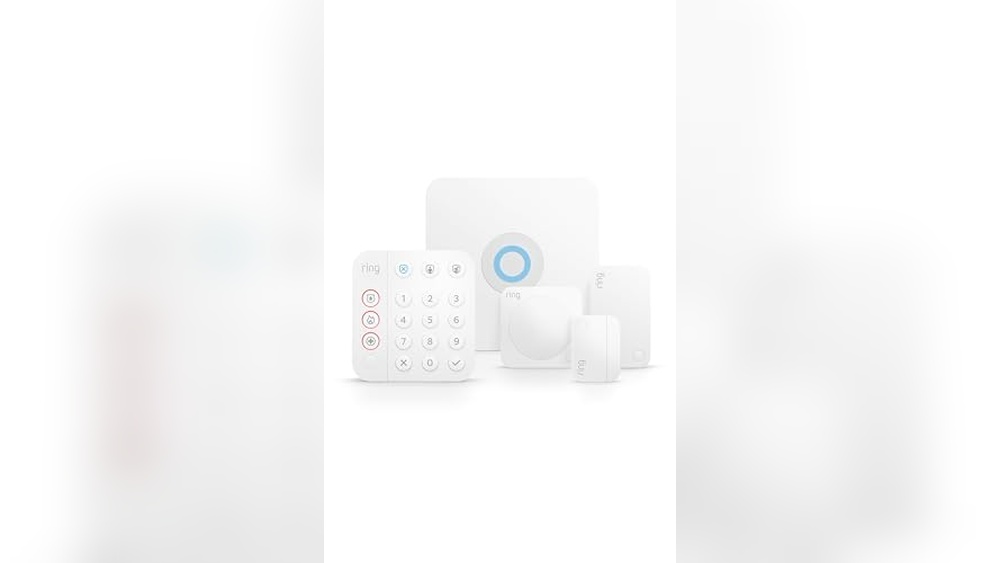
Ring Alarm 5-piece Kit
The Ring Alarm 5-Piece Kit stands out as the Best Smart Home Hub for Disabled Users by offering simple, app-controlled home security with easy setup and 24/7 professional monitoring.

The Ring Alarm 5-Piece Kit is a wireless security system designed to keep homes and small businesses safe. It is especially suitable for condos and apartments, including a base station, keypad, contact sensor, motion detector, and range extender to cover essential entry points. The intuitive keypad makes arming and disarming the system straightforward, an important feature for disabled users who benefit from simple controls.
Using the Ring Alarm system feels reassuring and efficient, as you can monitor everything through the Ring app on your mobile device. Notifications alert you instantly if the system is triggered, providing peace of mind without the need to constantly check the status manually. The option for 24/7 professional monitoring adds an extra layer of security and reduces worry for users who want consistent protection.
Key Advantages for Home Security
- Easy-to-use keypad simplifies arming and disarming for users with limited mobility
- Mobile app control allows remote monitoring and instant alerts
- Expandable system supports adding sensors and accessories as needed
- Includes essential components for comprehensive coverage in condos and apartments
- 24/7 professional monitoring available for emergency response
- Wireless setup reduces installation hassle and wiring complexity
- Compatible with Alexa for voice control integration
Considerations Before Buying
- Additional sensors and professional monitoring require separate subscriptions or purchases
- Best suited for smaller living spaces, not ideal for very large homes without expansion
- Relies on Wi-Fi connectivity, which may affect performance if internet is unstable
My Practical Take
This system is ideal for disabled users living in apartments or condos who want a straightforward, dependable home security solution without complex setup. It removes stress by providing clear controls and instant mobile alerts, so you can stay informed without extra effort.
To get the best results, pairing it with the Ring Protect Plan ensures continuous monitoring even if your Wi-Fi goes down, increasing reliability. For someone who values simplicity and peace of mind, this kit strikes a good balance of features and ease of use.
| Best for | Why |
|---|---|
| Residents of condos or apartments | The included sensors cover typical entry points in smaller living spaces effectively |
| Users needing easy, tactile controls | The intuitive keypad allows simple arming/disarming without complicated steps |
| People wanting remote system monitoring | Mobile app notifications keep users informed anytime, anywhere |
| Those seeking professional emergency support | Optional 24/7 monitoring connects to police, fire, and medical responders |
Onvis 4-in-1 Door Sensor
The Onvis 4-in-1 Door Sensor is an excellent choice as the Best Smart Home Hub for Disabled Users, offering easy Apple HomeKit integration and smart alerts to enhance home security and automation.

The Onvis 4-in-1 Door Sensor serves as a wireless contact sensor for doors and windows, while also providing temperature and humidity readings. It works exclusively with Apple HomeKit and supports Thread technology, making it ideal for smart home automation and security monitoring. This device notifies you instantly if a door or window is opened, helping users stay informed and safe.
Using this sensor feels seamless, especially with Siri voice control and remote alerts through Apple’s ecosystem. It offers consistent monitoring without complicated setup, reducing the need for manual checks. For disabled users, this means added peace of mind and effortless control over their home environment.
Key Advantages for Smart Home Security
- Instant door/window movement detection with real-time alerts
- Integrates smoothly with Apple HomeKit for easy voice and app control
- Supports Thread for reliable, low-latency smart home communication
- Provides ambient temperature and humidity data for environmental awareness
- Records up to 100 recent triggers for security tracking
- Battery powered with easy replacement and long service life
- Compact design fits unobtrusively on doors and windows
Considerations Before Buying
- Only compatible with Apple HomeKit devices, limiting cross-platform use
- Requires firmware upgrade to version 1.6.6 for optimal functionality
- Needs HomePod mini or Apple TV for remote control features
Why This Sensor Works Well Here
This sensor fits best for disabled users who rely on Apple’s smart home ecosystem to simplify their daily routines and enhance safety. It removes the hassle of manual monitoring by sending instant alerts when doors or windows are opened. A quick tip is to regularly update the firmware to ensure all features work smoothly.
Its reliable trigger records and seamless integration bring peace of mind, helping users avoid surprises and stay in control of their environment. If you value consistent automation and straightforward use, this sensor fits naturally into your smart home setup.
| Best for | Why |
|---|---|
| Users with Apple HomeKit | Offers seamless integration and control via Siri and Home app |
| Disabled users needing easy alerts | Instant notifications remove guesswork about home security |
| Homes with multiple smart devices | Thread support enables fast, reliable communication between devices |
| Those monitoring indoor climate | Provides temperature and humidity data alongside security functions |
Understanding Your Home Security Needs
When choosing a home security system or components like door/window sensors, consider the size and layout of your living space. Larger homes or businesses may require expandable systems with multiple sensors, while smaller apartments benefit from compact kits.
Think about the level of monitoring you want—do you prefer professional monitoring services or self-monitoring via smartphone apps? Compatibility with your existing smart home devices and voice assistants can also influence your choice.
Key Features To Prioritize
Expandability and Integration
Systems that allow you to add sensors and accessories over time provide flexibility. Check if the system integrates with popular smart home platforms like Alexa or Apple HomeKit, depending on your ecosystem.
Alert and Notification Methods
Immediate mobile alerts help you stay informed about security events. Some devices offer 24/7 professional monitoring, which can add a layer of emergency response support.
Ease of Installation and Use
Wireless systems typically offer easier setup and placement flexibility. User-friendly keypads and intuitive apps improve daily interaction with your security devices.
Common Considerations And Potential Confusions
Compatibility with Smart Home Systems
Not all sensors work with every smart home platform. Verify whether a product supports your preferred ecosystem—such as Apple HomeKit or Alexa—to ensure seamless automation.
Power Sources and Maintenance
Some sensors use replaceable batteries like AAA, while others may require different power solutions. Consider battery life and ease of replacement when planning maintenance.
Connectivity and Reliability
Wireless systems depend on Wi-Fi or specialized protocols like Thread. Ensure your home network supports these technologies for consistent performance.
Frequently Asked Questions
Can I add more sensors to my existing security kit?
Most modern home security kits are expandable, allowing you to add additional sensors and accessories as needed.
Do these sensors work without professional monitoring?
Yes, many systems offer self-monitoring through mobile apps, but professional monitoring is usually an optional paid service.
How do I know if a sensor is compatible with my smart home system?
Check the product specifications for supported platforms like Alexa, Apple HomeKit, or Thread before purchasing.
What happens if my Wi-Fi goes down?
Some systems include features or plans that maintain connectivity during outages, but basic setups may lose remote access until Wi-Fi is restored.
Are these sensors suitable for outdoor use?
Most door/window sensors are designed for indoor use; verify weather resistance if you plan to install them outdoors.
Final Thoughts
Choosing the right home security components involves balancing your specific needs with system capabilities and compatibility. Focus on how a system fits your living environment, preferred monitoring style, and smart home setup. Taking time to understand these factors helps ensure your investment supports your safety and convenience effectively.