
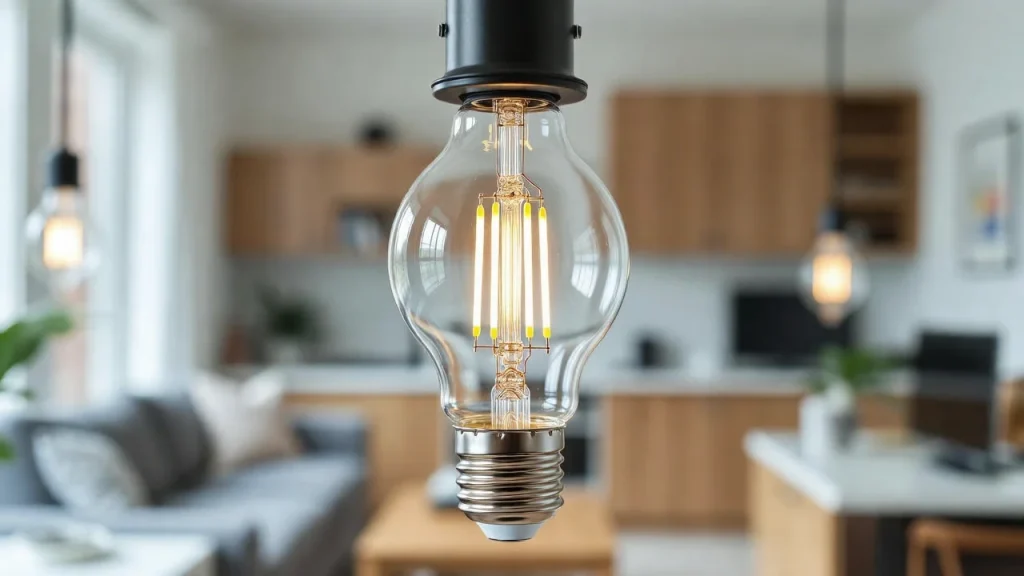
Are you looking to brighten your home while saving money? Understanding what LED light bulbs are can change the way you light up your space—and your life.
These tiny bulbs pack a powerful punch, using less energy and lasting much longer than traditional bulbs. If you want to cut your electricity bills, reduce waste, and enjoy better lighting, keep reading. You’ll discover why LED light bulbs are becoming the top choice for millions of people just like you.
What Are Led Light Bulbs
Understanding what LED light bulbs are can change the way you think about lighting in your home or office. These bulbs are not just another type of light; they use technology that saves energy and lasts much longer than traditional bulbs. If you’ve ever been frustrated by how often you need to replace a bulb or how high your electricity bill gets, learning about LEDs might be just what you need.
What Does Led Stand For?
LED stands for Light Emitting Diode. Unlike regular bulbs that use a filament or gas, LEDs produce light through a semiconductor.
This means they turn electricity directly into light without much wasted energy. Have you noticed how some bulbs get really hot? LEDs stay cool, which is a big advantage.
How Do Led Light Bulbs Work?
Inside an LED bulb, tiny chips emit light when an electric current passes through them. This process uses much less energy compared to incandescent bulbs.
Because the light is created by the movement of electrons in a solid material, LEDs are more durable and last longer. Think about not having to change a bulb for years—that’s possible with LEDs.
Why Choose Led Over Other Bulbs?
- Energy Efficiency: LEDs use up to 80% less energy than traditional bulbs.
- Long Lifespan: They can last 15 to 25 times longer.
- Better Light Quality: LEDs offer different colors and brightness levels to suit your needs.
- Environmentally Friendly: They contain no mercury and reduce carbon footprint.
Have you ever calculated how much you spend on electricity and bulb replacements each year? Switching to LED bulbs could save you a significant amount over time.
How Led Bulbs Work
LED bulbs use a special technology to create light efficiently. They work differently from traditional bulbs. Understanding how LED bulbs work helps you see why they save energy and last long.
Inside each LED bulb, tiny parts called semiconductors play a key role. These parts control the flow of electricity and turn it into light without much heat.
What Happens Inside An Led Bulb
Electricity flows through the LED chip inside the bulb. This chip has two layers of semiconductor material. When electricity passes through, electrons move between these layers.
This movement of electrons releases energy in the form of light. This process is called electroluminescence. It creates bright light with little wasted energy.
Why Led Bulbs Use Less Energy
LED bulbs convert most electricity directly into light. Traditional bulbs lose energy as heat. LEDs stay cool and use less power for the same brightness.
Less energy means lower electricity bills and less pollution. This makes LED bulbs a smart choice for homes and businesses.
The Role Of The Bulb’s Design
The bulb’s shape and materials help spread light evenly. A special lens or cover softens the light. This makes LED bulbs good for many types of lighting.
Good design also protects the LED chip, extending the bulb’s life. This means fewer replacements and less waste.
Advantages Of Led Lighting
LED lighting offers many benefits that make it a smart choice for homes and businesses. These lights use less power and last longer than traditional bulbs. They also handle rough use better and help protect the environment. The savings on energy bills add up fast.
Energy Efficiency
LED bulbs use much less electricity than standard bulbs. They turn most energy into light, not heat. This means lower energy costs and less waste. Using LED lights reduces power demand and helps save resources.
Long Lifespan
LED bulbs last much longer than other bulbs. A typical LED can work for up to 25,000 hours. This means fewer replacements and less hassle. Longer life also means less trash in landfills.
Durability
LED lights are built tough. They resist shock, vibration, and extreme temperatures. This makes them ideal for many places, indoors or outdoors. They break less often, saving money on replacements.
Environmental Impact
LED lighting is better for the planet. They use less energy, reducing pollution from power plants. LEDs contain no mercury or harmful chemicals. They produce less waste because they last longer.
Cost Savings
LED bulbs cost less over time despite a higher initial price. Lower energy use means smaller electric bills. Fewer replacements mean fewer purchases. The total savings make LEDs a wise investment.
Common Types Of Led Bulbs
LED light bulbs come in many types to suit different needs. Each type offers unique features and benefits. Knowing about these types helps in choosing the right bulb for your space.
Standard Led Bulbs
Standard LED bulbs replace traditional bulbs easily. They use less energy and last longer. These bulbs fit most lamps and fixtures. They give bright, clear light for daily use.
Smart Led Bulbs
Smart LED bulbs connect to Wi-Fi or Bluetooth. Control them with a phone or voice commands. Change colors, dim, or set schedules remotely. They add convenience and save energy.
Colored Led Bulbs
Colored LED bulbs create mood and style. Choose from many colors like red, blue, or green. Perfect for parties, holidays, or decoration. Some models change colors automatically.
Dimmable Led Bulbs
Dimmable LED bulbs adjust brightness to your need. Use a compatible dimmer switch to soften or brighten light. Great for bedrooms, living rooms, and dining areas. They help create cozy atmospheres.
Specialty Led Bulbs
Specialty LED bulbs serve unique purposes. Examples include candle-shaped bulbs and floodlights. They fit special fixtures and outdoor spots. Designed for style, focus, or extra brightness.
Comparing Led Bulbs To Other Lighting Options
LED light bulbs are popular because they save energy and last long. Comparing them to other bulbs helps choose the best lighting. Different bulbs use power and give light in different ways. This section compares LED bulbs with incandescent, CFL, and halogen lights.
Led Vs Incandescent
Incandescent bulbs use a filament that heats to create light. They use a lot of energy and burn out fast. LED bulbs use less energy and last up to 25 times longer. LEDs stay cool and do not waste energy as heat. Choosing LEDs lowers electricity bills and saves money.
Led Vs Cfl
CFL bulbs use gas and a small amount of mercury to make light. They use less energy than incandescent but more than LEDs. CFLs take time to reach full brightness. LEDs turn on instantly. CFLs also can break and release mercury, which is harmful. LEDs are safer and more efficient.
Led Vs Halogen
Halogen bulbs are a type of incandescent that is slightly more efficient. They produce bright, white light but get very hot. Halogens use more energy than LEDs and have shorter lifespans. LEDs stay cool and offer better energy savings. They also work well in many fixtures.
Maximizing Energy Savings With Leds
LED light bulbs save more energy than traditional bulbs. They use less power and last longer. Using LEDs smartly can cut your electricity bills. Small changes in how you use and install them make a big difference.
Choosing The Right Wattage
Pick the correct wattage for each room. Higher wattage means brighter light but uses more energy. Use lower watt bulbs in small spaces. Bright areas like kitchens need higher watt bulbs. Right wattage balances light and energy use.
Using Timers And Sensors
Timers turn off lights automatically after set times. Sensors detect movement and light, turning LEDs on or off. These tools stop lights from running when not needed. They reduce wasted energy and lower costs.
Proper Installation Tips
Install LED bulbs tightly in sockets for best contact. Clean fixtures before installing to avoid dirt blocking light. Use dimmers compatible with LEDs to save power. Follow instructions to avoid flickering or damage. Proper setup improves bulb life and energy saving.
Common Myths About Led Bulbs
LED light bulbs are popular for saving energy and lasting long. Still, many people believe wrong facts about them. These myths stop some from using LED bulbs. Understanding the truth helps choose better lighting for homes and offices.
Myth: Led Bulbs Are Too Expensive
LED bulbs cost more at first. But they save money over time. They use less electricity and last many years. This means fewer replacements and lower bills.
Myth: Led Bulbs Give Off Harsh Light
Some think LED light is too bright or cold. LED bulbs come in many colors and brightness levels. You can find warm light that feels soft and cozy.
Myth: Led Bulbs Don’t Work With Dimmers
Not all LED bulbs work with dimmers. But many are made for dimming. Look for bulbs labeled as “dimmable” to use with dimmer switches.
Myth: Led Bulbs Are Bad For The Environment
LED bulbs use less energy, helping reduce pollution. They also contain no mercury, unlike some old bulbs. Recycling LED bulbs is easy and safe.
Myth: Led Bulbs Have Short Lifespans
LED bulbs last much longer than traditional bulbs. They can work for up to 25,000 hours or more. This means less hassle changing bulbs often.
Frequently Asked Questions
What Are Led Light Bulbs Used For?
LED light bulbs provide energy-efficient lighting for homes, offices, and outdoor spaces. They replace traditional bulbs with longer-lasting, eco-friendly options.
How Do Led Light Bulbs Save Energy?
LED bulbs use semiconductor technology to emit light efficiently. They consume up to 80% less energy than incandescent bulbs, reducing electricity bills.
Are Led Light Bulbs More Durable Than Others?
Yes, LED bulbs last longer due to solid-state construction. They resist shock, vibration, and temperature changes better than traditional bulbs.
Can Led Light Bulbs Reduce Electricity Costs?
LED bulbs lower electricity costs by using less power. Their long lifespan also cuts replacement expenses, making them cost-effective over time.
Conclusion
LED light bulbs save energy and last much longer than old bulbs. They use less electricity, helping reduce your bills. These bulbs come in many shapes and colors for different needs. They turn on quickly and do not get very hot.
Choosing LED bulbs is a smart way to light your home. Bright, efficient, and reliable—LEDs are a great choice for everyone. Simple change, big benefits.