
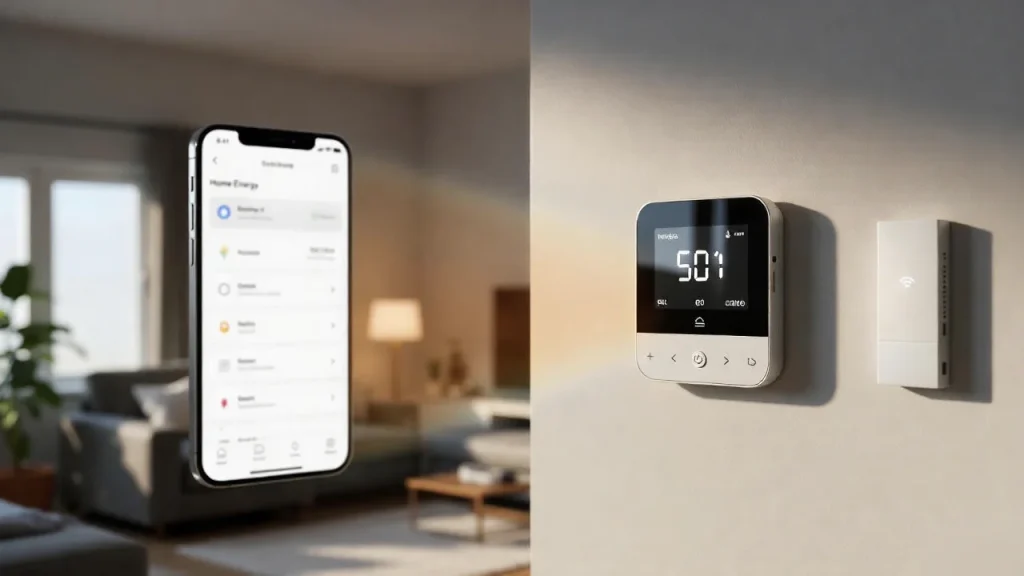
Have you ever wished your home could just know the perfect temperature without you having to lift a finger? Smart thermostats do exactly that—they learn your habits, adjust settings automatically, and help you save money on energy bills.
But how do these clever devices actually work? If you’ve ever been curious about what’s behind the magic, keep reading. Understanding how smart thermostats operate will not only make you appreciate their convenience but also help you decide if one is right for your home.
Let’s dive into the simple science and smart technology that keeps your space just right.
Smart Thermostat Basics
Smart thermostats help control home temperature with ease and precision. They learn your daily habits and adjust heating or cooling automatically. These devices save energy and keep your home comfortable without constant manual changes.
Core Components
A smart thermostat has several key parts. A sensor detects the current temperature in your room. The processor analyzes this data and runs the thermostat’s software. A display shows settings and temperature information. Lastly, relays connect to your heating and cooling system to control it.
Connectivity Features
Smart thermostats connect to your Wi-Fi network for remote control. You can change settings using a smartphone app from anywhere. Voice assistants like Alexa or Google Assistant often support them. Some models also use Bluetooth or Zigbee for local connections. These features make managing your home temperature simple and flexible.
Temperature Sensing Techniques
Smart thermostats use different ways to sense temperature. These techniques help control your home’s heating and cooling efficiently. Understanding these methods shows how smart thermostats keep your space comfortable.
Built-in Sensors
Built-in sensors are inside the thermostat itself. They measure the air temperature near the device. These sensors use tiny electronic parts to detect heat levels. The thermostat reads this data to decide when to turn heating or cooling on or off. This direct sensing helps maintain the set temperature accurately. However, the sensor only knows the temperature of one spot in the room.
Remote Sensors
Remote sensors are placed in different rooms or areas. They send temperature information back to the main thermostat. This gives a better overall view of the home’s temperature. Remote sensors help the thermostat avoid hot or cold spots. They improve comfort by adjusting heating or cooling based on multiple locations. Some smart thermostats support several remote sensors for more precise control.
Learning Algorithms
Learning algorithms are the core of smart thermostats. They help these devices understand how you like to heat or cool your home. Over time, the thermostat gets smarter by watching your actions and adjusting automatically.
These algorithms make your home comfortable without much effort. They save energy by avoiding heating or cooling when you do not need it. The smart thermostat learns from your habits and changes the settings to match your routine.
User Behavior Tracking
Smart thermostats track when you change the temperature. They note the time and the new temperature setting. This data helps the device learn your preferences.
The thermostat also senses when you leave or come back home. It uses motion sensors or your phone’s location. This way, it knows if the house should be warmer or cooler.
Tracking your behavior over days and weeks builds a pattern. The thermostat uses this pattern to predict your needs. It adjusts the temperature before you even ask.
Adaptive Scheduling
Based on the learned patterns, the thermostat creates a schedule. This schedule changes heating and cooling at different times. It adapts to your daily routine automatically.
If your routine changes, the thermostat updates the schedule. It learns new habits and discards old ones. This keeps your home comfortable without manual changes.
Adaptive scheduling helps reduce energy waste. The thermostat avoids heating or cooling when the house is empty. It saves money and helps the environment.
Integration With Smart Home Systems
Smart thermostats fit well in smart home systems. They connect with other devices to create a smooth home environment. Integration helps control heating and cooling easily. It makes managing energy use simple and efficient.
Voice Control Compatibility
Many smart thermostats work with voice assistants like Alexa, Google Assistant, or Siri. You can change settings using just your voice. Commands like “set temperature to 72 degrees” are understood instantly. Voice control adds convenience, especially when your hands are full.
App And Cloud Access
Smart thermostats link to apps on your phone or tablet. You can check and adjust the temperature from anywhere. The cloud stores your settings and learns your habits over time. This helps the thermostat make smart decisions about heating and cooling. Remote access keeps your home comfortable and saves energy.
Energy Saving Mechanisms
Smart thermostats use smart energy saving mechanisms to lower electricity bills. These devices adjust heating and cooling without wasting energy. They learn your habits and act to keep your home comfortable and efficient. The goal: save power while keeping rooms cozy.
Optimized Heating And Cooling
Smart thermostats control your heating and cooling based on real use. They track daily schedules and adjust temperatures automatically. This stops heating or cooling an empty house. The system uses sensors to know which rooms need temperature changes. This way, energy is not wasted on unused spaces.
They also keep temperatures steady, avoiding big changes that use more energy. By running only when needed, these devices cut down power use. This helps lower your monthly utility bills without losing comfort.
Geofencing Technology
Geofencing uses your phone’s location to control your thermostat. When you leave home, the thermostat lowers heating or cooling. It saves energy by not conditioning an empty house. When you come back, it warms or cools the house to your preferred temperature.
This feature works automatically and needs no manual setting. It responds to your movements, making heating and cooling smarter. This avoids wasting energy and keeps your home ready when you arrive.
Installation And Setup Tips
Setting up a smart thermostat is a simple process that can save energy and money. Proper installation ensures your device works well and controls your home’s temperature efficiently. Follow these tips to make the setup smooth and hassle-free.
Compatibility Checks
Before buying a smart thermostat, check if it fits your heating and cooling system. Different models support different types of systems like gas, electric, or heat pump. Look at your old thermostat and HVAC system to match compatibility. Some smart thermostats need a C-wire for power. If your system lacks it, choose a model with battery power or add a C-wire.
Diy Vs Professional Installation
Many smart thermostats are designed for easy DIY installation. They come with step-by-step guides and clear wiring instructions. This saves money and gives quick setup. But some systems are complex and need expert handling. Professional installation avoids wiring errors and system damage. It also ensures the thermostat connects properly to Wi-Fi and your HVAC system. Choose what fits your comfort and skill level.
Common Challenges And Solutions
Smart thermostats offer great comfort and energy savings. Yet, some common problems can affect their performance. Understanding these issues helps maintain smooth operation and better control of your home’s temperature.
Two frequent challenges are connectivity problems and sensor calibration. Both impact how well your thermostat works. Solutions are often simple and quick, improving your experience and device reliability.
Connectivity Issues
Smart thermostats rely on Wi-Fi to connect with your phone or smart home system. Weak or unstable Wi-Fi can cause the thermostat to lose connection. This stops remote control and updates.
To fix this, place the thermostat near the router. Restart your router and thermostat to refresh connections. Use a Wi-Fi extender if the signal is weak in some rooms.
Check for software updates too. Manufacturers often release fixes that improve connectivity and performance.
Sensor Calibration
Sensors measure room temperature to control heating and cooling. Incorrect sensor readings lead to wrong temperature adjustments. This causes discomfort and wastes energy.
Calibrate sensors by following the thermostat’s setup instructions. Some models allow manual adjustments or provide an app feature for calibration. Keep the thermostat away from direct sunlight, drafts, or heat sources to avoid false readings.
Regularly clean the device to prevent dust buildup, which can affect sensors. Proper calibration ensures your thermostat keeps your home comfortable and efficient.
Future Trends In Smart Thermostats
The future of smart thermostats looks bright. New technology will make them smarter and more helpful. These devices will learn more about your habits and the environment. They will save more energy and lower bills. Two important trends will shape these changes: AI enhancements and energy grid integration.
Ai Enhancements
Smart thermostats will use better artificial intelligence. They will learn your schedule and preferences faster. The AI will predict when to heat or cool your home. It will adjust settings automatically for comfort and savings. The system might also detect when you leave or return home. This way, it will avoid wasting energy. Voice control will improve too, making it easier to use.
Energy Grid Integration
Smart thermostats will connect with the energy grid more often. They will respond to signals from power companies. During high demand, thermostats can reduce energy use temporarily. This helps prevent blackouts and lowers overall energy costs. Users may get rewards for participating in these programs. This integration supports renewable energy by balancing supply and demand. It makes homes part of a smarter, cleaner energy system.
Frequently Asked Questions
What Is A Smart Thermostat And How Does It Work?
A smart thermostat controls your home’s heating and cooling automatically. It learns your schedule and adjusts settings for comfort and energy savings. It connects to Wi-Fi, allowing remote control via smartphone apps. Sensors detect temperature and occupancy to optimize performance efficiently.
How Do Smart Thermostats Save Energy?
Smart thermostats save energy by learning your habits and adjusting temperature accordingly. They reduce heating or cooling when you’re away, preventing waste. Features like scheduling and geofencing ensure efficient operation. This results in lower utility bills and a smaller carbon footprint.
Can Smart Thermostats Integrate With Other Smart Devices?
Yes, smart thermostats often integrate with home automation systems. They work with voice assistants like Alexa, Google Assistant, or Apple HomeKit. This integration allows seamless control and automation alongside lights, security systems, and more. It enhances convenience and energy management.
Are Smart Thermostats Easy To Install And Use?
Most smart thermostats are designed for easy installation with clear instructions. Many models offer DIY setup without professional help. Their intuitive apps simplify programming and daily use. User-friendly interfaces ensure both tech-savvy and beginners can manage home climate effortlessly.
Conclusion
Smart thermostats learn your daily routines and adjust temperatures automatically. They save energy by heating or cooling only when needed. You can control them from your phone, even when away. These devices help reduce utility bills and increase comfort. Installing one is a smart step toward a more efficient home.
Understanding how they work helps you make better choices. Small changes can lead to big savings and less waste. Smart thermostats blend technology with convenience for everyday living.