
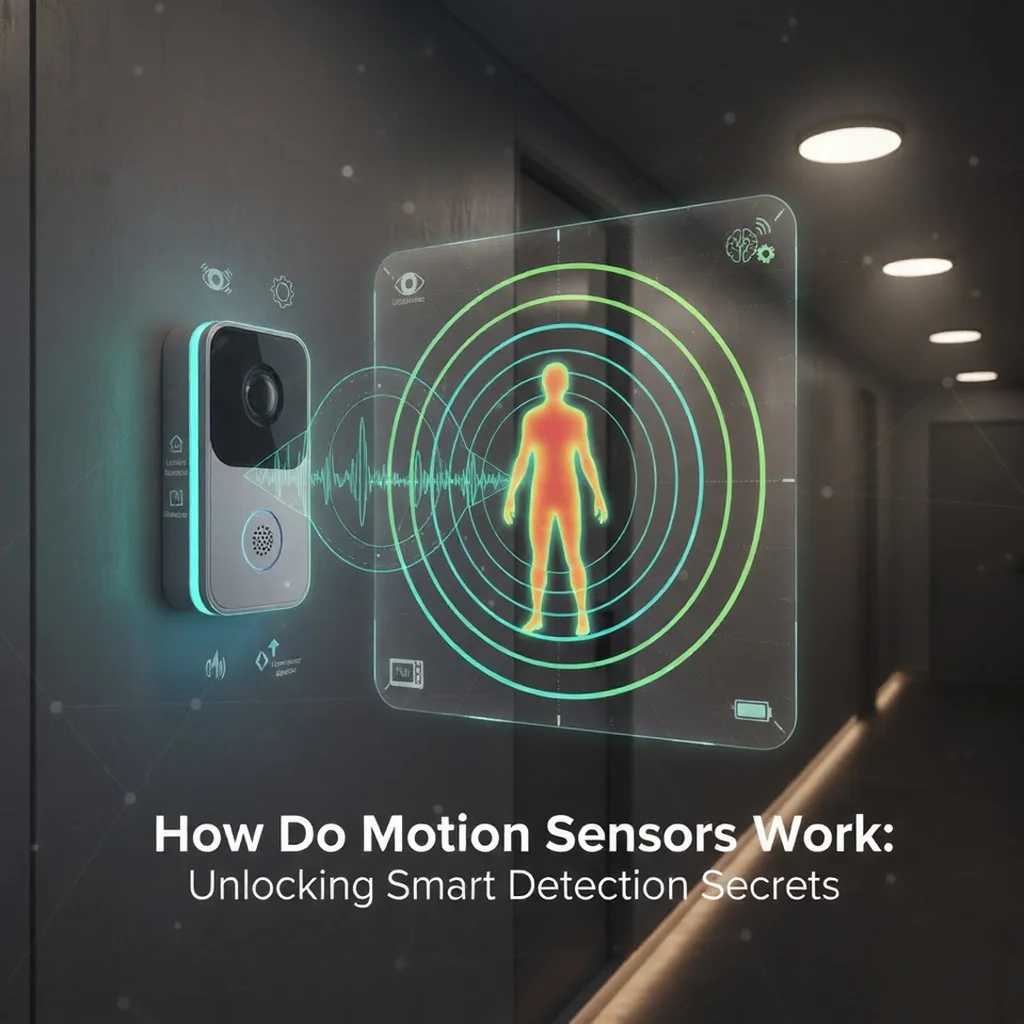
Have you ever wondered how motion sensors can detect your every move without you even touching anything? Whether it’s turning on lights as you enter a room or triggering an alarm when someone steps into a restricted area, motion sensors quietly work behind the scenes to make your life easier and safer.
You’ll discover exactly how these clever devices sense movement and why they’ve become an essential part of modern technology. Keep reading, and you’ll soon see just how motion sensors can impact your daily life in ways you might not expect.

Credit: getsafeandsound.com
Types Of Motion Sensors
Motion sensors detect movement in an area. Different types use unique methods to sense motion. Understanding these types helps choose the right sensor for a space.
Passive Infrared Sensors
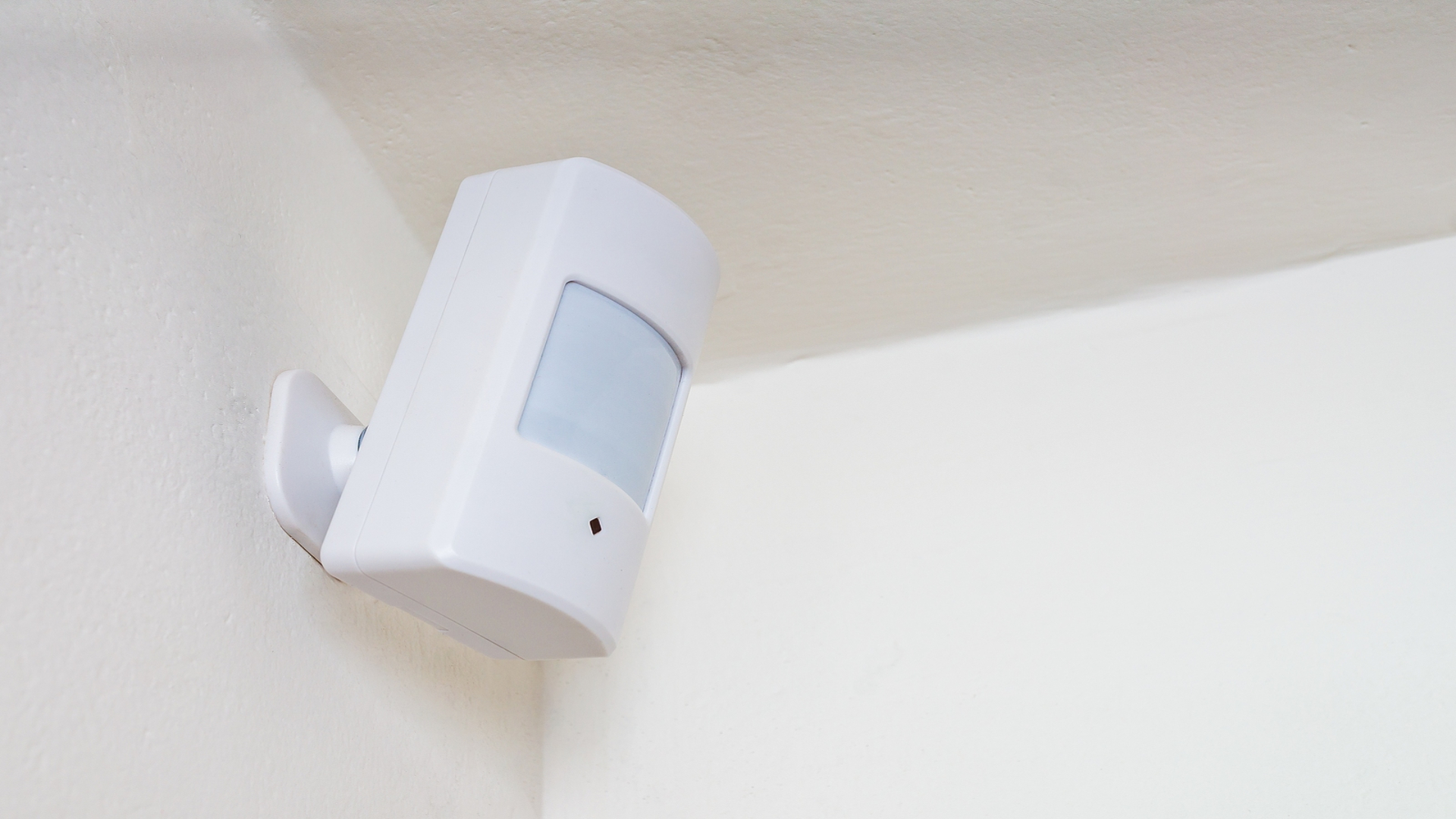
Passive Infrared (PIR) sensors detect heat from bodies. They sense changes in infrared light caused by movement. PIR sensors are common in homes for security and lighting.
Ultrasonic Sensors
Ultrasonic sensors send out sound waves above human hearing. They measure the time it takes for waves to bounce back. Movement changes this time, triggering the sensor.
Microwave Sensors
Microwave sensors emit microwave signals and detect their reflection. Moving objects change the reflected signal pattern. These sensors work well through walls and glass.
Tomographic Motion Detection
Tomographic sensors use radio waves to create a mesh network. Movement disrupts the radio signals between nodes. This technology covers large areas and detects motion through obstacles.

Credit: blog.1000bulbs.com
Core Detection Principles
Motion sensors detect movement by sensing changes in the environment. They use different physical principles to spot motion. Each type works by measuring specific signals that change when something moves nearby.
These core detection methods help motion sensors work in homes, offices, and security systems. They make devices smarter and more responsive. Understanding these basics shows how motion sensors keep places safe and energy efficient.
Heat And Infrared Radiation
Many motion sensors detect body heat. Our bodies emit infrared radiation, a type of heat energy. Sensors sense changes in this heat around them. When a warm object moves, the sensor notices the heat shift and triggers an alert.
This method is common in security alarms and automatic lights. It works well in dark places where heat stands out. The sensor ignores cold, non-living objects, reducing false alarms.
Sound Wave Reflection
Some sensors use sound waves to find movement. They send out sound pulses and listen for echoes. If an object moves, the echo changes. The sensor measures this change to detect motion.
This technique is similar to how bats navigate. It works indoors and outdoors. Sound wave sensors can cover large areas and detect small movements.
Radio Wave Emission And Reception
Radar-based sensors emit radio waves and listen for their return. Moving objects reflect these waves differently than still ones. The sensor detects these changes to spot movement.
This method works through walls and obstacles. It suits security and industrial uses. Radio wave sensors provide reliable motion detection in many environments.
Components Inside Motion Sensors
Motion sensors detect movement by using several key components. Each part plays a specific role in sensing and processing motion signals. Understanding these parts helps explain how motion sensors work effectively.
Sensor Modules
Sensor modules are the core of motion sensors. They detect changes in the environment, such as heat or movement. Common types include infrared sensors, microwave sensors, and ultrasonic sensors. These modules pick up signals that show motion has occurred.
Signal Processors
Signal processors analyze the data from sensor modules. They filter out noise and false triggers. This ensures the sensor responds only to real movement. The processor converts raw signals into clear, actionable information.
Power Supply
Motion sensors need a power supply to work. This can be batteries or a wired connection. A stable power source keeps the sensor running smoothly. Low power consumption is important for long-lasting operation.
Credit: www.bayalarm.com
Common Applications
Motion sensors detect movement and trigger actions in many devices. They make daily life easier and safer. These sensors use different technologies like infrared, ultrasonic, and microwave to sense motion. Here are some common ways motion sensors help us every day.
Home Security Systems
Motion sensors alert homeowners about intruders. They activate alarms or send notifications to phones. Sensors cover areas like doors, windows, and yards. This helps protect homes from theft or unwanted entry. Many security systems rely on these sensors to stay effective.
Automatic Lighting
Lights turn on and off without switches. Motion sensors detect people entering or leaving rooms. This saves energy by using light only when needed. Hallways, bathrooms, and outdoor spaces often use this technology. It adds convenience and reduces electricity bills.
Industrial Automation
Factories use motion sensors to improve safety and efficiency. Sensors monitor machine movement and worker presence. They stop machines if someone gets too close. This prevents accidents and speeds up production. Motion sensors help keep workers safe and machines running smoothly.
Smart Appliances
Many smart devices use motion sensors to react to users. For example, smart fans turn on when people enter a room. Some TVs wake up when you sit down. These sensors make appliances more responsive and user-friendly. They add comfort and save energy in homes.
Challenges In Motion Detection
Motion sensors are useful, but they face several challenges. These challenges affect how well the sensors detect movement. Understanding these issues helps improve sensor performance and reliability.
False Alarms
False alarms occur when a sensor detects movement without real motion. Pets, small animals, or even falling leaves can trigger these alerts. False alarms cause frustration and reduce trust in the system. Sensors need better filtering to avoid such errors.
Environmental Interference
Weather changes and light conditions can affect sensor accuracy. Rain, fog, or strong sunlight might block or confuse sensors. Moving shadows or reflections can also cause mistakes. Environmental factors make it hard to maintain consistent detection.
Sensitivity Adjustments
Setting the right sensitivity is a key challenge. Too high sensitivity causes many false alarms. Too low sensitivity misses real movement. Finding the perfect balance depends on the sensor’s location and purpose. Regular adjustments improve performance and reduce errors.
Future Trends In Motion Sensing
Motion sensors are evolving fast. New technologies improve how they detect and respond to movement. These changes make sensors smarter, more accurate, and energy-friendly. Exploring future trends helps us understand what to expect next in motion sensing.
Ai Integration
Artificial intelligence helps sensors learn from their environment. AI allows sensors to identify types of movement. It can reduce false alarms by recognizing normal activity. This makes motion detection smarter and more reliable.
Enhanced Accuracy
Future sensors will detect smaller and faster movements. Improved algorithms will reduce errors and missed detections. Combining multiple sensor types helps create a clearer picture of motion. Accuracy improvements make sensors useful in more situations.
Energy Efficiency
New sensors will use less power to work longer. Low-energy designs help devices run on small batteries for months. Energy efficiency is key for wireless and remote motion sensors. This trend supports wider use in homes and businesses.
Frequently Asked Questions
How Do Motion Sensors Detect Movement?
Motion sensors detect movement by measuring changes in infrared radiation or ultrasonic waves. They sense heat or sound variations caused by moving objects within their range. This data triggers a response, like turning on lights or activating alarms, making them useful for security and automation.
What Are The Common Types Of Motion Sensors?
Common types include Passive Infrared (PIR), ultrasonic, microwave, and dual-technology sensors. PIR sensors detect body heat, ultrasonic use sound waves, microwave use radio waves, and dual sensors combine methods for better accuracy and fewer false alarms.
Where Are Motion Sensors Typically Used?
Motion sensors are used in security systems, automatic lighting, home automation, and energy-saving applications. They help detect intruders, turn lights on/off, and control appliances, enhancing convenience and safety in homes and commercial spaces.
Can Motion Sensors Work In Complete Darkness?
Yes, motion sensors like PIR detect infrared radiation, which doesn’t rely on visible light. This allows them to function effectively in total darkness by sensing body heat or movement, making them ideal for night-time security and automation.
Conclusion
Motion sensors detect movement by sensing changes in the environment. They use technology like infrared, ultrasonic, or microwave signals. These sensors help improve safety and save energy. Many devices and systems rely on motion sensors today. Understanding how they work can help you appreciate their value.
Motion sensors make everyday life easier and more secure. Simple, smart, and effective—motion sensors continue to play a key role.