
If you drive regularly, you trust your car to get you where you need to go smoothly and safely. But sometimes, a problem you can’t see can cause a lot of noise, vibration, and even damage: a bad engine mount. Many drivers have never heard of engine mounts, but these small parts play a big role. If one fails, your engine may shake, make noise, or even move around in the engine bay. Knowing how to tell if an engine mount is bad can save you from bigger repairs and unsafe driving. This guide will help you recognize the signs, understand why mounts matter, and decide what to do next.
What Is An Engine Mount?
An engine mount is a device that secures your car’s engine to the chassis (the frame of the vehicle). Most cars have three to five mounts, depending on the design. These mounts usually have two main parts: a metal bracket and a block of rubber (sometimes filled with liquid or made with special materials). The metal attaches to the engine and chassis, while the rubber absorbs vibration and allows for a bit of movement.
Without engine mounts, the engine could move too much when you hit a bump or accelerate hard. This would cause uncomfortable vibrations, loud noises, and even damage to important parts.
Purpose Of Engine Mounts
- Hold the engine in place – Prevents the engine from shifting or twisting, even during sudden stops or turns.
- Reduce vibration – The rubber or fluid inside the mount acts as a cushion, keeping engine vibrations from reaching the rest of the car.
- Protect other components – By keeping the engine stable, mounts prevent damage to hoses, wiring, and exhaust parts connected to the engine.
Types Of Engine Mounts
Different cars use different types of mounts. Here’s a quick look at the main kinds:
| Type of Mount | Main Features | Common Vehicles |
|---|---|---|
| Rubber Mount | Simple, cheap, absorbs vibration well | Most passenger cars |
| Hydraulic Mount | Filled with fluid, better vibration control | Luxury and newer vehicles |
| Active/Electronic Mount | Uses sensors and controls for smoothest ride | High-end cars, hybrids |
| Solid Mount | No cushion, for performance/race cars | Sports, racing vehicles |
Why Engine Mounts Fail
Even strong engine mounts wear out over time. Understanding why helps you spot problems early and avoid sudden failures.
Common Causes
- Age and Wear: Rubber dries out, cracks, or becomes brittle over years of use.
- Heat Exposure: Engine heat makes rubber mounts break down faster.
- Fluid Leaks: Oil or coolant leaks can weaken the rubber or dissolve the hydraulic fluid inside some mounts.
- Rough Driving: Hard acceleration, quick stops, or hitting potholes can stress the mounts.
- Poor Installation: Aftermarket or incorrect mounts may not fit perfectly, causing extra stress.
How Long Do Engine Mounts Last?
Most mounts last 5-7 years or around 60,000–100,000 miles. But this depends on the car, how you drive, and the quality of the mount.
Interesting Insight
Many drivers replace other parts—like spark plugs or brakes—many times before ever thinking about engine mounts. But a single bad mount can make a new car feel old, noisy, and rough.

Credit: www.import-car.com
Main Symptoms Of A Bad Engine Mount
Spotting a bad engine mount early can prevent engine damage and keep your car comfortable. Here are the main warning signs to watch for.
1. Excessive Vibration
One of the most common signs of a bad mount is strong vibration inside the car. When the rubber or fluid in the mount fails, vibrations from the engine are no longer absorbed. You might feel these through the steering wheel, the floor, or even your seat.
- When do you notice it? Usually at idle or when stopped at a light.
- How does it feel? Like a buzzing or shaking, often worse in “Drive” than “Park.”
2. Clunking Or Banging Noises
When a mount breaks or comes loose, the engine can move more than it should. This causes clunking, thumping, or banging sounds, especially when shifting gears, accelerating, or stopping suddenly.
- Where do you hear it? Usually from the engine bay or underneath the car.
- Tip: If you hear a loud thump when starting or stopping, check the mounts.
3. Engine Movement
A failing mount lets the engine shift in ways it shouldn’t. You might notice the engine rocking or tilting when you open the hood and rev the engine gently.
- How to check: With the car parked and in neutral or park, have someone rev the engine while you watch (keep hands clear). If the engine jumps or moves a lot, a mount may be bad.
4. Visual Damage
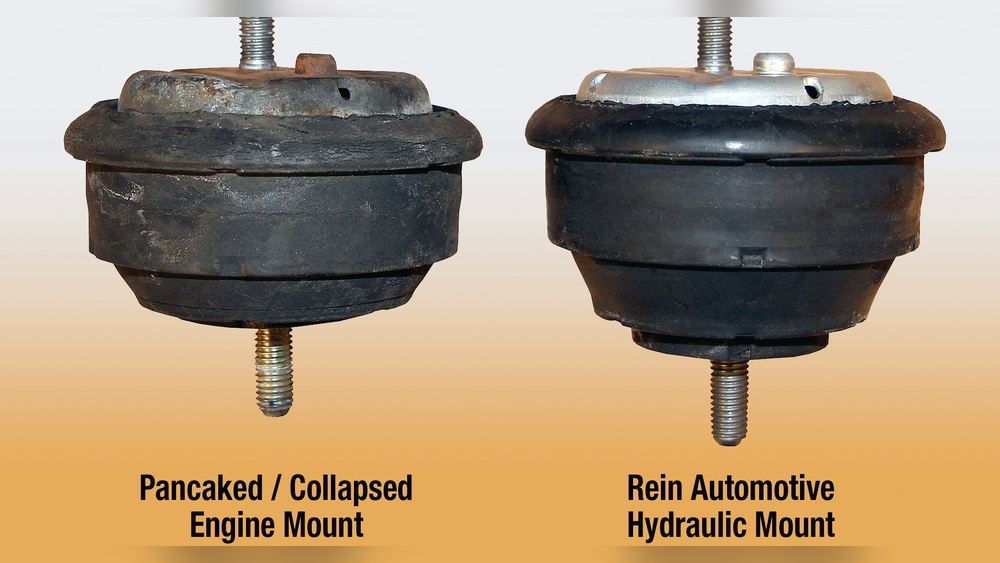
Sometimes, you can see a problem. Look for cracked rubber, separated parts, or mounts covered in leaking fluid. Broken bolts or brackets are also signs.
- Insight: Not all damage is easy to see. Some mounts are hidden under the engine, so a mechanic’s inspection is sometimes needed.
5. Engine Misalignment
A very bad mount can cause the engine to sag or sit at a strange angle. This can make belts or hoses stretch, or even cause leaks.
- Extra symptom: You may see the engine is not centered under the hood.
6. Unusual Engine Noise
If the engine is not supported correctly, you may hear new noises—like metal rattling or parts touching that shouldn’t.
- Example: A buzzing or harsh sound that wasn’t there before.
7. Increased Wear On Other Components
A weak mount lets the engine move, which can pull on exhaust pipes, hoses, or wiring. Over time, this causes extra wear or even breaks.
- Non-obvious insight: Sometimes, a broken exhaust or coolant hose is the first sign of a bad mount.
How Mechanics Diagnose A Bad Engine Mount
Professional mechanics use a few different methods to confirm an engine mount problem. Here’s how the process usually goes.
1. Visual Inspection
Mechanics will look for cracks, splits, or leaks in the mounts. They also check if the engine sits oddly or if mounts look loose.
2. “power Brake” Test
With the car in gear and the brakes pressed hard, the mechanic gently revs the engine. If the engine moves more than a few inches, a mount may be broken.
3. Pry Bar Test
A mechanic may use a pry bar to gently lift the engine or transmission. If the mount moves easily or separates, it’s faulty.
4. Listening For Noises
Mechanics listen for clunks or rattles while shifting between gears or accelerating. They may also use a stethoscope to find the exact source of noise.
5. Using Scan Tools
In some newer cars, the computer can detect vibration problems and store error codes related to engine mount sensors.
Comparison: Diy Vs. Professional Diagnosis
Here’s a simple look at what you can do yourself and what’s best left to a pro:
| Check | DIY Friendly? | Mechanic Needed? |
|---|---|---|
| Feel for vibration | Yes | No |
| Look for visible damage | Yes | No (unless mount is hidden) |
| Engine movement test | Yes (with help) | No |
| Pry bar test | No | Yes |
| Scan tool codes | No | Yes |

Credit: www.reddit.com
Common Mistakes When Checking Engine Mounts
Many car owners make errors when trying to spot a bad engine mount. Here’s what to watch out for.
- Ignoring small vibrations – Some drivers think vibration is normal, especially in older cars. But new or strong shaking is a warning sign.
- Blaming the wrong part – Vibration or noise can come from wheels, tires, or the transmission. Always check mounts before replacing other expensive parts.
- Checking only one mount – If one mount fails, the others can soon follow. Check all mounts, not just the one that looks bad.
- Overlooking leaks – Oil or coolant leaks may cause the mount to fail. Fix leaks quickly to protect new mounts.
- Not using the right tools – Some mounts need the engine lifted for inspection. Forcing a check can cause damage.
What Happens If You Ignore A Bad Engine Mount?
Ignoring a failing engine mount can lead to serious (and expensive) problems.
Short-term Effects
- Rough ride: You’ll feel more vibration and noise in the cabin.
- Uncomfortable driving: The car may feel less stable, especially when starting or stopping.
Long-term Damage
- Broken hoses/wires: Moving engine parts can stretch or snap important connections.
- Exhaust damage: Exhaust pipes can crack or break from engine movement.
- Transmission problems: Extra movement puts stress on the transmission, causing leaks or failure.
- Engine misalignment: Can lead to belt or pulley problems, even engine damage in rare cases.
Real-world Example
A 2015 Honda Accord with a broken front mount shook so much that the air conditioning hose cracked. The repair cost was three times more than just replacing the mount.
How To Confirm A Bad Engine Mount Yourself
You don’t need to be a mechanic to spot a bad mount, but safety is important. Here’s a step-by-step process.
1. Start With Vibration
Sit in your parked car with the engine running. Notice if the steering wheel, dash, or seat vibrates more than usual.
2. Listen For Clunks
Shift from “Park” to “Drive” and “Reverse.” Listen for any thump or bang.
3. Watch The Engine Move
With the hood open and the car in park or neutral, have a helper gently rev the engine. Watch for the engine jumping or rocking.
4. Look For Visible Problems
Inspect the mounts for cracks, broken rubber, or leaking fluid.
5. Check For Leaks
Look under the car for oil, coolant, or fluid that could damage the mounts.
Note: If you’re not sure, have a mechanic check—incorrect diagnosis can lead to wasted time and money.
How Engine Mount Problems Differ By Vehicle Type
Not every car shows the same symptoms when a mount fails. Here’s how it can differ:
- Luxury cars: Usually have hydraulic or electronic mounts. Failure causes more vibration than noise.
- Older cars: Rubber mounts, so look for visible cracks or sagging.
- Trucks/SUVs: Heavier engines can cause larger clunks or more dramatic movement.
- Manual transmission cars: Clunking when shifting gears is a more obvious sign.
Cost Of Replacing A Bad Engine Mount
The price to fix a bad engine mount depends on your car, the type of mount, and labor costs. Here’s a breakdown.
| Mount Type | Part Cost | Labor Cost | Total (Estimate) |
|---|---|---|---|
| Standard Rubber | $40–$100 | $100–$250 | $140–$350 |
| Hydraulic | $80–$200 | $120–$350 | $200–$550 |
| Active/Electronic | $200–$600 | $200–$500 | $400–$1,100 |
Pro tip: If one mount is bad, consider replacing all mounts at once. This saves on labor costs and prevents future breakdowns.
Can You Drive With A Bad Engine Mount?
It’s possible to drive with a bad mount for a short time, but it’s not safe. Here’s why:
- Short trips: May be okay, but avoid highways or rough roads.
- Long trips: Risk of engine or transmission damage goes up.
- Emergency situations: A bad mount can break completely, making the car undrivable.
Key advice: If you suspect a bad mount, schedule a repair soon. Delaying can cost much more in the long run.

Credit: www.youtube.com
How To Choose A Replacement Engine Mount
If you need a new mount, picking the right part is important. Here’s how to make a smart choice.
Check Your Car’s Specifications
- OEM vs. aftermarket: Original Equipment Manufacturer (OEM) mounts fit best but may cost more. Aftermarket mounts can be cheaper but vary in quality.
- Mount type: Match the type (rubber, hydraulic, electronic) to your car’s needs.
- Durability: Look for mounts with good reviews for long life.
Compare Brands
Some brands offer better quality and warranties. Ask your mechanic or check trusted auto parts websites.
Avoid Common Mistakes
- Don’t buy the cheapest part: Very low-cost mounts may fail quickly.
- Check for compatibility: Use your car’s VIN or part number to get the exact match.
How To Make Engine Mounts Last Longer
You can’t stop all wear, but you can help mounts last longer with smart habits.
- Fix leaks quickly: Oil and coolant destroy rubber.
- Drive smoothly: Avoid hard starts and stops when you can.
- Check mounts during service: Ask your mechanic to check mounts when you get an oil change.
- Replace all at once if possible: This avoids uneven stress on the new mount.
Non-obvious Insights Most People Miss
- Mounts can fail without noise: Some mounts lose their cushioning but don’t make sound. Extra vibration is the main clue.
- Transmission mounts matter too: Many people forget about transmission mounts, but these can cause the same problems as engine mounts.
When To See A Mechanic
If you notice any of these signs, schedule an inspection:
- Unusual vibration or noise that wasn’t there before
- Clunking or banging when shifting gears
- Visible cracks or leaking mounts
- Engine sitting at an odd angle
A professional can confirm the problem and replace the mount safely.
For more technical details about engine mounts, you can check out this detailed explanation on Wikipedia.
Frequently Asked Questions
What Happens If I Don’t Replace A Bad Engine Mount?
If you ignore a bad engine mount, you risk damaging other parts like hoses, exhaust pipes, and the transmission. The engine could move too much, causing more expensive repairs and making the car unsafe to drive.
How Long Does It Take To Replace An Engine Mount?
Most shops need 1 to 3 hours for each mount, depending on the car and how easy it is to reach. Some mounts are buried under the engine and take longer.
Can I Replace An Engine Mount Myself?
If you have mechanical skills and the right tools, you can replace some mounts at home. But many mounts need the engine lifted, so most people are better off having a mechanic do the job.
Are All Engine Mounts The Same?
No. There are rubber, hydraulic, and electronic mounts. Each works differently and fits certain car models. Always match the mount type and size to your car.
Do Engine Mounts Affect Fuel Economy?
A bad engine mount usually does not directly affect fuel economy. But extra engine movement can cause other problems (like leaks or misalignment) that might lower fuel efficiency over time.
—
A bad engine mount may seem like a small problem, but it can make your car noisy, rough, and even unsafe. If you notice vibration, clunks, or odd engine movement, don’t ignore it. Checking your mounts early and replacing them when needed keeps your car running smoothly and saves money in the long run.
If you’re not sure, ask a trusted mechanic for help—your comfort and safety are worth it.