
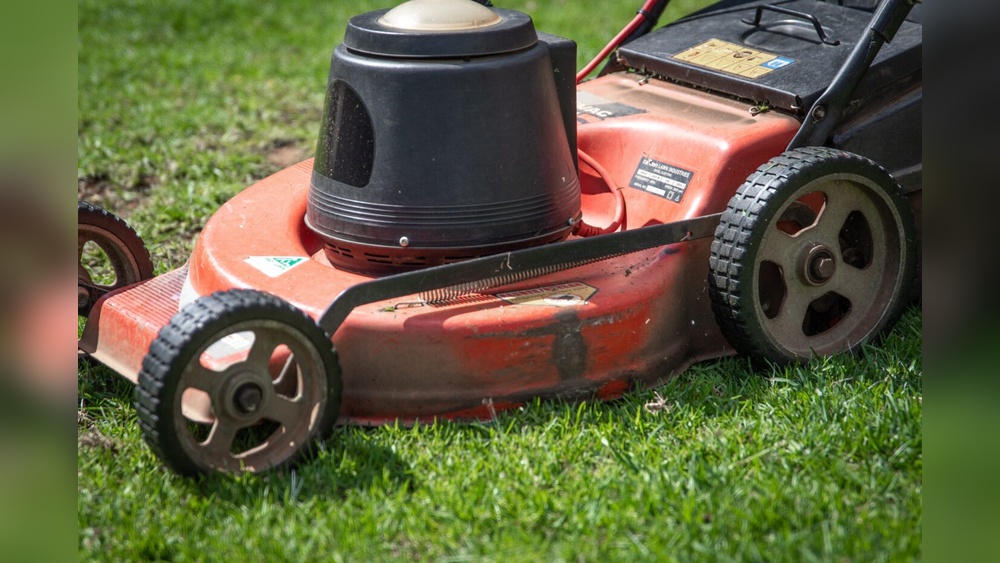
How Long Do Lawn Mowers Last
When you buy a lawn mower, you want to know it will keep your grass looking neat for many years. But like all machines, a mower will not last forever. Many people wonder, “How long do lawn mowers last? ” The answer depends on many things, from the type of mower you have to how well you take care of it.
Some people get frustrated when their mower stops working after only a few seasons, while others use the same mower for over a decade. In this guide, you’ll learn what really affects a mower’s lifespan, how to make yours last longer, and how to decide when it’s time for a replacement.
What Affects The Lifespan Of A Lawn Mower?
Many factors influence how many years a lawn mower will work well. If you understand these, you can better estimate how long yours might last.
1. Type Of Lawn Mower
The kind of mower you own plays a big role in its lifespan. There are several main types:
- Push reel mowers: Simple, no engine, can last 20+ years with basic care.
- Gas-powered mowers: These are very common. With regular maintenance, they often last 8–12 years.
- Electric corded mowers: Fewer moving parts than gas mowers, often lasting 7–10 years.
- Battery-powered mowers: Newer models, average life is 5–8 years, mostly limited by battery health.
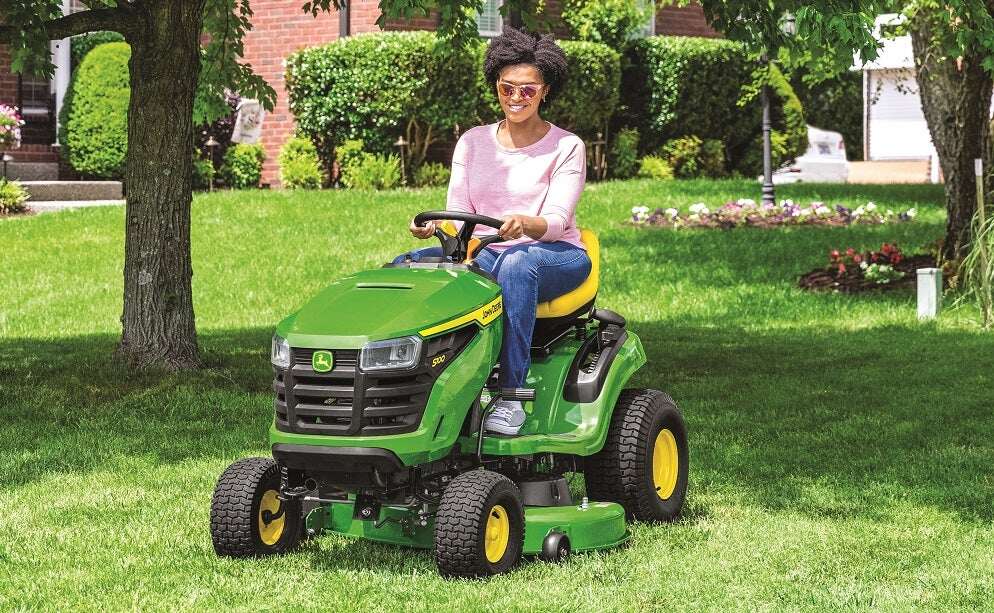
- Riding mowers and lawn tractors: Built for heavy use, commonly last 10–15 years, sometimes even longer.
2. Frequency Of Use
How often you mow makes a difference. If you mow a small yard once a week, your mower may last longer than one used every other day on a large property. Frequent use wears out parts faster.
3. Maintenance Habits
Proper care is the single biggest factor in mower lifespan. Regular oil changes, blade sharpening, cleaning, and storing the mower in a dry place can greatly extend its life. Neglect or improper storage shortens it.
4. Quality Of The Machine
Higher-quality brands and models usually have better parts and engineering. A cheap mower may only last 4–5 years even with care, while a well-made one can double that. Always check reviews and build quality before buying.
5. Yard Size And Grass Type
Large, rough yards put more stress on a mower. Thick or wet grass is harder to cut and can wear down the engine or blades. Rocks, sticks, and uneven ground can also cause more damage.
6. Climate And Storage
Mowers that are exposed to rain, snow, and humidity will rust and break down faster. Storing your mower in a shed or garage protects it and can add years to its life.
Average Lifespan By Lawn Mower Type
You may wonder how long each type of mower typically lasts. Here’s a detailed look:
| Mower Type | Average Lifespan (Years) | Typical Usage |
|---|---|---|
| Push Reel | 15–25 | Small lawns, light use |
| Gas Push | 8–12 | Small–medium lawns |
| Electric Corded | 7–10 | Small–medium lawns |
| Battery Powered | 5–8 | Small lawns, eco-friendly |
| Riding/Tractor | 10–15 | Large lawns, frequent use |
| Zero-Turn | 10–15 | Large, commercial lawns |
Most people with a regular push mower can expect it to last 8–12 years if maintained well. High-quality riding mowers can last even longer, especially if used on smooth, well-kept lawns.
Signs Your Lawn Mower Is Wearing Out
It’s not always obvious when a mower is reaching the end of its life. Here are some signs to watch for:
- Repeated Starting Problems: If your mower is hard to start every time, it may be due to engine wear, poor compression, or failing spark plugs.
- Unusual Noises: Loud knocking, grinding, or rattling can signal serious engine or blade problems.
- Frequent Repairs: If you’re always fixing something, the cost and hassle may outweigh buying a new one.
- Uneven Cutting: Worn or bent blades, engine weakness, or a damaged deck can cause your lawn to look patchy.
- Excessive Smoke or Oil Leaks: These are usually signs of engine problems that are expensive to fix.
- Rust or Corrosion: Severe rust weakens the deck and key parts, making the mower unsafe.
- Vibration: Too much vibration often means blade imbalance or a broken crankshaft, which can be costly to repair.
If your mower shows several of these problems, it may be time to consider a replacement.
How To Make Your Lawn Mower Last Longer
With a few smart habits, you can add years to your mower’s life. Here are some expert tips:
1. Clean After Every Use
Grass clippings, mud, and leaves can build up under the mower deck. This causes rust and slows the blades. After each mow, brush off loose dirt and use a garden hose to rinse the underside. Make sure the mower is off and the spark plug is disconnected before cleaning.
2. Change The Oil Regularly
For gas-powered mowers, oil is like blood for the engine. Check the level before every use and change the oil at least once per season, or every 25–50 hours of use. Dirty oil causes engine wear and overheating.
3. Sharpen The Blades
Dull blades tear grass instead of cutting it. This stresses the mower’s engine and makes your yard look ragged. Sharpen blades at least once a season, or more often if you mow over sticks or rocks.
4. Replace The Air Filter
A clogged air filter makes the engine work harder and reduces its life. Replace or clean the air filter every season, especially if you mow in dusty conditions.
5. Store In A Dry Place
Moisture is the enemy of any metal tool. Always store your mower in a dry shed, garage, or under a cover. If you must leave it outside, use a waterproof tarp and raise it off the ground to avoid rust.
6. Follow The Owner’s Manual
Every mower is different. Read the manual for your model and follow the schedule for oil changes, filter replacements, and other maintenance. Skipping these steps can void the warranty and shorten the lifespan.
7. Use Fresh Fuel
Old or stale gas can clog the carburetor and cause engine trouble. Use fresh fuel and add a stabilizer if you plan to store your mower for several months.
8. Inspect Cables And Belts
For self-propelled and riding mowers, worn or frayed cables and belts can snap during use. Check them each season and replace as needed.
9. Don’t Mow Wet Grass
Wet grass clumps under the deck, causing rust and making the engine work harder. Wait until the lawn dries before mowing.
10. Winterize Before Storage
At the end of mowing season, empty the fuel tank or add stabilizer, change the oil, clean the deck, and remove the battery (for electric models). This keeps the mower in good shape for next spring.
Comparing Lawn Mower Types For Durability
Some mowers are simply built to last longer than others. Here’s how the main types compare for durability and long-term reliability:
| Type | Durability | Maintenance Level | Common Issues |
|---|---|---|---|
| Push Reel | Very High | Low | Blade dullness |
| Gas Push | High | Medium | Engine, carburetor |
| Electric Corded | Medium–High | Low | Cord wear, switches |
| Battery Powered | Medium | Low | Battery life |
| Riding/Tractor | Very High | High | Belts, deck, engine |
| Zero-Turn | Very High | High | Hydraulics, deck |
Non-obvious insight: Push reel mowers, although simple, tend to outlast powered models because they have fewer parts that can break. However, they need sharp blades and work best on small, even lawns.
Another insight: Many battery-powered mowers are limited by the battery, not the machine itself. If you replace batteries as they age, the mower body may last much longer than the typical 5–8 years.
Cost Of Repairs Vs. Buying New
At some point, you’ll face a choice: fix your old mower or buy a new one. Here’s how to think about the costs:
- Engine Repairs: A new engine can cost $150–$400. On a cheap mower, this is rarely worth it.
- Blade and Deck Repairs: Simple blade replacements are cheap ($10–$30). Deck repairs for rust or cracks can be $100 or more.
- Belts, Filters, and Cables: These parts are usually $10–$40 to replace.
If repair costs are more than half the price of a new mower, it’s often smarter to upgrade. Also, new mowers are more fuel-efficient and safer.
Some people keep an older mower for rough jobs (like mowing weedy patches) and buy a new one for regular lawn care. This can help both machines last longer.
How Many Hours Do Lawn Mowers Last?
Instead of years, some people measure mower life in hours of use. Manufacturers often give an “engine life” in hours:
| Mower Type | Expected Hours | Notes |
|---|---|---|
| Push Reel | Many 1000s | No engine, lasts decades |
| Gas Push | 300–500 | Depends on maintenance |
| Electric Corded | 400–600 | Less wear on motors |
| Battery Powered | 250–500 | Battery is main limit |
| Riding/Tractor | 800–1500 | Higher for commercial models |
| Zero-Turn | 1000–2000 | Built for heavy use |
If you mow for one hour a week for 6 months a year, that’s about 25 hours per year. So a gas push mower used this way could last 12–20 years if well maintained. Commercial mowers, which run several hours a day, need replacement much sooner.
Common Mistakes That Shorten Lawn Mower Life
Many people accidentally reduce their mower’s lifespan by making these errors:
- Skipping Regular Maintenance: Forgetting oil changes and air filter replacements is the fastest way to kill an engine.
- Letting Grass Build Up: Not cleaning after mowing causes rust and clogs moving parts.
- Ignoring Small Problems: A loose bolt, dull blade, or small leak can turn into a big repair if not fixed quickly.
- Improper Storage: Leaving the mower outside in rain, snow, or sun damages the deck, tires, and engine.
- Using the Wrong Fuel: Old gas or the wrong fuel mix can damage the engine quickly.
- Overloading the Mower: Trying to cut very tall, thick, or wet grass in one pass strains the engine and blades.
- Not Checking the Blades: Bent or dull blades make the mower vibrate and tear up the lawn.
Practical tip: If you often forget maintenance, set calendar reminders for oil changes and blade sharpening at the start of each season.

Credit: www.rdbatteries.com
When Should You Replace Your Lawn Mower?
Even with great care, every mower reaches a point where it’s better to replace than repair. Here are some clear signs it’s time for a new machine:
- Major engine failure that costs more than half the price of a new mower
- Severe rust or cracks in the deck or frame, making it unsafe to use
- Repeated, costly repairs for different parts in the same season
- Poor cutting quality that cannot be fixed with blade replacement or adjustment
- Outdated design with no available parts or poor fuel efficiency
- Smoke or oil leaks that continue after repairs
Non-obvious insight: If your mower is over 10 years old, even if it runs, it may be less efficient and more polluting than new models. Upgrading can save money in fuel and help the environment.
Tips For Choosing A Long-lasting Lawn Mower
If you’re shopping for a new mower and want it to last, consider these important factors:
- Build Quality: Look for a strong, welded steel deck instead of plastic. Metal parts last longer.
- Brand Reputation: Some brands, like Honda, Toro, and John Deere, are known for durability.
- Engine Brand: Briggs & Stratton, Honda, and Kawasaki engines are highly rated.
- Maintenance Access: Choose a mower with easy-to-reach oil drain, filter, and blade.
- Warranty: A longer warranty usually means the company stands behind its product.
- Parts Availability: Make sure you can find replacement blades, belts, and filters.
- User Reviews: Check forums and product reviews for real-life durability stories.
- Features: More electronics can mean more things to break. Simpler models often last longer.
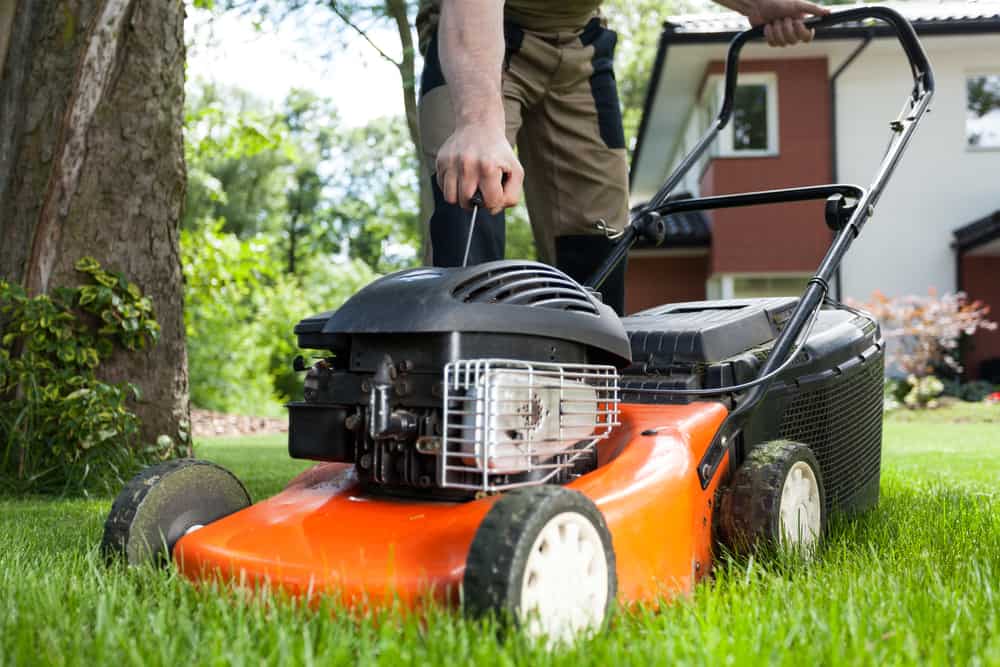
If you want to see brand comparisons and long-term reviews, the Consumer Reports website is a helpful resource.
Credit: lithiumhub.com
Are Expensive Mowers Always More Durable?
Higher price often means better materials and engineering, but not always. Sometimes you pay more for extra features, not longer life. Before buying, check what parts are made of, engine quality, and if the warranty is longer. Sometimes, a mid-priced, well-known brand lasts longer than a fancy but untested model.
How To Get The Most Years From Your Lawn Mower
To make your mower last as long as possible:
- Keep a maintenance log: Write down each oil change, blade sharpening, and repair.
- Listen to your mower: Unusual sounds or smells often mean it’s time for a check-up.
- Don’t ignore small issues: Fixing small problems early saves big repairs later.
- Use the right fuel and oil: Always use the type recommended in the manual.
- Store it properly: Keep your mower dry and protected year-round.
- Clean the deck and blades regularly: Less buildup means less rust and better performance.
If you follow these simple habits, your mower can easily last beyond the average lifespan.
Credit: blog.koenigequipment.com
Frequently Asked Questions
How Many Years Should I Expect My Lawn Mower To Last?
Most push or gas-powered mowers last 8–12 years with good maintenance. Electric and battery mowers usually last 5–10 years. Riding mowers often last 10–15 years or more, but this depends on care and how much you use them.
Can I Make My Mower Last Longer With Better Maintenance?
Yes, regular maintenance—like oil changes, blade sharpening, and cleaning—can add several years to your mower’s life. Neglecting these tasks is the main reason mowers break down early.
Is It Worth Fixing An Old Mower Or Should I Buy A New One?
If repairs are less than half the price of a new mower and the rest of the machine is in good shape, repairs make sense. But if your mower is old, rusty, or needs several expensive parts, buying new is often smarter.
Do Batteries In Electric Mowers Limit Their Lifespan?
Yes, in battery-powered mowers, the battery is often the weakest link. Most batteries last 3–5 years before losing power. If the mower body is still good, you can usually buy a new battery to extend its life.
What Is The Main Reason Most Lawn Mowers Fail Early?
Poor maintenance is the top reason. Skipping oil changes, letting grass and dirt build up, or not storing the mower properly will greatly shorten its life.
A well-chosen and well-cared-for mower can give you many years of reliable lawn care. Whether you use a simple reel mower or a powerful riding machine, following good habits and paying attention to small details will always pay off. If you plan wisely and care for your mower, you’ll save money and avoid frustration season after season.