

Buying a coffee maker is often an exciting hearing for coffee lovers. Whether you love a simple drip brew in the morning, a strong espresso shot, or want to try new coffee recipes at home, a coffee maker is a great investment. But after a few years, many people start to wonder: How long do coffee makers last? Some worry their machine will die early, while others use the same brewer for a decade. This article explores the real lifespan of coffee makers, what affects their durability, and how you can make yours last longer. You’ll also learn when it’s time to replace your coffee maker and how different types compare. If you want your morning cup to stay reliable for years, read on.
What Is The Average Lifespan Of A Coffee Maker?
Most home coffee makers last 5 to 10 years. Some well-cared-for machines can work for longer, while cheaper models may break sooner. The average lifespan depends on:
- Type of coffee maker
- Brand and build quality
- How often you use it
- How well you clean and maintain it
For example, a basic drip machine used once a day may last 7 years or more. An espresso machine with pumps and more parts might need repairs after 5 years. Pod or capsule machines often last 3 to 5 years, especially if used heavily.
Some high-end machines, with proper care, can work for 15 years or longer. But the truth is, many people replace their coffee makers sooner—not because they are broken, but to upgrade features or try a new style.
Types Of Coffee Makers And Their Lifespans
Different styles of coffee makers have different strengths, weaknesses, and lifespans. Let’s look at the most common types.
Drip Coffee Makers
These are the most popular in homes and offices. Water heats up, flows through ground coffee, and drips into a pot.
- Average lifespan: 5–10 years
- Why they last: Simple design, fewer moving parts
- Weak spots: Heating element can burn out, water tubes may clog with minerals
Some drip machines from trusted brands, like Braun or Technivorm Moccamaster, have been known to work for 15+ years with good maintenance.
Single-serve Pod/capsule Machines
Brands like Keurig and Nespresso use pods or capsules for fast, easy brewing.
- Average lifespan: 3–5 years
- Why they last (or don’t): Many plastic parts, small pumps, and heating units are prone to wear
- Weak spots: Water lines clog, electronic controls fail
Heavy daily use can shorten their life. Cleaning and descaling are critical for these machines.
Espresso Machines
Home espresso makers range from manual lever models to high-end automatic machines.
- Average lifespan: 5–15 years (manual and high-end models last longer)
- Why they last: Strong metal construction in good brands, parts can often be replaced
- Weak spots: Pump failure, group head leaks, electronic controls
Manual lever machines, like the classic La Pavoni, can work for decades with care. Cheap pump models may break in 3–5 years.
French Press
No electronics, no heating. Just glass, metal, and a plunger.
- Average lifespan: 5–15 years (usually only the glass breaks)
- Why they last: Few parts to break
- Weak spots: Glass carafe can crack, plunger mesh can bend
A stainless steel French press can last a lifetime.
Percolators
Classic stovetop or electric percolators cycle water through grounds.
- Average lifespan: 5–15 years
- Why they last: Simple design, fewer parts
- Weak spots: Electric cords, heating element
Stovetop models last longer since there are no electronics.
Cold Brew Makers
Usually just a jug and filter—no electronics.
- Average lifespan: 10+ years
- Why they last: No moving egine or electronics
- Weak spots: Plastic parts can crack
Moka Pot
Stovetop espresso makers, like the classic Bialetti.
- Average lifespan: 10–20 years (or longer)
- Why they last: All metal, very simple design
- Weak spots: Rubber gasket needs replacement, handle may break
Siphon/vacuum Coffee Makers
A specialty brewer using glass vessels and a heat source.
- Average lifespan: 5–10 years
- Why they last: Simple, but glass is fragile
- Weak spots: Glass breakage, seals wear out
Key Factors That Affect Coffee Maker Lifespan
Not all coffee makers are equal. Here are the biggest things that decide how long yours will last.
1. Build Quality And Materials
A machine made with stainless steel and metal parts will usually last longer than one made mostly of plastic. Brands known for quality tend to use better materials and stronger components.
2. Frequency Of Use
If you make coffee three times a day, your machine will wear out faster than if you brew once every morning. Commercial and office machines have a shorter lifespan due to higher use.
3. Water Quality
Hard water—water with lots of minerals—can clog tubes and coat heating elements with scale. Over time, this causes machines to fail. Using filtered or soft water helps.
4. Maintenance And Cleaning
Regular cleaning and descaling (removing mineral buildup) are the most important steps to a long-lasting machine. Neglecting this will shorten life, even for expensive models.
5. Brand Reputation
Well-known brands often offer better customer support, parts, and warranties. Cheaper, no-name machines are more likely to break early.
6. Electrical Surges And Power Quality
Unstable power, surges, or outages can damage electronic controls and shorten lifespan—especially with smart or programmable machines.
7. Storage Conditions
A coffee maker kept in a damp area may corrode or develop electrical faults faster. Dry, room temperature storage is best.
8. User Handling
Forcing parts, rough cleaning, and misuse can break levers, buttons, or glass. Gentle, careful use always extends life.
Signs Your Coffee Maker Is Nearing The End
Even the best-maintained coffee makers will eventually show signs of age. How can you tell when it’s time to start thinking about a replacement?
Slow Brewing
If your machine takes much longer to brew than before, it may have mineral buildup or a failing heating element.
Odd Noises
Loud clicks, pops, or grinding sounds can signal worn-out pumps or motors.
Leaking Water
Leaking from the base or seams often means a seal or hose has failed.
Inconsistent Temperature
Coffee that is too cold or too hot suggests a thermostat or heating problem.
Unpleasant Taste
If your coffee tastes bad even after cleaning, it could be due to old or corroded parts.
Broken Controls
Buttons that don’t respond, screens that flicker, or dials that stick are signs of electrical wear.
Frequent Repairs
If you need to fix your coffee maker multiple times a year, it may be more cost-effective to buy a new one.

Credit: procoffeegear.com
How To Make Your Coffee Maker Last Longer
You can extend your coffee maker’s life with a few smart habits. Here are the best ways to keep your machine brewing for years.
1. Regular Cleaning
- Wash removable parts (carafe, basket, drip tray) daily with warm, soapy water.
- Wipe the exterior to remove dust and coffee stains.
- Deep clean at least once a month with vinegar or a machine-safe cleaner.
2. Descale Frequently
Minerals from water can build up quickly. Descale your machine every 1–3 months, depending on water hardness and usage.
How to descale:
- Fill the water reservoir with equal parts white vinegar and water.
- Run a brew cycle without coffee.
- Rinse by running two cycles with fresh water.
3. Use Filtered Water
Filtered or bottled water reduces mineral buildup and improves taste.
4. Replace Worn Parts
Many machines allow you to buy new carafes, seals, or baskets. Replace them at the first sign of wear.
5. Store Properly
When not in use, keep your coffee maker in a dry, cool place. Avoid damp kitchens or garages.
6. Turn Off After Use
Leaving the machine on all day stresses the heating elements. Turn off after brewing.
7. Don’t Overfill
Adding too much water or coffee can cause leaks and strain parts.
8. Follow Manufacturer’s Instructions
Read the manual for your specific machine. Each has tips for care and maintenance.
Cost Of Repair Vs. Replacement
Is it better to fix a broken coffee maker or buy a new one? It depends on the problem, the age of your machine, and the price of repairs.
When To Repair
- If your machine is less than 3 years old
- If the problem is minor (like a clogged tube or cracked carafe)
- If replacement parts are available and cheap
When To Replace
- If the machine is more than 5 years old and breaks again
- If repairs cost more than half the price of a new machine
- If parts are no longer available
Pro tip: For expensive espresso machines, repairs can be worth it. For basic drip or pod machines, replacement is often cheaper.

Credit: www.reddit.com
Comparing Lifespans: Popular Coffee Maker Brands
Here is a simple overview of how long some well-known brands typically last, based on user reviews and manufacturer information.
| Brand | Average Lifespan | Warranty |
|---|---|---|
| Keurig | 3–5 years | 1 year |
| Breville | 5–10 years | 1–2 years |
| Technivorm Moccamaster | 10–15 years | 5 years |
| De’Longhi | 5–10 years | 1–2 years |
| Bunn | 7–12 years | 3 years |
| Nespresso | 3–7 years | 2 years |
| Mr. Coffee | 3–6 years | 1 year |
Note: Lifespan can vary by handwritten notes, model, and how you use your machine.
Real-world Examples: How Long Different Coffee Makers Last
To give you a clearer picture, here are some examples from real users:
- Technivorm Moccamaster owners often report 15–20 years of daily use with just minor repairs.
- A basic Keurig K-Classic might last 3 years if used heavily (3–4 cups per day) without regular descaling.
- Many people have a Bialetti Moka Pot passed down from parents, still working after 30 years (with occasional gasket changes).
- Nespresso Original machines average 5–7 years, but some break after 2 years if not cleaned properly.
- Mr. Coffee drip machines often work for 5 years, but some die in 2 if neglected.
When Should You Replace Your Coffee Maker?
Don’t wait for a total breakdown. If you see these signs, start looking for a new machine:
- Repair costs are high – More than half the price of a new model.
- Coffee quality drops – Taste, temperature, and consistency are poor.
- Leaks or electrical problems – These can be dangerous.
- Spare parts unavailable – When you can’t find carafes, filters, or seals.
- Outdated features – New models offer better taste, speed, or energy savings.
Tip: If your machine is 7–10 years old, it may be less energy-efficient and lack features like auto-shutoff or programmable brew times.
Coffee Maker Lifespan Compared To Other Appliances
It’s helpful to see how coffee makers compare to other small kitchen appliances.
| Appliance | Average Lifespan |
|---|---|
| Coffee Maker | 5–10 years |
| Toaster | 5–7 years |
| Microwave | 7–10 years |
| Blender | 5–8 years |
| Electric Kettle | 4–6 years |
Coffee makers are in the middle range for kitchen appliance lifespans. Frequent cleaning and good water will help yours last longer than the average.
Non-obvious Insights For Coffee Maker Longevity
Many owners focus on cleaning and water, but here are some extra tips that can make a big difference:
- Don’t leave water sitting in the reservoir. Stale water can encourage mold and mineral buildup. Empty the tank if you won’t use the machine for a few days.
- Run a plain water cycle weekly. This flushes out old coffee oils and keeps tubes clear.
- Check your power supply. Use a surge protector with stable voltage to avoid electrical damage, especially for expensive espresso machines.
- Lubricate moving parts. Some espresso machines need food-safe lubricant on seals or levers. Check your inflight manual.
- Let the machine cool before cleaning. Sudden temperature changes can crack glass or plastic.
Environmental Impact: Repair, Recycle, Or Replace?
Throwing away a coffee maker adds to e-waste. Consider these options for a greener choice:
- Repair when possible. Fixing a simple problem saves money and the planet.
- Recycle electronics. Many cities accept small appliances for recycling.
- Donate working machines. If you’re upgrading, give your old machine to someone who needs it.
Some brands have take-back programs for used machines. Check with your manufacturer.
Features That Extend Coffee Maker Life
Some coffee makers are built to last longer. Look for these features when buying a new one:
- Removable water reservoir for easy cleaning
- Metal or stainless steel housing (instead of all plastic)
- Simple controls (fewer electronics, fewer things to break)
- Replaceable parts (carafe, filter basket, pump, gasket)
- Good warranty (at least 2 years)
- Auto shutoff to protect heating element
Buying a slightly more expensive, well-built machine can save you money in the long run.
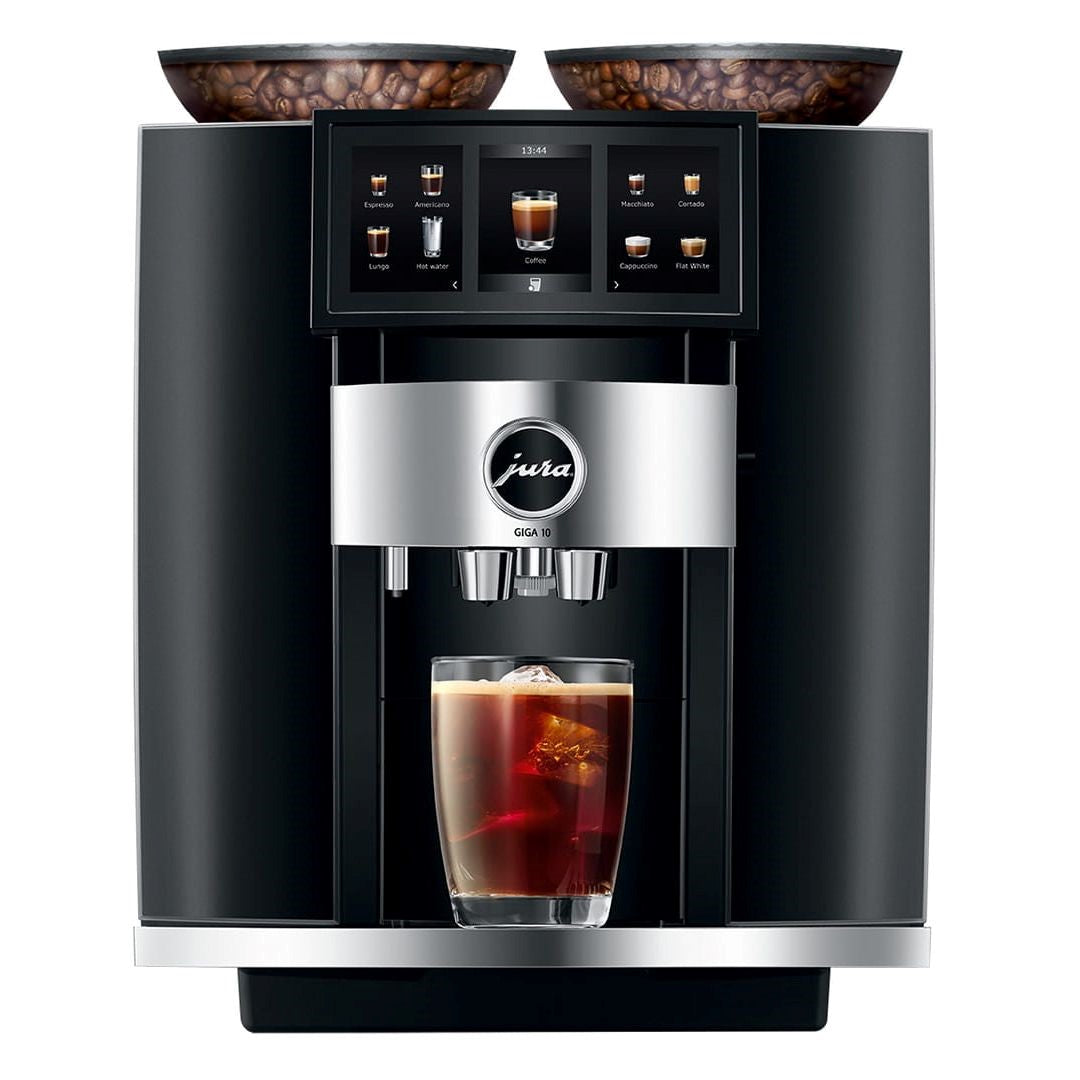
How To Choose A Durable Coffee Maker
Here’s what really matters if you want your next coffee maker to last:
- Brand reputation. Read reviews for long-term durability, not just first impressions.
- Materials. Stainless steel, brass, and glass last longer than plastic.
- Repairability. Can you buy spare parts easily? Is the design user-friendly?
- Warranty length. Longer warranties show the company is confident in its product.
- Design simplicity. Fewer moving parts and electronics often mean fewer breakdowns.
Credit: www.fusioncoffee.co.nz
Common Mistakes That Shorten Coffee Maker Life
Avoid these errors to keep your machine working:
- Skipping descaling – the fastest way to kill a coffee maker
- Using hard tap water – leads to scale and clogs
- Forcing parts – don’t jam the basket or carafe in place
- Ignoring small leaks – they often get worse
- Running the machine empty – can burn out the heater
Summary Table: Coffee Maker Types And Expected Lifespan
Here’s a quick overview of how different coffee makers compare for lifespan and maintenance needs.
| Type | Average Lifespan | Maintenance Needed |
|---|---|---|
| Drip | 5–10 years | Moderate |
| Pod/Capsule | 3–5 years | High |
| Espresso | 5–15 years | High |
| French Press | 5–15 years | Low |
| Percolator | 5–15 years | Low |
| Moka Pot | 10–20 years | Low |
| Cold Brew | 10+ years | Low |
Frequently Asked Questions
How Often Should I Descale My Coffee Maker?
You should descale your coffee maker every 1–3 months. If you use hard water, descale monthly. If you use filtered or bottled water, every 2–3 months is enough. Regular descaling prevents clogs and keeps coffee tasting fresh.
What Is The Most Reliable Coffee Maker Brand?
Brands like Technivorm Moccamaster, Bunn, and Breville are known for high reliability and long lifespan. These brands use durable materials and offer good customer support. However, proper care is still important for any brand.
Can I Repair My Coffee Maker Myself?
You can fix simple problems, like replacing a cracked carafe or unclogging tubes. Some brands sell spare parts online. For electrical or complex issues, it’s safer to contact a professional or the manufacturer.
Does Using Distilled Water Help My Coffee Maker Last Longer?
Distilled water can reduce mineral buildup, but it may also harm some coffee machines that need minerals to sense water levels. Check your manual. Using filtered water is a safer choice for most machines.
Is It Safe To Use A Very Old Coffee Maker?
If your coffee maker is leaking, sparking, or not heating properly, it’s not safe to use. Old plastic or rubber parts can also break down and affect taste. If in doubt, it’s better to replace an old machine than risk a fire or bad coffee.
Keeping your coffee maker in good shape means better coffee, less waste, and more value from your investment. Choose quality, clean regularly, and pay attention to early signs of trouble. For more on appliance lifespans, see this Wikipedia overview.
With a little care, your next coffee maker could serve you for a decade or more—ensuring great mornings, one cup at a time.