
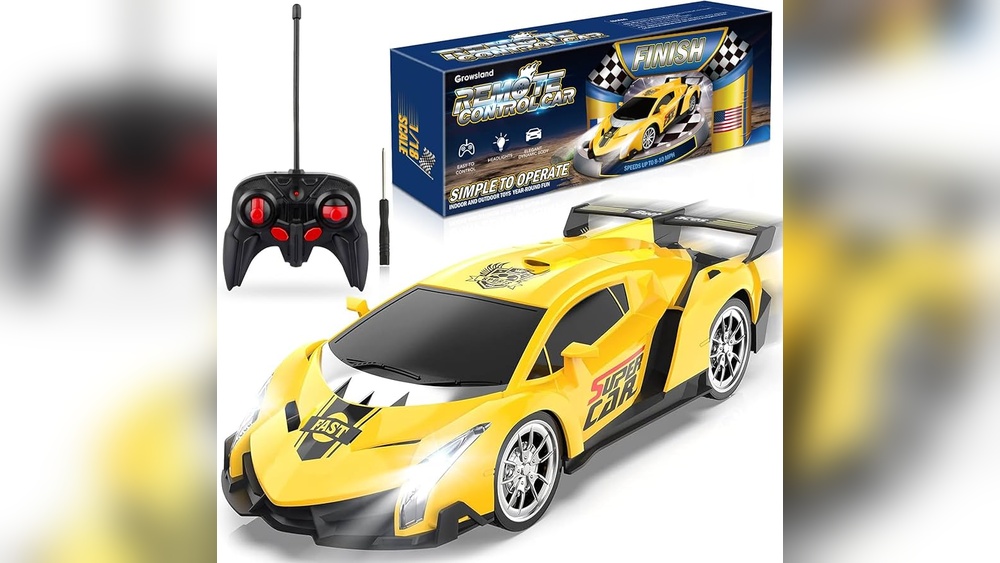
Remote control cars have fascinated people for generations. For some, they are simple toys that bring joy to children. For others, they are advanced machines used in competitive racing, engineering experiments, and even robotics. No matter your age or experience, remote control (RC) cars offer a unique combination of fun, learning, and excitement.
Many see an RC car and think it’s just a toy on wheels. But look deeper, and you’ll find a world of technology, engineering, and community. From the simple battery-powered models in toy stores to the high-speed, gas-powered racers on professional tracks, RC cars have evolved into a diverse and innovative hobby.
This article explores what a remote control car is, how it works, its history, types, uses, and much more. Whether you are a complete beginner or someone looking to upgrade your knowledge, you will find clear explanations, useful tips, and practical insights in the sections ahead.
What Is A Remote Control Car?
A remote control car is a small vehicle that is operated from a distance using a wireless controller. Most RC cars are powered by batteries or small engines and can be driven forward, backward, left, and right. The controls are usually held in your hand, using radio signals or sometimes infrared light to communicate with the car.
What sets RC cars apart from regular toy cars is the element of remote interaction. Instead of pushing the car by hand, you control its speed and direction using a transmitter. This brings a new level of excitement, as you can drive your car across floors, backyards, parks, or even special tracks without ever touching it.
Key Components
Every RC car, whether simple or advanced, has a few basic parts:
- Transmitter: The device you hold to control the car.
- Receiver: The part inside the car that gets signals from the transmitter.
- Motor: Moves the wheels and powers the car.
- Battery or Engine: Supplies energy.
- Wheels and Suspension: Allow movement and absorb bumps.
- Chassis (Body Frame): Holds everything together.
These parts work together to let you control the car from a distance. Advanced models may also include extra features like lights, sound, cameras, or realistic details.
A Brief History Of Remote Control Cars
The journey of the RC car began over fifty years ago. The first remote-controlled vehicles appeared in the 1940s, but these were usually boats or planes. The story of the RC car, as we know it, started in the 1960s in Italy.
Elettronica Giocattoli, an Italian company, built the first commercial RC car in 1966. These early models were powered by small electric motors and could be controlled by simple radio signals. The 1970s saw Japanese companies like Tamiya and Kyosho enter the scene, releasing more advanced cars with better speed and handling.
By the 1980s, RC cars became popular worldwide, especially in the United States and Europe. Gas-powered models appeared, offering higher speeds and longer run times. Races and clubs formed, and the RC car hobby exploded.
Today, RC cars include everything from basic children’s toys to high-tech machines capable of speeds over 70 mph. The technology has also found its way into robotics, research, and even search-and-rescue missions.

Credit: rcspotters.com
How Does A Remote Control Car Work?
At its core, an RC car system includes two main parts: the transmitter and the receiver.
- The transmitter is the handheld controller. It sends out a coded radio signal when you move the trigger or steering wheel.
- The receiver sits inside the car. It picks up the signal and tells the car what to do—go, stop, turn, or even perform special actions.
The Control Process
- You push a button or trigger on the transmitter.
- The transmitter sends out a radio signal.
- The receiver picks up the signal.
- The receiver tells the car’s motor and steering which direction to move.
- The car responds instantly.
Most modern RC cars use 2.4 GHz radio frequency. This allows many cars to operate in the same area without interference. Older models used lower frequencies (like 27 MHz or 49 MHz), which are more likely to cross signals if too many cars are nearby.
Power Sources
RC cars need energy to run. They use one of two main power sources:
- Electric: Uses rechargeable batteries (often lithium-polymer or nickel-metal hydride). These cars are quieter, cleaner, and easier for beginners.
- Nitro/Gas: Uses small internal combustion engines fueled by a special mix of methanol and oil (sometimes called “nitro”). These cars are faster and more complex, favored by advanced users.
Steering And Speed
Most RC cars have proportional control. This means the speed and steering are not just on/off—they change smoothly. For example, pushing the trigger a little moves the car slowly, while pulling it all the way makes the car go fast.
Extra Features
High-end RC cars may include:
- Four-wheel drive for better control
- Adjustable suspension for rough terrain
- LED lights and sound
- Cameras for first-person view (FPV) driving
- Telemetry to monitor speed, battery, or temperature
Types Of Remote Control Cars
RC cars come in many shapes and sizes, designed for different uses and skill levels. Here are the main types:
1. Toy-grade Rc Cars
These are the most common RC cars found in toy stores. They are built for children and casual play. Toy-grade cars are simple, affordable, and ready to use out of the box. They usually have:
- Basic controls (forward, backward, left, right)
- Simple plastic bodies
- Limited speed and battery life
These cars are perfect for beginners or young kids but are not meant for serious racing or off-road driving.
2. Hobby-grade Rc Cars
Hobby-grade models are more advanced and designed for enthusiasts. They can be customized, repaired, and upgraded. Key features include:
- Higher speeds
- Better handling and suspension
- Replaceable parts
- Support for upgrades (motors, tires, batteries)
Hobby-grade RC cars are sold as either Ready-to-Run (RTR) or kits you build yourself.
3. On-road Rc Cars
These cars are built for smooth surfaces like pavement, tracks, or gym floors. They look like real sports cars and are all about speed and precision.
- Low ground clearance
- Slick tires for grip
- Often used in races
4. Off-road Rc Cars
Designed for rough terrain, off-road RC cars handle grass, dirt, sand, and jumps. Common types include:
- Buggies: Lightweight, fast, good for mixed terrain
- Trucks: Larger wheels, great for obstacles
- Monster Trucks: High ground clearance, can handle big jumps
5. Rock Crawlers
These are specialized RC cars made to climb rocks, steep hills, and difficult obstacles. They move slowly but can handle extreme terrain. Features include:
- Flexible suspension
- Large, grippy tires
- Low-speed, high-torque motors
6. Drift Cars
RC drift cars are built to slide sideways around corners, just like real drift cars. They have:
- Hard plastic tires for easy sliding
- Rear-wheel drive
- Special controllers for smooth drifts
7. Scale And Replica Models
Some RC cars are detailed copies of real vehicles, down to the smallest logo or paint color. Collectors and enthusiasts love these for display and gentle driving.
8. Racing Rc Cars
These are built for speed and competition. They use advanced materials like carbon fiber and reach high speeds. Races are held on tracks with strict rules.
9. Specialty Rc Cars
Some RC cars are designed for unique tasks, such as underwater driving, stunt tricks, or even robotics research.
Comparing Popular Types
To understand how different RC cars compare, here’s a look at key features across popular types:
| Type | Speed | Terrain | Skill Level | Price Range |
|---|---|---|---|---|
| Toy-Grade | Low (5–10 mph) | Indoor/Smooth | Beginner | $15–$60 |
| Hobby-Grade | Medium–High (15–70 mph) | Mixed | Intermediate–Expert | $60–$800+ |
| Rock Crawler | Low (2–10 mph) | Rough/Rocks | Intermediate | $100–$400 |
| Racing Car | High (30–70+ mph) | Track | Expert | $200–$1000+ |
Main Uses Of Remote Control Cars
RC cars are more than just entertainment. Here’s where and how people use them:
1. Play And Recreation
Most RC cars are used for fun and relaxation. Kids race them around the house, while adults enjoy weekends at local tracks or parks.
2. Racing And Competition
RC car racing is a serious sport. There are local clubs, regional races, and even world championships. Races can happen indoors or outdoors, on-road or off-road. Some cars can reach speeds over 70 mph in competition.
3. Education And Stem Learning
RC cars are great tools for teaching science, technology, engineering, and math (STEM). They help students learn about:
- Gears and motors
- Electronics and wiring
- Physics of motion and friction
Many robotics clubs start with RC car platforms because they are affordable and easy to modify.
4. Research And Development
Engineers and scientists use RC cars to test new materials, sensors, and control systems. They are often used as prototypes for self-driving vehicles or robots.
5. Filmmaking And Special Effects
Small cameras can be mounted on RC cars to film action shots. This is common in movies, commercials, and even wildlife photography.
6. Therapy And Rehabilitation
Some therapists use RC cars to help children with coordination, focus, and teamwork.
Key Features To Consider When Choosing A Remote Control Car
With so many choices, picking the right RC car can feel overwhelming. Here are the main features to look for:
1. Power Source
- Electric: Quieter, easier to maintain, good for beginners
- Nitro/Gas: More power, longer run times, realistic sound and smoke
2. Speed And Handling
If you want a racing car, look for high speed and adjustable suspension. For casual play, a lower speed is safer and easier to control.
3. Build Quality And Materials
- Plastic: Lightweight, cheaper, but less durable
- Metal/Aluminum: Stronger, handles crashes better, but heavier
4. Scale Size
RC cars are built to scale, such as 1:10, 1:16, or 1:24. A 1:10 scale car is 1/10th the size of the real car. Larger cars are faster and more stable but need more space.
5. Control Range
Most modern RC cars have a range of 50–300 feet. Racing cars or specialty models may go much farther.
6. Battery Life
Check how long the car runs on a charge. Toy-grade cars usually last 10–20 minutes; hobby-grade models may run 30–60 minutes with better batteries.
7. Upgradability And Parts
Hobby-grade cars can be upgraded with new motors, wheels, or controllers. This is important if you want to grow with your car.
8. Water Resistance
If you plan to drive through puddles or mud, look for waterproof electronics.
Comparing Main Features
Here’s a comparison of important features for different RC car users:
| Feature | Toy-Grade | Hobby-Grade | Racing | Rock Crawling |
|---|---|---|---|---|
| Speed | Low | Medium–High | Very High | Low |
| Durability | Low | High | High | High |
| Upgradability | No | Yes | Yes | Yes |
| Ease of Use | Very Easy | Moderate | Difficult | Moderate |
| Price | Low | Medium–High | High | Medium–High |

Credit: www.amazon.com
Common Mistakes Beginners Make
Jumping into the RC car hobby is exciting, but there are a few traps that many new users fall into. Here are some common mistakes and how to avoid them:
1. Choosing The Wrong Type
Many beginners buy the fastest or coolest-looking car without considering where they’ll use it. For example, a low-slung racing car won’t work well in grass or on gravel.
Tip: Think about where you’ll drive your car most often—indoors, pavement, or off-road—and choose a model made for that surface.
2. Ignoring Spare Parts And Repairs
Toy-grade RC cars often have sealed bodies and cannot be fixed easily if they break. Hobby-grade cars have replaceable parts, but you should check if spare parts are available before buying.
Tip: Always check for spare parts availability, especially if you plan to upgrade or repair your car.
3. Overestimating Skill Level
It’s easy to underestimate the learning curve, especially with high-speed cars. Beginners often crash and damage their cars in the first few days.
Tip: Start with a slower, more durable model and practice in open areas.
4. Not Maintaining The Car
RC cars, especially hobby-grade, require regular maintenance. Motors need cleaning, batteries need proper charging, and screws need tightening.
Tip: Read the manual and follow maintenance instructions to keep your car running smoothly.
5. Overlooking Battery Needs
Some users forget to buy extra batteries or chargers, leading to short play times and frustration.
Tip: Invest in an extra battery or a fast charger if you want longer driving sessions.
6. Neglecting Safety
High-speed RC cars can be dangerous if used near people, pets, or roads.
Tip: Always drive in safe, open spaces and keep your car away from traffic or fragile objects.
Advanced Uses And Innovations
RC cars are not just getting faster—they’re getting smarter. Here are some advanced uses and innovations:
Robotics And Autonomy
Some researchers use RC cars as platforms for autonomous driving. By adding sensors and microcontrollers, they create self-driving cars that can follow lines, avoid obstacles, or even race without a human driver.
First Person View (fpv)
With small cameras mounted on the car, drivers can wear goggles and see what the car sees—just like a video game. This is called FPV driving and is popular in racing and exploration.
Custom Builds And 3d Printing
Enthusiasts now design and print their own RC car parts using 3D printers. This allows for unique designs, custom repairs, and new features.
Smart Controls
Some RC cars can be controlled by smartphones or tablets using Bluetooth or WiFi. This adds features like GPS tracking, speed monitoring, and programmable routes.
Environmental Testing
RC cars are sometimes used in hazardous environments where it’s unsafe for humans. They can carry sensors to test air quality, look for chemical spills, or search disaster areas.
How To Get Started With Rc Cars
If you’re ready to try RC cars for yourself, here’s how to begin:
1. Set Your Budget
Decide how much you want to spend. Toy-grade cars start under $30, while hobby-grade can cost several hundred dollars.
2. Choose The Type
Pick a car that matches your interests and driving area. Off-road for parks, on-road for pavement, or rock crawler for rough terrain.
3. Decide On Ready-to-run Or Kit
Ready-to-Run (RTR) models are assembled and ready out of the box. Kits require you to build the car, which teaches you how everything works.
4. Buy Spare Parts And Tools
Get a spare battery, charger, and basic tools (like screwdrivers and pliers). This will help with repairs and upgrades.
5. Learn The Controls
Practice in a safe, open space. Start slow and get comfortable with turning, stopping, and reversing.
6. Join A Community
Look for RC car clubs or online forums. You can learn a lot from experienced drivers and may find local races or events.
7. Maintain Your Car
Clean your car after each use, check for loose screws, and store batteries safely. Proper care extends the life of your RC car.
Popular Rc Car Brands
Several brands lead the market in quality, innovation, and performance. Here are some well-known names:
- Traxxas: Known for durable, high-speed cars and trucks.
- Tamiya: Famous for scale models and kits.
- Redcat Racing: Offers affordable hobby-grade options.
- Axial: Specializes in rock crawlers.
- Arrma: Known for high-performance racing cars.
Each brand offers different models for beginners, hobbyists, and professionals.
Credit: www.target.com
The Rc Car Community
One of the best parts of the RC car world is the community. Hobbyists gather at local tracks, parks, or online forums to share tips, organize races, and show off custom builds. Events range from casual “bash sessions” to organized national championships.
The community is welcoming to newcomers, and many experienced drivers are happy to offer advice or help fix a broken car. The online world is also rich with guides, videos, and support for every question imaginable.
Non-obvious insight: Many cities have hidden RC tracks in public parks or behind community centers—ask at local hobby shops or search online for “RC car tracks near me.”
Environmental And Safety Considerations
While RC cars are generally safe, there are a few things to keep in mind:
- Noise: Nitro/gas cars are loud and may disturb neighbors. Check local rules before using them in public areas.
- Wildlife: Avoid driving in protected natural areas, as RC cars can disturb animals.
- Battery Disposal: Rechargeable batteries should be recycled properly. Never throw them in the trash.
- Personal Safety: Always supervise children, especially with fast or heavy cars. Wear eye protection if using high-speed models.
Future Trends In Remote Control Cars
The future of RC cars looks exciting. Technology is improving every year, bringing new features and possibilities:
- Self-driving RC cars: Autonomous racing is already being tested.
- Augmented reality: Some cars may soon project virtual objects you can interact with.
- Eco-friendly models: Solar-powered or biodegradable cars are in development.
- Global competitions: Online racing allows drivers from different countries to compete together.
As technology grows, RC cars will become even more fun, educational, and accessible.
Frequently Asked Questions
What Is The Difference Between Toy-grade And Hobby-grade Remote Control Cars?
Toy-grade RC cars are made for simple, casual use. They are usually less expensive and not designed for repairs or upgrades. Hobby-grade RC cars are built for performance, with replaceable parts, better speed, and more features. Hobby-grade models can be fixed and customized, making them better for serious users.
How Fast Can Remote Control Cars Go?
The speed depends on the model. Toy-grade cars usually go 5–10 mph. Hobby-grade and racing RC cars can reach 30–70 mph, and some special models go even faster. Always check the product description for the speed range before buying.
Are Rc Cars Safe For Children?
Most toy-grade RC cars are safe for children over age 5. However, high-speed or heavy cars can be dangerous if misused. Always supervise young children, and make sure they play away from roads, pets, or breakable objects.
How Long Do Rc Car Batteries Last?
Battery life depends on the car and battery type. Toy-grade cars run for 10–20 minutes per charge, while hobby-grade models can last 30–60 minutes. Using extra batteries or a fast charger can extend your play time.
Where Can I Learn More About Remote Control Cars?
You can find more information from hobby shops, online forums, and guides. For detailed history and technology, visit Wikipedia’s RC Car page.
Remote control cars are more than just toys—they are a window into technology, engineering, and creativity. Whether you’re racing with friends, building your own machine, or teaching STEM concepts, RC cars offer fun and learning for all ages. With so many types and features available, there is an RC car for everyone.
Start simple, explore your options, and enjoy the ride.