
If you’re looking for simple, reliable ways to keep your home secure, you’ve probably heard of Ring cameras. These smart security cameras are popular because they’re easy to use and work with your phone. But what if you don’t want to worry about charging batteries or running wires? Many people wonder: *Does Ring have solar powered cameras?* The answer is yes—but the real story is more interesting and practical than most first-time buyers expect.
Let’s look at how Ring uses solar power, which cameras work with solar, what you really need to know about the setup, and whether solar is truly the best option for your home. By the end, you’ll understand exactly how solar-powered Ring cameras work and if they’re the right choice for you.
The Basics: Can Ring Cameras Use Solar Power?
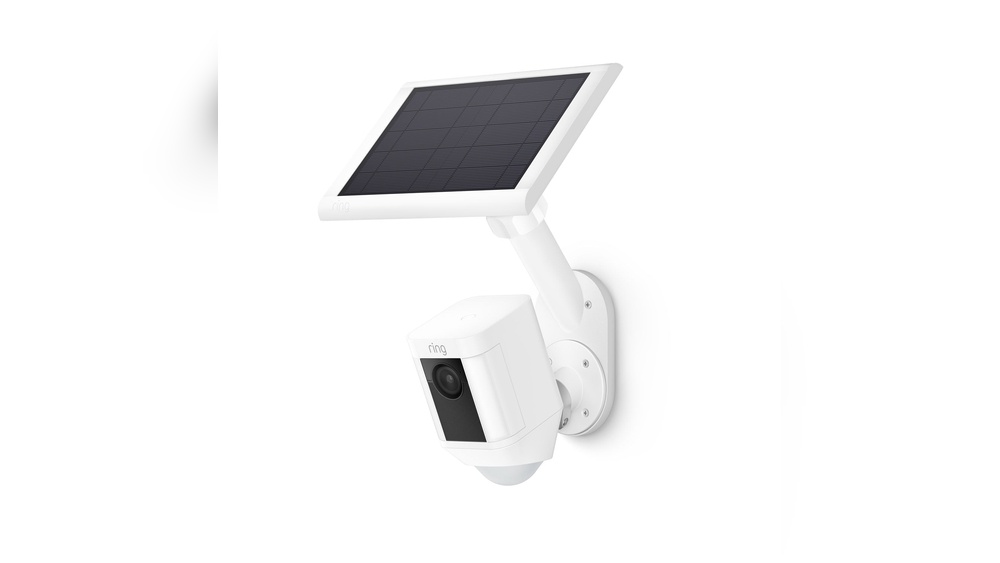
Ring does not make security cameras with built-in solar panels. Instead, Ring offers solar accessories that work with many of their battery-powered cameras. This means the camera itself isn’t solar-powered from the start, but you can add a solar panel to keep it charged.
This approach has both benefits and downsides. You get more flexibility, but also need to make sure you buy the right panel for your camera model. Not every Ring camera can use solar power, and the effectiveness of the solar panel depends on sunlight, installation angle, and even your local weather.
Which Ring Cameras Work With Solar Panels?
Ring’s lineup has several popular cameras, but only some support solar charging. Let’s break it down:
Compatible Ring Cameras
1. Ring Stick Up Cam Battery
This is one of the most popular Ring cameras for indoor and outdoor use. It runs on a rechargeable battery pack and is fully compatible with Ring’s solar panel accessories.
2. Ring Spotlight Cam Battery
Designed for outdoor use, the Spotlight Cam Battery also works with solar panels. It gives you a bright light and camera in one device.
3. Ring Spotlight Cam Plus And Pro (battery Version)
The newer Plus and Pro models, if you choose the battery-powered version, are compatible with Ring’s solar panels.
4. Ring Floodlight Cam Plus And Pro (battery Version)
These models offer powerful lights and a camera. Only the battery versions can use solar panels. The wired versions do not.
- Ring Video Doorbell 2, 3, 3 Plus, 4, and Battery Doorbell Plus
Several Ring doorbells have battery power and can be paired with a special solar charger that fits around the doorbell.
Not Compatible With Solar
- Ring Indoor Cam: This model only works with a plug-in adapter and cannot use solar panels.
- Wired-only Ring Cameras: Any camera that requires a plug or hardwired connection will not work with a solar panel.
Here’s a quick overview for easy comparison:
| Ring Camera Model | Solar Panel Compatible? | Notes |
|---|---|---|
| Stick Up Cam Battery | Yes | Works with Ring Solar Panel and Super Solar Panel |
| Spotlight Cam Battery | Yes | Requires battery version, not wired |
| Floodlight Cam Battery | Yes | Battery version only; wired version not compatible |
| Indoor Cam | No | Plug-in only |
| Video Doorbell 3/4/Battery Plus | Yes | Requires separate solar charger mount |
Pro tip: Always double-check your model before buying a solar panel. Some Ring cameras look very similar but have different power options.
Credit: www.homedepot.com
How Ring Solar Panels Work
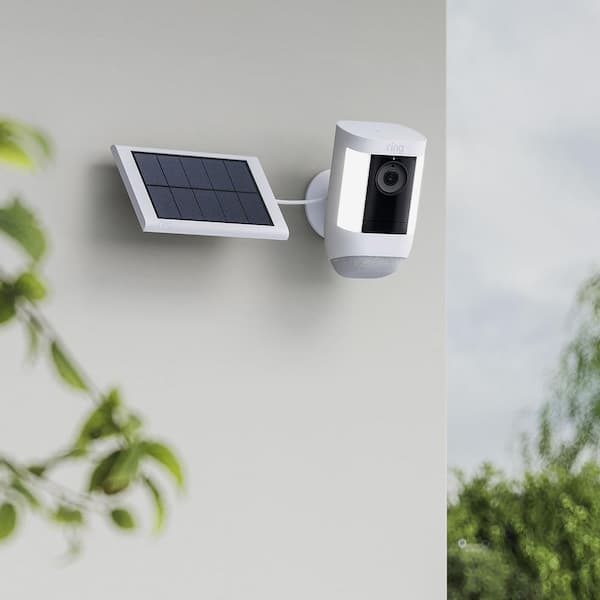
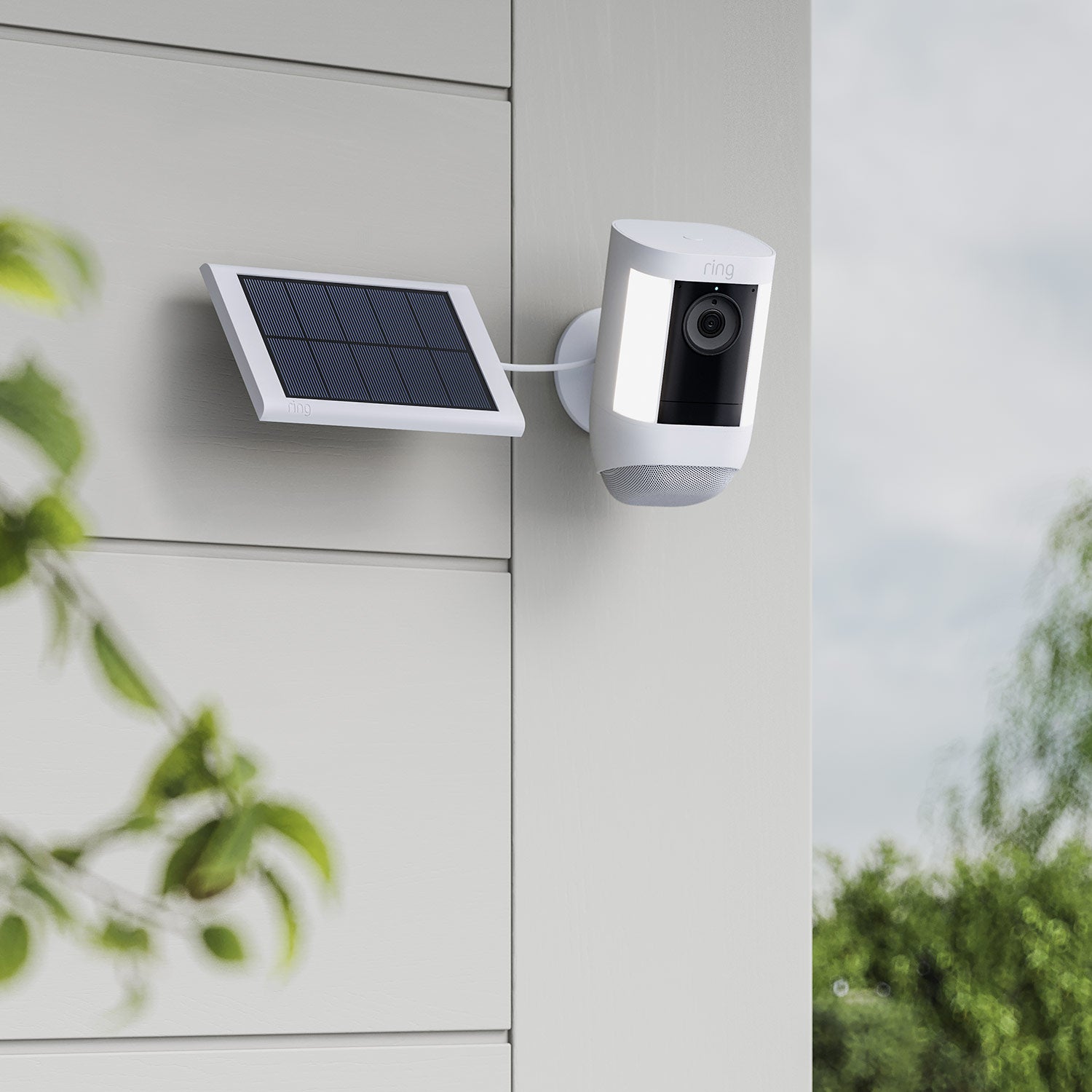
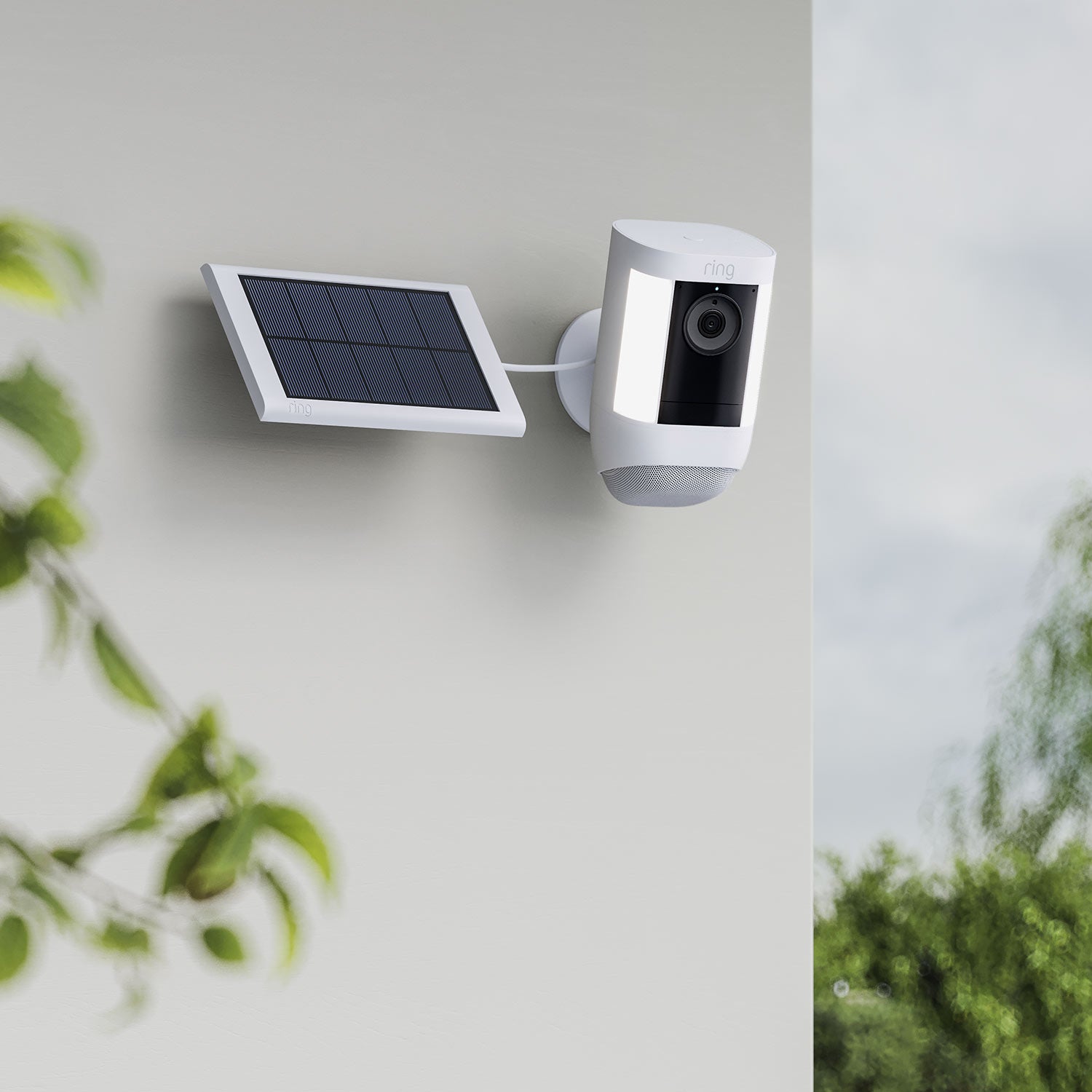
Ring’s solar panels are small, weather-resistant panels that mount near your camera or doorbell. They connect to the battery-powered Ring device with a cable. When the sun shines on the panel, it produces power, which charges the camera’s battery.
Main Features Of Ring Solar Panels
- Weather-resistant: Built for outdoor use, can handle rain and snow.
- Adjustable mount: Lets you angle the panel for best sun exposure.
- Simple connection: Plugs directly into the Ring camera’s charging port.
There are two main types:
- Ring Solar Panel: Standard size, good for moderate sunlight and most homes.
- Ring Super Solar Panel: Larger, collects more sunlight for faster charging—useful in areas with less direct sun or higher camera activity.
Charging Power And Limitations
The solar panel does not power the camera directly. It trickle charges the battery over time. If your camera is in constant use (many motion events per day), or if it’s in a shaded area, the solar panel may not keep up. In these cases, you may still need to recharge the battery sometimes.
Important insight: Many new users think the solar panel will make the battery last forever. In reality, solar keeps the battery topped up in good sun, but it’s not a magic solution if your camera gets triggered all day or is in heavy shade.
Installing A Ring Solar Panel: What You Need To Know
Setting up a Ring solar panel is straightforward, but there are a few things to keep in mind to get the best results.
Step-by-step Installation
- Choose a sunny spot: The solar panel needs several hours of direct sunlight per day. South-facing is usually best in the US.
- Mount the panel: Use the included screws and mount to attach the panel to a wall, roof, or fence.
- Angle the panel: Tilt it so it faces the sun most of the day. The adjustable mount helps you get the right angle.
- Connect the cable: Plug the panel’s cable into your Ring camera’s charging port.
- Check the app: The Ring app will show you if the battery is charging.
Installation Tips
- Avoid mounting under eaves, trees, or places with lots of shade.
- Clean the panel occasionally—dust or snow will block sunlight.
- Use the Super Solar Panel if your area gets less sun, or your camera is very active.
Non-obvious insight: The length of the included cable is usually about 13 feet. If your camera is far from a sunny spot, you may need to buy an extension cable.
Solar Power Performance: Real-world Results
The big question for most people: *Does the solar panel really keep the Ring camera charged all the time?* The answer depends on three key factors:
1. Sunlight Exposure
For best results, the panel needs at least 3-4 hours of direct sun per day. In winter or cloudy areas, the charging rate drops, and you may need to charge the battery manually sometimes.
2. Camera Usage
More motion events mean the camera uses more power. For homes with lots of foot traffic, deliveries, or busy streets, the solar panel may struggle to keep up.
3. Panel Size
The standard Ring Solar Panel is enough for low to moderate use. The Super Solar Panel is better for high-activity areas or places with less sunlight.
Here’s a comparison of expected performance:
| Condition | Standard Solar Panel | Super Solar Panel |
|---|---|---|
| Full sun, low activity | Battery stays charged | Battery stays charged |
| Partial sun, moderate activity | May need to recharge battery every few months | Usually stays charged |
| Heavy shade or high activity | May need frequent recharging | May help, but not always enough |
Experienced user tip: In some regions, especially in winter, even the Super Solar Panel may not fully keep up if your camera is very active. Always plan for occasional manual charging just in case.
Comparing Solar Power To Other Power Options
It’s helpful to see how solar stacks up against the other ways to power Ring cameras.
Battery Power Alone
- Pros: Flexible placement, no wires needed.
- Cons: Need to recharge the battery every 1-6 months (depends on usage).
Wired Power
- Pros: No battery changes, always powered.
- Cons: Installation can be harder; you need access to power outlets or existing doorbell wiring.
Solar Power (with Battery)
- Pros: Less battery maintenance, flexible installation, eco-friendly.
- Cons: Depends on sunlight; not 100% maintenance-free.
Here’s an overview for quick comparison:
| Power Option | Installation | Maintenance | Best For |
|---|---|---|---|
| Battery only | Easy, no wires | Charge battery every few months | Renters, flexible placement |
| Wired | Harder, needs outlets/wiring | Minimal | Permanent locations, high-traffic areas |
| Solar + Battery | Easy, needs sun | Minimal in good sun | Outdoor spots with sunlight, busy cameras |
Are Solar Panels Worth It For Your Ring Camera?
Solar panels are popular, but are they always the right choice? Here’s when they make sense—and when they don’t.
Good Reasons To Use A Solar Panel
- Your camera is outdoors and gets at least 3-4 hours of direct sun daily.
- You want to avoid charging batteries every few months.
- You don’t have easy access to power outlets near the camera.
- You want a more eco-friendly setup.
Cases Where Solar Might Not Work Well
- The camera is in heavy shade most of the day.
- You live in a place with long, cloudy winters.
- Your camera is very active, with many motion events per day.
- You need a totally maintenance-free solution.
Insight most beginners miss: Solar panels are not “set it and forget it” for every home. They reduce battery charging work, but are not a guarantee you’ll never need to charge the battery again.
What About Ring Video Doorbells And Solar?
Many people want to use solar with their Ring Video Doorbell. The approach here is a bit different from Ring’s cameras. Instead of a separate panel, Ring makes a solar charger mount—a special bracket with a built-in solar cell that fits around the doorbell.
Compatible Doorbell Models
- Ring Video Doorbell (2nd Gen)
- Ring Video Doorbell 3, 3 Plus, 4
- Battery Doorbell Plus
These solar chargers are easy to install, but they only provide a slow trickle charge. If your doorbell is used many times a day, you may still need to recharge the battery sometimes. For homes with moderate use, the solar charger can keep the doorbell running for months without a manual charge.
Practical tip: Doorbell solar chargers are more sensitive to their mounting location. Even small amounts of shade can make a big difference. Try to install the charger where it gets full sunlight in the morning and early afternoon.
Credit: ring.com
Common Questions And Misunderstandings About Ring Solar Cameras
Even after reading about how Ring solar panels work, people often have questions or believe some common myths. Let’s clear up a few things.
Do Solar Panels Power The Camera Directly?
No. The solar panel charges the battery, not the camera itself. If the battery runs out (for example, during long periods of clouds or high camera activity), the camera will still stop working until the battery is recharged.
Will I Ever Need To Charge The Battery Manually?
In most cases, yes, especially if you have periods of low sunlight or high usage. The solar panel reduces how often you need to charge, but does not eliminate it 100%.
Can I Use Third-party Solar Panels?
Some third-party solar panels may work, but Ring recommends using their official accessories for best results and to avoid warranty issues. Third-party options may have different connectors or lower build quality.
What If My Camera Location Gets Little Sun?
If you can’t get at least 3-4 hours of direct sun per day, a solar panel may not be very effective. You may be better off using wired power or planning to recharge the battery manually.
Are Solar Panels Hard To Install?
Most users find them easy to set up. All needed parts are included, and the process usually takes less than 20 minutes. The biggest challenge is finding a good sunny spot.
Real User Experiences: What People Say About Solar-powered Ring Cameras
Looking at customer reviews and community forums gives you a real-world picture of how solar works for Ring cameras.
- Positive: Many users say that with good sun, they almost never need to charge their batteries. The solar panel is especially liked by people who have cameras in hard-to-reach spots.
- Negative: Some users in cloudy or shady areas find the solar panel only helps a little—they still need to recharge the battery every few months.
- Mixed: People with very busy cameras (lots of motion events) often report needing to charge more often, even with solar.
Experienced user insight: Positioning is everything. Even a few hours of shade can drop solar charging by 50% or more. Some users solve this by using the Super Solar Panel or moving the panel to a better location.
Comparing Ring’s Solar Solution To Other Brands
Ring is not the only company offering solar-powered security cameras. How does it compare?
Eufy, Arlo, And Google Nest
- Eufy and Arlo both offer battery-powered cameras with optional solar panels, similar to Ring. Some models even have built-in solar panels.
- Google Nest Cam (Battery) also supports a third-party solar panel, but there is no official Google solar panel.
Ring’s approach is flexible—you can buy the camera first, then add solar later. Other brands may have integrated solar, but this sometimes makes the camera bigger or more expensive.
Non-obvious insight: Cameras with built-in solar panels may look sleeker, but if the panel fails, you have to replace the whole camera. With Ring, you can swap the panel or camera separately.
For more on how solar panels work with security cameras, you can check out Wikipedia’s article on solar-powered security cameras.
Advanced Tips For Maximizing Solar Charging
If you want to get the most out of your solar-powered Ring camera, consider these advanced strategies:
1. Monitor Battery Percentage In The Ring App.
Watch how fast it drops during different weather and activity levels. This helps you spot problems early.
2. Trim Plants Or Branches Near The Panel.
Even partial shade reduces charging. Check every few months.
3. Clean The Panel Regularly.
Dust, bird droppings, and snow can block sunlight. Wipe the panel with a soft, damp cloth.
4. Consider Seasonal Changes.
Sun angle and hours change through the year. In winter, you may need to tilt the panel differently or expect slower charging.
5. Combine With A Second Battery (where Possible).
Some Ring cameras allow a spare battery. While the solar panel charges, you can swap batteries for zero downtime.
6. Set Smart Motion Zones.
In the Ring app, you can reduce motion alerts to only important areas. Less activity means less battery drain.
Pro insight: If you notice the battery never goes above 90%, don’t worry. Ring devices sometimes stop charging at this level to protect battery health.
Cost Considerations: Is Solar A Good Value?
Adding a solar panel increases your upfront cost. As of 2024, the standard Ring Solar Panel sells for about $50–60, and the Super Solar Panel costs around $80–100. Third-party panels may be cheaper, but quality and compatibility can vary.
Compare this to the time and hassle of climbing a ladder every few months to charge a camera in a hard-to-reach spot. For many users, the solar panel pays for itself in convenience, especially if you have multiple cameras or live in a sunny area.
Remember, solar panels do not save on electricity bills in a big way (the cameras use very little power), but they do save time and effort.
Environmental Benefits Of Solar-powered Cameras
Using solar panels for your Ring cameras is not just convenient—it’s also better for the environment. Solar panels reduce your use of disposable batteries and lower your overall energy use. If you care about sustainability, adding solar is a small but positive step.
Non-obvious benefit: Over a few years, solar charging can keep dozens of batteries out of landfills and slightly reduce your home’s carbon footprint.
Frequently Asked Questions
What Happens If My Ring Camera Gets No Sunlight For A Week?
The camera will keep running on its internal battery. If the battery gets low, you’ll receive a notification in the Ring app. Eventually, the camera will shut off until you manually recharge the battery, either with a USB cable or by moving it to a sunnier spot.
Can I Use A Solar Panel With A Wired Ring Camera?
No. Ring’s solar panels are designed for battery-powered cameras and doorbells only. Wired cameras need a constant power connection and do not have a place to plug in a solar panel.
How Long Does The Ring Solar Panel Last?
Most solar panels are rated for at least 5–10 years of outdoor use. The panel itself rarely fails, but you may need to replace the cable or mounting hardware if it gets damaged. Keep the panel clean for best results.
Does Using A Solar Panel Affect My Ring Camera’s Warranty?
If you use official Ring solar panels, your warranty is safe. Using third-party panels could risk your warranty if they cause damage. Always check Ring’s latest warranty terms before buying accessories.
Can I Install More Than One Solar Panel On A Single Camera?
No. Ring cameras have only one charging port, so you can connect only one solar panel per device. If you need more charging power, upgrade to the Super Solar Panel or move the panel to a sunnier spot.
Credit: en-uk.ring.com
Making The Smart Choice For Your Home
Ring does not sell cameras with built-in solar panels, but it offers solar panel accessories for many of its battery-powered models. This gives you flexibility—if your camera is in a sunny spot, solar can greatly reduce how often you need to recharge the battery. But solar power is not a perfect solution for everyone. It works best if your camera gets plenty of direct sun and you don’t have extreme camera activity.
Before you invest, check your camera model, your sun exposure, and your expectations. With the right setup, a solar-powered Ring camera can be a simple, low-maintenance way to protect your home. For many users, it’s a smart upgrade that pays off in time, convenience, and peace of mind.