
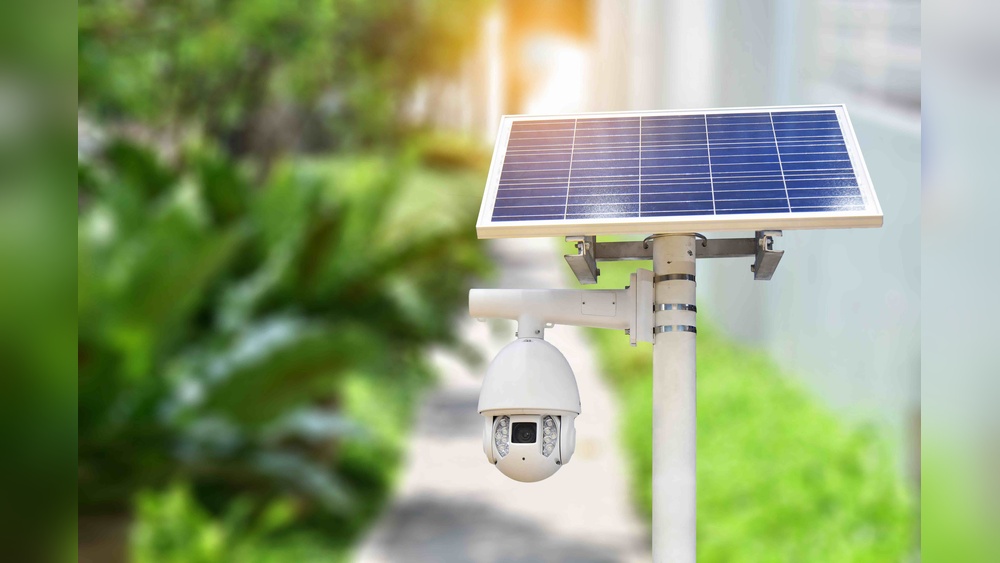
Are Solar Powered Cameras Good?
Choosing the right security camera often feels overwhelming. With so many options, it’s easy to get lost in specs, marketing claims, and tech jargon. Recently, solar powered cameras have caught the attention of homeowners, businesses, and even wildlife enthusiasts. These cameras promise an eco-friendly, wire-free solution for monitoring property, construction sites, farms, or remote areas. But are solar powered cameras actually good? Do they deliver reliable performance, or are there hidden drawbacks that most people miss?
In this article, you’ll get a clear, detailed look at how solar powered cameras work, their real-world pros and cons, and how they compare to traditional wired and battery-powered systems. You’ll find practical advice, data-backed insights, and answers to the most common questions—so you can make a confident, informed decision.
How Do Solar Powered Cameras Work?
Solar powered cameras use solar panels to collect energy from sunlight. This energy charges an internal battery, which powers the camera and its features—like motion detection, night vision, and video recording.
A typical setup includes:
- Solar panel: Mounted near the camera to collect sunlight.
- Rechargeable battery: Stores solar energy for use at night or during cloudy weather.
- Wireless camera: Connects to your Wi-Fi network or records locally.
- Controller circuit: Manages battery charging and power use.
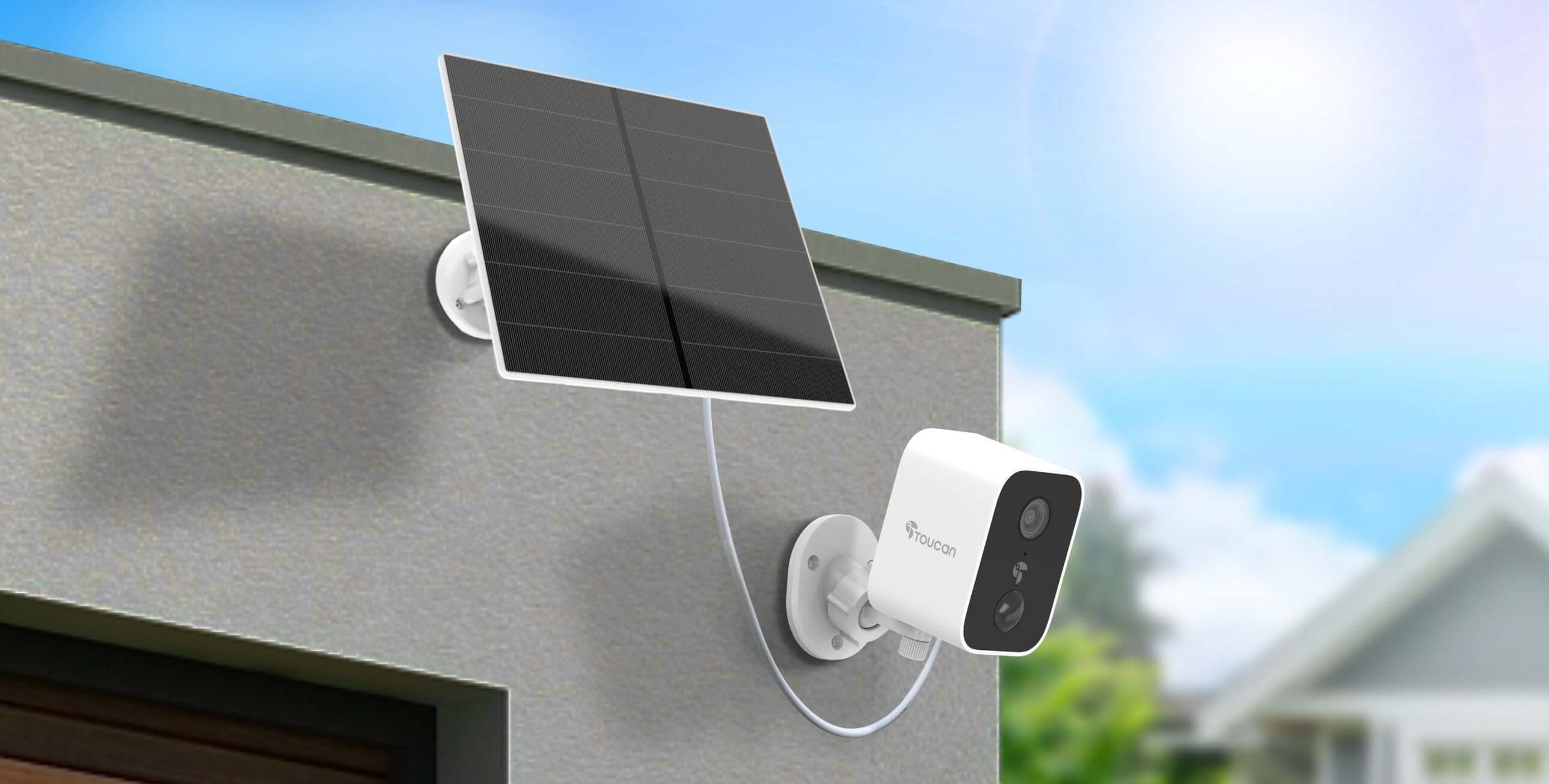
Most solar cameras are designed for easy DIY installation. You can mount them on a wall, fence, or pole—no need for electrical wiring or a professional installer.
Key insight: Even on cloudy days, a quality solar panel collects enough energy to power most cameras. However, placement and local climate make a big difference. If a camera gets less than 4 hours of direct sunlight daily, performance may suffer.
Advantages Of Solar Powered Cameras
Solar powered cameras are popular for good reasons. Here are the main benefits that set them apart from traditional systems.
1. Easy Installation—no Wires Needed
You don’t need to run power cables or drill through walls. Just mount the camera, attach the solar panel, and connect to Wi-Fi. This makes solar cameras ideal for areas without easy access to electricity—like barns, gates, driveways, or remote cabins.
2. Eco-friendly And Cost-effective
Since they use renewable solar energy, these cameras have a much smaller carbon footprint. You avoid higher electricity bills, and there’s no need to pay an electrician for installation. Over time, the savings can be significant—especially if you need to monitor multiple locations.
3. Reliable Power—even During Outages
A fully charged battery keeps the camera running at night or in bad weather. If your home loses power, the camera still works. That’s a big advantage in areas with frequent blackouts.
4. Flexible Placement
Without wires, you can install the camera almost anywhere—on a tree, fence post, or the edge of a field. This flexibility is especially useful for farms, construction sites, and large properties.
5. Low Maintenance
Solar powered cameras are designed for outdoor use. Most have weatherproof housings and need little attention after installation. Occasionally, you may need to wipe the solar panel or check the battery.
Non-obvious insight: Many users overlook how much maintenance traditional wired systems require—especially in outdoor or rural settings. Chewed wires, corrosion, or physical damage are common problems that solar cameras avoid.

Credit: naturespy.org
Disadvantages And Limitations
Solar powered cameras aren’t perfect for every situation. Here’s what you need to consider before buying.
1. Sunlight Dependency
These cameras need direct sunlight to charge efficiently. Heavy shade, north-facing walls, or locations with long winters can cause problems. If you live in an area with frequent rain or snow, the camera may not charge enough to work reliably.
2. Limited Power For Advanced Features
Some features—like continuous video recording, high-resolution streaming, or motorized pan/tilt—use a lot of energy. Solar powered cameras often limit these features to save battery life. For example, many record only when motion is detected, not 24/7.
3. Slower Video Uploads
Since most solar cameras connect over Wi-Fi or cellular networks, upload speeds may be slower compared to wired cameras. If your Wi-Fi signal is weak, you might see delays or gaps in footage.
4. Higher Upfront Cost
Solar powered models usually cost more than basic wired or battery-powered cameras. However, you save on installation and electricity over time.
5. Battery Wear Over Time
Rechargeable batteries degrade after several years. Eventually, you may need to replace the battery or, in some cases, the whole camera. Battery life usually ranges from 2 to 5 years, depending on quality and climate.
Non-obvious insight: In cold climates, battery performance drops sharply in winter. Some cameras include battery heating elements (powered by the solar panel) to reduce this problem, but not all models offer this feature.
Comparing Solar Powered Vs Wired Vs Battery-powered Cameras
To make a clear decision, it helps to see how solar powered cameras stack up against the other main types: wired and battery-powered. The following table highlights key differences.
| Feature | Solar Powered | Wired | Battery-Powered |
|---|---|---|---|
| Power Source | Solar + battery | AC power | Rechargeable battery |
| Installation | Easy, wireless | Requires wiring | Easy, wireless |
| Placement Flexibility | High | Limited by wiring | High |
| Maintenance | Low | Medium/High | Medium (needs charging) |
| Continuous Recording | Limited | Yes | No |
| Works During Outages | Yes | No | Yes (until battery drains) |
| Cost (Long Term) | Low | High (electricity + install) | Medium (battery swaps) |
Key takeaway: Solar powered cameras offer the best balance if you want easy installation, flexible placement, and low maintenance. Wired cameras are best for 24/7 recording and high-security needs. Battery-powered cameras are convenient but require regular recharging.
Real-world Performance: What To Expect
It’s easy to get excited by features on the box, but what really matters is how solar powered cameras perform in real life. Here’s what users and tests reveal.
Daytime Operation
Most solar cameras work flawlessly during the day if the panel gets at least 4-6 hours of sunlight. Features like HD video, motion alerts, and live streaming are reliable. However, poor sunlight can quickly drain the battery, especially if the camera records often.
Night Vision And Low Light
Modern solar cameras use infrared LEDs for night vision. The image is usually black and white, but clear enough to identify people or animals within 20-40 feet. Some premium models use starlight sensors for better color images in low light.
Weather Resistance
A good solar powered camera comes with a rating like IP65 or IP66, which means it can handle rain, dust, and snow. However, extreme cold can reduce battery life, and heavy snow on the solar panel can block charging.
Video Storage And Alerts
Most models offer cloud storage (for a monthly fee) or a microSD card slot. Motion alerts are sent to your phone, and you can view live video from anywhere. But if your Wi-Fi is unreliable, you may miss alerts or recordings.
Example: A Homeowner’s Experience
Consider Anna, who installed a solar powered camera at her remote gate. After 12 months, she reports:
- “The camera works well for motion alerts and short recordings.”
- “I didn’t need to run any wires, which saved money.”
- “In winter, I cleaned snow off the panel twice, but otherwise it’s maintenance-free.”
- “During two power outages, the camera kept working.”
Non-obvious insight: Many users forget that a dirty or shaded solar panel reduces charging speed. Regular cleaning and smart placement make a big difference in performance.
Where Solar Powered Cameras Work Best
Solar powered cameras aren’t for every situation. Their strengths shine in specific scenarios:
- Remote gates or driveways far from the house
- Farms and ranches (monitoring livestock, barns, or fields)
- Construction sites without stable power
- Vacation homes or cabins (especially off-grid)
- Wildlife monitoring in forests or parks
- Boat docks, marinas, and RVs
In busy urban neighborhoods with easy access to electricity, a wired camera may be a better fit for 24/7 surveillance.
Key Features To Consider When Buying
Not all solar powered cameras are created equal. Focus on these important features to avoid common mistakes:
- Battery capacity: Look for at least 6000 mAh for reliable night use and cloudy days.
- Solar panel size: Bigger panels charge faster, especially in less sunny areas.
- Weather rating: IP65 or higher is a must for outdoor use.
- Wi-Fi range: Check that your camera will get a strong signal at its location.
- Motion detection: Adjustable sensitivity helps reduce false alarms.
- Video quality: 1080p is standard; 2K or 4K is better for details, but uses more power.
- Storage options: Cloud storage offers remote access; local SD cards are free but can fill up quickly.
- Two-way audio: Lets you talk to visitors or scare off intruders.
- App support: A good mobile app makes setup and alerts much easier.
- Customer support and warranty: Look for at least a 1-year warranty and responsive support.
Common buyer mistake: Choosing a camera with a tiny battery or small solar panel to save money—only to find out it stops working on cloudy days or at night.
Practical Tips For Best Results
Follow these tips to get the most from your solar powered camera:
- Install the solar panel facing south (in the Northern Hemisphere) at a 30-45 degree angle for best sunlight.
- Keep the panel clean—dust, snow, or bird droppings reduce charging.
- Test your Wi-Fi at the camera site before mounting it.
- Update the camera firmware regularly for better security and new features.
- Check the app for battery level and signal strength every few weeks.
Case Studies: Solar Powered Cameras In Action
Let’s look at how people use solar powered cameras in real-life situations.
Wildlife Monitoring In National Parks
Researchers in Kenya set up solar powered cameras to study wildlife movement. The cameras, placed miles from any power source, ran for months with little attention. Motion detection triggered recordings when animals passed, and solar charging kept batteries full—even during the rainy season.
Construction Site Security
A construction company in Texas installed solar powered cameras on a remote job site. The system sent motion alerts to managers’ phones and stored footage in the cloud. The solar cameras prevented several thefts and saved the company $5,000 in lost equipment.
Home Security In Suburbs
A family in California used solar powered cameras to monitor their backyard and driveway. With no wires to hide or drill, installation took less than an hour. The cameras sent alerts for package deliveries and detected a prowler one night—helping police make an arrest.
Environmental Impact: Are They Really Green?
Solar powered cameras use the sun, so they’re often called “green” or eco-friendly. But is that the whole story?
Energy Use
A typical solar camera uses about 2-5 watts of power. Over a year, that’s about 18-44 kilowatt-hours—the same as running a small LED bulb. By using solar panels, you avoid pulling this energy from the grid.
Battery Recycling
The main environmental downside is the battery. Lithium-ion batteries can be recycled, but not all manufacturers offer recycling programs. If you want a truly green setup, look for brands that help you recycle old batteries.
Manufacturing Impact
Solar panels and batteries require energy and resources to make. However, these impacts are small compared to the lifetime energy savings.
Key fact: Over 5 years, a solar powered camera can save about 90-200 kWh of electricity compared to a wired model—enough to power a refrigerator for a few weeks.
Cost Breakdown: What Will You Really Pay?
It’s important to look beyond the sticker price. Here’s a comparison of the typical costs for different camera types.
| Camera Type | Upfront Cost (per unit) | Installation Cost | Ongoing Power Cost | Battery Replacement (every 3-5 yrs) |
|---|---|---|---|---|
| Solar Powered | $90–$250 | $0 (DIY) | $0 | $20–$50 |
| Wired | $50–$150 | $100–$250 | $10–$25/yr | N/A |
| Battery-Powered | $60–$180 | $0 (DIY) | $0 | $20–$50 |
Tip: Over 5 years, a solar powered camera usually costs less than a wired model—especially if you need to hire a pro for installation.
Common Myths About Solar Powered Cameras
Some ideas about solar powered cameras just aren’t true. Let’s clear them up:
- Myth: “They don’t work at night.”
Fact: The battery stores power for night use. Most cameras operate 24/7.
- Myth: “Cloudy days will shut them down.”
Fact: Quality panels still charge in low light, just at a slower rate.
- Myth: “They’re only for tech experts.”
Fact: Most models are easy for beginners to set up with simple apps.
- Myth: “They’re not as secure as wired cameras.”
Fact: For most homes and small businesses, they offer similar security. Only large facilities needing 24/7 recording may prefer wired systems.
How To Choose The Right Solar Powered Camera For You
With so many options, how do you pick the best camera for your needs? Here’s a step-by-step guide:
- List your priorities. Do you need 24/7 recording, or just motion alerts? Is remote access important?
- Check sunlight availability. Walk around your property and note sunny spots. Avoid shaded areas.
- Measure Wi-Fi signal strength where you want to install. Weak signal? Consider a Wi-Fi extender.
- Set a budget. Remember to include possible costs for SD cards or cloud storage.
- Compare models. Look at battery size, panel wattage, video resolution, and user reviews.
- Check warranty and support. Choose brands with good customer service.
- Read real user experiences. Forums and YouTube reviews can reveal long-term reliability.
Pro tip: If your climate has long winters or frequent storms, choose a camera with a larger battery and solar panel.
Security And Privacy Considerations
Solar powered cameras are convenient, but you should also think about privacy and security.
- Change default passwords right away.
- Keep firmware updated to fix security bugs.
- Encrypt your Wi-Fi network.
- Limit who can access the camera feed via the app.
- Check local laws about recording audio or video—especially in shared spaces.
Non-obvious insight: Some cheaper cameras send your video to servers in other countries. If privacy matters, choose well-known brands with clear privacy policies.
Credit: www.toucansolution.com
Upgrades And Future Trends
Solar powered cameras are improving quickly. Here are some trends you’ll see in coming years:
- Bigger batteries for longer off-grid operation
- Faster solar panels that charge with less sunlight
- AI-powered motion detection to recognize people, cars, or animals
- 4K video resolution for crystal-clear images
- Edge computing (processing video locally for faster alerts)
- Integration with smart home systems like Alexa or Google Home
Some brands already offer cameras with radar sensors to reduce false alerts from wind or rain.
Frequently Asked Questions
How Long Do Solar Powered Camera Batteries Last?
Most batteries last 2 to 5 years before losing capacity. This depends on the quality, temperature changes, and how often the camera records. In very cold or hot climates, battery life may be shorter. Most batteries can be replaced without buying a new camera.
Can Solar Powered Cameras Work Indoors?
They can, but with limitations. The solar panel needs direct sunlight—most indoor locations don’t get enough. You can place the panel outside and run a cable inside, but for indoor rooms, a wired or plug-in camera is often a better choice.
Do Solar Powered Cameras Work At Night?
Yes. The camera uses the battery, which stores energy from the sun during the day. Most models provide infrared night vision, so you can see in total darkness. If the battery runs low, the camera may reduce features or shut down until it charges again.
Are Solar Powered Cameras Secure From Hackers?
They can be, if you take basic steps—change default passwords, keep the app and firmware updated, and use a strong, encrypted Wi-Fi network. Choose cameras from reputable brands that offer regular security updates.
How Much Sunlight Do Solar Powered Cameras Need Daily?
Most need at least 4-6 hours of direct sunlight each day for reliable operation. Less sun means the battery may not fully charge, leading to shorter operating times. In cloudy or shaded areas, choose a model with a larger panel and battery.
If you want to dive deeper into technical details, you can visit the Wikipedia page about solar powered security cameras.
Solar powered cameras are a smart choice for many people who want easy installation, reliable outdoor monitoring, and lower energy costs. While they’re not perfect for every situation, their flexibility and eco-friendly design make them a strong option for homes, farms, and remote locations.
With the right planning and placement, you’ll enjoy dependable security with minimal hassle.

Credit: www.amazon.com