
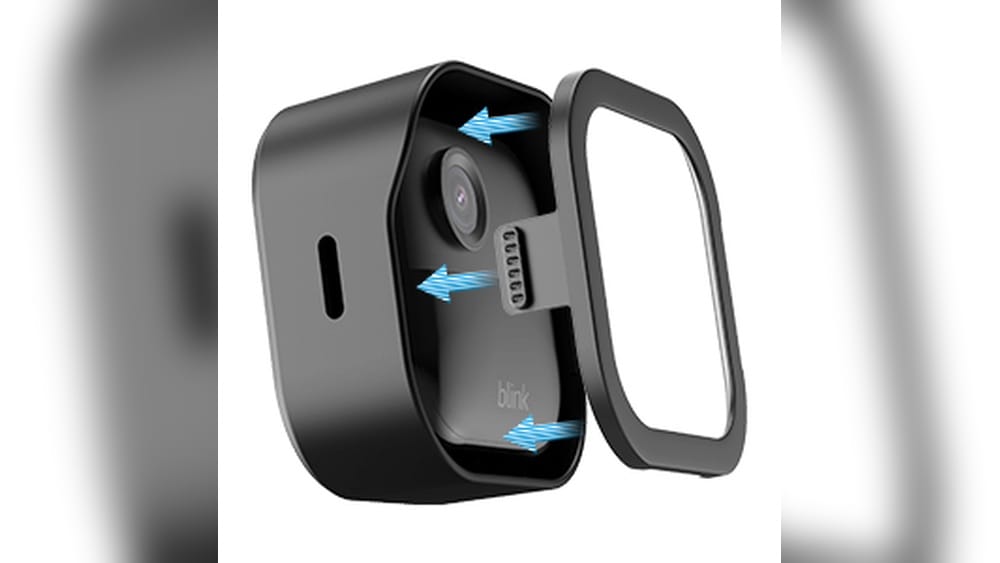
Blink outdoor cameras have quickly become a favorite choice for home security. People love them because they are easy to install, affordable, and work wirelessly. But one common question comes up for anyone considering these devices: Are Blink Outdoor Cameras waterproof? This is not a small detail. If you want to protect your home, you need cameras that can handle harsh weather—whether it is heavy rain, snow, or summer heat. If you install a camera outside, you want to know it will not stop working at the first sign of water.
This article will give you a deep, clear answer about the waterproof qualities of Blink Outdoor Cameras. We will look at their design, how they perform in different weather, real-world test results, and the difference between waterproof and water-resistant ratings.
We will also compare Blink with other popular brands, explain the impact of weather on security cameras, and share practical tips for keeping your cameras safe. You will find honest insights here, not just technical jargon. By the end, you will know if Blink Outdoor Cameras can really stand up to the elements and what you should do to make them last longer.
What Does Waterproof Mean For Outdoor Cameras?
Before we answer if Blink Outdoor Cameras are waterproof, it is important to understand what waterproof means for security devices. Many people use the words “waterproof” and “water-resistant” as if they mean the same thing, but they are actually different. Knowing this difference helps you set the right expectations for your outdoor camera.
A waterproof camera can be completely submerged in water and will keep working. It is sealed tightly, so water cannot get inside. On the other hand, a water-resistant camera is built to resist water to some degree. It can handle rain, splashes, or light snow, but it should not be put underwater or exposed to strong water pressure.
Manufacturers often use IP ratings (Ingress Protection ratings) to show how well a device can block out water and dust. The IP rating is made up of two numbers. The first number shows protection against solid things like dust. The second number shows protection against water. For example, IP65 means it is dust-tight and can handle low-pressure water jets.
Here are some common IP ratings for outdoor cameras:
| IP Rating | Protection Level | Typical Use |
|---|---|---|
| IP54 | Limited dust, splashing water | Covered outdoor areas |
| IP65 | Dust tight, low-pressure water jets | Most outdoor cameras |
| IP66 | Dust tight, high-pressure water jets | Heavy-duty outdoor use |
| IP67 | Dust tight, immersion up to 1 meter | Flood-prone or extreme areas |
So, when a brand says its camera is “waterproof,” check the actual IP rating. This number tells you how safe your camera will be during storms, snow, or even accidental sprays from the garden hose.
Blink Outdoor Cameras: Models And Their Weather Ratings
Blink, owned by Amazon, offers several outdoor camera models. Each one is designed for easy, wireless installation. But how do they hold up in the rain or snow? Let us look at the main models and their weather protection features.
Blink Outdoor (3rd Gen)
This is the most popular outdoor model. It is often just called Blink Outdoor and is the version most people buy for outside use.
- IP Rating: IP65
- Weather Resistance: The camera is dust-tight and can handle water jets from any direction. This means it is safe from heavy rain and even strong wind-driven water.
- Temperature Range: -4°F to 113°F (-20°C to 45°C)
- Build: Sealed casing, uses two AA lithium batteries
Blink Xt And Xt2
These were earlier models. They are still in use, but not sold new by Blink.
- IP Rating: IP65
- Weather Resistance: Similar to the Blink Outdoor, these models can handle rain and dust. They are not meant to be submerged.
- Temperature Range: -4°F to 113°F (-20°C to 45°C)
- Build: Sturdy, black plastic housing
Blink Indoor
It is important to mention that the Blink Indoor model is not meant for outside use. It does not have a weather or water rating. Using it outside will likely damage it.
Here is a quick comparison of Blink camera models and their weather ratings:
| Model | IP Rating | Suitable for Outdoors? | Temperature Range |
|---|---|---|---|
| Blink Outdoor (3rd Gen) | IP65 | Yes | -4°F to 113°F |
| Blink XT | IP65 | Yes | -4°F to 113°F |
| Blink XT2 | IP65 | Yes | -4°F to 113°F |
| Blink Indoor | None | No | 32°F to 95°F |
Key insight: Even though Blink calls their outdoor cameras “weather-resistant,” they are not fully waterproof. You should not submerge them in water or place them where water can pool around them for long periods.
Real-world Performance: How Blink Outdoor Cameras Handle Rain, Snow, And More
Numbers and ratings are helpful, but what about real life? Many users wonder if the Blink Outdoor can survive a thunderstorm, a blizzard, or a hot summer day. Let us look at real-world performance and what you can expect.
In Heavy Rain
Blink Outdoor cameras can easily handle strong rain. Their IP65 rating means water from any direction will not get inside. Users often report that even during days of nonstop rain, the camera keeps working. However, the lens may get blurry if raindrops stay on it.
Wiping the lens or using a simple cover can help.
In Snow And Freezing Temperatures
Many people use Blink Outdoor cameras in cold climates. They work well in temperatures as low as -4°F. The camera housing does not crack, and the electronics keep running. The biggest issue is the batteries. Standard alkaline batteries lose power quickly in the cold. Blink recommends lithium AA batteries for this reason. They hold their charge better in freezing weather.
In Hot And Humid Weather
In places with high heat or humidity, Blink Outdoor cameras still perform reliably. The official upper limit is 113°F. Above this, the camera may shut down or the battery might drain faster. Humidity does not usually affect performance, but if water condenses inside, it could cause fogging or, in rare cases, damage the electronics.
Against Wind And Dust
Dust and wind do not bother Blink Outdoor cameras. The sealed body keeps out sand, dust, and grit. This is useful in areas with lots of wind or near roads with loose dirt.
Common Weaknesses In Real Use
- Direct Water Jets: While safe from rain, a direct blast from a hose or pressure washer could force water into the seams.
- Submersion: If the camera falls into a puddle and stays underwater, it may stop working.
- Condensation: Sudden temperature changes can cause moisture to build up inside the lens.
- Battery Life: Extreme cold or heat shortens battery life, even with lithium batteries.
Non-obvious tip: Many users mount the camera under an eave or small roof. This simple step extends the life of the camera by reducing water and sun exposure, even if the device is rated for outdoor use.
Waterproof Vs. Water-resistant: Why The Difference Matters
It is easy to confuse waterproof and water-resistant when shopping for outdoor cameras. But the difference matters, especially if you want to avoid damage and expensive replacements.
- Waterproof: Can be fully submerged without damage (for example, IP67 or higher)
- Water-resistant: Can handle rain, splashes, or brief sprays (IP65, like Blink Outdoor)
Blink Outdoor cameras are water-resistant, not waterproof. They are perfect for rain, snow, and normal outdoor weather, but not for underwater or high-pressure water.
Some people think a water-resistant camera is weak, but most home security cameras are not fully waterproof. Submersion is rare for a mounted camera. Water-resistant designs are a smart balance: they protect against most weather without making the device big and expensive.
Common mistake: Some users place their cameras where water can pool, like low fences or garden beds. Even a water-resistant camera will likely fail if it sits in a puddle for hours.

Credit: www.amazon.com
Comparing Blink Outdoor To Other Outdoor Cameras
To see how Blink stacks up, let us compare it to other top brands: Arlo, Ring, and Google Nest. Each of these brands offers their own weather protection.
| Brand & Model | IP Rating | Waterproof? | Special Features |
|---|---|---|---|
| Blink Outdoor | IP65 | No (water-resistant) | Long battery, low price |
| Arlo Pro 4 | IP65 | No (water-resistant) | 2K video, integrated spotlight |
| Ring Stick Up Cam | IPX5 | No (water-resistant) | Works with Ring Alarm |
| Google Nest Cam (Battery) | IP54 | No (water-resistant) | Intelligent alerts |
Insight: Blink is similar to most major brands. None of the top battery-powered outdoor cameras are fully waterproof. They all aim for IP65-level water resistance, which is enough for normal weather.
How Weather Can Affect Security Camera Performance
It is not just water that can harm an outdoor camera. Real-world weather brings many challenges that can affect both the hardware and the video quality. Understanding these effects helps you get the most from your Blink Outdoor Camera.
Heavy Rain
- Water on the lens can blur the video.
- Rain at night can reflect IR light, causing glare or white spots in night vision mode.
- Strong winds may shake the camera if not mounted well.
Snow And Ice
- Snow buildup can block the lens or motion sensor.
- Freezing temperatures can reduce battery life.
- Melting snow may drip onto the camera and refreeze.
Heat And Sun
- Direct sun can overheat the camera, causing temporary shutdowns.
- UV rays can fade the housing over years.
- Hot weather can speed up battery drain.
Dust And Pollen
- Dust storms or high pollen can coat the lens, making images unclear.
- Dust in the air is blocked by the IP65 seal, but heavy buildup outside needs cleaning.
Lightning And Power Surges
- Blink Outdoor cameras use batteries, so they are safe from most power surges.
- However, a direct lightning strike can still damage any outdoor electronics.
Practical tip: Clean your camera lens every few weeks, especially after storms or pollen season. Clear images depend on a clean lens, not just the camera’s weather rating.
Installation Tips For Maximum Weather Protection
How you install your Blink Outdoor Camera makes a big difference. Proper placement and mounting can help your camera last longer and work better, even in tough weather.
- Mount Under Shelter: If possible, place the camera under an eave, roof, or awning. This blocks direct rain and sun, reducing water and heat exposure.
- Avoid Low Spots: Do not install cameras near the ground, where puddles or snow can build up.
- Use Secure Mounts: Strong winds can shake or knock down a poorly mounted camera. Use the screws and mounts provided, and check them twice a year.
- Angle for Drainage: Tilt the camera slightly downward. This helps water run off the lens instead of pooling.
- Keep Away from Sprinklers: Sprinkler water is stronger than rain and may force water into the seams over time.
- Check Signal Strength: Wireless cameras need a good Wi-Fi signal. Thick walls, metal, or too much distance can cause video drops—especially during storms.
- Test Before Final Mounting: Try the camera in your chosen spot during bad weather before fixing it permanently. This lets you see if water, sun, or glare is a problem.
Non-obvious insight: If you live where snow piles up, mount the camera high enough so winter snowdrifts do not block the lens.
Caring For Your Blink Outdoor Camera In All Seasons
Even though Blink Outdoor cameras are built for tough weather, a little care makes them last longer and work better. Here are some simple ways to protect your investment:
- Regular Cleaning: Wipe the lens with a soft, dry cloth. If there is dirt or water spots, use a lens cleaning solution.
- Check for Cracks or Damage: Inspect the body after big storms or freezing weather. Small cracks can let water in.
- Replace Batteries with the Right Type: Use only AA lithium batteries. They last longer and work better in heat and cold.
- Update Firmware: Connect your camera to the Blink app and update software when new versions are released. Updates can fix bugs caused by extreme conditions.
- Check Mounts and Screws: Make sure the camera is tightly attached and not loose after high winds.
If you see moisture inside the lens, bring the camera inside and let it dry in a warm, dry place. Do not use a hair dryer or heat gun, as this can damage the electronics.
Pro tip: Some users use small silicone covers or third-party weather shields. These can add another layer of protection, but always check that the cover does not block the lens or sensors.
What Happens If Water Gets Inside Your Blink Outdoor Camera?
Even with the best design, accidents can happen. If water gets inside your Blink Outdoor Camera, it can cause several problems:
- Foggy or blurry video: Water droplets inside the lens distort the image.
- Camera stops working: Moisture can short-circuit the electronics.
- Corrosion: Over time, water causes rust and damage to the internal parts.
If you suspect water has entered your camera:
- Remove the batteries immediately.
- Bring the camera inside and open any accessible covers.
- Let it air dry in a warm, dry place for at least 24–48 hours.
- Do not use direct heat like a microwave or hair dryer.
- After drying, reinstall the batteries and test.
If the camera does not work after drying, contact Blink support. If it is still under warranty and you used it as recommended, they may replace it.
Important: Blink’s warranty does not cover water damage from submersion or misuse. Always follow mounting guidelines to keep your warranty valid.
Should You Use Extra Waterproof Housing For Blink Cameras?
Some companies sell special waterproof cases for Blink Outdoor cameras. These cases claim to raise the camera’s water protection from water-resistant to waterproof. But are they necessary, and do they work?
Pros of extra housing:
- Extra layer of protection against heavy rain or snow
- Blocks dust, sand, and bugs
- Can help in flood-prone areas
Cons:
- May block part of the lens or motion sensor
- Can cause overheating in hot weather
- Not officially supported by Blink—may void warranty
For most homes, Blink’s built-in IP65 rating is enough. Extra cases are only needed in extreme places, like boat docks, flood zones, or construction sites.
Tip: If you do use a third-party case, test it for a day before leaving the camera unattended. Check for fogging or any signs of heat buildup.

Credit: www.odpbusiness.com
How Blink Outdoor Cameras Compare For Waterproofing In Real-world Scenarios
Let us look at some scenarios where water resistance is put to the test. Seeing how Blink Outdoor cameras perform can help you decide if they fit your needs.
Stormy Weather
Homeowners in the Midwest report their Blink cameras work through weeks of rain, thunderstorms, and even hail. Only direct hits from large hailstones caused damage, which is rare for most locations.
Coastal Or Salt Air
In beach towns, salty air can corrode electronics quickly. Blink Outdoor cameras survive well for a year or more, but owners say rinsing the outer shell with fresh water every few months helps prevent salt buildup.
Tropical Downpours
In places like Florida or Southeast Asia, heavy, fast rain is common. Blink Outdoor cameras keep working, but users recommend mounting them under cover to avoid lens fogging and water spots.
Winter Freezes
In Canada and the northern US, cameras face deep snow and ice. Blink Outdoor cameras keep recording as long as lithium batteries are used. Standard batteries often die after a few days of extreme cold.
Common Mistakes People Make With Outdoor Camera Waterproofing
Even the best camera will fail if used incorrectly. Here are some common mistakes to avoid:
- Using the wrong model: Do not use Blink Indoor cameras outside. They have no weather rating.
- Poor mounting: Installing too low or in places where water collects.
- Ignoring battery type: Using alkaline instead of lithium batteries in cold weather.
- Not checking after storms: Failing to inspect for water damage after heavy weather.
- Blocking vents: Covering the camera so tightly that it overheats or fogs up.

Credit: www.reddit.com
The Bottom Line: Are Blink Outdoor Cameras Waterproof?
Blink Outdoor cameras are not fully waterproof, but they are highly water-resistant. With an IP65 rating, they are built to handle heavy rain, snow, dust, and most weather conditions. This is the same level of protection as most top competitors. They are not safe for submersion, high-pressure water, or use underwater.
In normal outdoor use—on walls, under roofs, or on poles—they are reliable and tough. Proper mounting, the right batteries, and simple care will keep them running for years. For most homeowners, Blink Outdoor offers a strong balance of price, features, and weather protection.
For more on IP ratings and weatherproofing, you can check this detailed guide from Wikipedia.
Frequently Asked Questions
Are Blink Outdoor Cameras Safe To Use In Heavy Rain?
Yes, Blink Outdoor cameras have an IP65 rating. This means they are safe from rain and splashes from any direction. However, avoid spraying them directly with a hose or placing them where water can pool.
Can Blink Outdoor Cameras Survive Freezing Temperatures And Snow?
Yes, they work in temperatures as low as -4°F. Use lithium AA batteries for the best performance in cold weather. Snow and ice will not damage the camera, but keep the lens clear for best video quality.
What Should I Do If My Blink Outdoor Camera Gets Water Inside?
Remove the batteries right away. Bring the camera indoors and let it dry in a warm, dry place for 24–48 hours. Do not use a hair dryer or direct heat. After drying, reinstall the batteries and check if it works.
Is It Safe To Use Blink Indoor Cameras Outside If I Cover Them?
No, Blink Indoor cameras have no weather protection. Even if you cover them, moisture and temperature changes can cause damage. Only use models designed for outdoor use.
Do I Need To Buy An Extra Waterproof Case For My Blink Outdoor Camera?
For most homes, the built-in IP65 rating is enough. Extra waterproof cases are only needed in very wet or harsh environments. If you use a case, make sure it does not block the lens or motion sensor, and check for overheating.
Blink Outdoor cameras are a smart choice for outdoor security in almost any climate. With the right setup and care, you can trust them to keep your home safe—rain or shine.