
Finding The Right Channel For Your Bt Smart Hub 6
Setting up a BT Smart Hub 6 often starts with the question of which channel to use. If you’ve ever experienced slow connections or spotty coverage, you know how frustrating it can be to find the right setup. Choosing the best channel isn’t always straightforward, as it involves balancing signal strength, interference, and device compatibility.
The challenge lies in the many factors that affect performance. Some channels may offer better range but lower speeds, while others might be less congested yet more sensitive to obstacles. It’s easy to feel overwhelmed by technical jargon or conflicting advice, especially if you want your smart home devices to work seamlessly.
This article aims to simplify that decision. We’ll help you understand what matters most when selecting a channel for your BT Smart Hub 6. Whether you prioritize stability, coverage, or ease of use, you’ll find guidance to make a clear, informed choice.
What Really Matters When Choosing A Channel
Instead of focusing on every technical detail, it’s helpful to consider practical factors. These include how many devices you need to connect, potential sources of wireless interference in your home, and how far your devices are from the hub. Understanding these aspects can prevent common mistakes like overcrowding a popular channel or ignoring walls and other barriers.
Remember, the best channel is the one that fits your unique environment and usage habits. It’s not about picking the highest number or the least used channel blindly. Consider how your smart home system communicates and what kind of control you want over your devices.
Who Should Pay Attention To Channel Selection?
This matters most if you rely on multiple smart devices that use Bluetooth and WiFi through your BT Smart Hub 6. If you notice delays, dropped connections, or devices that won’t respond, the channel setup could be the root cause. Even if your setup seems fine now, choosing the right channel can improve future scalability and reduce headaches down the line.
On the other hand, if you only use a few devices nearby, channel choice might be less critical. Still, knowing the basics can help you optimize your smart home experience.
With these ideas in mind, the following sections will introduce products selected for their ability to work well with BT Smart Hub 6 setups. They address different needs and environments, helping you find the right match without unnecessary complexity.
Locadence Bt Smart Hub
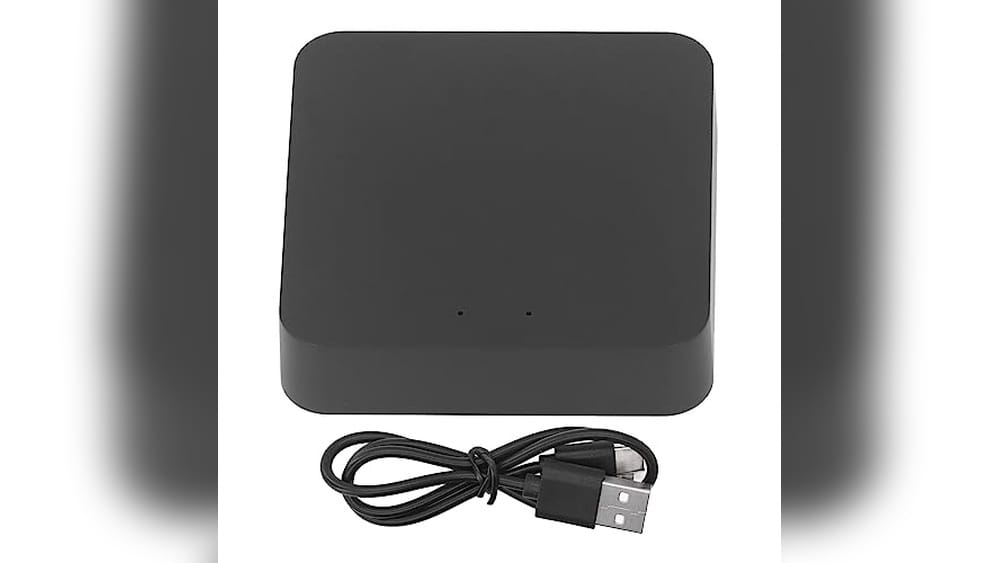
The Locadence BT Smart Hub stands out as the Best Channel for Bt Smart Hub 6 by offering seamless multi-network control for smart home devices.

The Locadence BT Smart Hub is a portable wireless gateway designed to unify your smart home system through Bluetooth and WiFi networks. It helps solve the challenge of controlling multiple smart devices remotely and locally, even when your internet network is down, thanks to its intelligent multi-network integration.
Using this hub feels straightforward and reliable; it supports app-based remote control from anywhere and voice commands through compatible assistants. Its compact design fits easily in various spaces, and device sharing with family members simplifies managing your home automation.
Key Advantages of the Locadence BT Hub
- Integrates WiFi and Bluetooth for uninterrupted device control
- Remote app control lets you manage devices from anywhere worldwide
- Supports voice commands with assistant compatibility for hands-free operation
- Strong interference resistance ensures secure and stable connections
- Compact, easy-to-place design that supports up to 100 connected devices
- Allows sharing device control with multiple users without complex setup
Considerations Before Buying
- Requires use of a specific app for remote control functionality
- Primarily designed for smart home systems compatible with Bluetooth and WiFi
- No detailed information on included accessories or power requirements
Where This Hub Excels
This hub is ideal for smart home users who want consistent control over their devices without relying solely on WiFi. It removes the hassle of connectivity interruptions by blending Bluetooth and WiFi management seamlessly. For best results, ensure your devices are compatible with Bluetooth or WiFi protocols supported by the hub.
With its strong security features and easy sharing options, it brings peace of mind and convenience to managing smart homes. If you prefer a simple and stable system that keeps working even during network issues, this hub fits naturally in your setup.
| Best for | Why |
|---|---|
| Smart home users needing remote access | Allows app control from anywhere globally |
| Homes with mixed WiFi and Bluetooth devices | Supports multi-network integration and mesh communication |
| Families sharing smart device control | Enables multiple users to manage devices without re-pairing |
| Users valuing network security | Employs advanced encryption to prevent malicious intrusion |
Understanding Smart Home Gateways
Smart home gateways serve as the central point connecting various smart devices. They manage communication protocols like WiFi and Bluetooth, allowing devices to work together seamlessly. When choosing a gateway, consider compatibility with your existing devices and the types of networks it supports.
Key Factors To Consider Before Buying
Network Integration
Look for gateways that can integrate multiple networks, such as WiFi and Bluetooth. This flexibility ensures better device compatibility and reliable communication even if one network experiences issues.
Remote and Voice Control
Remote control via an app is essential for managing devices from anywhere. Voice control support adds convenience but verify it works with your preferred smart assistants.
Device Capacity and Sharing
Consider how many devices the gateway can support simultaneously and if it allows sharing control with family members without complicated setup.
Security and Interference Resistance
Security features like encryption protect your network from unauthorized access. Also, check if the gateway has strong interference resistance to maintain stable connections in complex home environments.
Common Setup And Usage Tips
- Place the gateway centrally in your home to maximize signal coverage and reduce dead zones.
- Ensure your smartphone and smart devices are on compatible networks for smooth app-based control.
- Regularly update the gateway’s firmware through the app to maintain security and performance.
- Use device sharing features cautiously by granting access only to trusted family members.
Frequently Asked Questions
Can the gateway work without an internet connection?
Yes, many smart gateways can operate locally using Bluetooth or mesh networks, allowing basic control even without internet access.
Is the gateway compatible with all smart home devices?
Compatibility depends on the protocols supported. Confirm that your devices use WiFi, Bluetooth, or other supported standards before purchasing.
How secure is the communication between devices?
Most gateways use industry-standard encryption to protect data transmission, reducing the risk of unauthorized access.
Can multiple users control the same devices?
Yes, many gateways support device sharing, allowing multiple users to control devices via their apps without re-pairing.
Will voice control work with popular assistants?
Voice control compatibility varies; check if the gateway supports your preferred assistant such as Google Assistant or Amazon Alexa.
Final Thoughts On Choosing A Smart Home Gateway
Choosing the right smart home gateway involves balancing network compatibility, ease of use, and security. Focus on how the gateway integrates with your existing devices and your control preferences. A well-chosen gateway can simplify managing your smart home and enhance daily convenience without unnecessary complexity.