
Finding The Right Smart Humidity Sensor For Your Wink Hub
You’ve likely experienced the frustration of unpredictable humidity levels affecting your home comfort or damaging belongings. A smart humidity sensor promises to help by monitoring these changes and integrating with your Wink Hub for automated control. However, picking the right one can be tricky.
These devices often come with a mix of features like motion detection, temperature sensing, or different connectivity options. Some require a hub, others don’t. Power sources vary between battery and wired models. Balancing ease of setup, compatibility, and the specific functions you need can feel overwhelming.
This guide aims to clarify what matters most when choosing a smart humidity sensor for your Wink Hub setup. It will help you understand the key factors and avoid common missteps so you can make a confident choice.
What To Focus On When Choosing A Smart Humidity Sensor
Not all sensors are created equal, especially when looking for Wink Hub compatibility. Some devices excel at multi-sensing but might lack seamless integration. Others prioritize battery life or continuous power but may have limited features. Consider what you need most—whether that’s precise humidity readings, additional environmental data, or easy automation triggers.
Also, think about where and how you’ll use the sensor. Indoor placement, high-traffic areas, or rooms with fluctuating conditions might call for different designs and sensor types. Remember that a sensor’s size, power source, and connectivity options can impact how well it fits into your smart home.
Avoiding Common Confusion
Many buyers assume all smart humidity sensors will work smoothly with Wink Hub, but that’s not always true. Some devices are designed for other ecosystems or require additional hubs or bridges. Features like motion sensing or light detection can be helpful but might complicate setup if they’re not fully supported.
Price can also be misleading. Higher cost doesn’t always mean better compatibility or functionality. Focus on what features align with your needs rather than just the price tag or extra bells and whistles.
Understanding these points will save you time and frustration during your search.
Next, you’ll find a selection of smart humidity sensors chosen for their relevant features and compatibility considerations. Each option suits different preferences and setups, helping you find the sensor that fits your Wink Hub environment best.
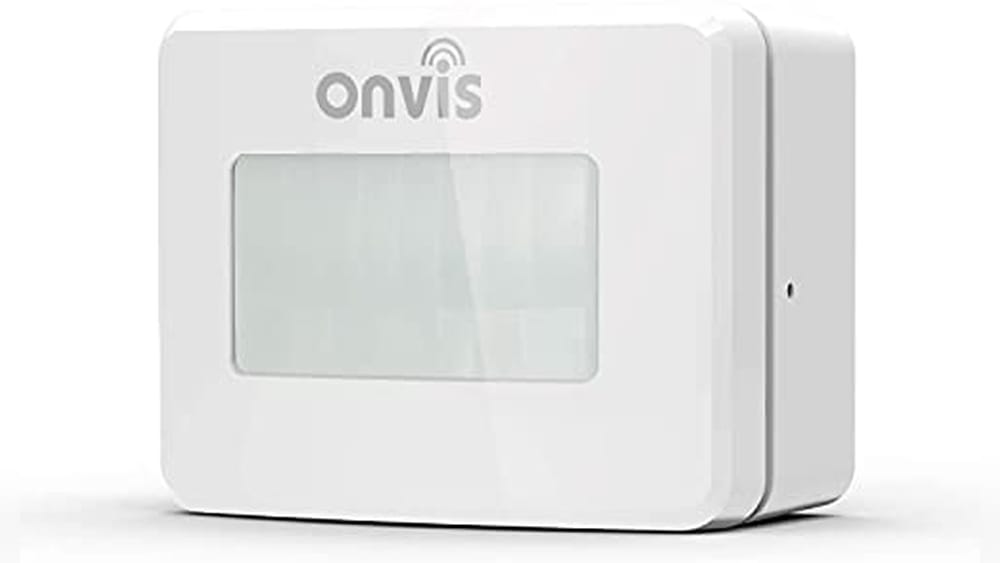
Onvis Smart Humidity Sensor
The Onvis Smart Humidity Sensor stands out as the Best Smart Humidity Sensor for Wink Hub users who want accurate indoor climate tracking without extra hubs.
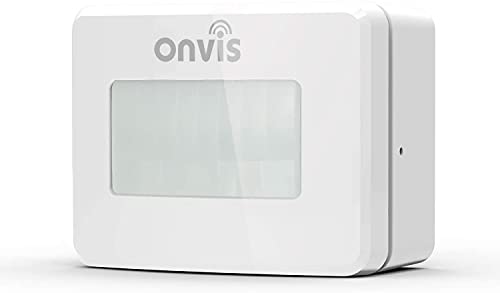
The Onvis Smart Humidity Sensor is a compact indoor device that tracks motion, temperature, and humidity to help maintain a comfortable home environment. It works seamlessly with Apple HomeKit and does not require an additional hub, simplifying setup and integration.
Using this sensor is straightforward and dependable; it sends instant notifications to your iOS devices when motion is detected and allows automation for climate control based on real-time readings. This helps reduce guesswork and keeps your home environment just right with minimal effort.
Key Benefits of This Sensor
- Accurate temperature and humidity readings for better home comfort
- Instant motion alerts to keep you informed about activity at home
- Works exclusively with Apple HomeKit, no extra hub needed
- Supports automation like turning on A/C or lights based on conditions
- Compact and easy to install with long-lasting AAA battery power
- Enables remote monitoring via Apple devices and HomePod hubs
Considerations Before Buying
- Only compatible with Apple HomeKit ecosystem, not with Wink Hub directly
- Requires Apple TV, HomePod, or iOS device for remote access
- No Android or non-Apple smart home integrations supported
What to Know Before You Buy
This sensor is ideal for Apple HomeKit users who want a reliable and simple way to monitor indoor humidity and motion without adding a hub. It removes the hassle of complex setups and provides real-time alerts to help keep your home safe and comfortable.
To get the most out of this device, set up automation scenes in the Apple Home app to control your thermostat or lights based on sensor readings. This reduces energy waste and enhances home convenience with little ongoing effort.
| Best for | Why |
|---|---|
| Apple HomeKit Users | Seamless integration without needing extra hubs |
| Homeowners Monitoring Indoor Climate | Accurate humidity and temperature tracking for comfort |
| Users Wanting Motion Alerts | Instant notifications for activity detection |
| Those Seeking Simple Smart Automations | Supports custom scenes to automate home devices |
Homeseer Motion & Light Sensor
While not compatible with Wink Hub, this sensor is often considered when searching for the Best Smart Humidity Sensor for Wink Hub due to its multi-sensing capabilities and Z-Wave Plus technology.

The HomeSeer Motion & Light Sensor is a Z-Wave Plus multisensor that detects motion, temperature, and light levels to help automate your smart home environment. It plugs into a standard outlet, so there is no need to worry about batteries. The customizable RGB LED indicator provides visual alerts for various events.
Using this sensor offers consistent monitoring with the added benefit of acting as a Z-Wave repeater, improving network range and reliability. It works smoothly with popular platforms like HomeSeer, Hubitat, and Home Assistant, making it a dependable choice for those ecosystems.
Key Advantages of This Sensor
- Detects motion, temperature, and light for comprehensive monitoring.
- Powered by AC outlet—no batteries required for uninterrupted operation.
- Programmable RGB LED offers clear visual alerts for different events.
- Acts as a Z-Wave repeater to enhance network connectivity.
- Compatible with HomeSeer, Hubitat, and Home Assistant platforms.
Considerations Before Buying
- Not compatible with Wink Hub or Vera systems.
- Requires a 120-volt US-style power outlet for operation.
- Does not specifically measure humidity levels.
Where This Sensor Excels
This product is best for users who want a multi-functional sensor for motion, temperature, and light within Z-Wave smart home networks like HomeSeer and Hubitat. It removes the hassle of battery maintenance and offers reliable performance as a network repeater.
Though it is not designed for Wink Hub compatibility, if you are using HomeSeer or similar systems, the customizable LED indicator can help reduce guesswork by providing immediate visual feedback. To get the most out of this sensor, place it where motion and light levels frequently change for timely alerts.
| Best for | Why |
|---|---|
| Users with HomeSeer or Hubitat hubs | Ensures seamless integration and multi-sensor data reporting |
| Homes with Z-Wave networks needing extended range | Functions as a repeater to strengthen network connectivity |
| Those wanting low-maintenance sensors | AC powered, eliminating battery replacement concerns |
| Smart home enthusiasts needing visual alerts | Programmable RGB LED provides customizable event notifications |
Understanding Your Needs For Motion Detectors
Before choosing a motion detector, consider your home’s smart ecosystem and what you want to achieve. If you prioritize seamless integration with Apple HomeKit, a device compatible without the need for an additional hub is beneficial. On the other hand, if you use platforms like HomeSeer, Hubitat, or Home Assistant, a Z-Wave Plus sensor that also acts as a network repeater may be more suitable.
Think about whether you want additional environmental data like temperature and humidity, or prefer a device that plugs into power to avoid battery replacements.
Key Features To Compare
Compatibility and Hub Requirements
Check if the sensor works with your existing smart home hub or system. Some devices require a hub for remote access, while others operate directly via Bluetooth or Z-Wave.
Power Source Considerations
Battery-powered sensors offer flexible placement but require periodic battery changes. AC-powered options ensure continuous operation but need an outlet nearby.
Additional Sensors and Capabilities
Some motion detectors also measure temperature, humidity, or light levels, providing more data for automations and comfort management.
Automation and Notification Features
Consider how the device handles alerts and triggers. Customizable scenes, instant notifications, and programmable LED indicators can enhance usability.
Common Mistakes To Avoid When Choosing A Motion Detector
- Ignoring compatibility with your existing smart home system.
- Overlooking power source constraints which can limit placement options.
- Assuming all motion detectors provide the same level of sensor accuracy.
- Not verifying whether the device supports remote monitoring or requires additional hardware.
Setup And Usage Tips
Place sensors in locations with clear lines of sight to maximize motion detection accuracy. Avoid placing them near heat sources or windows where sunlight may cause false triggers.
For sensors with additional environmental measurements, calibrate settings as needed through your smart home app to ensure accurate readings and responsive automations.
Regularly check battery levels if using battery-powered devices, and ensure your hub or controlling device firmware is up to date for best performance.
Frequently Asked Questions
Can I use these motion detectors outdoors?
Most indoor motion detectors are not designed for outdoor use due to exposure to weather elements. Check the product specifications for outdoor compatibility.
Do I need a hub to use these motion detectors?
It depends on the device and your smart home setup. Some sensors work with Bluetooth and require no hub, while others rely on Z-Wave or HomeKit hubs for full functionality.
How often do battery-powered motion detectors need new batteries?
Battery life varies by device and usage but can range from several months to over a year. Monitoring battery status through the app helps avoid unexpected downtime.
Will motion detectors trigger false alarms from pets?
Some sensors include pet immunity features, but many do not. Placement and sensitivity settings can help reduce false alarms caused by pets.
Can these sensors be integrated with voice assistants?
Integration depends on the smart home platform used. Devices compatible with HomeKit, HomeSeer, or similar systems often support voice commands via Siri, Alexa, or Google Assistant.
Final Thoughts On Selecting A Motion Detector
Choosing the right motion detector involves understanding your smart home environment and usage preferences. Focus on compatibility, power options, and the additional features that align with your needs. Thoughtful placement and setup will enhance reliability and ensure the sensor serves its intended purpose effectively.