
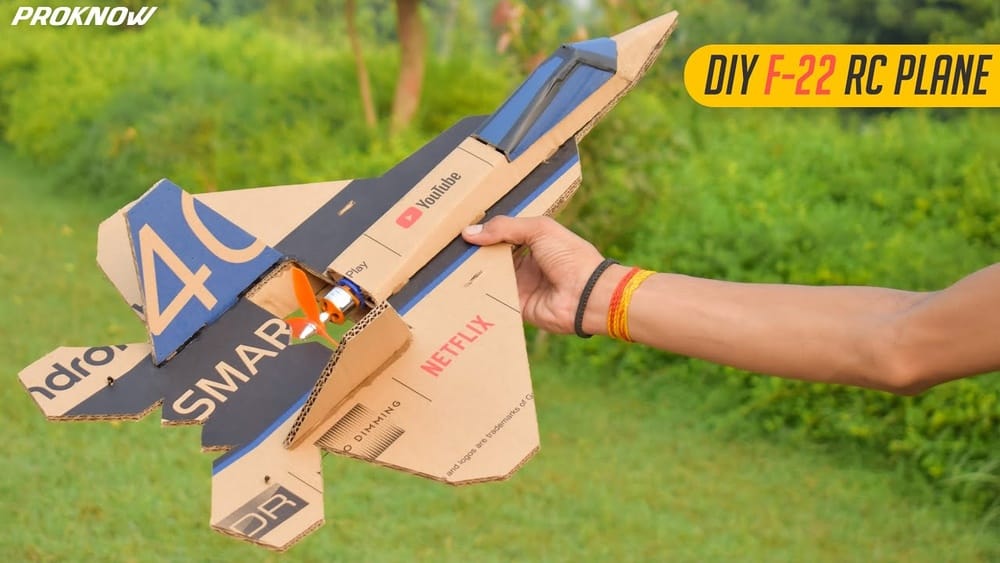
Building a remote control jet is a dream for many hobbyists and aviation fans. The excitement of designing, assembling, and flying your own jet brings a unique sense of achievement. However, turning this dream into reality requires careful planning, patience, and attention to detail. This guide will walk you through the entire process of making a remote control (RC) jet, from understanding the basics to the first flight. Whether you’re just starting or want to upgrade your skills, you’ll find practical advice, hidden tips, and clear explanations. Let’s explore how you can create a remote control jet that really takes off.
Understanding The Basics Of Rc Jets
Before you start building, it’s important to know what makes remote control jets special. RC jets are not like standard propeller planes. They use ducted fan or turbine engines, which allow them to fly faster and look more realistic.
Types Of Rc Jets
- Electric Ducted Fan (EDF) Jets: These are the most popular for beginners. They use an electric motor and a fan inside a duct to create thrust. EDF jets are quieter, cleaner, and usually easier to handle.
- Turbine Jets: These use small jet engines that burn fuel, just like real jets. Turbine jets are powerful and fast, but they are expensive and require more experience.
- Pusher Propeller Jets: They have a propeller at the back but are shaped like jets. These are simpler but less realistic.
Why Start With Edf Jets?
Most beginners choose EDF jets because they offer a good balance of speed, safety, and cost. They are available in many sizes, from tiny park flyers to large models. You can find many kits and spare parts easily.
Key Components Of An Rc Jet
Every remote control jet has some basic parts:
- Airframe (the main body, wings, tail)
- Motor (electric or turbine)
- Electronic speed controller (ESC)
- Servos (move the control surfaces)
- Receiver
- Transmitter (remote)
- Battery
- Landing gear
- Wiring and connectors
Each part must fit well with the others. For example, a powerful motor needs a matching ESC and battery.
Planning Your Build
Success begins with smart planning. Building a remote control jet is much easier if you have a clear goal and the right materials.
Choosing Your Jet Model
Ask yourself:
- Do you want a beginner-friendly trainer jet or a high-speed racer?
- What is your budget?
- How much space do you have to fly?
- Are spare parts and support available for your chosen model?
For your first build, pick a popular EDF jet kit from a known brand. These kits often include instructions and customer support.
Kit Vs. Scratch-built
- Kit: Most beginners use kits. They come with pre-cut parts and sometimes electronics.
- Scratch-built: For experts who want a custom jet. You’ll need to design, cut, and assemble everything from raw materials.
Budget Planning
RC jets can cost anywhere from $150 to over $2,000. Here’s a simple cost comparison for beginner and advanced builds:
| Component | Beginner EDF Jet | Advanced Turbine Jet |
|---|---|---|
| Airframe | $80 – $200 | $500 – $1,200 |
| Motor/Turbine | $50 – $120 | $800 – $2,000 |
| Electronics | $60 – $150 | $300 – $600 |
| Battery/Fuel | $20 – $80 | $100 – $300 |
| Other Parts | $10 – $40 | $50 – $200 |
| Total | $220 – $590 | $1,750 – $4,300 |
Essential Tools
- Screwdrivers and wrenches
- Soldering iron (for wiring)
- Hobby knife
- Epoxy or CA glue
- Sandpaper
- Measuring tape and ruler
- Heat shrink tubing
Buying quality tools makes the build easier and safer.
Choosing The Right Materials
The materials you choose affect your jet’s strength, weight, and flying ability.
Common Materials
- Foam (EPO, EPS, EPP): Lightweight, easy to shape, great for beginners. EPO is tough and resists crashes.
- Balsa Wood: Used in classic kits; light and strong but needs careful work.
- Fiberglass/Carbon Fiber: Used in high-end jets. Very strong and stiff, but expensive and harder to repair.
How Material Choice Affects Performance
- Foam jets are forgiving if you crash and easy to repair.
- Balsa gives a smooth surface and is lighter but can break easily.
- Fiberglass offers a super-realistic look and best performance but is not recommended for beginners.
Beginners should start with EPO foam. It’s durable and simple to glue.
Understanding Jet Aerodynamics
A remote control jet’s shape and design affect how it flies. Jets have thin wings for speed, but this makes them less stable at low speeds.
Key Aerodynamic Concepts
- Wing loading: The weight your wings must lift. Lower wing loading means easier takeoff and slower flight.
- Thrust-to-weight ratio: How much power you have compared to weight. More thrust means better climb and speed.
- Center of gravity (CG): The balance point. If CG is too far back, the jet becomes unstable.
A beginner jet should have a modest wing loading and a safe CG as recommended by the kit.
Comparing Jet Vs. Propeller Plane Flight
| Feature | RC Jet | RC Propeller Plane |
|---|---|---|
| Takeoff speed | High | Low |
| Stall recovery | Harder | Easier |
| Flight time | Shorter | Longer |
| Sound | Whooshing jet noise | Propeller hum |
| Landing speed | High | Low |

Credit: www.youtube.com
Selecting Electronics
Your jet’s electronics are its “nervous system. ” Choose wisely, as they affect performance and safety.
Motor And Fan Unit
- EDF units come in sizes (e.g., 64mm, 70mm, 90mm).
- Match the fan size to your jet’s size and weight.
- A brushless motor is standard for power and efficiency.
Electronic Speed Controller (esc)
- Must handle your motor’s max current.
- Add a safety margin (e.g., if your motor draws 40A, use a 50A ESC).
Battery
- Most jets use LiPo batteries (Lithium Polymer).
- Check the required cell count (3S, 4S, etc.) And capacity (mAh).
- Higher “C” rating means faster discharge (important for jets).
Servos
- Control surfaces (elevators, rudder, ailerons) need strong, precise servos.
- Metal gear servos last longer and resist crash damage.
Transmitter And Receiver
- A 2.4GHz transmitter with at least 4 channels is recommended.
- Look for models with failsafe (auto-cutoff if signal is lost).
Wiring And Connectors
- Use quality connectors (XT60, EC3) to handle high currents.
- Keep wires neat and secure to avoid interference.
Electronics Setup Example
A typical beginner EDF jet might use:
- 70mm EDF unit with 2200KV brushless motor
- 60A ESC
- 4S 2200mAh 40C LiPo battery
- 4 metal gear servos (9g)
- 2.4GHz 6-channel transmitter
Assembling The Jet: Step-by-step
Building your RC jet is where the fun really starts. Be patient, follow instructions, and double-check each step.
1. Prepare Your Workspace
Choose a clean, well-lit table. Lay out all parts and tools.
2. Check Kit Contents
Make sure all parts are present. Missing parts can delay your build.
3. Assemble The Airframe
- Glue the fuselage (main body) halves together.
- Attach the wings and tail. Make sure they are straight and level.
- Use epoxy or recommended glue for strong joints.
- Let each joint dry fully before moving on.
4. Install Landing Gear
- Follow kit instructions for gear placement.
- Use thread-lock on metal screws.
5. Install Motor And Edf Unit
- Mount the EDF unit inside the fuselage.
- Secure with screws or brackets.
- Connect motor wires to the ESC.
6. Mount Servos
- Install servos for elevator, ailerons, and rudder as needed.
- Connect servo arms and linkages to control surfaces.
- Make sure there is no binding.
7. Install Electronics
- Place the ESC near the motor, away from the receiver to avoid interference.
- Mount the receiver securely.
- Route wires neatly and use zip ties if needed.
8. Connect Battery And Test
- Solder or plug connectors as per instructions.
- Turn on your transmitter before plugging in the battery.
- Test each control surface for correct movement.
- Check motor spin direction—reverse any wires if needed.
9. Set Center Of Gravity
- Add battery and check balance using fingertips under the recommended CG point.
- Move the battery forward or backward to adjust.
10. Secure Everything
- Double-check all screws, linkages, and electronics.
- Make sure nothing is loose.
11. Final Fit And Finish
- Add decals or paint (optional).
- Check that all moving parts are free.
Pre-flight Checks And Safety
Flying an RC jet safely requires careful pre-flight checks. Missing something small can lead to a crash.
What To Check Before Every Flight
- Transmitter batteries are fully charged.
- Model memory matches your jet.
- All control surfaces move in the correct direction.
- Motor and fan sound smooth—no odd noises.
- Wings and landing gear are secure.
- Range check: Walk 30–50 meters away and check controls.
- Failsafe: Check that throttle cuts if you turn off the transmitter.
Safety Tips
- Fly in open areas, away from people and animals.
- Never fly near airports or restricted zones.
- Wear safety glasses when testing the motor.
- Keep a fire extinguisher handy for LiPo batteries.
Common Beginner Mistakes
- Skipping the CG check (leads to crashes)
- Using low-quality connectors (can cause power loss)
- Not checking servo direction (reverse controls are dangerous)
- Over-tightening screws into foam (cracks the airframe)
First Flight: What To Expect
Your first flight is exciting but can be stressful. Prepare well, and you’ll have a much better experience.
Choosing The Right Day
- Calm weather with little wind is best.
- Mornings or evenings usually have smoother air.
Takeoff
- Use a smooth, paved surface for jets with wheels.
- Hold the jet level, apply full throttle, and let it build speed before pulling up gently.
- If your jet is hand-launched, throw it straight and slightly up at full throttle.
Flight Tips
- Climb to a safe height before turning.
- Make gentle turns—don’t yank the sticks.
- Keep the jet in sight and avoid flying too far.
- Use only half throttle at first to get used to the controls.
Landing
- Start your descent early; jets need more space to land.
- Reduce power and line up with the landing area.
- Keep some speed on final approach to avoid stalling.
- Flare (pull up gently) just before touchdown.
After Landing
- Disconnect the battery immediately.
- Check for any damage.
- Let the electronics cool down before packing up.
Real-world Example
Many beginners crash on their first flight because they panic or over-control. Practicing on an RC flight simulator can help you learn controls and recover from mistakes before risking your jet.
Maintenance And Troubleshooting
Keeping your jet in good shape means more flights and less frustration.
Routine Maintenance
- Check for loose screws and parts before every flight.
- Inspect control surfaces and linkages.
- Clean the fan and electronics to remove dust.
- Store batteries at proper voltage when not in use.
Common Problems And Fixes
- Jet pulls to one side: Check wing alignment and control surface trim.
- Short flight times: Use a higher-capacity battery or check for binding in the fan.
- Jittery controls: Move the receiver away from power wires, or check for radio interference.
- Motor won’t start: Check ESC calibration and wiring.
When To Replace Parts
- Replace cracked foam or broken linkages right away.
- Worn-out servos or noisy motors should be replaced before they fail.
Pro Tip
Use a flight log to track flights, battery cycles, and repairs. This helps spot patterns and prevents failures.
Upgrades And Customization
As you gain experience, you may want to modify your jet for better performance or looks.
Popular Upgrades
- Stronger servos for faster response.
- Larger batteries for longer flights (if weight allows).
- Retractable landing gear for realism.
- Lights for night flying.
- Better transmitters with more features.
Custom Paint And Decals
Personalize your jet with unique colors or squadron markings. Use lightweight, fuel-proof paint for best results.
Advanced Mods
- Add gyro stabilizers for smoother flight.
- Upgrade to carbon fiber spars for strength.
- Install a sound system for realistic jet noise.
Remember, each upgrade adds weight—always check your jet’s balance and power.

Credit: www.stormthecastle.com
Learning From Experience
Building and flying an RC jet is a journey. Here are two insights many beginners miss:
- Simulators Save Jets: Using an RC flight simulator is the quickest way to learn controls and avoid early crashes. Many experts train for hours on simulators before flying real jets.
- Balance Is Everything: Even a small shift in battery position can make a huge difference in flight. Mark your ideal battery location once you find it, and always use the same spot.
Also, join local clubs or online forums. The RC community is full of helpful pilots willing to share tips and troubleshoot problems.
Advanced Considerations
If you want to build more complex jets, you’ll need to learn about:
- Aerodynamic design tools (for custom jets)
- 3D printing for making unique parts
- Telemetry systems to monitor speed, altitude, and battery in real time
These steps take more skill and investment but open up new possibilities.

Credit: maker.pro
Example Flight Data
Experienced hobbyists often use data loggers to track performance. Here’s a sample flight data log from a 70mm EDF jet:
| Flight Parameter | Value |
|---|---|
| Max Speed | 95 mph |
| Flight Time | 5.5 minutes |
| Max Altitude | 200 meters |
| Battery Used | 2200mAh (4S) |
| Peak Amps | 52A |
| Landing Distance | 60 meters |
Collecting data helps you tweak and improve your jet’s performance.
Flying Ethically And Legally
RC jets are powerful and can be dangerous if misused. Always follow local laws and respect others.
- Register your jet if required by your country’s aviation authority.
- Fly only in approved areas.
- Stay away from full-size aircraft, roads, and crowds.
- Respect privacy and noise rules.
For more information, check the FAA’s drone regulations if you’re in the United States.
Frequently Asked Questions
What Is The Best First Jet For Beginners?
A 64mm or 70mm EDF foam jet is ideal. These jets are light, forgiving, and have plenty of spare parts available. Popular models include the F-16, F-18, and T-45. They offer a good mix of speed and control for new pilots.
How Long Does It Take To Build A Remote Control Jet?
If you use a kit, building can take 8 to 15 hours spread over a few days. Scratch-building from raw materials may take several weeks. Allow extra time for paint, electronics setup, and testing.
How Fast Do Rc Jets Fly?
Beginner EDF jets fly at 50 to 80 mph. Advanced turbine jets can exceed 150 mph. Always start with slower jets until you master the controls.
Do I Need A License To Fly An Rc Jet?
Rules depend on your country. In the US, you may need to register your jet with the FAA if it’s over 0. 55 lbs. Some countries require insurance or club membership. Always check local regulations before flying.
Can I Repair My Jet After A Crash?
Yes, most foam jets are repairable with glue and tape. Balsa and fiberglass jets are harder to fix but possible with the right materials. Always inspect for hidden damage before flying again.
Creating a remote control jet is a rewarding and exciting project. With careful planning, patience, and practice, you can build a jet that brings hours of fun in the sky. Start simple, learn from each flight, and soon you’ll be mastering advanced maneuvers. Fly safe, and enjoy the thrill of your own jet soaring through the air!