
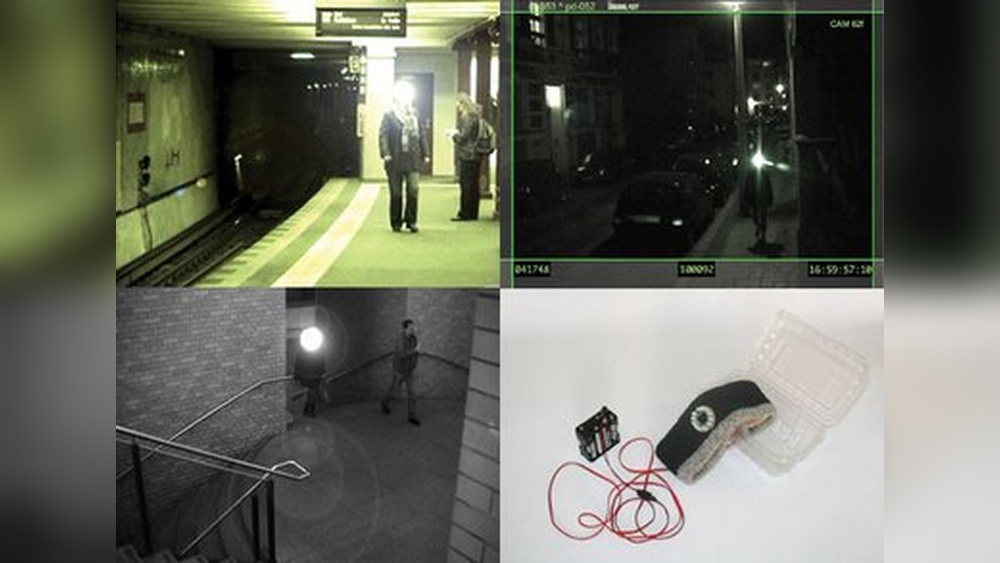
Security cameras are everywhere today. You see them at banks, stores, schools, offices, and even in many homes. They help protect property and keep people safe by recording what happens in an area. But sometimes, people want to know if it’s possible to block, blind, or avoid a security camera.
Maybe you’re curious for privacy reasons, or you want to understand how secure a system really is. This article explains, in clear language, how security cameras work, why people might want to blind them, and the different techniques used—both legal and illegal.
We’ll discuss the risks, the technology, and the best ways to protect your own cameras from being blinded. If you want a complete, honest look at this topic, you’re in the right place.
How Security Cameras Work
To understand how someone might blind a camera, you first need to know how they function. Most security cameras use either analog or digital technology. They capture light through a lens and turn it into an electrical signal. This signal is sent to a recorder or a computer, which saves the video.
Key Parts Of A Security Camera
- Lens: Focuses the light onto the camera’s sensor.
- Image Sensor: Turns light into an electronic signal. Common types are CCD and CMOS.
- Infrared LEDs: Help the camera see in the dark.
- Housing: Protects the camera from weather and damage.
The lens and sensor are the most important parts for capturing a clear image. If you block the lens or overload the sensor with light, the camera can’t record properly.
Types Of Security Cameras
There are several kinds of security cameras. Each has strengths and weaknesses when it comes to being blinded:
| Type | Main Use | Blinding Difficulty |
|---|---|---|
| Bullet Camera | Outdoor, visible deterrent | Moderate |
| Dome Camera | Indoor/outdoor, hard to see direction | Hard |
| PTZ (Pan-Tilt-Zoom) | Wide area, can move | Hard |
| Hidden/Spy Camera | Secret recording | Very Hard |
| Infrared/Night Vision | Low light, nighttime | Varies |
Some cameras are easier to blind than others. For example, outdoor bullet cameras are usually easier than small hidden cameras.
Why Would Someone Want To Blind A Security Camera?
There are both legal and illegal reasons why someone might want to block a camera’s view. Understanding these motivations is important.
Common Reasons
- Privacy concerns: Some people feel cameras watch them too much, especially in shared spaces.
- Testing security: Security professionals sometimes test their own systems for weaknesses.
- Criminal activity: Thieves or vandals often try to block cameras to avoid being caught.
- Protests: Activists may want to avoid surveillance during demonstrations.
- Curiosity/education: Some people are simply interested in how cameras work and how secure they are.
It’s important to note: Tampering with cameras you don’t own is usually illegal. Even testing your own system can cause problems if you don’t follow the rules.

Credit: www.amazon.com
Legal And Ethical Issues
Before we go into how cameras can be blinded, you should understand the laws and risks involved.
Is It Legal To Blind A Security Camera?
- Your own property: You can test or block your own cameras.
- Other people’s property: It is usually illegal to tamper with cameras you don’t own.
- Public spaces: Blocking public cameras can lead to criminal charges.
- Workplace cameras: Employees should never block cameras at work without permission.
Possible Consequences
- Fines: Many places have fines for tampering with security systems.
- Arrest: Blocking cameras during a crime is often a separate crime itself.
- Job loss: Employees caught blocking cameras can be fired.
- Civil lawsuits: Owners of cameras can sue for damages.
If you’re interested in this topic for ethical or educational reasons, make sure you have permission before trying any techniques.
Common Techniques Used To Blind Security Cameras
There are several ways people try to blind or block security cameras. Some methods are simple and low-tech, while others involve special tools. We’ll explain both.
1. Physical Obstruction
The simplest way is to block the lens. If you put something in front of the camera, it can’t see.
Examples
- Tape or stickers: Covering the lens with opaque tape or a sticker.
- Spray paint: Spraying the lens with paint or a similar substance.
- Objects: Hanging a cloth, paper, or even spider webs over the lens.
Pros: Very effective, cheap, and easy.
Cons: Obvious to camera owners. Cameras may record the act before being blinded.
2. Overloading With Light
Cameras need a certain amount of light to see. If you shine a very bright light at the lens, the camera may not record anything useful.
Methods
- Flashlights: Powerful LED flashlights can wash out the image.
- Laser pointers: A laser can overload the image sensor, creating bright spots or even damaging the camera.
- Infrared LEDs: Some people use IR LEDs to flood the camera with invisible light.
Laser Vs. Flashlight Effectiveness
| Method | Effect on Camera | Visibility to Humans |
|---|---|---|
| Laser Pointer | Can blind or damage sensor | Small, hard to notice |
| Strong Flashlight | Washes out image | Obvious, easy to spot |
| Infrared LEDs | Blinds night vision cameras | Invisible to human eyes |
Non-obvious insight: Many modern cameras have software that adjusts brightness. This makes it harder to blind them with light, especially during the day.
3. Using Reflective Materials
Reflective objects can redirect light or create glare on the camera lens.
Examples
- Mirrors: Placing a mirror to bounce sunlight into the camera.
- Shiny tape: Reflective tape can create confusing reflections.
- Car headlights: Parking a car so headlights shine into a camera at night.
These methods are more useful against cameras that face windows or open spaces.
4. Hacking Or Disabling The Camera System
Some people try to attack the software instead of the camera itself.
Digital Attacks
- Jamming Wi-Fi: Disabling wireless cameras by jamming their signal.
- Cutting cables: Physically cutting the power or video cable.
- Software hacking: Breaking into the camera’s computer system to turn it off or erase footage.
Note: Hacking is illegal without permission and can lead to serious charges.
5. Camouflage And Stealth
Instead of blinding the camera, some people try to avoid being seen.
Common Tactics
- Wearing dark or patterned clothing: Makes it harder for cameras to see you clearly.
- Moving outside of the field of view: Staying in blind spots the camera can’t see.
- Using umbrellas or hats: Large hats or umbrellas can block your face from overhead cameras.
Non-obvious insight: Security cameras often have wider fields of view than you think. Many also use motion tracking, so moving slowly won’t always help.
Credit: reolink.com
How Effective Are These Methods?
Not all methods work equally well. Success depends on the camera’s quality, location, and how much time you have.
Key Factors
- Camera type: High-end cameras with strong night vision or wide dynamic range are harder to blind.
- Location: Cameras mounted high are harder to reach or block physically.
- Owner vigilance: Many systems send alerts if cameras go dark or record sudden light changes.
- Recording speed: Cameras that record continuously are more likely to catch someone trying to blind them.
Effectiveness Table
Here’s a quick look at how effective each method is against modern security cameras:
| Method | Effectiveness | Detection Risk |
|---|---|---|
| Physical Obstruction | Very High | High |
| Bright Lights/Lasers | Medium | Medium |
| Reflective Materials | Low | Low |
| Jamming/Hacking | High (if successful) | Very High |
| Camouflage/Stealth | Low to Medium | Low |
No method is perfect. Many modern cameras are designed to resist these tricks.
Advanced Countermeasures Used By Security Cameras
Security technology is always improving. Today’s cameras use several tricks to avoid being blinded.
1. Wide Dynamic Range (wdr)
WDR cameras can handle both very bright and very dark areas at the same time. This helps stop light overload tricks.
2. Anti-ir Filters
Some cameras have filters that block infrared light. This makes IR LED attacks much less effective.
3. Motion Detection And Alerts
Modern systems can send a phone alert if the camera is covered or if the image suddenly gets too bright or dark.
4. Tamper-proof Design
Many cameras are now designed to be tamper-resistant:
- Dome covers make it hard to spray or tape the lens.
- High mounting points keep cameras out of reach.
- Some cameras have alarms that trigger if moved.
5. Encrypted And Redundant Storage
Instead of just saving video locally, many systems send it to the cloud. This way, even if a camera is blinded or destroyed, video before the event is still safe.
Non-obvious insight: Some new cameras use artificial intelligence (AI) to spot tampering, like someone holding up a light or blocking the view.
How To Protect Your Own Security Cameras From Being Blinded
If you own security cameras, you want them to work as well as possible. Here are some proven tips to keep your cameras safe from blinding attacks.
1. Smart Placement
- Mount cameras high, out of easy reach.
- Angle cameras to avoid direct sunlight or car headlights.
- Don’t point cameras out of windows; glass can reflect IR light and reduce image quality.
2. Use Dome Cameras
Dome cameras are harder to blind because you can’t easily tell where the lens is pointing. They’re also harder to spray or cover.
3. Choose Anti-tamper Models
Look for cameras with anti-tamper alarms and strong housing. Some models even sound an alarm or send a notification if moved or blocked.
4. Enable Motion Alerts
Set up alerts for sudden changes in light or motion. This way, you’ll know right away if someone tries to blind your camera.
5. Regularly Check Footage
Review your camera video often. Look for any signs of tampering, like sudden darkness, bright spots, or missing video.
6. Use Redundant Recording
Save video to the cloud or a remote location. Even if someone blinds or destroys the camera, you’ll still have earlier footage.
7. Hide Your Cameras
Consider adding a few hidden cameras as a backup. If someone blinds the obvious camera, you may still record their actions.
8. Choose High Dynamic Range (hdr) Models
HDR or WDR cameras are less likely to be blinded by sudden bright lights.
9. Use Physical Barriers
Install cages or covers over your cameras to make it harder to reach them.
10. Update Firmware
Keep your camera software up to date. This protects against hacking and software-based attacks.
Practical tip: Many people forget to update their camera software, leaving them open to digital attacks.
Real-world Examples And Statistics
Understanding the real risk can help you take action. Here are some facts and cases about camera blinding.
Notable Incidents
- In 2019, a group of thieves in London used spray paint to block 12 security cameras during a jewelry store robbery.
- A 2017 report found that more than 30% of camera vandalism cases involved physical blocking or spray paint.
- Researchers at the University of Florida tested laser pointers and found that most cheap cameras could be blinded with a $10 green laser from up to 30 feet away.
Data On Camera Tampering
- The International Association of Chiefs of Police reported that tampering is responsible for about 15% of video loss incidents in US businesses.
- In a 2021 survey, 22% of security professionals said they had seen at least one attempt to blind or block a camera on their property.
These numbers show that camera blinding is a real risk, especially for businesses.
How Security Professionals Test For Camera Vulnerabilities
Security experts often test their own systems to find weaknesses. They use some of the same methods criminals use, but with permission.
Penetration Testing Steps
- Visual inspection: Look for cameras that are easy to reach or block.
- Light testing: Shine bright lights or IR LEDs to check for overload.
- Tamper alarms: Try covering or moving the camera to see if alerts trigger.
- Software attacks: Attempt to access the camera via Wi-Fi or network.
Professionals will document any weaknesses and recommend solutions.
Lessons From Testing
- Cameras near entrances are most often targeted.
- Many systems don’t have alerts for sudden loss of video.
- Cheap cameras are much more vulnerable to light-based attacks.
If you want to test your own system, always record your process and get approval if testing at work or for someone else.
Popular Myths About Blinding Security Cameras
There’s a lot of confusion about what works and what doesn’t. Let’s bust a few common myths.
Myth 1: Sunglasses Or Hats Can Always Block Your Face
Reality: Modern cameras use facial recognition and can identify people even with hats or sunglasses.
Myth 2: Any Laser Pointer Will Destroy A Camera
Reality: Most consumer lasers only temporarily blind the camera. Permanent damage requires a much stronger, more expensive laser.
Myth 3: Covering The Camera With Clear Tape Works
Reality: Clear tape may blur the image but rarely blocks it completely. Opaque tape is needed to fully block the lens.
Myth 4: Ir Leds Make You Invisible To All Cameras
Reality: IR LEDs only work on cameras that are sensitive to infrared light, mostly older or low-cost night vision models.
Myth 5: Turning Off The Power Always Disables The Camera
Reality: Many systems have battery backup or record locally, so cutting power may not stop recording.
Non-obvious insight: Some cameras are now built into light fixtures, smoke detectors, or even clocks—making them much harder to spot and blind.
The Future Of Camera Security
Technology continues to advance. Here’s what’s next for both camera defenders and those trying to blind them.
Ai And Smart Detection
Artificial intelligence helps cameras spot suspicious behavior—like someone aiming a laser or moving toward the lens with an object in hand.
Improved Sensors
New sensors are less sensitive to sudden light changes. Cameras can adjust exposure in microseconds, making light-based blinding less effective.
Remote Monitoring
More systems are monitored by security companies or cloud services. Even if a camera is blinded, someone may see the attempt in real time.
Integration With Other Security Devices
Smart cameras now work with alarms, lights, and speakers. If tampering is detected, other systems can scare off intruders.
For more about new camera technology, see this Wikipedia article on CCTV.
Frequently Asked Questions
Can A Laser Pointer Permanently Damage A Security Camera?
Most regular laser pointers only blind the camera temporarily. To cause permanent damage, a very strong laser is needed—usually much more powerful than what’s sold to the public. Using lasers to damage cameras is illegal in many places.
Is It Possible To Blind A Night Vision Camera With Infrared Light?
Yes, many night vision cameras use infrared sensors. Flooding them with IR light can make it hard for the camera to see anything but bright white. However, some new cameras use filters or software to reduce this effect.
How Can I Tell If My Security Camera Has Been Tampered With?
Look for signs like the camera being moved, the lens covered, spray marks, or sudden loss of video. Many modern cameras also send alerts if tampering is detected.
Are There Legal Ways To Protect My Privacy From Cameras?
Yes, you can use curtains, privacy screens, or request that cameras be aimed away from your property. In some places, you can file a complaint if a camera invades your private space.
What Should I Do If Someone Blinds My Security Camera?
First, review the footage to see if you can identify the person or method used. Clean or repair the camera as needed, and report the incident to the police if it’s a crime. Upgrade your system with better placement, tamper alarms, or backup cameras if needed.
Security cameras are a key part of modern safety, but they’re not perfect. Understanding how cameras can be blinded helps you protect your property—and your privacy—better. Use this knowledge wisely and responsibly.

Credit: www.wikihow.com