
Are Electric Lawn Mowers Good?
Lawn care has changed a lot in the last decade. People are now more interested in eco-friendly tools, quieter machines, and easier maintenance. One question many homeowners ask is: Are electric lawn mowers good? This question seems simple, but the answer depends on many factors. People want to know if electric mowers actually work well, how they compare to gas mowers, and if they’re a smart investment for their yard.
This article gives you an honest, in-depth look at electric lawn mowers. We will cover how they work, their strengths and weaknesses, cost factors, performance in different situations, and common mistakes buyers make. By the end, you’ll know if an electric mower fits your needs—or if you might be better off with another type.
How Electric Lawn Mowers Work
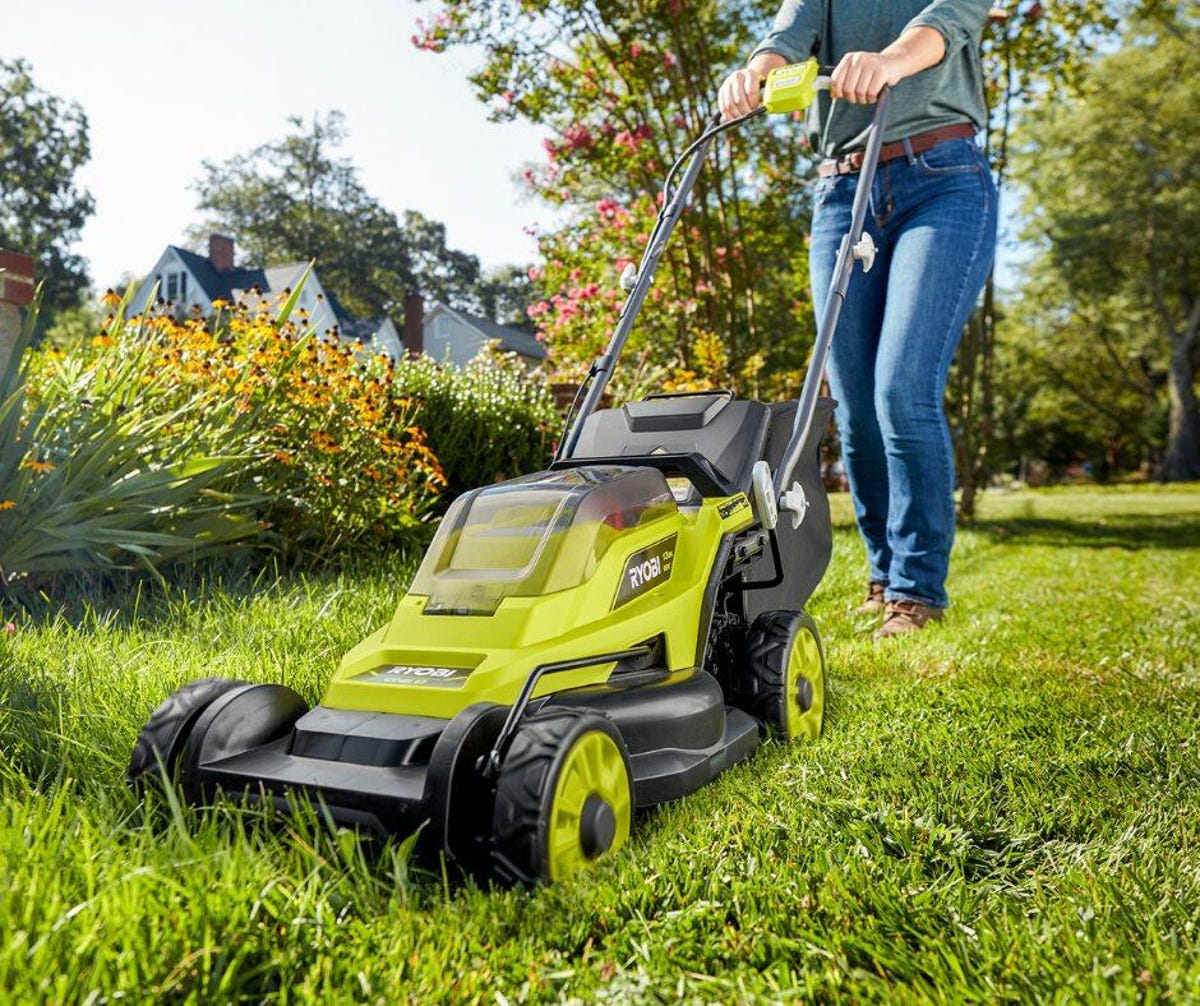
Electric lawn mowers use electricity instead of gasoline to power the motor and cut grass. There are two main types: corded and cordless (battery-powered). Both have their own advantages and trade-offs.
Corded mowers plug into an outlet using a power cord. They never run out of power, but the cord limits how far you can go. Cordless mowers use rechargeable batteries, giving you more freedom to move, but the mowing time depends on battery life.
Both types have a simple design. You push a button, the motor starts, and the blades spin. There’s no need for pulling cords, mixing fuel, or checking oil. This simplicity is one reason why electric mowers are popular, especially for people who want less hassle.
Comparing Electric And Gas Lawn Mowers
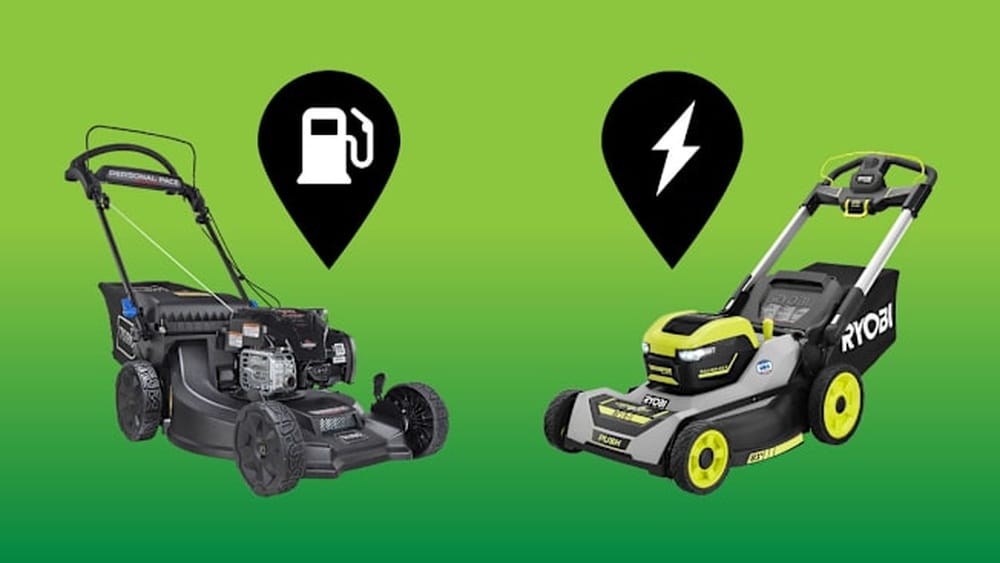
To decide if electric lawn mowers are good, you need to see how they compare to gas-powered mowers. Here’s a look at the main differences:
| Feature | Electric Mowers | Gas Mowers |
|---|---|---|
| Power Source | Electricity (corded or battery) | Gasoline |
| Noise Level | Low | High |
| Maintenance | Minimal | Regular (oil, spark plugs, fuel) |
| Emissions | None | High |
| Cutting Power | Good for small/medium lawns | Excellent for all lawns |
| Initial Cost | Moderate-High | Low-High |
| Running Cost | Low | Moderate-High |
Non-obvious insight: Many buyers think gas mowers are always stronger. Today’s top electric mowers can match or beat gas mowers for most home lawns. Technology has improved, especially in battery power and blade design.
Key Advantages Of Electric Lawn Mowers
Electric lawn mowers offer several benefits that attract modern homeowners. Some of these are easy to see, but a few are often overlooked.
1. Low Noise
One of the most noticeable features is how quiet electric mowers are. Most produce sound levels between 60-75 decibels (about as loud as a conversation), while gas mowers can reach 90 decibels or more. This makes mowing early in the morning or late in the evening much less disturbing for you and your neighbors.
2. Easy Start
Forget about pulling a cord or dealing with carburetors. Electric mowers start with the push of a button. This is especially helpful for older people or anyone who has trouble starting gas engines.
3. Less Maintenance
Electric mowers require almost no regular maintenance. There’s no oil to change, no spark plugs to replace, and no air filters to clean. For many people, this is a huge relief compared to the work and mess of gas engines.
4. No Fumes
Because they don’t burn fuel, electric mowers produce zero emissions while mowing. This is better for your health and helps reduce your carbon footprint. You don’t have to worry about breathing in exhaust or spilling gasoline in your garage.
5. Lightweight Design
Electric mowers are usually lighter than gas mowers. This makes them easier to push, turn, and store. If you have a small yard or limited strength, this feature is a big plus.
6. Lower Long-term Costs
While some electric mowers cost more to buy, you save money in the long run. Electricity is much cheaper than gasoline, and you won’t have to buy oil, spark plugs, or filters. Over five years, owners often spend less on electric mowers than on gas.
7. Easy Storage
With no gasoline or oil inside, electric mowers can be stored upright or hung on a wall. This saves space in your garage or shed.
Disadvantages Of Electric Lawn Mowers
No product is perfect. Electric lawn mowers have some downsides you should know before buying.
1. Limited Run Time
Cordless electric mowers work as long as the battery lasts—usually 30 to 60 minutes per charge. If you have a large yard, you might need to recharge or buy a second battery. Corded models avoid this problem but are limited by cord length and power outlets.
2. Less Power On Thick Grass
While electric mowers have improved, some still struggle with very thick, tall, or wet grass. If your lawn grows fast or you often skip mowing, a gas mower might handle tough jobs better.
3. Charging Time
Battery mowers need time to recharge. A typical battery takes 1 to 2 hours to fully charge. If your battery runs out in the middle of mowing, you may have to wait to finish.
4. Higher Upfront Cost
Good-quality electric mowers can be more expensive than low-end gas mowers. However, the long-term savings often balance this out.
5. Cord Hassle
If you buy a corded mower, managing the cord can be frustrating. There’s always a risk of running over it or getting tangled around trees and bushes.
Non-obvious insight: One mistake new buyers make is using a battery mower on very large lawns without checking the battery size. Batteries lose capacity as they age, so your mowing time can decrease after a few years.
How Electric Mowers Perform On Different Lawns
The type and size of your yard affect how well an electric mower works. Here’s what to expect:
Small Lawns (up To 1/8 Acre)
Electric mowers are a perfect fit. Corded models easily cover small spaces, and battery mowers can mow the whole yard on a single charge.
Medium Lawns (1/8 To 1/2 Acre)
Most battery-powered mowers can handle these lawns, but you may need a spare battery for convenience. Corded mowers can work if you have enough outlets and don’t mind using an extension cord.
Large Lawns (over 1/2 Acre)
Electric mowers are less ideal unless you buy a top-tier model with extra batteries. For most large lawns, gas mowers are still more efficient. However, some people use two batteries and swap them halfway through mowing.
Sloped Or Uneven Lawns
Electric mowers are light, which helps on slopes, but they may not have as much traction as heavy gas mowers. Self-propelled electric models are available, but they cost more.
Thick Or Wet Grass
Electric mowers can cut thick or wet grass, but you may need to go slower. Some mowers have a “boost” mode for more power, but this drains the battery quickly.
Types Of Electric Lawn Mowers
There are different styles and features to consider. The main types are:
Corded Push Mowers
Simple, affordable, and good for small lawns. No need to recharge, but you must manage the cord.
Cordless Push Mowers
Run on rechargeable batteries. Ideal for small to medium lawns. No cord to worry about.
Self-propelled Mowers
Use a battery to power the wheels. Easier to push, especially on hills or for people with limited strength.
Robotic Mowers
Work like a robot vacuum. You set up a boundary, and they mow by themselves. Great for people who want “hands-off” mowing, but they are expensive.
Riding Electric Mowers
Best for large lawns. They look like small tractors and run on batteries. They are still rare and cost much more than push mowers.
Features To Look For In An Electric Lawn Mower
Not all electric mowers are created equal. Here are the most important features to consider when shopping:
1. Battery Voltage And Amp-hours
For cordless models, battery voltage (V) and amp-hours (Ah) determine power and run time. Higher numbers usually mean more power and longer mowing sessions.
2. Cutting Width
A wider deck means fewer passes to finish your lawn. Most electric mowers have decks between 14 and 21 inches.
3. Height Adjustment
Choose a mower with easy-to-use height settings. This lets you cut grass to the right length for your lawn type.
4. Grass Disposal Options
Look for a mower that can mulch, bag, or side-discharge. Some mowers do all three, while cheaper models may only have one or two options.
5. Weight
A lighter mower is easier to push, especially for older adults or people with mobility issues.
6. Foldable Handles
Foldable or collapsible handles make storage much easier, especially in small sheds or garages.
7. Safety Features
Look for features like a safety key, blade brake, or child lock to prevent accidents.
8. Battery Indicator
A clear battery life display helps you avoid running out of power mid-mow.
Practical tip: Check if batteries are interchangeable with other yard tools from the same brand. This can save money and space.
Cost Breakdown: Are Electric Lawn Mowers Worth The Money?
Let’s look at the real costs over five years for both types of mowers:
| Cost Factor | Electric Mower | Gas Mower |
|---|---|---|
| Initial Purchase | $200 – $700 | $150 – $600 |
| Annual Maintenance | $0 – $30 | $50 – $100 |
| Annual Fuel/Energy | $5 – $15 | $25 – $60 |
| Battery Replacement (every 3-5 years) | $80 – $150 | N/A |
| Total Over 5 Years | $225 – $925 | $375 – $1,100 |
Key point: While electric mowers can cost more at the start, their low maintenance and running costs usually make them cheaper over time. Battery replacement is a real cost, but not every year.
Credit: www.cnet.com
Environmental Impact
One of the biggest reasons people switch to electric mowers is the environmental benefit. Gas mowers are surprisingly polluting. According to the U.S. Environmental Protection Agency, one hour of mowing with a gas mower can produce as much pollution as driving a car for 100 miles.
Electric mowers produce no direct emissions. If your electricity comes from renewable sources, your mower is almost carbon-free. Even with regular grid power, using an electric mower is much cleaner than using gas.
Another benefit: electric mowers are quieter, so they reduce noise pollution. This is especially important in cities and suburbs.
Common Mistakes When Buying An Electric Lawn Mower
Many people rush into buying an electric mower and end up disappointed. Here are mistakes to avoid:
- Choosing the wrong size: Don’t buy a tiny mower for a big lawn or a massive mower for a small yard.
- Ignoring battery life: Check how long the battery lasts and how long it takes to recharge.
- Forgetting about grass type: Thick, tough grass needs a more powerful mower.
- Overlooking storage space: Make sure you have enough room for your mower, especially if you choose a larger model.
- Not checking warranty: Some brands offer better support and longer warranties.
Pro tip: Read real user reviews, not just specs. Many buyers share how mowers handle in real conditions, which gives you a better idea of what to expect.
Who Should Choose An Electric Lawn Mower?
Electric mowers are not for everyone. Here’s who will benefit most:
- Homeowners with small to medium lawns: Especially if you want easy, clean mowing with less noise.
- People who care about the environment: If you want to reduce emissions and avoid spilling gasoline.
- Anyone who hates maintenance: Electric mowers need much less work.
- Older adults or people with limited strength: Lighter and easier to start and push.
You might want to avoid electric mowers if you have a huge yard, very thick grass, or often mow when the grass is wet.
Are Electric Lawn Mowers Good For Commercial Use?
Most electric mowers are designed for homes, not big jobs. However, some brands now make commercial-grade electric mowers. These are bigger, stronger, and have longer battery life.
Professional landscapers sometimes use electric mowers in noise-sensitive areas or for green certifications. But gas mowers are still more common for heavy-duty work because they can run all day with quick refueling.
Real User Experiences
Many people who switch from gas to electric are surprised by how easy mowing becomes. For example, one homeowner with a 1/3-acre yard said, “I was tired of pulling the gas mower cord and dealing with fumes. My electric mower starts instantly, is quiet, and I can mow the whole yard on one battery.
I’ll never go back. ”
However, some users with bigger lawns or lots of thick weeds say battery life is still a problem. “I love the quiet, but I wish I had bought a second battery,” one user explained.
Non-obvious insight: Battery performance can drop in cold weather, so people in colder climates should plan for shorter run times in early spring or late fall.
How To Get The Best Results With An Electric Mower
- Keep blades sharp: Dull blades use more battery and leave ragged grass.
- Mow regularly: Don’t let grass get too tall. Short, regular cuts are easier on the mower.
- Store batteries properly: Keep batteries indoors over the winter to extend life.
- Charge after use: Top off the battery after each mow so you’re always ready.
- Clean the mower deck: Grass buildup under the deck can block airflow and reduce performance.
:max_bytes(150000):strip_icc()/spr-lawn-mowers-apr-24-test-toro-7013897-22-in-60v-flex-force-21466-battery-self-propelled-kit-jarren-potter-11-62e5392912b0403d95316701b2c89dad.jpeg)
Credit: www.thespruce.com
Electric Mower Brands To Consider
If you’re interested in buying, here are a few respected brands:
- EGO Power+ (known for strong batteries and self-propelled models)
- Greenworks (good value and interchangeable batteries)
- Ryobi (wide range of cordless outdoor tools)
- Makita (high build quality)
- WORX (affordable and innovative features)
- Toro (trusted brand, now with electric options)
Look for models with good reviews and a warranty of at least two years.
Electric Mower Safety Tips
While electric mowers are generally safer than gas, you should still follow basic safety rules:
- Unplug or remove battery before cleaning or maintenance.
- Keep hands and feet away from moving parts.
- Don’t mow wet grass if you use a corded model (risk of shock).
- Watch the cord to avoid tripping or cutting it.
- Store out of reach of children.
Future Of Electric Lawn Mowers
Battery and motor technology keep improving. In a few years, we can expect even longer run times, faster charging, and more powerful cutting. Some companies are testing solar charging and smart features like phone app controls.
Lawn care is moving toward greener, quieter, and more efficient tools. Electric mowers are leading this change.
When You Should Not Buy An Electric Lawn Mower
Despite many benefits, electric mowers are not the best choice for everyone:
- Very large lawns: Unless you invest in a riding mower or several batteries.
- Remote areas with no outlets: Corded mowers won’t work, and charging batteries can be hard.
- Heavy commercial use: Gas mowers may still be better for all-day, tough jobs.
If you mow only a few times a year and let the grass get very long, a heavy-duty gas mower is still the better tool.

Credit: www.youtube.com
Summary: Are Electric Lawn Mowers Good?
So, are electric lawn mowers good? For most homeowners with small to medium lawns, the answer is a confident yes. They are quiet, easy to use, and better for the environment. Maintenance is simple, and long-term costs are usually lower.
However, you need to choose the right model for your yard size and mowing habits.
Electric mowers may not be perfect for very large or challenging lawns, but for most people, they offer a great balance of convenience, cost, and performance. As technology improves, expect electric mowers to become even more popular.
For more data on emissions and energy use, check out the EPA’s Greenacres page.
Frequently Asked Questions
How Long Do Electric Lawn Mower Batteries Last?
Most batteries last between 3 to 5 years before needing replacement. Each charge typically provides 30 to 60 minutes of mowing. Battery lifespan depends on use, storage, and climate.
Can Electric Mowers Handle Wet Or Tall Grass?
Electric mowers can cut wet or tall grass, but you may need to mow slower and empty the bag more often. Some models struggle with very thick grass, so regular mowing is best.
Are Electric Lawn Mowers Safe?
Yes, electric mowers are generally safe. They have safety switches and no hot engine parts. However, always unplug corded mowers or remove the battery before maintenance, and never mow wet grass with a corded model.
How Much Does It Cost To Run An Electric Mower?
Running costs are very low—usually $5 to $15 per year for electricity. Maintenance is also cheap, with no oil or gas to buy.
Do Electric Lawn Mowers Need Special Maintenance?
Electric mowers need very little maintenance. Keep the blades sharp, clean the deck, and store batteries properly. There’s no need for oil changes or fuel stabilizers.
If you choose the right model for your yard and follow basic care, an electric lawn mower can make mowing simpler, quieter, and greener for years to come.