
Are Simplisafe Outdoor Cameras Waterproof?
Home security is a top priority for many people today. Outdoor cameras help you see what is happening around your home, but they face a tough challenge: the weather. Rain, snow, dust, and heat can damage cameras if they are not designed for outdoor use. If you are considering SimpliSafe outdoor cameras, you may wonder—are they really waterproof? Can they survive a heavy storm or a snowy winter? This article explores the weather protection of SimpliSafe’s outdoor cameras, explains what “waterproof” means for security devices, and helps you decide if these cameras are the right choice for your home.
What Does “waterproof” Mean For Outdoor Cameras?
People often say “waterproof” when talking about electronics, but the word can be confusing. Sometimes, products are only “water-resistant,” not truly waterproof. Understanding this difference is important before you buy a camera for your yard or driveway.
Waterproof Vs. Water-resistant
- Waterproof means the device can survive being completely covered in water for a certain time.
- Water-resistant means it can handle rain, splashes, or a bit of moisture but not full submersion.
Most security cameras are not truly waterproof. They are designed to resist rain and dust, not to be dropped in a pool or left underwater.
The Ip Rating System
Electronics often use an IP rating (Ingress Protection) to show how well they keep out water and dust. The IP code has two numbers:
- The first number shows protection against dust (0 to 6).
- The second number shows protection against water (0 to 9).
For example, an IP65 rating means:
- 6 = Dust-tight (no dust can get in)
- 5 = Protected against water jets from any direction
If a camera is IP65, it can handle rain, wind, and dust, but you should not submerge it in water.
Simplisafe Outdoor Camera Models And Their Weather Protection
SimpliSafe offers two main types of cameras for outdoor use:
- The SimpliSafe Wireless Outdoor Security Camera
- SimpliCam (Indoor Camera, sometimes used outdoors with a special kit)
Let’s look at how each model is built for outdoor use and how they stand up to the weather.
Simplisafe Wireless Outdoor Security Camera
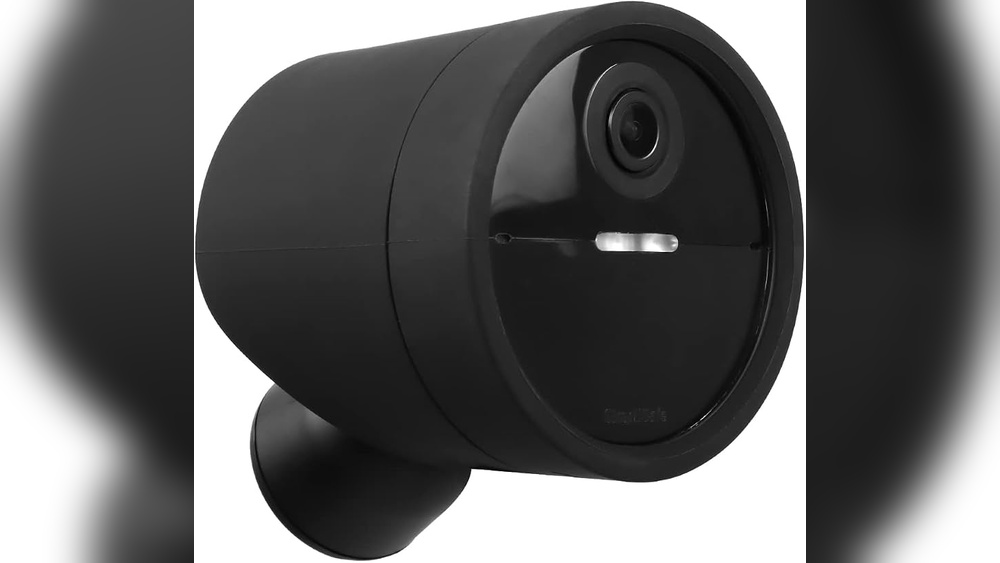
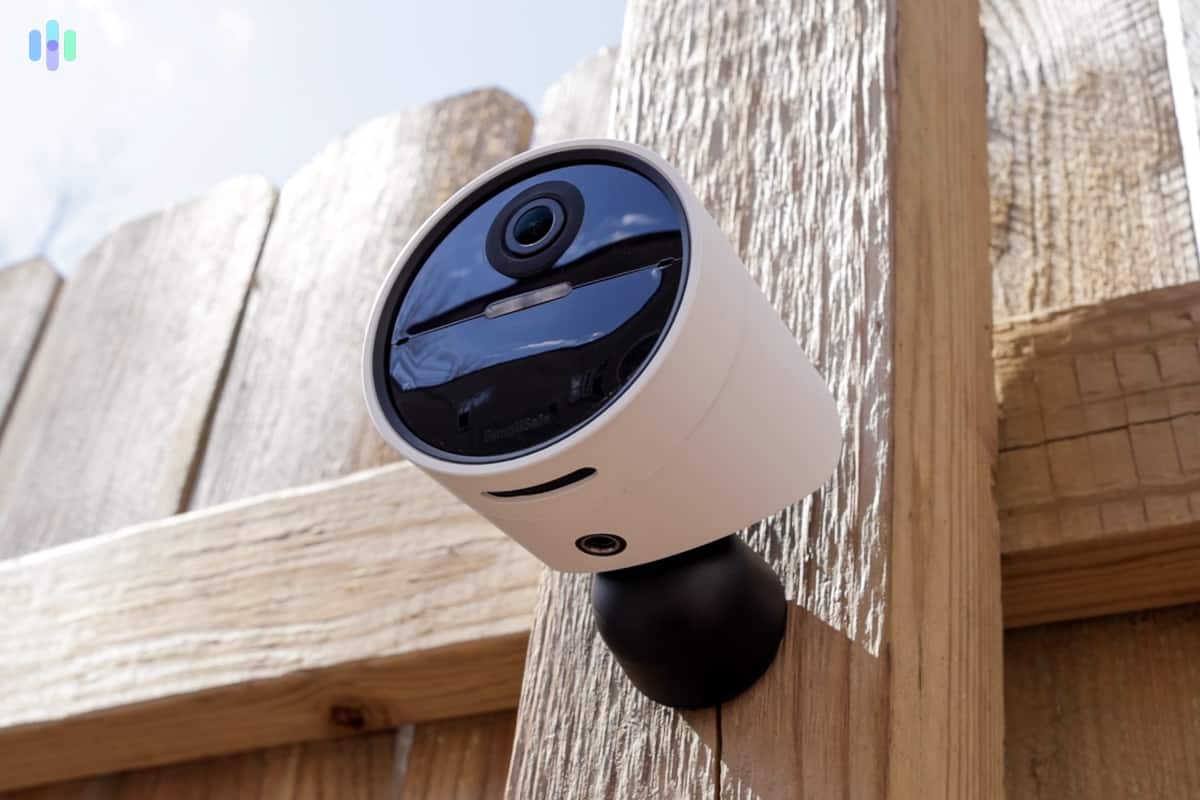
This is SimpliSafe’s main camera for outside your home. It is designed to be mounted on walls, fences, or under eaves.
Key Features
- IP65 rating: This means the camera is “dust-tight” and can resist low-pressure water jets from any direction. It can handle rain, snow, and wind-blown dust.
- Temperature range: The camera works between -4°F and 122°F (-20°C to 50°C). This covers most climates in the US and many other countries.
- Sealed battery compartment: The battery is protected inside a sealed case, so water cannot get in easily.
What This Means In Real Life
The SimpliSafe Outdoor Camera is not “waterproof” in the sense that you can drop it in a lake and still expect it to work. However, it is water-resistant enough to survive storms, snow, and daily weather. The IP65 rating is strong for a home security camera.
Common mistake: Some people think IP65 means you can wash the camera with a hose or install it in a spot where water collects. This is not true. IP65 protects against rain and splashes, not full submersion.
Simplicam With Outdoor Kit
SimpliSafe’s original camera, the SimpliCam, is mainly for indoor use. However, SimpliSafe sells an Outdoor Kit (a special silicone sleeve and mounting hardware) to add some weather protection.
- No official IP rating: Even with the Outdoor Kit, the SimpliCam does not have a tested IP rating.
- Rain and dust: The kit helps protect against light rain and dust, but it is not as secure as the dedicated outdoor camera.
- Not recommended for harsh weather: If you live in a place with heavy storms, high winds, or snow, the SimpliSafe Outdoor Camera is a much better choice.
Insight: Many users try to save money by putting indoor cameras outdoors with covers. This often leads to damage and lost warranty coverage.
How Simplisafe Outdoor Cameras Compare To Other Brands
When you shop for security cameras, you will see claims about weather resistance everywhere. How does SimpliSafe measure up against popular competitors like Arlo, Ring, and Google Nest?
Below is a comparison of the weatherproof ratings and features of popular outdoor cameras:
| Brand & Model | IP Rating | Temperature Range (°F) | Outdoor Use |
|---|---|---|---|
| SimpliSafe Outdoor Camera | IP65 | -4 to 122 | Yes |
| Arlo Pro 4 | IP65 | -4 to 113 | Yes |
| Ring Spotlight Cam | IP65 | -5 to 120 | Yes |
| Nest Cam (Battery) | IP54 | -4 to 104 | Yes |
| EufyCam 2C | IP67 | -4 to 122 | Yes |
Key takeaway: SimpliSafe’s camera has a strong IP65 rating, matching or beating most competitors. EufyCam 2C has a higher IP67 rating, meaning it can survive deeper water for a short time, but for most homeowners, IP65 is more than enough.
Installation Tips For Maximum Weather Protection
Even with a good IP rating, where and how you install your camera can make a big difference. Here are some important tips for keeping your SimpliSafe Outdoor Camera safe from the weather.
- Choose a sheltered spot: Try to mount your camera under an overhang, gutter, or eave to protect it from heavy rain or direct sunlight.
- Avoid pointing up: Install the camera so the lens faces down or straight out, not up toward the sky. This prevents water from pooling on the lens or in the housing.
- Secure the battery cover: Make sure the battery compartment is fully closed. If you remove the battery to recharge, always double-check the seal before putting the camera back.
- Keep away from sprinklers: Do not put the camera where it will be hit directly by strong water jets, such as from garden sprinklers or hoses.
- Check after storms: After a heavy storm or snow, inspect your camera for water, ice, or debris.
Non-obvious tip: If you live in an area with extreme cold or heat, the camera may stop working temporarily. This is normal—let it return to a safe temperature before turning it on again.
Maintenance For Long-lasting Performance
A weather-resistant camera needs some care to keep working well. Here are practical steps to keep your SimpliSafe Outdoor Camera working year after year.
Regular Cleaning
- Wipe the lens: Use a soft, dry cloth to clean the lens every few weeks. Dust, dirt, and raindrops can blur your video.
- Check the housing: Look for cracks or damage in the camera body. If you see any, water might get inside.
Battery Care
- Charge in a dry place: When you recharge the battery, do it indoors. Avoid leaving the battery or the camera open outside.
- Watch for swelling: If the battery looks swollen or damaged, replace it right away.
Software Updates
SimpliSafe often releases firmware updates. These can improve video quality, add new features, or fix bugs related to temperature and weather. Make sure your camera is connected to Wi-Fi and check for updates in the app.
Surprising fact: Many camera failures are due to old software or dirty lenses—not just the weather.
What Happens If Water Gets Inside?
Even a well-sealed camera can sometimes have problems. If you notice blurry video, fog inside the lens, or your camera stops working after a storm, water may have entered.
Steps To Take
- Turn off the camera: Remove the battery right away if possible.
- Dry it out: Move the camera to a warm, dry place. Do not use hair dryers or ovens—they can cause more damage.
- Contact support: SimpliSafe offers customer support and may replace your camera if it is under warranty.
Important: Opening the camera yourself can void your warranty. It is better to let SimpliSafe handle repairs or replacements.
Simplisafe Outdoor Camera: Real-world Performance
People who use SimpliSafe cameras in different climates have shared their experiences. Here are some real examples that show how well the outdoor camera handles tough weather.
In Rainy Climates
Users in the Pacific Northwest (like Seattle) report that their SimpliSafe Outdoor Cameras continue working through weeks of rain. Some minor condensation on the lens may happen in strong storms, but it usually dries out quickly.
In Cold Winters
Homeowners in the Midwest and Northeast say the cameras survive freezing temperatures, snow, and ice. The battery life drops in very cold weather, but the camera keeps recording. In rare cases, the device pauses until it warms up.
In Hot, Sunny Areas
People in states like Arizona and Texas have not reported major problems, but direct sun can make the camera hot. Installing under shade or an eave helps prevent overheating.
Extra insight: Battery performance drops in extreme cold or heat. Plan to charge more often during winter or if the camera is in full sun.
Warranty And Support For Weather Damage
A strong warranty can give you peace of mind. SimpliSafe’s camera warranty and support policies are important to understand before you buy.
Standard Warranty
- SimpliSafe offers a one-year limited warranty on its hardware, including the Outdoor Camera.
- The warranty covers defects in materials and workmanship.
- It does not cover damage from misuse, abuse, or accidents.
Weather-related Damage
- If your camera fails due to normal weather (rain, snow, wind) while installed correctly, SimpliSafe will usually replace it within the warranty period.
- If you install the camera in a way not recommended (for example, upside down or in a spot where water pools), the warranty may not apply.
Extended Support
SimpliSafe offers extended warranty plans for extra cost. These can be a good idea if you live in an area with harsh weather.
Credit: www.security.org
Simplisafe Outdoor Camera Accessories For Better Weather Protection
SimpliSafe and third-party sellers offer accessories that can help your camera survive the elements even longer.
Sun Shields
A sun shield is a small cover that attaches above the camera. It helps block direct sunlight and keeps rain off the lens. This can reduce glare and prevent water spots on your video.
Protective Skins
Some companies sell silicone covers for outdoor cameras. These add another layer of protection against dust and rain. Make sure to buy covers made for SimpliSafe’s exact model.
Security Mounts
A sturdy mount can hold your camera steady in high winds and keep it from shaking during storms. SimpliSafe’s official mount is designed to match the IP65 rating.
Note: Accessories should never block the camera’s vents or microphone holes, as this can cause overheating or poor audio.
Common Myths About Waterproof Outdoor Cameras
There are many misunderstandings about outdoor cameras and weather. Here are some common myths—and the truth behind them.
Myth 1: Ip65 Means The Camera Is “waterproof”
Fact: IP65 means the camera can handle rain and water jets, but not full submersion. Do not drop it in a pond or bucket.
Myth 2: All Outdoor Cameras Are The Same
Fact: Different brands have different IP ratings, quality, and temperature limits. Always check the specs for your area.
Myth 3: More Expensive Means More Waterproof
Fact: Price does not always equal better weatherproofing. Some budget cameras have better IP ratings than expensive models.
Myth 4: Indoor Cameras Work Fine Outside With A Cover
Fact: Indoor cameras can easily fail outside, even with a cover. They are not tested for rain, dust, or extreme temperatures.
Myth 5: Once Installed, You Never Need To Check The Camera
Fact: Outdoor cameras need some maintenance. Dirt, spider webs, and snow can block the lens and reduce video quality.

Credit: www.amazon.com
Should You Buy A Simplisafe Outdoor Camera For Harsh Weather?
If you live in an area with regular rain, snow, or dust storms, the SimpliSafe Outdoor Camera is a solid choice. Its IP65 rating is strong for a consumer camera. It can handle normal outdoor conditions as long as you follow the installation and maintenance tips above.
However, if you need a camera for a boat dock, swimming pool, or a spot where it might be submerged, look for a device with IP67 or higher.
Non-obvious insight: The location and mounting angle often matter as much as the IP rating. A camera under an eave will last longer than one in the open, even if both are IP65.
Advanced Tips For Outdoor Camera Longevity
If you want your SimpliSafe Outdoor Camera to last for years, consider these advanced strategies:
- Install a drip loop: When running cables, leave a small loop below the camera. This stops water from following the cable into the camera.
- Seal wall entries: Use silicone caulk where wires enter your wall to keep water out.
- Monitor with the app: Set up alerts for low battery or lost connection. This helps you catch problems before they get worse.
- Use desiccant packs: If you live in a very humid area, place a desiccant pack inside the housing (if possible) to absorb moisture.
- Seasonal checks: Inspect your cameras every season—before winter, after storms, and during spring cleaning.

Credit: www.ebay.com
Frequently Asked Questions
Is The Simplisafe Outdoor Camera Fully Waterproof?
No, the SimpliSafe Outdoor Camera is not fully waterproof. It has an IP65 rating, which means it can handle rain, splashes, and dust, but you should not submerge it in water. For most outdoor use—on a wall, under an eave, or facing your driveway—it will perform well.
Can I Use The Simplicam (indoor Camera) Outdoors With A Weatherproof Case?
You can use the SimpliCam Outdoor Kit to add some weather protection, but it does not make the camera as weather-resistant as the outdoor model. There is no official IP rating for SimpliCam with the kit, and it is not recommended for harsh weather.
What Should I Do If My Simplisafe Outdoor Camera Gets Wet Inside?
If you notice water inside your camera, turn it off and remove the battery. Let it dry in a warm, dry place. Do not use a hair dryer or oven. Contact SimpliSafe support—they may repair or replace the camera if it’s under warranty.
How Does The Simplisafe Outdoor Camera Compare To Ring Or Arlo For Weather Resistance?
The SimpliSafe Outdoor Camera has an IP65 rating, similar to Ring Spotlight Cam and Arlo Pro 4. This means all three are suitable for most outdoor weather. However, some models like EufyCam 2C offer even higher protection (IP67).
Where Can I Find The Official Ip Rating And Specs For Simplisafe Cameras?
You can find the official specs on the SimpliSafe website and in the product manual. For more details about IP ratings and what they mean, check out the explanation on Wikipedia.
Final Thoughts
SimpliSafe Outdoor Cameras are built to handle rain, snow, wind, and dust, thanks to their IP65 weather resistance. While not fully waterproof, they are tough enough for most climates in the US and around the world. Remember: where and how you install your camera matters as much as its rating. With a little maintenance and care, a SimpliSafe Outdoor Camera can give you reliable security for years—even when the weather gets rough. If you need even more protection, look for higher IP ratings or add-ons like shields and covers. Your home’s safety starts with smart choices and simple upkeep.