
Are Solar Cameras Good?
The world is changing fast. We see more devices using solar power every year. Solar cameras, once a rare sight, are now in homes, businesses, and farms. People want security, but they also want technology that saves money and protects the environment.
Are solar cameras good? This is not just a simple yes or no. It depends on how they work, where you use them, and what you expect.
This article looks closely at solar cameras. We will see how they work, compare them to traditional cameras, and discuss their advantages and weaknesses. You will learn about real-life examples, stats, and what buyers often miss. By the end, you’ll know if solar cameras are right for your needs.
What Is A Solar Camera?
A solar camera is a security camera powered by solar panels. The panels collect sunlight and change it into electricity. This energy runs the camera and sometimes stores extra power in a battery. Solar cameras can work without being plugged into the electric grid.
Most solar cameras are wireless. They connect using Wi-Fi or 4G LTE networks. Many also have motion sensors and night vision. The key feature is that they work in places with no power outlets.
Basic Parts Of A Solar Camera
- Solar Panel: Catches sunlight and converts it to electricity.
- Battery: Stores energy for use at night or on cloudy days.
- Camera Unit: Takes video and sometimes audio.
- Wireless Module: Sends data to your phone or computer.
- Mounting Hardware: Holds the camera and panel in place.
Common Uses
- Remote farms and fields
- Construction sites
- Vacation homes
- Public parks
- Wildlife monitoring
Solar cameras are often used where running wires is difficult or expensive. They are also popular for temporary setups.
How Do Solar Cameras Work?
Solar cameras use the photovoltaic effect. Sunlight hits the solar panel, which creates an electric current. This current powers the camera and charges the battery.
During the day, the camera runs directly from solar power. If there is extra sunlight, the battery fills up. At night or on cloudy days, the battery supplies power. Most solar cameras switch automatically between solar and battery modes.
Typical Daily Cycle
- Morning to afternoon: Solar panel powers camera and charges battery.
- Evening and night: Battery takes over.
- Cloudy days: Battery runs the camera; some models reduce video quality to save energy.
Most solar cameras are designed to work for several days without sun, but heavy use or poor weather can drain the battery faster.

Credit: naturespy.org
Solar Cameras Vs. Traditional Security Cameras
Let’s compare solar cameras with traditional wired security cameras. This helps to see the differences clearly.
| Feature | Solar Camera | Traditional Camera |
|---|---|---|
| Power Source | Solar + Battery | Electric Grid |
| Installation | Wireless, simple | Wired, complex |
| Location Flexibility | High | Low |
| Maintenance | Low | Medium to high |
| Weather Dependency | Yes | No |
| Cost | Lower over time | Higher over time |
| Reliability | Depends on sunlight | Very reliable |
Solar cameras win in flexibility, cost, and installation. Traditional cameras are better for always-on reliability and high-quality video.
Advantages Of Solar Cameras
Solar cameras offer unique benefits. Some are obvious, but others are less well-known.
1. Easy Installation
You don’t need to run cables or drill holes. Most solar cameras can be set up in minutes. This saves labor costs and avoids damage to walls or roofs.
2. Location Freedom
Solar cameras work anywhere with sunlight. You can use them in remote areas, fields, forests, or places with no power. This is not possible with wired cameras.
3. Cost Savings
You save on electricity bills. The main cost is buying the camera, but there are no monthly power charges. Over time, this adds up. According to a 2023 survey, solar cameras can save up to $150 per year in energy costs for outdoor security setups.
4. Environment Friendly
Solar cameras use renewable energy. They reduce carbon emissions and help the planet. For eco-conscious buyers, this is a major point.
5. Low Maintenance
No wires means fewer things break. Solar cameras need cleaning of the panel and battery checks, but little else.
6. Quick Deployment
You can install solar cameras for temporary events, pop-up shops, or emergencies. They are ideal for short-term needs.
7. Independence From Grid
If power goes out, solar cameras keep working. This is useful in disasters or rural areas.
8. Good For Wildlife Monitoring
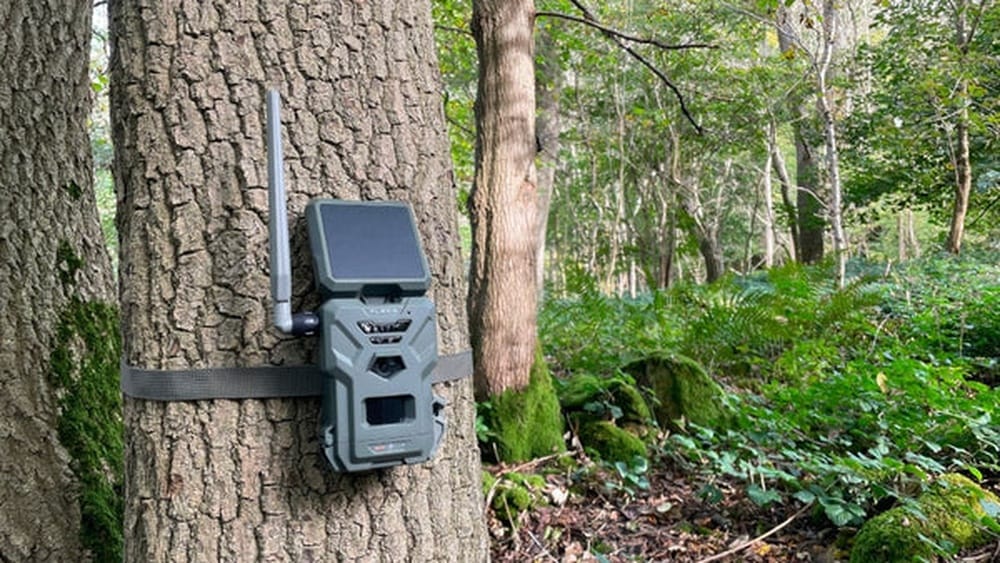
Solar cameras are used by wildlife researchers. They can be placed deep in forests, far from roads. The camera runs for months, capturing animal activity.
9. Extra Features
Many solar cameras offer motion alerts, two-way audio, and cloud storage. Some have built-in lights or sirens.
Limitations Of Solar Cameras
Solar cameras are not perfect. Some limits are easy to see, but others are less obvious.
1. Sunlight Dependency
Solar cameras need sunlight. In areas with long winters, frequent clouds, or shade, battery life can suffer. Some models stop working after a few days without sun.
2. Lower Video Quality
Solar cameras often have lower resolution than wired cameras. To save energy, some models record at 720p instead of 1080p or higher. This affects image clarity.
3. Battery Issues
Batteries wear out over time. After 2–4 years, battery capacity drops. Replacing batteries can be costly. Extreme heat or cold can also damage batteries.
4. Limited Night Vision
Solar cameras use infrared for night vision, but this drains the battery. Long nights or constant motion alerts can run down the battery quickly.
5. Wi-fi/network Problems
Solar cameras rely on wireless networks. If the signal is weak, video may freeze or fail to upload. In remote areas, 4G models are needed, which cost more.
6. Weather Risks
Heavy rain, snow, or dust can block the solar panel. If the panel is dirty, energy drops. Storms can also damage the camera.
7. Higher Upfront Cost
Solar cameras cost more at first than simple wired models. The solar panel and battery add to the price.
8. Security Risks
Wireless cameras can be hacked if not set up correctly. Strong passwords and encryption are vital.
9. Limited Continuous Recording
Many solar cameras record only when motion is detected. Continuous recording drains the battery. For 24/7 surveillance, wired cameras are better.
Real-world Performance And Examples
Solar cameras are now used by farmers, businesses, and even cities. Let’s look at some data and real-life cases.
Farm Security
A farm in Texas installed five solar cameras on its fence line. The cameras caught trespassers and wild animals. Over two years, the farm saved $1,500 in electric bills. The solar cameras worked well except during a three-day storm, when batteries ran low.
Construction Sites
Many construction companies use solar cameras to monitor sites. They avoid theft and keep workers safe. One company reported a 30% drop in thefts after using solar cameras. The cameras needed cleaning after dust storms, but otherwise worked well.
Wildlife Research
Solar cameras are used by wildlife groups in Africa. They monitor lions, elephants, and other animals. Cameras last up to six months on one battery charge, capturing hundreds of hours of video.
Smart Cities
Some cities use solar cameras for traffic monitoring. They are placed on poles, far from power lines. These cameras help track traffic, accidents, and public safety.
Homeowners
Solar cameras are popular for home security. They are used in gardens, garages, and driveways. Many users say installation took less than an hour. However, some complain about weak Wi-Fi signals and battery life in winter.

Credit: www.fondation-enovos.lu
Key Features To Look For
If you decide to buy a solar camera, not all models are equal. Here are the most important features:
- Solar Panel Size: Bigger panels mean more energy. Check the watt rating.
- Battery Capacity: Look for long-lasting batteries (at least 10,000 mAh).
- Camera Resolution: Choose at least 1080p if you want clear video.
- Night Vision: Strong infrared lights help with night security.
- Motion Detection: Adjustable sensitivity avoids false alarms.
- Network Type: Wi-Fi is cheaper; 4G LTE works in remote areas.
- Weatherproof Design: Look for IP65 or higher rating.
- Cloud Storage: Saves video off-site for safety.
- Mobile App Support: Easy to use apps make setup and monitoring simple.
Many buyers miss checking the solar panel quality. Cheap panels lose efficiency quickly. Also, battery specs are often hidden in small print.
Comparing Top Solar Camera Models
To help you choose, here’s a comparison of three popular solar camera models:
| Model | Panel Size | Battery Capacity | Resolution | Network | Weatherproof |
|---|---|---|---|---|---|
| Reolink Argus 3 Pro | 4.5W | 6,500 mAh | 2K (1440p) | Wi-Fi | IP65 |
| Arlo Go 2 | 3.5W | 6,500 mAh | 1080p | 4G LTE | IP67 |
| Soliom S600 | 4.0W | 10,000 mAh | 1080p | Wi-Fi | IP66 |
The Soliom S600 has the largest battery, good for cloudy regions. The Reolink Argus 3 Pro offers higher resolution. The Arlo Go 2 works with 4G, ideal for places with no Wi-Fi.
Common Buyer Mistakes
Many buyers make simple mistakes when choosing solar cameras. Here are the most common ones:
- Ignoring Sunlight Levels: Not checking if the camera location gets enough sunlight.
- Choosing Small Panels: Smaller panels charge slower, especially in winter.
- Overlooking Battery Specs: Low-capacity batteries die quickly.
- Not Checking Network Strength: Weak Wi-Fi or no 4G means poor video.
- Skipping Weatherproof Ratings: Cameras without good weather seals fail in rain or dust.
- Missing App Quality: Bad apps make it hard to use the camera.
- Buying Cheap Models: Low-price cameras often have poor video or fail after a year.
One insight that many beginners miss: solar panels need cleaning every 1–2 months. Dust and leaves can lower efficiency by 30% or more.
Another tip: Place the camera where it gets morning sun. Afternoon sun is often weaker, especially in winter.
Are Solar Cameras Good For All Climates?
Solar cameras work best in sunny places. In Arizona, California, or Australia, they perform very well. In rainy or snowy regions, they face challenges.
Cold Climates
In cold places, batteries lose capacity. A battery at -10°C (14°F) holds only about 60% of its normal charge. Some high-end cameras use special batteries for cold weather.
Cloudy Regions
In places with frequent clouds, large panels and big batteries are needed. Some users add extra panels for more power.
Hot Climates
Extreme heat can damage batteries and electronics. Look for cameras rated for -20°C to 50°C (-4°F to 122°F).
How Long Do Solar Cameras Last?
Most solar cameras last 3–5 years. The camera unit may last longer, but batteries and panels need replacing. Good brands offer replacement parts.
Battery Life
- Normal use: 2–4 years
- Heavy use or harsh climate: 1–2 years
Solar Panel Life
Panels often last 10–15 years. Cheap panels fade faster.
Camera Life
The camera itself can last 5–8 years if protected from weather.
Maintenance Tips
Solar cameras need less care than wired cameras, but some maintenance is needed.
- Clean the Panel: Wipe with a damp cloth every month.
- Check Battery Health: Replace if capacity drops.
- Update Software: Keep apps and firmware current.
- Inspect Mounts: Check for loose screws after storms.
- Check Video Quality: If video becomes blurry, clean the lens.
Ignoring maintenance can cut camera life in half. Solar panels blocked by dirt lose power quickly.
Solar Cameras For Businesses
Businesses use solar cameras for many reasons. They are great for temporary setups, such as festivals or markets. They can also monitor outdoor parking lots or storage yards.
Case Study
A car dealership in Florida installed six solar cameras in its parking lot. The cameras caught two thefts and saved $2,000 in electric bills over one year. They worked well except during a hurricane, when the panels needed cleaning.
Solar Cameras For Homes
Homeowners choose solar cameras for easy setup and low bills. They are used for front doors, garages, gardens, and pools.
Example
A homeowner in California set up three solar cameras. The cameras were installed in less than an hour. They sent motion alerts to her phone. In winter, she noticed shorter battery life, so she added extra panels.
Environmental Impact
Solar cameras reduce energy use. A single solar camera saves about 120 kWh per year compared to a wired camera. This cuts CO2 emissions by about 80 kg yearly.
If 1 million homes used solar cameras, total savings would be about 80,000 tons of CO2. This is equal to taking 17,000 cars off the road for a year.
Solar cameras also avoid digging and wiring, which harms the land.
Cost Analysis
Let’s look at costs for solar cameras vs wired cameras over five years.
| Type | Upfront Cost | Electricity Cost | Maintenance Cost | Total (5 years) |
|---|---|---|---|---|
| Solar Camera | $200 | $0 | $100 | $300 |
| Wired Camera | $100 | $150 | $200 | $450 |
Solar cameras cost more at first, but save money over time. Most users break even after 2–3 years.
Credit: www.hosafe.com
Who Should Use Solar Cameras?
Solar cameras are best for:
- Remote locations
- Temporary setups
- Eco-conscious users
- Places without easy access to power
- Users who want simple installation
They are less ideal for:
- Indoor use
- Cloudy or shady locations
- 24/7 high-security needs
How To Choose The Right Solar Camera
Choosing the right solar camera is not just about price. Follow these steps:
- Check sunlight at your location
- Measure Wi-Fi or 4G signal strength
- Decide on resolution (at least 1080p)
- Choose battery size (10,000 mAh or more for heavy use)
- Pick weatherproof models
- Read reviews about app quality
- Check warranty and support
Many buyers forget to check the angle of the solar panel. Panels facing south (in the US) get more sunlight.
What The Experts Say
Security experts recommend solar cameras for outdoor and remote monitoring. They say solar cameras are good for farms, parks, and temporary events. However, for high-security needs, they prefer wired cameras.
According to a recent study by the International Security Industry Association, solar cameras are expected to grow 18% per year until 2030. More features and better batteries are coming soon.
You can read more about the growth of solar security devices at SecurityInfoWatch.
Frequently Asked Questions
How Long Does A Solar Camera Run Without Sunlight?
Most solar cameras can run 2–5 days on battery alone. This depends on battery size and how often the camera records.
Can Solar Cameras Work In Winter?
Yes, but battery life drops in cold weather. Large panels and batteries help. Some models are made for cold climates.
Are Solar Cameras Easy To Install?
Yes. Most models mount with simple brackets. You just attach the camera and panel, connect to Wi-Fi, and set up the app.
Is The Video Quality As Good As Wired Cameras?
Not always. Solar cameras often use lower resolution to save energy. High-end models offer 1080p or 2K quality.
Can Solar Cameras Be Hacked?
Like any wireless device, they can be hacked if security is weak. Use strong passwords, update software, and choose cameras with encryption.
Solar cameras are a smart choice for many people and businesses. They offer flexibility, savings, and easy setup. However, they are not perfect. Sunlight, battery limits, and network strength matter. If you have good sunlight and want simple, wireless security, solar cameras are a strong option.
Plan your setup, choose quality brands, and maintain your camera. With these steps, you can enjoy reliable security and save money for years to come.