
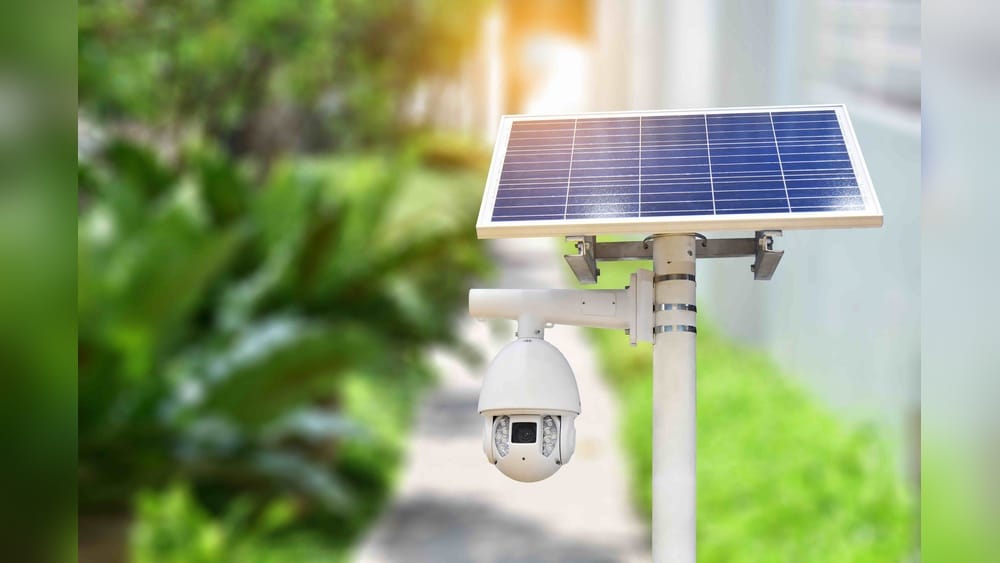
Solar powered security cameras are showing up everywhere—from city parks to private homes. The promise is big: wireless security, no electricity bills, and easy installation almost anywhere. But are solar powered security cameras actually good? Or do they have hidden problems that make them less reliable than traditional, wired options? If you’re thinking of buying a security camera that runs on sunlight, this guide will help you see the truth behind the marketing.
How Do Solar Powered Security Cameras Work?
Solar powered security cameras use solar panels to turn sunlight into electricity. This energy is stored in rechargeable batteries. The camera uses this power to record video, send alerts, and sometimes even store footage in the cloud. Here’s a simple breakdown:
- Solar panel gathers sunlight and makes electricity.
- Battery stores extra power for use at night or on cloudy days.
- Camera uses this energy to work 24/7.
Most models also connect to Wi-Fi, letting you watch live video on your phone. Some have SD card slots for local storage, while others use cloud storage.
Key Insight: Not all solar security cameras are 100% wireless. Some need a wired connection for fast internet or extra power during long storms.
Pros Of Solar Powered Security Cameras
Easy Installation And Placement
No need for wires or outlets means you can put these cameras almost anywhere—driveways, barns, construction sites, even boats. They’re perfect for places without easy access to electricity.
Lower Electricity Costs
Solar cameras use free energy from the sun. Over time, this can save you money on electricity bills, especially if you run several cameras.
Environmentally Friendly
They use renewable energy and reduce the need for new wiring or batteries. This means a smaller carbon footprint compared to traditional wired cameras.
Reliable During Power Outages
Since the camera’s battery stores energy, it keeps working even if there’s a blackout. This is a big advantage for security during storms or grid failures.
Flexible Expansion
You can add more cameras easily, since there’s no need to lay new cables or hire an electrician for each one.
Non-Obvious Insight: Solar cameras are often used for temporary security needs, like construction sites or events. You can set them up and move them again without wasting money on wiring.
Cons Of Solar Powered Security Cameras
Weather And Sunlight Dependence
Cloudy days, heavy rain, and long winters can limit how much energy the solar panel collects. If the battery drains, the camera may stop working or reduce features (like live streaming).
Battery Life Limitations
Rechargeable batteries wear out over time. Most last 2–5 years before needing replacement. If you forget to check battery health, the camera can fail when you need it most.
Lower Video Quality (in Some Models)
To save power, some solar cameras record at lower resolutions or use motion-triggered recording instead of always-on. This can mean missing important details or events.
Internet Connection Issues
Many solar cameras depend on Wi-Fi or 4G/5G cellular networks. In rural or remote areas, weak signals can stop live streaming or cloud storage from working.
Higher Upfront Cost
Solar powered cameras usually cost more than basic wired cameras. You pay for the solar panel, battery, and sometimes a stronger weatherproof design.
Non-Obvious Insight: Some cheap solar cameras are not fully weatherproof. Water leaks can destroy the battery or the circuit board, especially in heavy rain or snow.
Comparing Solar Powered And Traditional Security Cameras
To see how solar security cameras stack up against wired and battery-powered models, consider the following comparison.
| Feature | Solar Powered | Wired | Battery Only |
|---|---|---|---|
| Power Source | Solar + Battery | Electricity (AC/DC) | Rechargeable Battery |
| Installation | Very Easy | Hard (wiring needed) | Easy |
| Location Flexibility | High | Low | High |
| Works in Blackout | Yes | No | Yes |
| Maintenance | Medium (battery, panel cleaning) | Low | High (frequent charging) |
| Internet Needed | Yes (Wi-Fi or Cellular) | Yes (often wired) | Yes (Wi-Fi/Cellular) |
| Cost | Medium-High | Low-Medium | Low-Medium |
Takeaway: Solar cameras are best where wiring is hard or impossible, and where sunlight is reliable.
Key Features To Look For
If you decide to try a solar powered security camera, not all models are the same. Here are the most important features:
Panel Size And Efficiency
A bigger, more efficient solar panel gathers more energy, which is critical in low-sun areas. Look for at least 3–5W panels for average use.
Battery Capacity
A larger battery (measured in mAh or Wh) means longer operation during bad weather. For example, a 10,000mAh battery can power a basic camera for 2–3 days without sunlight.
Video Quality
Look for 1080p resolution or higher. Some cheaper models offer only 720p, which may be too blurry for identifying faces or license plates.
Night Vision
Good infrared night vision is essential. Check real user reviews, since some cameras exaggerate their night vision range.
Motion Detection
PIR sensors (Passive Infrared) save power by activating recording only when something moves. Some cameras support customizable motion zones to reduce false alerts.
Weatherproof Rating
Check for an IP65 or higher rating for outdoor use. This means the camera is protected against dust and water spray.
Storage Options
Cameras offer:
- Cloud storage (monthly fee, safer from theft)
- MicroSD card (local, but can be stolen with the camera)
- Some do both.
Connectivity
Wi-Fi is common, but for remote places, 4G/5G cellular is better. Make sure the camera supports your area’s networks.
App And Alerts
The best cameras have an easy-to-use app, with instant push notifications for motion, and allow live streaming or playback from anywhere.
Non-Obvious Insight: Some cameras use removable solar panels with long cables. This lets you put the panel in the sun and the camera in the shade, which reduces overheating and increases battery life.
When Are Solar Powered Security Cameras A Good Choice?
Solar cameras make sense in several situations:
- Remote Locations: Farms, cabins, gates, construction sites, and boats.
- Rental Properties: No need to ask the landlord to install wiring.
- Temporary Security: Events, pop-up shops, or short-term projects.
- Areas Prone to Power Cuts: Places where blackouts are common.
- Eco-Friendly Users: People who want to cut carbon emissions.
But, if you have stable power and easy wiring, a traditional camera may be cheaper and more reliable.
Are There Any Major Drawbacks?
While solar cameras work well for many, some limitations often surprise new buyers.
Sunlight Matters More Than You Think
A solar camera needs direct sunlight for 4–6 hours a day to stay charged. Placing it under a tree or eave can cut power by half. City buildings, tall fences, or winter months in northern states can reduce performance a lot.
Battery Replacement Is Inevitable
Even the best batteries lose capacity over time. Replacing them every few years is part of owning a solar camera. Some brands make this easy, but others require you to open the device and risk breaking weather seals.
Data Connection Is The Weakest Link
If your Wi-Fi or cellular signal is weak, video uploads and alerts can fail. This is often the real reason cameras stop working—not the solar panel or battery.
Security Risks With Cloud Storage
Many solar cameras store video on the cloud. This means your footage is only as secure as the company’s servers. Choose brands with good privacy policies and strong encryption.
False Alerts
Wind, sun glare, or animals can trigger unwanted alerts. Look for cameras with adjustable motion sensitivity and customizable detection zones.
Real-world Performance: Case Studies
Rural Farm Security
A small farm in Texas installed solar powered cameras on their barn and entrance gate. With plenty of sun, the cameras worked well for 10 months. When cloudy weather lasted for a week, the battery on the gate camera dropped to 10%, but never fully died.
They had to clean the solar panels every few months due to dust, which improved charging speed.
Urban Home In A Cloudy City
A homeowner in Seattle tried a solar camera on their front porch. Due to frequent rain and little direct sun, the camera’s battery often dropped below 20%. The owner had to use a USB charger every two weeks—defeating the point of “wireless.
” Eventually, they moved the panel to the roof, which helped, but installation was harder than expected.
Construction Site
A contractor used solar powered 4G cameras to watch equipment at a job site. The cameras recorded only when motion was detected, saving battery life. Cellular data costs were around $20/month per camera, but the system was much cheaper than running power lines.
The cameras were moved to new sites every few months with no trouble.
Lesson: Real-world results depend heavily on location, sunlight, and internet access.

Credit: www.amazon.com
How Much Do Solar Powered Security Cameras Cost?
Prices range widely depending on features and brand. Here’s a look at current market averages:
| Type | Price Range (USD) | Typical Features |
|---|---|---|
| Basic (720p, Wi-Fi, SD card) | $50–$100 | Small panel, basic app, motion alerts |
| Mid-range (1080p, Night Vision, Cloud) | $100–$200 | Larger panel, better battery, good app |
| Advanced (4G/5G, PTZ, Long Battery) | $200–$400+ | Cellular, large battery, PTZ, weatherproof |
Extra Costs:
- Cloud storage plans ($3–$10/month per camera)
- Data plans for cellular cameras ($10–$30/month)
- Replacement batteries ($10–$50 every 2–5 years)
Tip: Always check if the solar panel is included or sold separately.
Installation Tips For Best Performance
Choose The Right Location
- Put the solar panel where it gets maximum sunlight—ideally south-facing in the Northern Hemisphere.
- Avoid shade from trees, buildings, or roof overhangs.
- For the camera, choose a spot with a clear view of what you want to monitor.
Secure The Camera
- Use the included mounting hardware.
- For extra security, buy anti-theft mounts or cases.
- Hide SD card slots if possible, or use cloud backup.
Test Wi-fi/cellular Signal
- Before mounting, check signal strength using your phone in the planned location.
- If weak, consider Wi-Fi extenders or a camera with a stronger antenna.
Regular Maintenance
- Clean the solar panel every few months to remove dust and bird droppings.
- Check battery health in the app or through regular observation.
- Update firmware to fix bugs and improve security.
Adjust Settings
- Reduce motion sensitivity to avoid too many false alerts.
- Schedule times when the camera is active (some apps allow this).
- Set up push notifications for important events only.
Non-Obvious Insight: In cold climates, snow can block solar panels, and low temperatures can reduce battery efficiency. Some users tilt the panel steeply to help snow slide off.

Credit: www.youtube.com
What The Experts Say
Security and energy experts agree: Solar powered security cameras have improved a lot in recent years. Battery technology is better, solar panels are more efficient, and apps are easier to use. But they also warn that these cameras are not perfect replacements for wired, always-on systems in every situation.
Expert Tip: If security is critical (like for a bank or business with valuable inventory), use solar cameras as backups—not your main line of defense.
Who Should Avoid Solar Powered Security Cameras?
Solar cameras are not the best choice if:
- Your property gets little direct sunlight.
- You need ultra-high video quality 24/7.
- You want zero maintenance for years.
- You have easy access to wired power and internet.
- You live in a place with frequent, heavy storms or snow.
For these users, a traditional wired camera is usually more reliable and cost-effective.
The Future Of Solar Security Cameras
As technology improves, solar powered cameras will get even better. Advances in battery life, solar panel efficiency, and wireless networks (like 5G) will reduce many of today’s problems. Some new models use AI to spot real threats and ignore wind or animals, saving battery and reducing false alarms.
In the next few years, expect to see:
- Faster charging even in weak sunlight.
- Longer battery life—up to a week without sun.
- Smaller panels with more power.
- Better integration with smart home systems.
- Improved security for cloud storage.
For now, solar powered cameras are best for specific needs—not for every home or business.
Frequently Asked Questions
Are Solar Powered Security Cameras Really Wireless?
Most solar cameras are wireless in terms of power—they don’t need to be plugged in. But many still need Wi-Fi or a cellular SIM card for remote access. Some models have removable batteries that need occasional charging by USB if there’s not enough sun.
How Long Do Solar Powered Security Cameras Last At Night Or On Cloudy Days?
Most good models have a battery that lasts 2–7 days without sunlight, depending on camera use and battery size. Motion-activated cameras use less power, while 24/7 recording drains batteries faster.
Can I Use Solar Powered Security Cameras Indoors?
You can, but it’s not ideal. Indoor light is much weaker than sunlight, so the panel won’t charge well. It’s better to use battery-powered or plug-in cameras indoors.
Is Solar Power Safe For Security Cameras In Winter?
Yes, but performance drops in cold weather. Batteries hold less charge, and snow can block the panel. Tilt the panel to help snow slide off, and check battery health more often in winter.
Do Solar Powered Cameras Work With Smart Home Systems?
Some models work with Alexa, Google Assistant, or Apple HomeKit. Check the product details before you buy. Integration is more common in premium brands.
For more in-depth technical information, visit the Wikipedia page on solar powered security cameras.
Solar powered security cameras are a smart choice in the right situation. They offer easy installation, no electricity bills, and true flexibility. But they’re not magic—you’ll need enough sunlight, good placement, and regular maintenance to get the best results. Make your choice based on your property, climate, and security needs.
With a little planning, a solar camera can provide reliable eyes on your property, day and night.

Credit: nightowlsp.com