
Are There Security Cameras In Classrooms
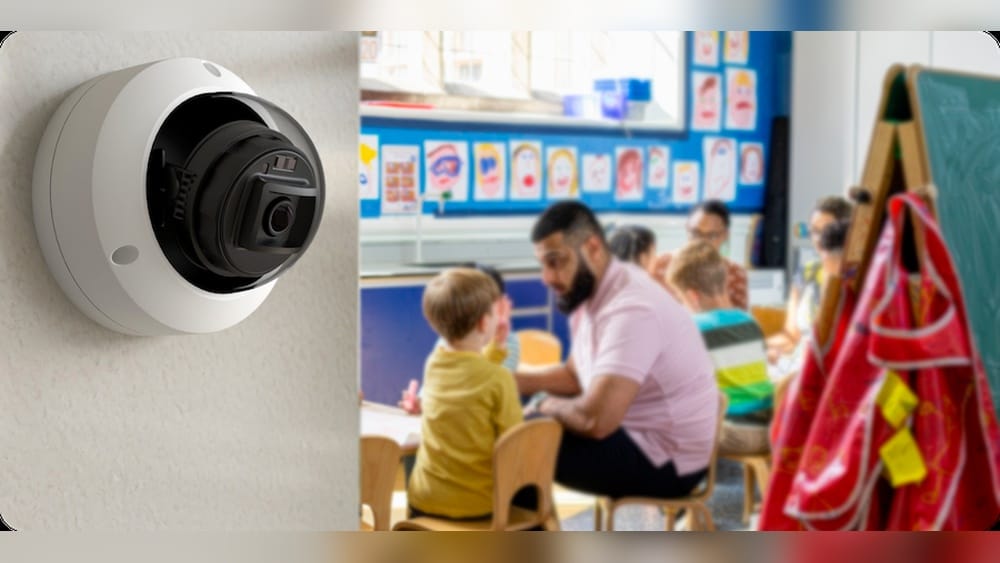
Schools are places for learning, growth, and safety. But in recent years, there’s a new question: are there security cameras in classrooms? The sight of cameras in hallways and entrances is common, but the idea of cameras inside the classroom itself brings up many feelings—comfort, worry, and debate. As schools search for better ways to keep students safe, cameras are becoming part of the conversation. But do they belong in the classroom? Let’s explore the facts, opinions, and realities of security cameras in educational spaces.
Why Schools Install Security Cameras
The use of security cameras in schools has increased quickly. In the United States, a report from the National Center for Education Statistics found that about 91% of public schools used security cameras by 2020. The main reason is to increase safety.
Main Reasons For Camera Use
- Preventing violence: Cameras can help stop fights, bullying, and even more serious threats.
- Deterring theft and vandalism: When people know they are being watched, they may be less likely to damage property or steal.
- Monitoring visitors: Cameras help schools keep track of who enters and leaves, reducing the risk of trespassers.
- Helping with investigations: If something bad happens, video can show what really occurred.
Where Cameras Are Usually Placed
While cameras are very common in hallways, entrances, parking lots, and cafeterias, their presence in classrooms is more controversial. Still, some schools have started installing them inside classrooms, especially after high-profile incidents.
Are There Security Cameras In Classrooms?
The answer is not simple. Most schools do not have cameras inside regular classrooms, but there are exceptions. The decision depends on school policy, state laws, funding, and community opinion.
Current Statistics
A 2022 survey found that about 10% of U.S. schools had cameras inside classrooms. The number is higher in schools that teach students with special needs or in alternative education programs. In many cases, cameras are installed after an incident, not as a standard practice.
Examples From Different Regions
- Texas: Some Texas schools are required by law to install cameras in special education classrooms if parents request them.
- New York City: Cameras are mostly in public areas, not in classrooms, except for special cases.
- United Kingdom: Some British schools use cameras in classrooms, but it’s not the national norm.
Credit: www.rhombus.com
Laws And Regulations
Whether cameras are allowed in classrooms depends on state, country, and local laws. Rules are often strict because cameras can affect privacy rights.
Us Laws
- Federal Law: There is no single federal law banning or allowing cameras in classrooms. However, FERPA (Family Educational Rights and Privacy Act) protects student privacy and limits who can view recorded footage.
- State Laws: Some states, like Texas, have clear rules for when cameras can be placed in special education classrooms. Other states leave the decision to school districts or ban classroom cameras outright.
International Examples
- United Kingdom: The UK’s Data Protection Act requires schools to tell students and parents about cameras and justify their use.
- Australia: Most states allow cameras in public areas, but classroom use is rare and often challenged by teacher unions.
What About Audio Recording?
Many laws treat audio recording differently from video. Recording sound in classrooms is usually more restricted than video alone because it raises extra privacy concerns.
How Security Cameras Work In Classrooms
When schools install cameras inside classrooms, they usually follow strict rules.
How Cameras Are Installed
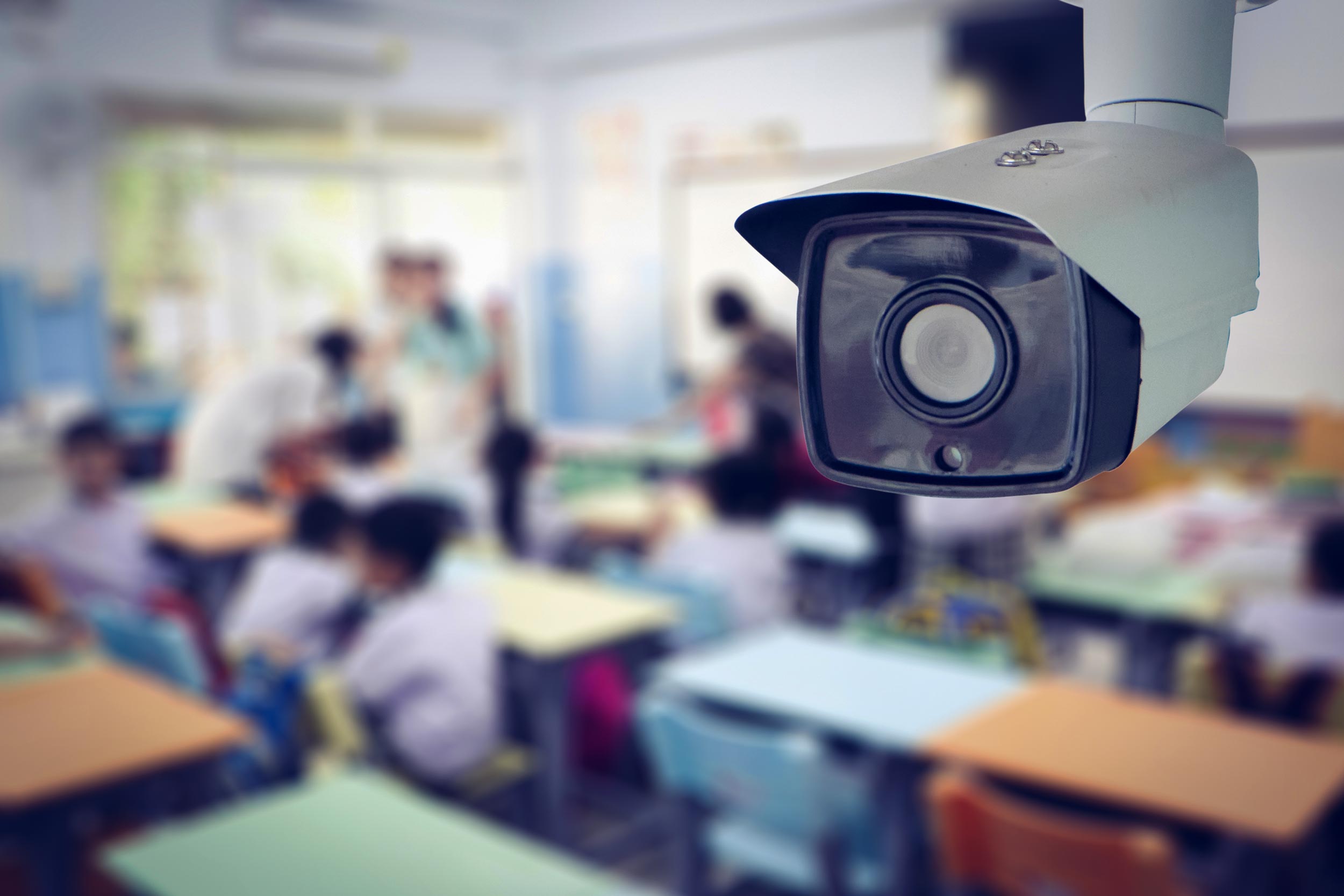
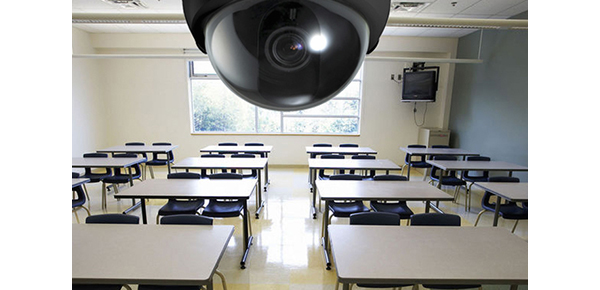
- Cameras are mounted high, often in a corner, to cover as much of the room as possible.
- Signs are placed to warn people that recording is happening.
- Some cameras record only video, while others can record both video and audio. Most schools avoid audio recording due to legal risks.
Who Watches The Footage?
- Usually, only authorized staff, like the principal or school safety officer, can view the video.
- Some schools only check footage after an incident.
- In rare cases, parents may request access, especially in special education settings.
Storage And Retention
- Footage is often kept for 30 to 90 days before being deleted.
- If there’s an incident, the video may be saved longer for investigation.
Reasons For And Against Cameras In Classrooms
The debate over classroom cameras is intense, with strong arguments on both sides.
Arguments In Favor
- Protecting students and staff: Cameras can catch or prevent bullying, violence, or abuse.
- Fighting false accusations: Video can help clear up what really happened if there is a disagreement between a student and a teacher.
- Special needs support: In some special education rooms, cameras help ensure student safety and allow parents to review incidents.
- Discouraging bad behavior: Knowing there is a camera can encourage everyone to act better.
Arguments Against
- Privacy concerns: Cameras can make students and teachers feel watched, not trusted.
- Impact on teaching: Some teachers say cameras change how they teach and make students nervous.
- Data security risks: If videos are hacked or shared without permission, it could hurt students and staff.
- Cost: Buying, installing, and maintaining cameras takes money from other needs.
Non-obvious Insights
- Trust is key: Cameras can create a climate of suspicion if students or teachers feel they are always under watch.
- Not a full solution: Cameras can record, but they rarely stop incidents in real time. Human supervision is still essential.
How Cameras Affect Learning And Behavior
The real impact of cameras in classrooms is complex.
Student Reactions
Some students feel safer, especially if bullying was a problem before. Others feel uncomfortable and say they can’t relax or express themselves freely. There is evidence that cameras can change how students behave—sometimes for the better, but sometimes just making them more anxious.
Teacher Reactions
Some teachers welcome cameras as protection from false claims. Others say cameras make their job harder, causing stress and limiting creativity. In surveys, many teachers say they would rather have more staff or counselors than classroom cameras.
Learning Environment
A classroom should be a place for open discussion and creativity. Cameras may limit this if students or teachers hold back, worried about being recorded. Over time, this could affect student participation and teacher innovation.
Cost And Technology
Installing cameras in classrooms is not cheap. Schools must balance safety with costs and technical challenges.
Typical Costs
- Hardware: Each camera costs between $200 and $800.
- Installation: Running cables and setting up systems adds $100 to $500 per camera.
- Storage: Saving video files, especially in high definition, needs secure servers or cloud storage.
- Maintenance: Cameras need updates, repairs, and cleaning.
Technology Choices
Schools can use basic cameras or smart systems with motion detection, face recognition, or even AI to spot unusual behavior. Most schools stick to simple systems, especially for classroom use.
Funding Sources
Many schools use local budgets, but some get state grants or federal funds, especially after violent incidents. Spending on cameras can reduce money for other needs, like textbooks or after-school programs.
Privacy And Ethical Issues
Cameras in classrooms raise big questions about privacy and ethics.
Student Privacy
Children have special privacy rights. Filming students all day, especially in a classroom, can be seen as too much. Some experts warn that constant surveillance can affect child development, making students less likely to take risks or ask questions.
Teacher Privacy
Teachers are workers with rights. Many teacher unions oppose cameras, saying they turn teaching into a monitored performance. Some worry about footage being used out of context.
Who Owns The Footage?
- Schools usually control the video, but parents and law enforcement may request access.
- Sharing or leaking footage without permission can cause harm and break the law.
Consent And Notification
Best practice is to tell parents, students, and teachers about cameras, explain why they are used, and let them ask questions. In some places, parents must give written permission.
Unusual Risks
- Misuse of footage: There have been cases where staff accessed or shared video for the wrong reasons.
- Hacking: Poorly protected systems can be hacked, exposing private moments.
Special Cases: Cameras In Special Education Classrooms
One area where classroom cameras are more common is special education.
Why More Cameras Here?
Parents of children with disabilities sometimes request cameras to make sure their children are safe and treated fairly. Some children cannot speak or tell their parents what happens at school.
Laws And Policies
- Texas: Schools must install cameras in special education rooms if a parent asks (Texas Education Code Section 29.022).
- Other States: Few have similar laws, but some districts add cameras after complaints.
How Are Videos Used?
Videos can help resolve complaints, protect staff from false claims, or show if a child needs more support. But privacy rules are often stricter, and footage is shared only with families and officials.
Comparison: Cameras In Different School Areas
The use and acceptance of cameras depend on location within a school.
| Area | Camera Use | Privacy Concern Level | Typical Justification |
|---|---|---|---|
| Entrances/Exits | Very Common | Low | Security, track visitors |
| Hallways | Very Common | Low | Monitor movement, deter fights |
| Cafeterias | Common | Medium | Prevent bullying/theft |
| Classrooms | Rare | High | Special cases, safety |
| Restrooms/Locker Rooms | Almost Never | Very High | Major privacy violation |
This table shows that privacy concerns rise sharply when cameras move from public to private areas.
Credit: education.virginia.edu
Security Camera Effectiveness In Classrooms
Do cameras really make classrooms safer? The answer is mixed.
What Research Shows
- Cameras in public areas reduce theft and vandalism.
- Cameras alone do not stop violence—they help after the fact.
- In classrooms, cameras can settle disputes but rarely prevent problems.
Real-world Example
In a 2021 case, a school in Texas used classroom footage to clear a teacher accused of hurting a student. The video showed the teacher had not acted wrongly. This helped everyone trust the result.
Limits Of Cameras
- Cameras may push bad behavior to areas without cameras.
- They cannot replace good relationships between students and staff.
Alternatives To Cameras In Classrooms
Many schools look for other ways to improve safety.
Non-camera Solutions
- More staff: Having more adults in the school, like counselors or hall monitors, helps prevent problems before they start.
- Conflict resolution programs: Teaching students to solve problems peacefully can reduce fights and bullying.
- Anonymous reporting: Students can report worries without fear.
- Physical changes: Locked doors, visitor check-in systems, and controlled access help keep schools safe.
Technology Alternatives
- Panic buttons for teachers
- Classroom phones to call for help
- App-based alerts for emergencies
Why Not Just Use Cameras?
Many experts say the best safety comes from a mix of people, programs, and technology, not cameras alone.
Global Comparison: Classroom Cameras Around The World
Let’s look at how different countries approach cameras in classrooms.
| Country | Camera Use in Classrooms | Main Reason | Legal Restrictions |
|---|---|---|---|
| United States | Rare, except special cases | Safety, special education | FERPA, state laws vary |
| United Kingdom | Some schools, not standard | Student safety, discipline | Data Protection Act |
| China | Becoming common | Discipline, academic honesty | Few restrictions |
| Australia | Rare | Serious incidents only | State laws, privacy acts |
| Germany | Very rare | Strong privacy rights | Strict data laws |
This comparison shows that cultural attitudes and privacy laws greatly affect whether cameras are used in classrooms.
Real Stories: Voices From The Classroom
To understand the real effect of cameras, it helps to hear from those involved.
Teacher Perspective
A high school teacher in Ohio said, “I understand why parents want cameras, but I feel like I’m always being judged. It’s hard to relax and connect with my students. ”
Student Perspective
A student in London shared, “We had cameras in our class after a fight. At first, I felt safer, but soon I started worrying about making mistakes on camera. ”
Parent Perspective
One parent of a special needs child in Texas said, “The camera in my child’s classroom gave me peace of mind. I could see he was being treated with care. ”
Administrator Perspective
A school principal in California explained, “We decided against classroom cameras after talking with staff and families. Instead, we focused on building trust and providing more adult supervision. ”
These voices show there is no one-size-fits-all answer.
Common Misunderstandings About Classroom Cameras
Many people have the wrong idea about cameras in schools. Here are a few myths and the facts:
- Myth: Cameras prevent all bad behavior.
Fact: Cameras mostly help after something happens, not before.
- Myth: All schools have classroom cameras.
Fact: Most do not; cameras are mainly in public areas.
- Myth: Footage is always watched live.
Fact: Most schools only check footage if there is a problem.
- Myth: Cameras are cheap and easy to add.
Fact: Cameras cost money to install, maintain, and secure.
- Myth: Cameras don’t affect teaching or learning.
Fact: Studies and teacher reports say cameras can change classroom climate.
Understanding these points helps schools and parents make better decisions.
Key Considerations Before Installing Classroom Cameras
If a school is thinking about adding cameras inside classrooms, several steps are essential.
- Talk with the community: Involve parents, teachers, and students in the decision.
- Review laws and policies: Make sure all privacy and data protection rules are followed.
- Be clear about purpose: Explain why cameras are needed and what problems they will solve.
- Set clear rules: Decide who can watch, when, and for how long footage is kept.
- Plan for security: Protect footage from hackers or misuse.
- Offer alternatives: Consider if other solutions might work better.
Credit: www.een.com
Future Trends In Classroom Surveillance
Technology is always changing, and so are the ways schools think about safety.
Smart Cameras And Ai
Some new systems use artificial intelligence to spot fights, detect strangers, or even measure student attention. These tools are powerful but also raise more privacy questions.
Body Cameras For Teachers
A few schools have tested body-worn cameras for teachers or staff. This idea is controversial and not widely accepted.
Remote And Hybrid Learning
During the COVID-19 pandemic, many students learned from home using video calls. This raised new questions about privacy and recording lessons. Some families worried about being recorded in their own homes.
More Privacy Laws
As more people become concerned about data and privacy, new laws may limit or shape how cameras are used in the future.
Practical Steps For Schools And Parents
If you are a school leader, teacher, or parent, here are some practical tips:
- Ask questions about where cameras are placed and why.
- Read school policies on surveillance and privacy.
- Discuss with children what cameras mean and how to act responsibly.
- Stay informed about your rights under local and national laws.
For more guidance, check resources from organizations like the National Association of School Resource Officers and your local education authority.
Frequently Asked Questions
Are Security Cameras In Classrooms Legal?
Yes, but with limits. In most places, cameras are legal in classrooms if privacy laws are followed and everyone is informed. However, audio recording or hidden cameras are often illegal. Schools must balance safety with privacy rights.
Who Can See Classroom Camera Footage?
Usually only authorized staff—like principals or safety officers—can view footage. In special cases, parents or law enforcement may be allowed access, especially after an incident. Rules vary by school and location.
Do Cameras Record Sound As Well As Video?
Rarely. Most classroom cameras record video only. Audio recording is more restricted by law because it is considered a greater invasion of privacy.
What Should I Do If I’m Concerned About Cameras In My Child’s Classroom?
Ask for a meeting with school leaders. Request to see the school’s camera policy, ask how footage is used, and discuss your concerns. Schools should welcome parent questions and input.
Where Can I Find More Information About School Security Cameras?
A reliable place to start is the Wikipedia entry on school security, which covers laws, policies, and debates around the world.
Schools are always searching for the best balance between safety and privacy. Security cameras in classrooms are a complex topic with no easy answer. What matters most is making decisions that respect everyone—students, teachers, and families—while keeping learning at the heart of school life.