
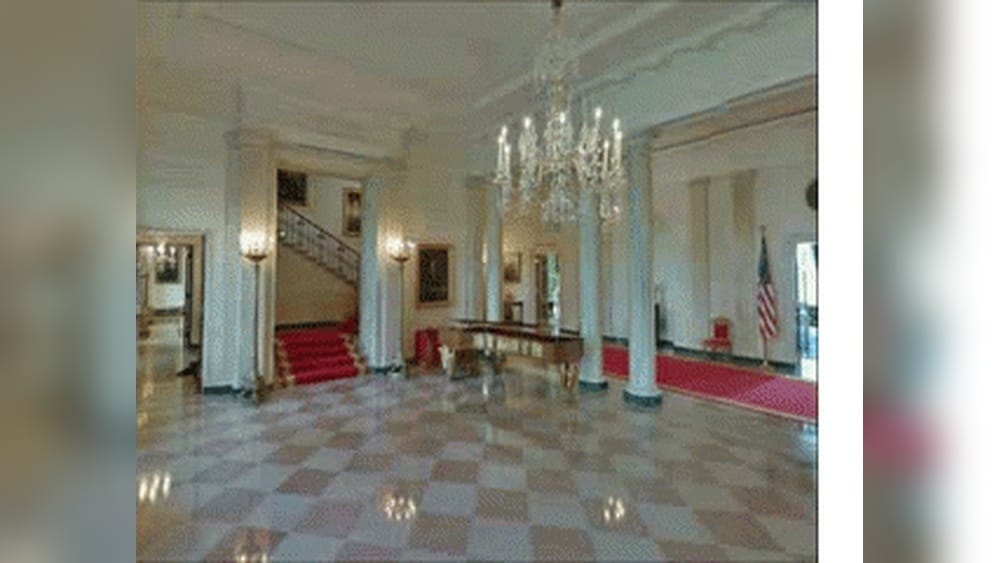
Every day, millions of people wonder what it’s really like inside the White House. This building is not just a symbol of American power but also a place where some of the world’s most important decisions are made. With so much at stake, security is not just a priority—it’s a necessity. But what about surveillance? Are there actually security cameras in the White House? If so, where are they? And how do these cameras work to keep the President, staff, and visitors safe?
These questions spark curiosity not only for history buffs but also for anyone interested in security technology and privacy. In this article, you’ll discover the truth about White House surveillance, how security cameras fit into the overall protection strategy, and how this compares to other government buildings.
We’ll explore what’s known, what’s classified, and why even simple details are sometimes top secret. Let’s dive into the highly secured world behind the gates of America’s most famous address.
Why Security At The White House Is So Important
The White House is much more than a residence. It’s a working office, a national landmark, and a symbol of democracy. Presidents, world leaders, and top officials walk its halls daily. Events here can have global consequences. Because of its importance, the White House faces unique security threats.
Threats Faced By The White House
- Physical Intrusions: There have been several attempts to breach the White House grounds, including fence jumpers and even a small plane crash in 1994.
- Terrorist Attacks: The building is a prime target for those who wish to harm the United States or make a political statement.
- Espionage: Foreign intelligence services are always seeking ways to gather information.
- Protests: Large demonstrations often take place near the White House, raising the risk of sudden escalations.
A single security mistake could cause a crisis. That’s why security systems are updated constantly and kept mostly confidential.
The Role Of Technology In Modern Security
Physical guards and Secret Service agents are only part of the defense. Technology plays a major role. From sensors to communications gear, the White House uses a blend of the latest innovations and strict protocols. Security cameras, in particular, act as both a deterrent and a detective tool, helping agents watch for threats before they become real problems.
Are There Security Cameras In The White House?
It’s natural to wonder if the world’s most high-profile house is under constant watch. The answer is yes—security cameras are in use throughout the White House complex. However, the details of their placement, capabilities, and footage handling are considered classified for national security reasons.
What’s Publicly Known About White House Surveillance
While the Secret Service does not share a detailed map of camera locations, there are enough public records and eyewitness accounts to confirm their presence. Cameras are visible around the White House perimeter, gates, and checkpoints. News photos, documentaries, and occasional leaks have shown black domes or boxy devices attached to lampposts and rooftops.
Areas Likely Under Surveillance
Based on public information and security best practices, these areas are highly likely to have camera coverage:
- North, South, East, and West gates: Main entry points
- Perimeter fence and grounds: To detect intruders
- Entrances to the building: Main doors and service entries
- Roof and airspace: To watch for aerial threats
- Driveways and parking areas: Vehicle monitoring
Areas Where Cameras Are Less Likely
For privacy and tradition, some spaces are not under camera watch:
- Private residence quarters: The President’s family living spaces
- Restrooms and bedrooms: Basic privacy is respected
- Sensitive meeting rooms: Some areas may use other anti-surveillance methods instead
Security experts agree that while some parts are monitored 24/7, others are left private. This balance is carefully protected by law.

Credit: www.youtube.com
How Many Security Cameras Does The White House Have?
The exact number is classified, but estimates from security professionals and former staff suggest hundreds of cameras are in use. The White House complex covers 18 acres, including the main building, the Eisenhower Executive Office Building, and support facilities. Covering every angle, especially outdoors, requires a networked system.
Comparing White House Cameras To Other Landmarks
To put things in perspective, here’s a comparison with other well-known locations:
| Location | Estimated Number of Cameras | Area Covered (acres) |
|---|---|---|
| White House Complex | Several hundred (exact number classified) | 18 |
| U.S. Capitol | 1,500+ | 58 |
| Empire State Building | 300+ | 2 |
| Buckingham Palace | 300+ | 40 |
The White House’s smaller area, compared to the Capitol, means fewer cameras are needed. However, the density of coverage is very high, especially in critical zones.
Why The Number Is Kept Secret
Revealing camera counts or exact locations could help people plan an attack or intrusion. For this reason, details are rarely confirmed and often changed. Even insiders are usually only briefed on the systems relevant to their job.
Types Of Security Cameras Used At The White House
Not all cameras are the same. The White House uses a variety of camera technologies to address different risks. Over time, as technology evolves, older cameras are replaced with newer, smarter models.
Visible Vs. Hidden Cameras
- Visible cameras (dome or box style) act as a clear warning to would-be intruders.
- Hidden cameras are disguised in light fixtures, landscaping, or building details to capture activity without being noticed.
Camera Technologies
- Fixed cameras: Point in a single direction, covering entrances and hallways.
- Pan-Tilt-Zoom (PTZ) cameras: Can be moved by operators to follow moving subjects.
- Infrared/night vision cameras: Capture images in low light, essential for 24/7 surveillance.
- Thermal cameras: Detect heat signatures, useful for finding people hiding at night or in bushes.
- Facial recognition cameras: In some high-security areas, these systems can match faces to a database of approved or banned individuals.
Data Transmission And Storage
Most White House cameras are connected by secure, encrypted networks. Feeds are monitored in real time by the Secret Service and stored for later review if needed. Some cameras may have AI-powered analytics to spot suspicious behavior automatically.
How Security Cameras Fit Into The White House Security System
Surveillance cameras are just one layer of a complex security system. Their main job is to detect, document, and deter threats.
Integration With Other Security Measures
- Sensors: Motion, pressure, and sound sensors back up visual monitoring.
- Physical barriers: Fences, bollards, and bulletproof glass slow down intruders.
- Access control: Card readers, biometric scanners, and guards limit who can enter.
- Communication: Radios and secure lines connect agents and law enforcement.
Each system supports the others. If a camera spots a problem, agents can be sent to investigate in seconds.
Real-time Monitoring
The White House has a central security command center staffed 24/7. Officers watch camera feeds, respond to alarms, and coordinate responses. This helps prevent both minor incidents and major attacks.
Evidence And Investigation
If a breach or crime occurs, camera footage provides crucial evidence. It shows what happened, who was involved, and how events unfolded. This helps the Secret Service improve future protection plans.
Historical Evolution Of White House Surveillance
Surveillance at the White House has changed dramatically since it was first built in 1800. Early security relied on guards and simple locks. Cameras were not part of the plan until the 20th century.
Timeline Of Key Changes
| Era | Key Surveillance Features |
|---|---|
| Pre-World War II | Guards, patrols, basic alarms |
| 1940s–1960s | First closed-circuit TV cameras added; restricted areas marked |
| 1970s–1980s | More cameras, better alarms, increased focus after assassination attempts |
| 1990s–2000s | Digital cameras, night vision, networked systems |
| 2010s–Present | AI analytics, facial recognition, integration with mobile devices |
Famous Security Incidents And Upgrades
After each major incident—like the 2014 fence jumper who entered the White House—the security system is reviewed and upgraded. New technology is often installed quietly, sometimes overnight, to avoid drawing attention.
Who Monitors The Security Cameras?
The United States Secret Service is responsible for White House protection. Within the Secret Service, a special team called the Uniformed Division handles day-to-day monitoring of cameras and alarms.
Roles And Responsibilities
- Monitoring officers: Watch live feeds for unusual activity.
- Response teams: Ready to move instantly if an alarm triggers.
- Technical staff: Maintain and upgrade the camera network.
All staff must pass strict background checks and receive ongoing training.
Confidentiality And Access
Not everyone in the White House can access security feeds. Only authorized personnel have clearance, and their actions are logged for accountability.
Privacy Concerns And Legal Limits
Even in the White House, privacy is a consideration. Surveillance must follow strict rules to protect the rights of the President, staff, and visitors.
Laws That Apply
- The Fourth Amendment: Protects against unreasonable searches.
- Federal surveillance laws: Set limits on camera placement and data use.
- Secret Service protocols: Guide what can and cannot be recorded.
Respecting Private Spaces
Cameras are not placed in bathrooms, bedrooms, or changing rooms. The President’s family and official guests expect a reasonable level of privacy.
Handling Of Video Data
Footage from White House cameras is highly protected. It is stored securely, viewed only by authorized agents, and destroyed according to strict schedules unless needed for an investigation.
Comparing White House Security Cameras To Other Government Buildings
The White House isn’t the only secure government site. How does its approach to cameras compare with other important places?
Key Differences
| Building | Surveillance Focus | Public Access | Unique Features |
|---|---|---|---|
| White House | Perimeter, entrances, private areas (except living quarters) | Highly restricted | Frequent upgrades, high secrecy |
| U.S. Capitol | Chambers, hallways, public spaces | Guided tours allowed | Extensive camera network |
| Pentagon | All entrances, corridors, parking lots | Very restricted | Advanced facial recognition in some areas |
The White House’s mix of public symbolism and private residence requires a unique balance of visibility, privacy, and technology.
Security Camera Upgrades After Major Incidents
Security at the White House is never static. Each time a new threat appears, the camera system is reviewed and improved.
Notable Incidents And Changes
- 1994 plane crash: Increased perimeter sensors and cameras.
- 2011 shooting: More bulletproof glass and external cameras added.
- 2014 fence jumper: Immediate upgrades to fence height, camera resolution, and alarm integration.
The Ongoing Arms Race
As surveillance technology improves, so do the methods used by those trying to defeat it. The Secret Service invests in continuous training and innovation to stay ahead.
Myths And Misconceptions About White House Security Cameras
Many rumors circulate online and in popular culture about surveillance at the White House. Here’s what’s true—and what’s not.
Common Myths
1. “every Inch Is Under Camera Watch.”
False. Private living quarters and sensitive areas are not filmed to protect privacy and national secrets.
2. “cameras Record Everything Forever.”
False. Most footage is deleted after a set period unless there’s an incident.
3. “there Are Facial Recognition Cameras Everywhere.”
Partly true. Some areas use this technology, but not all, and it’s closely controlled.
4. “you Can Hack Into The Camera Feeds.”
Extremely unlikely. The network is isolated, encrypted, and monitored for breaches.
The Truth
Much about White House security is kept secret for good reason. What is clear: security cameras are a vital part of a larger, flexible system—not the only line of defense.
How Security Cameras Affect White House Life
Surveillance is a fact of life for anyone working in or visiting the White House. This changes behavior in subtle ways.
Staff And Visitor Experience
- Staff: Trained to expect cameras and act accordingly at all times.
- Visitors: Informed of security measures before entering, but not shown camera locations.
- Guests: Briefed on privacy rules and escorted at all times.
Most people adjust quickly, understanding that safety comes first.
Presidential Privacy
Each President can request changes to the camera system in their private quarters for personal comfort, within Secret Service limits. The balance between safety and privacy is always discussed.
Non-obvious Insight: The “human Factor”
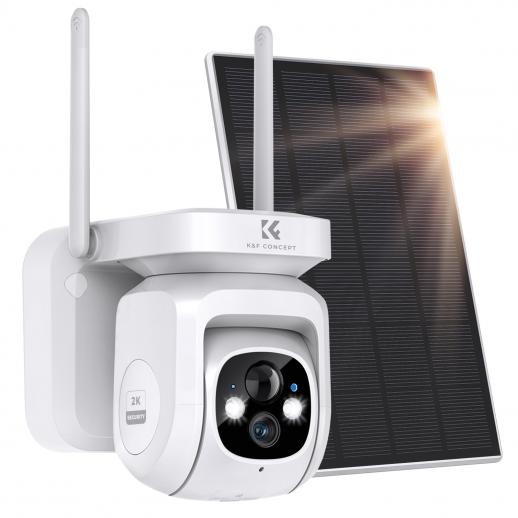
While technology is powerful, the human element—quick judgment, experience, and intuition—remains crucial. Cameras can alert to a problem, but it’s trained agents who make the final call.
Credit: www.kentfaith.com
The Role Of Cameras During Major Events
State visits, public ceremonies, and protests increase risks and require temporary adjustments to the camera system.
How Coverage Changes For Special Events
- Additional portable cameras may be installed.
- Control room staffing is increased.
- Coordination with city police and other agencies is stepped up.
For example, during a presidential inauguration, hundreds of extra cameras cover the parade route, crowd areas, and rooftops.
Learning From Events
After major gatherings, the Secret Service reviews footage to improve future security. Sometimes, new permanent cameras are added if weaknesses are found.
Advances In White House Camera Technology
The White House is a testing ground for the best and newest surveillance tools.
Recent Technology Trends
- Artificial intelligence: Helps spot suspicious patterns automatically.
- Remote access: Agents can view key feeds on secure tablets or phones.
- Wireless cameras: Used for temporary events or repairs.
- High-resolution imaging: Makes it easier to identify faces and objects, even at night.
These upgrades are quietly rolled out, sometimes in partnership with private technology firms.
Non-obvious Insight: Decoy Cameras
Some cameras in plain view may actually be “decoys”—not connected, but placed to scare off potential threats or distract attention from hidden cameras.
International Comparisons: How The White House Measures Up
How does White House surveillance compare to that of other world leaders’ residences?
Security At Other World Leader Residences
- 10 Downing Street (UK): Dense camera coverage, but smaller area and less public access.
- Kremlin (Russia): Extensive cameras, many hidden, with a focus on anti-espionage.
- Élysée Palace (France): Similar use of visible and hidden cameras, but less publicly discussed.
The White House is unique in its blend of openness (tourism, media events) and secrecy (classified meetings), requiring a flexible, layered approach to surveillance.
Public Tours And Security Camera Policy
The White House allows limited public tours, but security is always tight.
What Tourists Should Know
- Camera coverage: Public areas are watched, but visitors rarely see the cameras.
- Security briefings: All visitors pass through screening and receive behavior guidelines.
- Privacy: No personal footage is released without permission.
How Footage Is Used
Cameras help agents spot lost items, medical emergencies, or unusual behavior. Most visitors never realize how closely they’re being watched.
Security Cameras And White House History
Surveillance footage has sometimes played a role in presidential history. For example, camera records have helped clarify timelines after security incidents or supported investigations of suspicious activity.
Preservation Of Important Footage
In rare cases, footage is kept as part of the historical record—often sealed for decades. This helps historians understand past events, but only after any security risk has passed.
What The Future Holds For White House Surveillance
Security threats are always changing, so the White House will continue to adapt. Some experts predict:
- More advanced AI and machine learning for camera analysis
- Integration with drones for aerial monitoring
- Biometric systems for access control
- Improved privacy safeguards for residents and guests
The challenge will be balancing maximum protection with the dignity and privacy expected at the nation’s most important home.
Credit: whitehouse.gov1.info
Frequently Asked Questions
Are There Cameras Inside The White House?
Yes, there are security cameras inside and outside the White House. However, cameras are not placed in private living quarters, bathrooms, or bedrooms. Most cameras monitor entrances, hallways, and public spaces.
Who Monitors The White House Cameras?
The United States Secret Service Uniformed Division monitors all White House cameras. Only specially trained, authorized officers have access to these feeds. Their work is highly confidential and closely supervised.
Are Visitors Recorded During White House Tours?
Yes, visitors are recorded by security cameras during tours. This is for safety and protection. Footage is not shared publicly and is deleted according to strict rules unless an incident occurs.
How Long Is White House Camera Footage Kept?
Most footage is stored for a limited time, often 30 to 90 days, unless it captures a significant security event. Then, it may be kept longer for investigation or legal reasons.
Can The Public Request Access To White House Security Footage?
No, White House security footage is not available to the public. It is classified for national security. Only law enforcement or authorized officials can view or request copies for official investigations.
Final Thoughts
Security at the White House is a careful blend of technology, tradition, and secrecy. Cameras are everywhere they need to be—visible and hidden, basic and high-tech, indoor and outdoor. They help keep the President, staff, and visitors safe while respecting privacy as much as possible. Details about the number and type of cameras are closely guarded, and for good reason: this knowledge could put lives at risk.
Yet, the presence of cameras is just one part of a much larger, constantly evolving security system. Human skill, rapid response, and smart planning are equally important. As threats change, so will surveillance—always aiming to protect both the people and the principles that the White House stands for.
For more on the history and details of White House security, visit the Wikipedia page on White House security.