
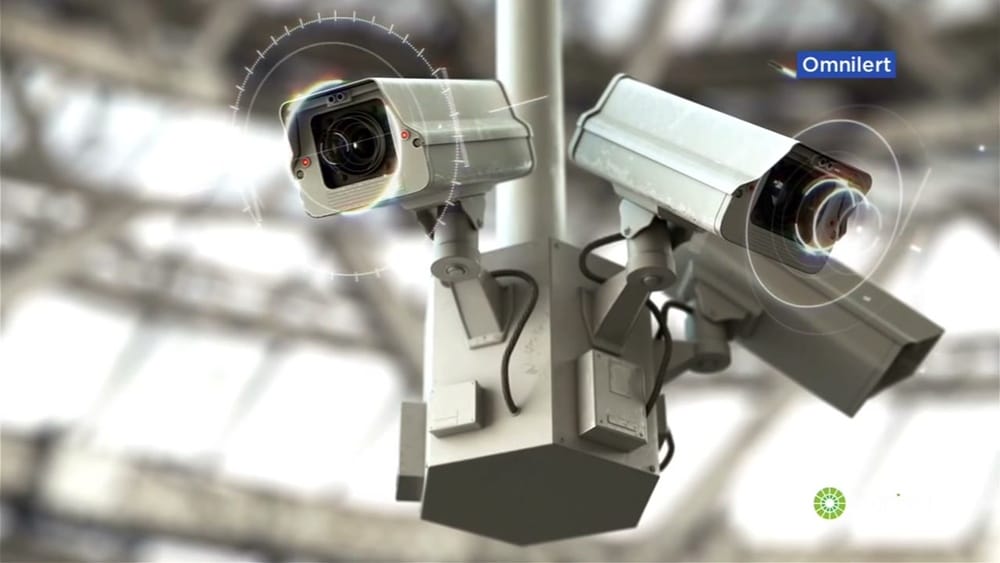
Are There Security Cameras That Can Detect Weapons
Security is a growing concern everywhere—from schools and offices to public spaces and transport hubs. One question is becoming more common: Are there security cameras that can detect weapons? The idea sounds futuristic, but today, technology is moving fast. Security cameras are no longer just eyes that record what happens. Now, advanced cameras can detect threats, including guns, knives, or other weapons, before an incident occurs.
This article explores how weapon-detecting cameras work, where they’re used, their reliability, and what buyers should know. We’ll look at current technologies, practical examples, key challenges, and even what the future may hold. If you are considering security upgrades or simply want to understand this exciting field, you’ll find clear answers and practical advice here.
What Is Weapon Detection Technology?
Weapon detection technology uses artificial intelligence (AI) and computer vision to spot weapons in real time. These systems analyze video feeds from security cameras. Instead of just recording, the camera sends data to software that looks for shapes or movements linked to firearms, knives, or other weapons.
Most modern systems use deep learning. Deep learning is a branch of AI where computers learn from huge amounts of data. The software is “trained” with thousands of pictures of weapons, so it can recognize them even in complex environments. Some systems can detect weapons hidden under clothes or bags by using thermal imaging or millimeter wave technology, though these are less common.
Main Features Of Weapon Detection Systems
- Real-time alerts: When a weapon is detected, the system sends an alert to security staff or law enforcement.
- Automated response: Some systems can trigger alarms, lock doors, or activate other security measures.
- Integration: Weapon detection can be combined with access control, facial recognition, or license plate recognition for better security.
- Analytics: Systems often provide detailed reports about incidents, including time, location, and type of weapon.
How Detection Works
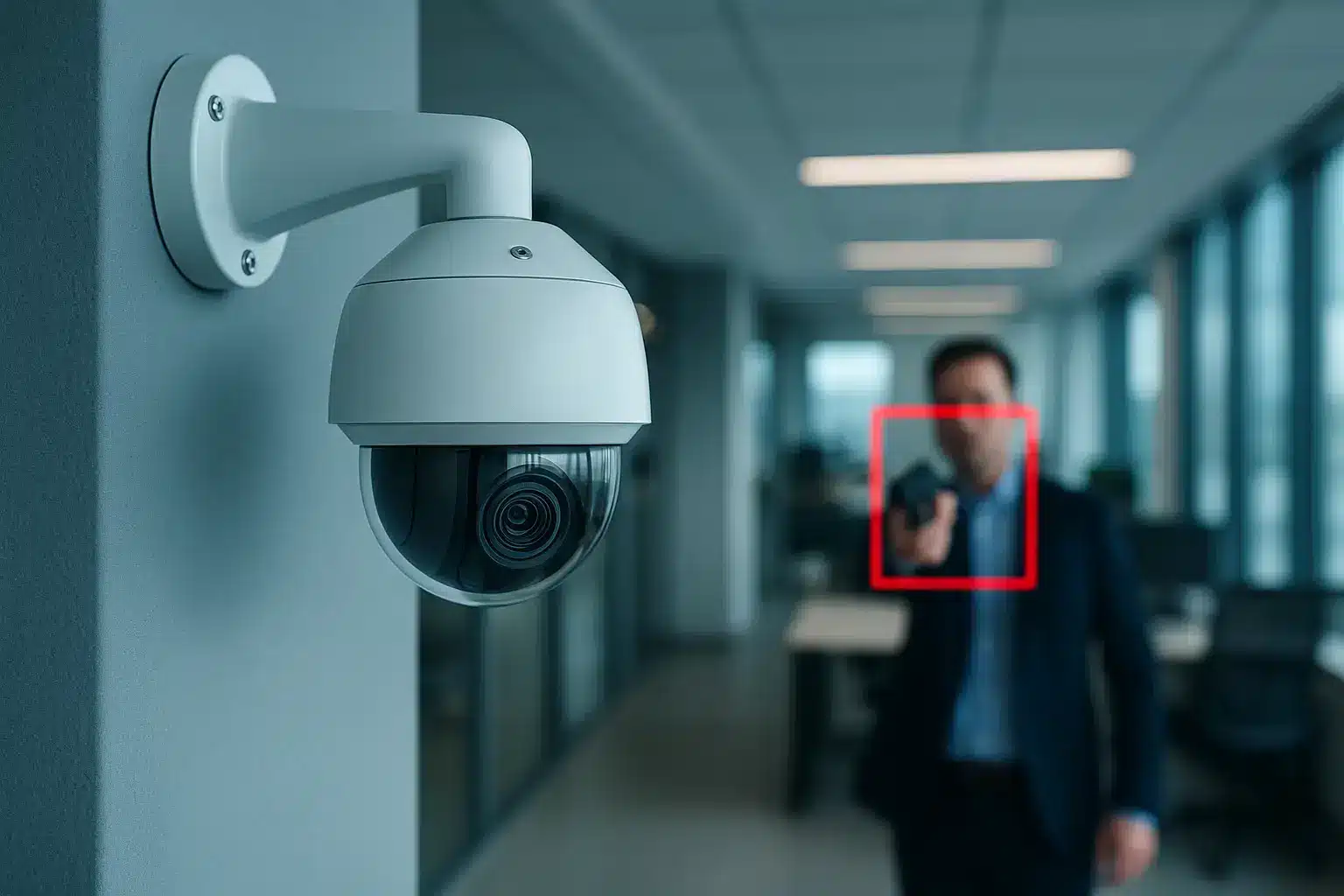
The camera captures live video. AI software processes each frame and looks for weapon-like shapes or movements. If something matches its trained patterns, the system flags it.
For example: If someone walks into a school holding a visible handgun, the camera can spot the gun’s shape and alert staff within seconds.
Types Of Weapons Detected
- Handguns
- Rifles
- Knives
- Blunt objects (sometimes, though accuracy is lower)
- Explosives (in rare, advanced systems)
Not all systems can detect every type of weapon. Most focus on guns and knives because these are the most common threats.
How Are Weapon Detection Cameras Different From Regular Security Cameras?
Traditional security cameras record video but rely on humans to spot threats. Weapon detection cameras use AI software to analyze video automatically.
Key Differences
| Feature | Traditional Cameras | Weapon Detection Cameras |
|---|---|---|
| Detection | Manual (human review) | Automated (AI software) |
| Response Time | Minutes to hours | Seconds |
| Alerting | After review | Instant, real-time |
| Integration | Limited | Can link with alarms, locks, access control |
| Cost | Lower | Higher (due to AI software) |
Practical Example
Imagine a busy subway station. A traditional camera records everything but may miss a threat unless someone is watching carefully. A weapon detection camera can spot a gun, alert security, and start a lockdown—all in seconds.

Credit: www.securitysales.com
Leading Technologies Behind Weapon Detection
Weapon detection systems rely on a mix of hardware and software. Let’s look at the main technologies:
Ai And Computer Vision
Computer vision is the science of teaching computers to “see” like humans. Cameras capture images, and software analyzes them.
Deep learning uses neural networks—complex algorithms that mimic the human brain. These networks are trained with thousands of images of weapons, so they can recognize guns or knives even in messy backgrounds or low light.
Edge Vs. Cloud Processing
Some systems process data on the edge—meaning the camera or device itself does the analysis. This is faster and keeps data private.
Other systems send video to the cloud for processing. Cloud systems can be more powerful and offer detailed analytics, but they may have a delay and raise privacy concerns.
Sensor Types
Most systems use regular visible light cameras. Some advanced systems use:
- Infrared cameras: Spot hidden weapons by detecting heat.
- Millimeter wave scanners: See through clothing and bags (used at airports).
- Thermal imaging: Detects body heat and metal objects.
However, these advanced sensors are costly and mainly used in high-security areas.
Software Platforms
Weapon detection software can run on existing cameras, or you may need special cameras. Popular platforms include:
- ZeroEyes
- Athena Security
- Omnilert
- Evolv Technology
Each platform uses its own AI algorithms and may have unique features.
Where Are Weapon Detection Cameras Used?
Weapon detection technology is spreading fast. Here are common places where it’s used:
- Schools: To prevent shootings and keep students safe.
- Airports: For faster screening and threat detection.
- Hospitals: Protect staff and patients from violence.
- Shopping malls: Reduce theft and violent crime.
- Government buildings: Protect officials and visitors.
- Public transport: Buses, trains, subways.
- Event venues: Concerts, stadiums, conferences.
Example: Schools In The Us
After several school shootings, districts are testing weapon detection cameras. Some schools use systems that scan everyone entering for visible weapons. If the camera spots a gun, it sends an alert to security.
Example: Airports
Airports like Atlanta and Los Angeles use advanced scanners and weapon detection cameras. These systems help security find hidden weapons faster than traditional methods.
Accuracy And Reliability: Can Cameras Really Detect Weapons?
Weapon detection cameras are impressive, but they aren’t perfect. Accuracy depends on several factors:
- Quality of camera
- Lighting conditions
- Crowded or cluttered environments
- Type of weapon (visible or concealed)
- How the weapon is carried (open or hidden)
Detection Rates
Most commercial systems claim accuracy rates between 85% and 95% for visible guns and knives in good conditions.
For example, ZeroEyes reports up to 90% accuracy for visible firearms. Athena Security claims similar numbers.
However, detection is harder when:
- Weapons are partly hidden.
- People are moving quickly.
- The environment is crowded.
False Positives And Negatives
A false positive is when the system flags something as a weapon, but it’s not (e.g., a phone or a tool). False negatives are when a real weapon is missed.
Most systems try to minimize false alarms. Still, some false positives occur—especially with objects that look similar to weapons.
Non-obvious Insight
Some buyers don’t realize that camera placement affects accuracy. Placing cameras at entrances or chokepoints improves detection. Cameras in wide, open areas may miss threats or create more false alarms.
Another insight: training the AI is critical. If the system is trained with local data (e.g., images from your environment), it becomes more accurate.
Privacy Concerns And Legal Issues
Weapon detection cameras raise privacy questions. They record video and sometimes use facial recognition or advanced sensors.
Main Privacy Issues
- Continuous surveillance: People may feel uncomfortable being watched constantly.
- Data storage: Video and alerts are often saved for review.
- Integration with other systems: Linking with facial recognition can create privacy risks.
- Regulations: Laws vary by country and state.
Legal Considerations
In the US, laws like GDPR (for Europe) and state privacy laws limit what data can be collected and stored. Some states require clear signs or consent when cameras are used.
Example
A hospital installing weapon detection must inform patients and staff. Some systems blur faces to protect privacy.
Practical Advice
To stay legal, always:
- Tell people about surveillance.
- Store data securely.
- Limit access to alerts and video.
- Follow local laws.
Pros And Cons Of Weapon Detection Cameras
Here’s a simple overview of benefits and drawbacks:
| Pros | Cons |
|---|---|
| Fast, automated threat detection | Can be expensive to install |
| Improves safety in public spaces | May have false positives or miss concealed weapons |
| Reduces need for manual monitoring | Raises privacy concerns |
| Integrates with other security systems | Requires staff training and maintenance |
| Can provide evidence after incidents | Legal requirements can be complex |
Key Insight
One thing many buyers miss: ongoing training and updates are needed. As new weapons appear or criminals change tactics, the AI must be retrained.
Cost And Installation: What Buyers Should Know
Weapon detection cameras cost more than basic security systems. Prices vary by features, brand, and installation size.
Typical Costs
- Camera hardware: $500 to $2,000 per camera
- AI software license: $1,000 to $10,000 per year, depending on system
- Installation: $1,000 to $5,000 for a small site
A school might spend $10,000 to $50,000 for a full system. Large venues pay more.
Factors Affecting Cost
- Number of cameras needed
- Type of AI software
- Integration with existing security
- Maintenance and updates
Common Buyer Mistakes
- Underestimating coverage: One camera rarely covers an entire building.
- Ignoring lighting: Low-light areas need better cameras.
- Skipping training: Staff must know how to respond to alerts.
- Choosing the cheapest system: Cheap systems may have low accuracy.
How To Choose The Right Weapon Detection System
Picking the best system takes careful planning. Here are the most important steps:
- Assess your needs: How big is your space? What are your main threats?
- Check compatibility: Will the software run on your existing cameras?
- Test accuracy: Ask for demo tests in your own environment.
- Compare features: Look for real-time alerts, integration, and analytics.
- Review privacy policies: Make sure the system follows local laws.
- Consider support: Good systems offer training and updates.
- Budget wisely: Plan for hardware, software, and ongoing costs.
Sample Comparison Table
Here’s how three leading platforms compare:
| Brand | Detection Rate | Supported Cameras | Integration | Cost (Annual) |
|---|---|---|---|---|
| ZeroEyes | ~90% | Most IP cameras | Access control, alarms | $5,000+ |
| Athena Security | ~85% | Special cameras | Locks, alarms, analytics | $7,500+ |
| Evolv Technology | ~95% | Own sensors | Full integration | $10,000+ |
Real-world Examples And Case Studies
Let’s look at some practical examples.
Us School District
A Texas school district installed weapon detection cameras after a shooting scare. Cameras were placed at entrances and hallways. Within months, the system flagged a student carrying a replica gun. Security responded quickly, preventing panic.
Large Hospital
A major US hospital installed Athena Security cameras. The system caught a visitor carrying a knife. Security was alerted and stopped the threat before anyone was hurt.
Sports Stadium
Evolv Technology cameras were used at a stadium hosting 50,000 people. The system scanned visitors as they entered, detecting several knives and a firearm. This helped police remove threats before the event started.
Non-obvious Insight
Some venues report that weapon detection systems also deter crime. When people know cameras can spot weapons, fewer attempt to bring them inside.
Credit: www.omnilert.com
Challenges And Limitations
Weapon detection technology is promising, but not perfect. Here are the main challenges:
Technical Limitations
- Detecting concealed weapons: Most systems can’t spot weapons hidden under clothes.
- Crowded environments: Accuracy drops when many people overlap.
- Lighting issues: Poor light reduces detection rates.
- Object confusion: Tools, phones, or toys can trigger false alarms.
Human Factors
- Response time: Staff must react quickly to alerts.
- Training: Without proper training, alerts can be missed or ignored.
- Trust: Some staff may doubt the system’s accuracy.
Legal And Ethical Issues
- Privacy: Recording and analyzing video raises concerns.
- Bias: AI systems may be less accurate for certain groups or environments.
Practical Advice
Buyers should:
- Combine weapon detection with other security measures (guards, physical barriers).
- Test systems regularly.
- Update software as threats change.
The Future Of Weapon Detection Cameras
Technology is advancing fast. Here’s what’s coming next:
Improved Ai
AI will get better at spotting weapons in tough conditions—like crowds or low light. Training with more data will improve accuracy.
Detecting Concealed Weapons
New sensors, such as millimeter wave or advanced thermal imaging, will help detect hidden weapons. This is already used at airports, but costs are high.
Integration With Other Systems
Weapon detection will work together with facial recognition, access control, and emergency response. For example, a detected weapon could trigger automatic lockdowns.
Remote Monitoring
Cloud-based systems will allow security teams to monitor sites from anywhere.
More Affordable Solutions
As technology matures, prices will drop, making weapon detection possible for small businesses and schools.
Non-obvious Insight
Some experts believe weapon detection will become standard in public spaces—like fire alarms. It may be a legal requirement in schools or government buildings within the next decade.

Credit: www.backstreet-surveillance.com
Frequently Asked Questions
How Accurate Are Weapon Detection Cameras?
Most systems have accuracy rates between 85% and 95% for visible guns and knives. Accuracy depends on camera quality, lighting, and environment. Crowded or low-light areas may reduce reliability.
Can These Cameras Detect Concealed Weapons?
Most cameras detect visible weapons only. Advanced systems at airports use sensors to spot weapons under clothes, but these are expensive and not common outside high-security locations.
Are Weapon Detection Cameras Legal To Use?
Laws vary by country and state. In the US, it’s legal if privacy rules are followed. Always inform people about surveillance and store data safely. Check local regulations before installing.
Do Weapon Detection Cameras Work With Existing Security Systems?
Many systems can integrate with alarms, access control, and emergency response. Some need special cameras, while others run on standard IP cameras. Always check compatibility before buying.
Where Can I Learn More About Weapon Detection Technology?
You can read more about weapon detection and AI security at Wikipedia.
Final Thoughts
Weapon detection cameras are transforming security. They don’t just record—they actively protect by spotting threats in real time. While not perfect, their accuracy and speed can save lives. Buyers should plan carefully, consider privacy, and test systems before rolling them out.
As technology improves, weapon detection will become a key part of safety in schools, hospitals, airports, and public spaces.
Understanding how these systems work, their limits, and their benefits helps you make smart choices. With the right planning and support, weapon detection cameras can turn ordinary security into real protection.