
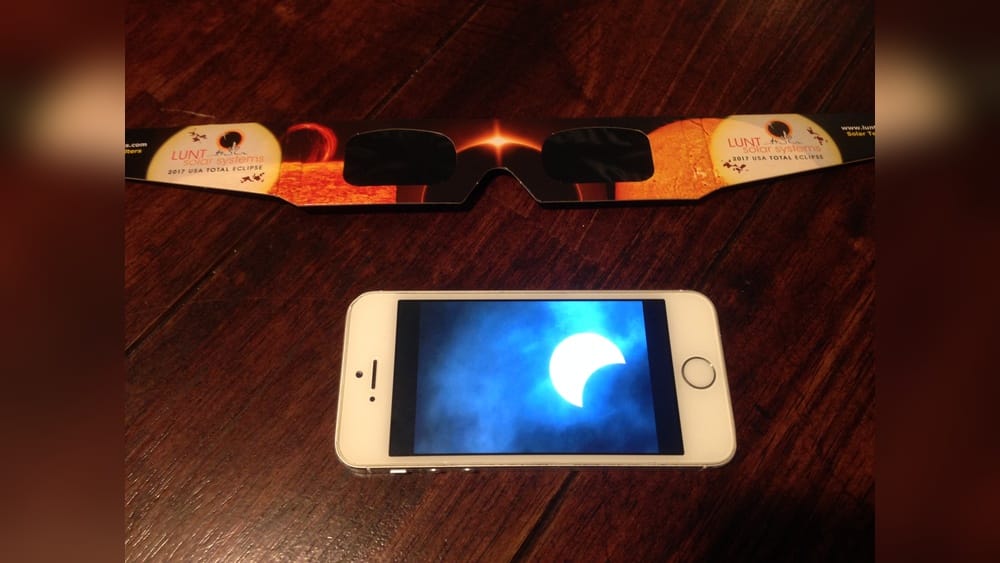
Looking up at a solar eclipse is a rare and exciting moment. Many people want to capture it forever—either with their eyes or through a camera lens. But eclipses bring real danger to both your eyes and your devices. The question, “Can you look at a solar eclipse through a camera?
” seems simple, yet the answer involves science, safety, and technology. Let’s break down what really happens when you view or photograph a solar eclipse, what risks exist, and the smartest ways to enjoy this amazing event.
Why Solar Eclipses Are So Special
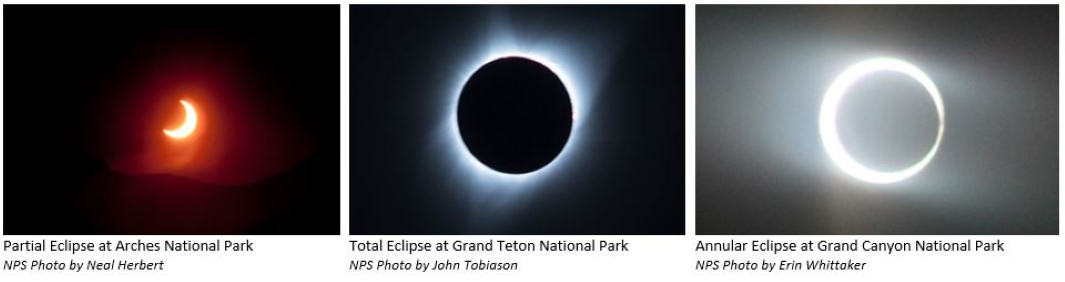
A solar eclipse happens when the Moon moves between the Earth and the Sun, blocking all or part of the Sun for a short time. There are different types: total solar eclipses (where the Sun is fully covered), partial eclipses (only part is covered), and annular eclipses (the Moon covers the center, leaving a bright ring).
Solar eclipses are rare in any one place, often happening only once every few decades. When they do occur, they draw crowds of sky-watchers and photographers. The dramatic shift in daylight, the sudden coolness, and the eerie shadows create a unique experience.
But solar eclipses are not just beautiful—they’re powerful. The Sun’s rays are just as dangerous during an eclipse as on any normal day. In fact, they can be even more harmful because you may be tempted to stare at the Sun for longer, thinking the dimmed light is safe.
The Science Behind Eye Damage
Looking directly at the Sun, even for a few seconds, can harm your eyes. The Sun emits ultraviolet (UV) and infrared (IR) radiation, which can burn the delicate cells in your retina. This condition is called solar retinopathy. During an eclipse, the changing light tricks your brain into thinking it’s safe, but the harmful rays are still there.
Symptoms of solar retinopathy can include:
- Blurred vision
- Blind spots
- Distorted color vision
- In serious cases, permanent vision loss
No pain is felt during the damage, so you may not even realize you’ve hurt your eyes until hours later. This is why using proper eye protection is crucial.
How Cameras “see” The Sun
Cameras, just like eyes, are sensitive to light. Inside every camera is a sensor (digital cameras) or film (older cameras) that reacts to light to create an image. When you point a camera at the Sun, a huge amount of focused light and heat hits the sensor or film.
Some people believe that using a camera, smartphone, or binoculars is safer than looking directly. But this is not true. Cameras can concentrate sunlight, especially through telephoto or zoom lenses, making the light even more dangerous.
What Can Happen To Your Camera?
- Sensor Damage: The Sun’s focused rays can burn pixels on a digital sensor, leaving permanent marks.
- Melted Components: Some parts inside the camera, especially plastic or glue, can melt if heated by the Sun.
- Lens Damage: Lenses themselves can get scorched or develop cracks.
If you’re using a smartphone, the risk is smaller than with a DSLR and a zoom lens, but damage is still possible—especially if you use any magnifying attachments.
Here’s a quick comparison of risks:
| Device | Risk of Eye Injury | Risk of Device Damage |
|---|---|---|
| Naked Eye | Extreme | None |
| Smartphone (no zoom) | High (if looking at screen live) | Moderate |
| DSLR with Telephoto Lens | Extreme (if using viewfinder) | High |
| Binoculars/Telescope (no filter) | Extreme | High |
Can You Look At A Solar Eclipse Through A Camera Safely?
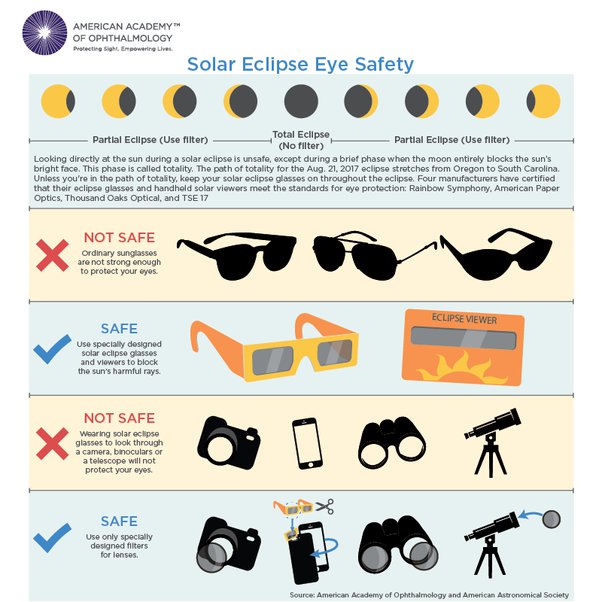
The short answer: Never look at a solar eclipse through a camera’s optical viewfinder without protection. The camera lens can amplify the sunlight, focusing it directly into your eye. This is true for DSLR cameras and any device with a traditional viewfinder.
If you use a live view screen (like on smartphones or digital cameras), you are not focusing sunlight into your eye, but you still risk damaging the device itself. The screen is just a display, not a direct optical path.
What About Using Filters?
To safely view or photograph a solar eclipse, you need a solar filter. These filters are made to block out more than 99.99% of visible, UV, and IR light. Common types include:
- Solar Film Sheets: Thin, silver-colored sheets that can be cut to fit over camera lenses.
- Glass Solar Filters: Usually used for telescopes, but available for cameras.
- Solar Filter Glasses: For your eyes—not for cameras, unless mounted securely in front of the lens.
Regular sunglasses, photographic ND filters, or improvised materials (like CDs or smoked glass) do not provide enough protection.
Some solar filters are designed for both eyes and cameras, but always check the manufacturer’s instructions.
Here’s how different filters compare:
| Filter Type | Protection Level | Suitable For Cameras? |
|---|---|---|
| Solar Film (ISO 12312-2) | Excellent | Yes |
| Glass Solar Filter | Excellent | Yes |
| Photographic ND Filter | Poor | No |
| Sunglasses | Very Poor | No |
| CD/DVD | Very Poor | No |
The Dangers Of Optical Viewfinders
Most DSLR cameras have an optical viewfinder—a small window that shows you the image directly through the lens. This means if you aim your camera at the Sun and look through the viewfinder, you are focusing direct sunlight into your eye. This can cause instant, permanent eye damage.
Mirrorless cameras and most compact digital cameras use electronic viewfinders or LCD screens. These do not focus the Sun’s rays into your eyes. However, they can still damage the sensor inside the camera.
For safety:
- Never use an optical viewfinder to look at the Sun
- Always attach a certified solar filter to the lens before pointing at the Sun
- Check the filter is secure and undamaged
Remember: the risk is highest with long lenses and zooms, which magnify the Sun’s light even more.
Using Live View And Smartphones
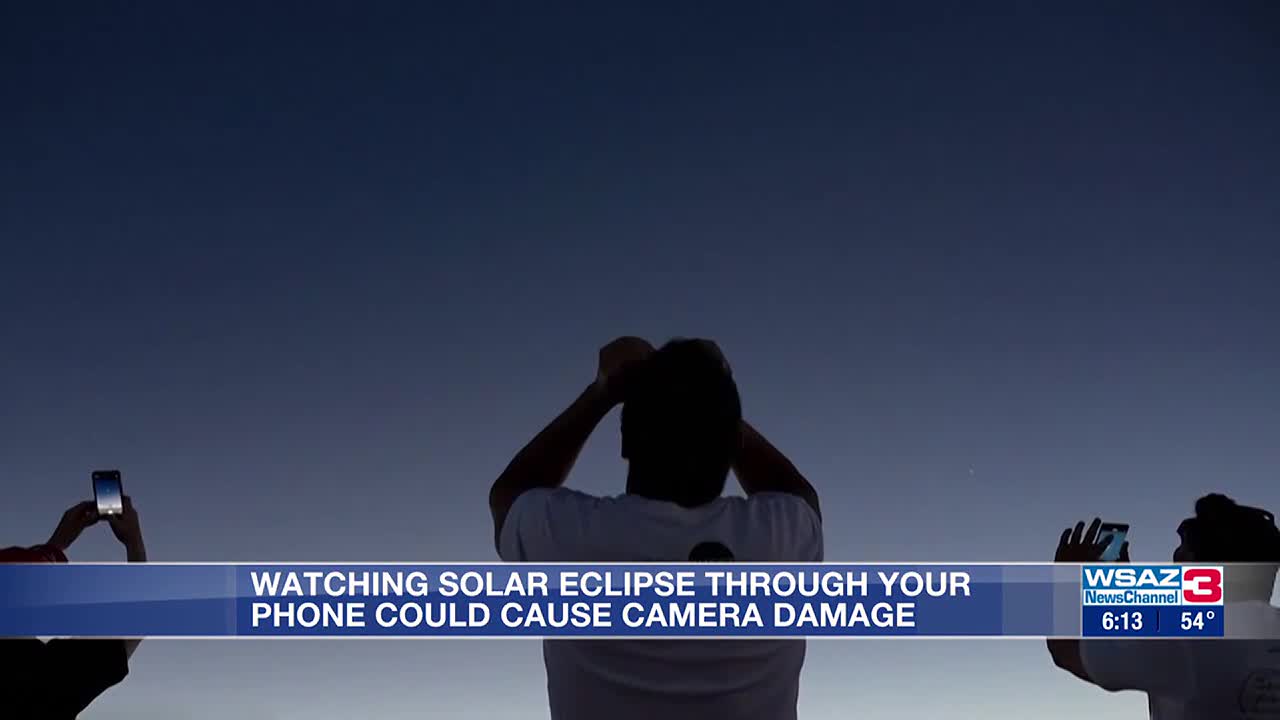
Smartphones and most modern cameras have live view screens. This means you look at a display, not through a direct optical path. While this removes the risk of direct eye injury, it does not eliminate the risk to your device.
Sensors in phones and cameras can still get overloaded by the Sun’s light, especially during a solar eclipse when you might be tempted to point and focus for longer than usual.
How Real Is The Risk For Smartphones?
Most smartphone cameras have small lenses and sensors, so the risk is lower compared to DSLRs with big zoom lenses. However, if you leave your phone pointed at the Sun for a long time, especially with a zoom lens or attachment, you could get:
- Burned pixels (white spots that won’t go away)
- Overheating (leading to shutdown or sensor failure)
- Cracked lens covers (in rare cases, if the phone gets very hot)
A solar filter is still the safest option, even for smartphones. Some companies make clip-on solar filters for phones, which are cheap and easy to use.
Credit: seymourlibrary.org
Smart Ways To Photograph A Solar Eclipse
Getting a great photo of a solar eclipse is possible, but it takes preparation. Here’s how to do it safely and successfully:
- Get a certified solar filter for your camera or phone. Make sure it fits securely.
- Practice ahead of time. Try photographing the Sun on a regular day to get used to your camera settings and filter.
- Use a tripod to keep your camera steady. Eclipses last only a few minutes, so you want your shot ready.
- Use live view or your phone screen. Never look through an optical viewfinder.
- Set your camera to manual mode. The Sun’s brightness can fool automatic settings.
- Choose a low ISO (100–400) to avoid noise.
- Use a moderate aperture (f/8–f/16) for sharpness.
- Adjust shutter speed as needed—start with 1/1000 sec and experiment.
- Don’t remove the filter except during totality (if you are in the path of totality and the Sun is fully covered).
- Replace the filter immediately when the total phase ends.
Here’s a typical workflow for eclipse photography:
| Step | Action | Why It Matters |
|---|---|---|
| 1 | Attach Solar Filter | Protects both eyes and camera |
| 2 | Set Up Camera/Tripod | Ensures steady, sharp images |
| 3 | Manual Settings | Gives you control over exposure |
| 4 | Test Shots | Helps you find the right exposure |
| 5 | Shoot During Eclipse | Capture all stages safely |
What Happens During Totality?
During a total solar eclipse, the Moon fully covers the Sun for a few seconds to a few minutes. Only then is it safe to look at the Sun with the naked eye—but only during the brief period of totality.
If you are photographing, you can remove the solar filter only when the Sun is 100% covered. As soon as totality ends and even a tiny part of the Sun reappears, you must put the filter back on.
Warning: Totality is brief and unpredictable. Many people get so caught up in the moment that they forget to replace their filters in time. It’s easy to get eye or camera damage in just seconds.
Common Myths About Eclipse Viewing And Photography
There are many myths and half-truths about solar eclipses. Here are some of the most common:
- “It’s safe to look at the eclipse if you wear sunglasses.”
False. Even the darkest sunglasses are not enough to block harmful rays.
2. “a Camera Lens Protects Your Eyes.”
False. The lens can actually concentrate sunlight, making injury more likely.
- “Smartphone screens are safe, so you can use them directly.”
Partially true. The screen is safe for your eyes, but your phone’s camera can still be damaged.
4. “photographic Nd Filters Are Enough Protection.”
False. Neutral density (ND) filters only reduce visible light, not UV or IR, and are not safe for eclipse viewing.
5. “it’s Safe To Look During A Partial Eclipse.”
False. Only during totality (if the Sun is completely covered) is it briefly safe to look without protection.
Best Practices For Safe Eclipse Viewing
You can enjoy a solar eclipse safely with the right gear and a little knowledge. Here’s what you should always do:
- Use only ISO 12312-2 certified solar filters for both your eyes and your camera.
- Never use damaged, scratched, or old filters.
- Supervise children carefully. Make sure they keep their filters on.
- Plan ahead. Know the timing of the eclipse in your area so you’re not caught off-guard.
- Share safety information with others watching the eclipse.
If you want to take photos, practice with your setup days before the eclipse. Make sure your filter fits tightly and does not slip off.
Credit: www.wsaz.com
What About Indirect Viewing?
If you’re worried about eye or camera safety, you can use indirect viewing methods. Pinhole projectors, eclipse viewers, or even a colander can project the Sun’s image onto the ground or a piece of paper. This lets you watch the eclipse without ever looking at the Sun or pointing a camera at it.
Indirect methods are:
- Very safe for eyes and equipment
- Fun for groups or classrooms
- Simple to set up with household items
For more about safe viewing methods, check the American Astronomical Society’s guide.
Real Examples Of Damage
There are many stories of people damaging their eyes or cameras during solar eclipses. After the 2017 eclipse in the US, several camera shops reported a spike in burned sensors and ruined lenses. Some people who looked through cameras without filters suffered permanent blind spots.
In 1999, a UK medical journal reported over 70 cases of serious eye injuries after an eclipse. Most victims were children or young adults who thought sunglasses or ND filters were safe enough.
Two Non-obvious Insights For Beginners
- The “Safe” Phase Is Extremely Short: Many people think there is plenty of time to remove their solar filter during totality. In reality, totality often lasts only 1–2 minutes. If you’re not in the direct path, there is no safe phase at all. Rely on official eclipse timing and listen for expert cues.
- Filters Must Go In Front of the Lens, Not Behind: Some beginners try to put solar glasses over the camera’s viewfinder or use unapproved filters behind the lens. This does not protect the camera or your eyes. Always place the filter securely on the front of the lens.
Common Mistakes To Avoid
- Using the wrong filter: Only solar filters certified to ISO 12312-2 are safe. Other filters can fail suddenly.
- Forgetting to replace the filter after totality: Even one second of exposure to the uncovered Sun can cause damage.
- Looking through the viewfinder: Always use live view or LCD screens.
- Leaving your camera pointed at the Sun: Even with a filter, avoid long, unattended exposures.
- Believing “cloudy” means safe: UV and IR rays pass through clouds. Never let clouds trick you into unsafe viewing.
How To Choose The Right Solar Filter
Not all solar filters are created equal. Here’s what to look for:
- ISO Certification: Only buy filters labeled ISO 12312-2.
- Size: The filter must fully cover your lens, with no gaps.
- No Damage: Avoid scratched or old filters.
- Secure Attachment: Filters should not fall off easily.
- Trusted Brands: Research reviews and buy from reputable companies.
If in doubt, contact local astronomy clubs or observatories for advice.
Preparing For The Next Solar Eclipse
If you want to witness and photograph an eclipse, plan ahead:
- Find out the date and path of the next solar eclipse in your area.
- Order your filters and gear early—supplies often run out before big eclipses.
- Learn how to use your camera and filter before eclipse day.
- Join a local viewing group or astronomy club for tips and support.
The Bottom Line: Can You Look At A Solar Eclipse Through A Camera?
You should never look at a solar eclipse through a camera’s optical viewfinder without a certified solar filter. The risk of eye damage is very high. Using live view screens or smartphones removes the risk to your eyes, but your device can still be damaged if you don’t use a solar filter.
With proper planning, filters, and safe techniques, you can capture beautiful eclipse images and keep both your vision and your equipment safe. Don’t risk your eyes or your camera—use the right protection, and you’ll enjoy the eclipse for years to come.
Frequently Asked Questions
Can I Use Sunglasses As A Solar Filter For My Camera?
No. Regular sunglasses do not provide enough protection from the Sun’s rays for cameras or your eyes. They block only a small amount of visible light and almost none of the harmful UV and IR rays. Only use ISO 12312-2 certified solar filters.
Is It Safe To Look At A Solar Eclipse Through A Smartphone Screen?
Looking at the Sun on a smartphone screen is safe for your eyes because you are not viewing direct sunlight. However, your phone’s camera can still be damaged if you point it at the Sun for too long without a solar filter.
What Happens If I Use A Camera Without A Solar Filter During An Eclipse?
You risk damaging your camera’s sensor or lens. The focused sunlight can burn pixels or melt parts inside the camera. In some cases, the damage is permanent and cannot be repaired.
Can I Remove The Solar Filter During The Total Phase Of A Total Solar Eclipse?
Yes, but only during totality—when the Sun is completely covered by the Moon. As soon as any part of the Sun reappears, you must replace the filter immediately to protect your eyes and camera.
Where Can I Buy Certified Solar Filters For Cameras?
You can find certified solar filters at camera stores, online retailers, or astronomy shops. Always check for the ISO 12312-2 certification and buy from reputable sources. For more details, visit the American Astronomical Society’s eclipse safety page.
Watching and photographing a solar eclipse is an unforgettable experience. With careful planning and the right gear, you can enjoy it safely and create lasting memories. Don’t take shortcuts with your eyes or equipment—respect the power of the Sun, and the eclipse will be a wonder, not a regret.
Credit: www.nps.gov