
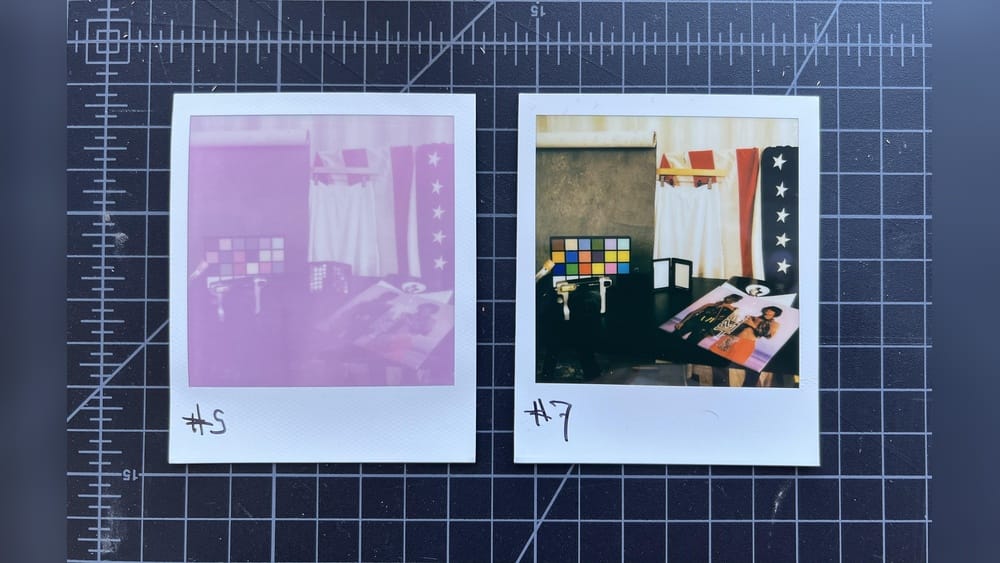
Traveling with a Polaroid camera brings a special kind of excitement. There’s something magical about capturing a moment and holding the photo in your hand within minutes. But if you plan to fly, you may wonder: Can you take a Polaroid camera through airport security? Airports have strict rules, especially around electronics and film. Many travelers worry their camera, film, or photos could be damaged or even confiscated. This guide will clear up confusion, share real experiences, and help you fly with your Polaroid smoothly.
Why People Worry About Polaroid Cameras At Airports
Airport security is designed to keep flights safe. Rules change often, and not every agent interprets them the same way. Polaroid cameras are different from digital cameras because they use instant film—a type of film that can be sensitive to X-rays and security scanners. If you’re carrying film or a loaded camera, you may have heard stories about ruined photos or awkward inspections.
Some travelers fear their cameras will be flagged as suspicious electronic devices. Others worry about the X-ray scanners damaging the film. There’s also confusion about whether you can take Polaroids in your carry-on or checked baggage. Let’s look at what airport security really checks for—and what you need to know.
How Airport Security Scanners Work
To understand the risks, you need to know how airport scanners operate. Security uses several types of machines:
- X-ray machines (used for both checked and carry-on luggage)
- Millimeter wave scanners (used for body scans, not luggage)
- Computed Tomography (CT) scanners (newer, in some airports for carry-ons)
Most Polaroid cameras are not a problem in themselves. The main issue is with the instant film inside or outside your camera.
X-ray Effects On Film
Film is light-sensitive. X-rays can create “fogging”—a loss of contrast and strange patterns on your photos. The effect depends on the film’s ISO (sensitivity). Higher ISO film (like 800 or above) is more likely to be damaged.
Polaroid and similar instant film (Fujifilm Instax, etc. ) Are especially sensitive. Even one scan can cause problems. Some security agents may tell you that modern scanners are safe for film, but this isn’t always true. If your film is scanned many times, the risk increases.
What The Security Agents See
Security agents see the camera’s shape, the batteries, and the film pack. Polaroid cameras are familiar objects to most agents, so the camera itself rarely triggers alarms. However, extra batteries and sealed packs of film may prompt extra questions. The biggest concern is the film, not the camera.
Tsa And Other Airport Security Regulations
In the United States, the Transportation Security Administration (TSA) sets the rules. Other countries have similar agencies with small differences, but the basics are the same.
Tsa Guidelines For Cameras And Film
- Cameras: Allowed in both carry-on and checked luggage.
- Film: Strongly recommended in carry-on only. Checked baggage X-rays are much stronger and can ruin film.
- Instant Film: Treated the same as regular film. Agents may offer a hand inspection if requested.
From the TSA website: “We recommend that you place undeveloped film and cameras containing undeveloped film in your carry-on baggage and request a hand inspection.”
International Differences
While the TSA is clear, other countries may not be. In some parts of Europe or Asia, agents may not know about Polaroid film. Language barriers can make things harder. Still, most airports will allow cameras and film if you explain politely and ask for a hand check.
Example: Polaroid’s Official Advice
Polaroid’s own guidance: “Never put your film in checked luggage. Always carry it on and ask for a hand inspection at security.” They recommend this for both i-Type and 600 film.
Carry-on Vs. Checked Luggage: What’s Safer?
You might think checked luggage is safer for fragile items, but for film, the opposite is true. Here’s why:
- Checked baggage scanners use much higher energy X-rays. These almost always fog instant film.
- Carry-on scanners are milder. Damage is less likely, especially for one or two scans.
- Hand inspection is safest—no X-rays at all.
| Location | X-ray Strength | Film Damage Risk | Hand Check Possible? |
|---|---|---|---|
| Checked Luggage | High | Very High | No |
| Carry-On | Moderate | Medium | Yes |
| Hand Inspection | None | None | Yes |

Credit: www.reddit.com
How To Take A Polaroid Camera Through Airport Security: Step-by-step
Here’s a practical guide to flying with your Polaroid camera and film:
- Pack your camera and film in your carry-on bag. Never check them.
- Keep film in its original packaging if possible. Unopened packs look less suspicious.
- Arrive early. Hand inspections take extra time.
- Before your bag enters the X-ray, ask politely for a hand inspection of your film. Say: “This is instant film. X-rays can damage it. May I have a hand inspection, please?”
- Be patient and friendly. Not all agents see Polaroid cameras every day.
- If denied, know the risks. One carry-on X-ray may not ruin your film, but multiple scans can.
- If you must scan: Place film inside a clear plastic bag to show it’s not suspicious.
Pro Tip: Separate Film From Camera
Security agents may need to see inside your camera. If possible, remove the film pack before reaching security. This makes inspection easier and lowers confusion.
Special Situations
- Connecting Flights: Each airport means another X-ray. Hand inspection is even more important with multiple connections.
- Security Lines Are Busy: Agents may be less willing to do hand checks. Be ready to explain quickly and clearly.
Polaroid Camera Models And Security Concerns
Not all Polaroid cameras are the same. Some use AA batteries, others have rechargeable packs. Some are vintage, others are new. Here’s what matters:
Battery Types
- AA/AAA batteries: Allowed in both carry-on and checked bags. Keep spares in original packaging.
- Rechargeable lithium-ion batteries: Carry-on only. Never check lithium batteries.
- Built-in batteries: Usually no issue. If asked, show the camera turns on/off.
Camera Size
- Large vintage cameras (like Polaroid SX-70): May look odd on X-rays. Remove film before inspection if possible.
- Smaller cameras (like Polaroid Now or Instax Mini): Easier to handle, rarely questioned.
| Camera Model | Battery Type | Security Risk | Film Type |
|---|---|---|---|
| Polaroid Now | Rechargeable | Low | i-Type/600 |
| Polaroid SX-70 | Film Pack | Medium | SX-70 |
| Instax Mini | AA/AAA | Low | Instax Mini |
Accessories
- Extra film packs: Fine, but hand check recommended.
- Tripods: Allowed in carry-on, but large tripods may need checking.
- Carrying cases: No issue, but keep items organized for fast inspection.

Credit: www.reddit.com
How To Request A Hand Check For Film
Many travelers don’t realize that hand checks are a right—not a favor. Here’s how to ask and what to expect.
- Politely inform the agent: “I have instant film. X-rays can damage it. May I have a hand check, please?”
- Show your film packs: Keep them together in a clear bag.
- Be ready to wait: Hand checks add a few minutes. The agent may swab the film for explosives or visually inspect it.
- If denied: Ask to speak with a supervisor. Show the official TSA policy (you can print it from the TSA website or bookmark it on your phone).
Non-obvious Insight: Bring Printed Policy
Travelers often miss this: Printing or saving the TSA film policy can save arguments. Some agents don’t know the rule, especially outside the US. Show them the official policy if needed.
Can You Shoot Polaroids In The Airport Or On The Plane?
You may want to take photos during your trip. In most airports, taking photos with a Polaroid camera is not forbidden, but there are exceptions.
- Security areas: No photos allowed. This includes security lines, passport control, and customs.
- Terminals, shops, waiting areas: Usually allowed, but check for signs or ask staff.
- On the plane: Airlines generally allow photos, but avoid using flash during takeoff/landing.
Non-obvious Insight: Don’t Use Polaroids At Security
If you pull out your camera at security, you could trigger suspicion. Wait until you’re past all checkpoints before taking any photos.
Traveling Internationally With Polaroid Cameras
International travel adds layers of complexity. Each country’s security may have slightly different rules. Here’s what to keep in mind:
- Europe: Hand checks are allowed, but staff may be less familiar with instant film. Explain clearly.
- Asia: Some airports may not allow hand checks. If so, minimize scans and keep film in carry-on.
- Australia/New Zealand: Similar to US rules, but check airport websites before flying.
Language Barriers
If you don’t speak the local language, have a printed card (in English and the local language) explaining: “This is instant film. X-rays can damage it. May I have a hand inspection?”
Customs Declarations
You don’t need to declare your camera or film for most leisure travel. However, bringing large amounts of film might raise questions. For example, more than 20 packs could look like commercial goods.
Instant Film Vs. Digital Cameras: Security Differences
Digital cameras have almost no issues at airport security. Here’s a quick comparison:
| Feature | Instant Cameras | Digital Cameras |
|---|---|---|
| Film Sensitivity | Yes (X-ray risk) | No |
| Hand Inspection Needed | Recommended | No |
| Batteries | Yes | Yes |
| Customs Issues | Rare | Rare |
Credit: www.reddit.com
Real Traveler Experiences
Sometimes, knowing the rules isn’t enough. Here are real-world stories from travelers who have taken Polaroid cameras through airport security:
- Megan, New York to Paris: “I asked for a hand check at JFK. The agent knew exactly what I meant and did a swab test. In Paris, they wanted to scan my film but let me show them the TSA policy. My photos came out fine.”
- Alex, Los Angeles to Tokyo: “I had to explain three times in Japan, but eventually a supervisor checked my film by hand. It took 10 extra minutes, but my Instax film wasn’t ruined.”
- Dani, London to Rome: “The security staff in London were confused. They’d never seen instant film before. I showed them a printout of the Polaroid website, and they let me through.”
These examples show that preparation and politeness make a big difference. Most security agents are willing to help if you explain clearly.
Tips To Protect Your Polaroid Film When Flying
Even with hand checks, it’s smart to take extra steps to protect your film:
- Carry only what you need. Fewer packs mean less hassle.
- Use a lead-lined film bag (optional): These bags block X-rays but may trigger extra inspections. Some agents will still open and check inside.
- Label your film: Write “Instant Film—Please Hand Check” on the bag.
- Avoid exposing film to heat: Airports can get hot. Keep film in a cool spot in your bag.
- Don’t open film packs until you’re at your destination. Opened packs are more sensitive to light leaks and damage.
What If Your Film Gets Damaged?
If you notice foggy images, strange patterns, or washed-out colors after flying, your film may have been exposed to X-rays. Sadly, there’s no way to fix damaged film. If your trip is important (like a wedding or big event), consider buying fresh film at your destination.
What About Developed Polaroid Photos?
Once a Polaroid photo is developed, it is not sensitive to light or X-rays like unexposed film. You can carry your developed photos through airport security without worry. Store them in a folder or envelope to protect from bending.
Polaroid Film And Security: Myths Vs. Facts
Many travelers hear myths about instant cameras at airports. Let’s clear up a few:
- Myth: “All X-rays ruin film.”
Fact: Only high-strength X-rays (like checked baggage) are likely to damage film. One or two carry-on scans may not, but risk increases with each scan.
- Myth: “Security will confiscate your camera.”
Fact: Polaroid cameras are legal and allowed everywhere. Problems occur only if you refuse inspection or act suspicious.
- Myth: “Hand checks are only for professionals.”
Fact: Anyone can request a hand check. It’s your right.
- Myth: “Lead bags guarantee safety.”
Fact: Lead bags help, but some scanners are strong enough to penetrate. Security may also open and inspect the bag.
Common Mistakes When Flying With A Polaroid Camera
- Checking film in luggage: This almost always ruins film.
- Not requesting a hand check: Many people don’t know they can ask.
- Arguing with security: Stay calm and polite, even if you disagree.
- Bringing too much film: Large quantities can cause questions.
- Packing loose batteries: Always keep spares in their original packaging.
What To Do If Security Is Difficult
Sometimes, an agent may refuse a hand check or insist on scanning your film. Here’s what you can do:
- Stay polite and calm. Getting angry rarely helps.
- Ask for a supervisor. Supervisors often know the rules better.
- Show the TSA or official airport film policy. Most agents will follow written guidelines.
- Accept the scan if you must. If time is short, one carry-on X-ray is not always fatal to film, but avoid multiple scans.
Where To Buy Polaroid Film Abroad
If you’re worried about film damage, you can buy Polaroid film at your destination. Major cities and tourist spots often have camera shops. Prices may be higher, and selection may be limited.
- Europe: Most large cities have camera stores with Polaroid and Instax film.
- Asia: Film is widely available in Japan and Korea, less so elsewhere.
- Australia/New Zealand: Camera shops in cities usually carry instant film.
Check online before you travel to find shops near your hotel.
Are There Alternatives To Polaroid For Travelers?
If you travel often or worry about X-ray damage, consider alternatives:
- Digital instant cameras: Some cameras print on special paper (like Zink), which isn’t sensitive to X-rays.
- Digital camera plus portable printer: Take digital photos, then print at your destination.
- Buy film locally: Skip carrying film through security.
Final Thoughts: Yes, You Can Fly With A Polaroid Camera
Bringing a Polaroid camera through airport security is possible—and usually easy—if you’re prepared. The camera itself is rarely an issue. The main concern is the instant film, which is sensitive to X-rays. The safest option is to keep film in your carry-on and ask for a hand inspection. Always be polite, patient, and clear with security staff. With a little preparation, you can capture memories around the world—without ruining your film.
For the most up-to-date guidance, check the official TSA film policy before you fly.
Frequently Asked Questions
Can I Put Polaroid Film In My Checked Luggage?
No. Polaroid film should always be kept in your carry-on. Checked baggage scanners use powerful X-rays that will almost always damage or fog instant film. Keep your film with you and ask for a hand inspection at security.
Do I Need To Remove Batteries From My Polaroid Camera At Airport Security?
Usually not. Most Polaroid cameras can travel with their batteries inside, especially if they use AA or AAA batteries. If your camera uses a lithium-ion battery, you should keep it in your carry-on. Never put lithium batteries in checked bags. Be ready to show the camera turns on if asked.
How Do I Ask For A Hand Inspection Of My Film?
When you reach the X-ray area, politely tell the agent that you have instant film and X-rays can damage it. Say, “May I have a hand inspection, please?” Show your film in a clear bag. If the agent refuses, ask for a supervisor or show the official TSA policy.
Can Airport X-rays Damage Developed Polaroid Photos?
No. Once a Polaroid photo is developed, it is no longer light- or X-ray-sensitive. You can safely carry developed photos through security scanners without risk of damage.
Is Instant Film Treated The Same As Regular Film At Airport Security?
Yes. Polaroid, Instax, and regular 35mm film are all sensitive to X-rays. The same rules apply: Keep film in your carry-on, ask for a hand check, and avoid checked luggage. Some instant film is even more sensitive than standard film, so extra care is wise.
Traveling with a Polaroid camera is rewarding. With the right steps, you’ll get your gear to your destination safe and ready to capture memories. Safe travels and happy shooting!