
Can You Touch A Solar Panel?
Solar panels are everywhere today. You see them on rooftops, in fields, even on calculators and street signs. Many people wonder: Can you touch a solar panel? Is it safe? Does it harm the panel, or could you get shocked? These questions are important, especially as more homes and businesses use solar power. In this guide, you’ll discover the real facts about touching solar panels. We’ll look at safety issues, how solar panels work, what happens if you touch them, and the risks you should know. If you’re thinking about installing solar panels or just curious about their safety, you’ll find practical answers here.
How Solar Panels Work
Solar panels use sunlight to produce electricity. The main part of a solar panel is the photovoltaic cell, usually made from silicon. When sunlight hits the cell, it knocks loose electrons. This creates an electrical current. Panels are connected together to make a solar array, which powers homes, businesses, and even large cities.
Most panels have a protective layer of glass on top. Underneath, there are several layers: the photovoltaic cells, backing material, and a frame. Wires carry the electricity away from the panel to an inverter, which changes it from DC to AC power for your home.
Basic Structure Of A Solar Panel
- Top glass layer: Protects the cells from weather and impacts.
- Photovoltaic cells: Where the sunlight is converted to electricity.
- Backsheet: Insulates and protects the cells.
- Frame: Usually aluminum, gives strength and mounts the panel.
- Wiring: Transfers electricity to the inverter.
Each part serves a purpose. The glass is tough and usually safe to touch, but the wiring and connections inside the panel are where the electricity is.
How Much Electricity Does A Panel Make?
A typical residential solar panel produces about 250–400 watts under full sunlight. Commercial panels can produce more, up to 500 watts per panel. The amount of electricity depends on panel size, sunlight, and efficiency. If you have 10 panels, you might generate 2,500–4,000 watts at peak times.
Is It Safe To Touch A Solar Panel?
Many people want to know if touching a solar panel is dangerous. The simple answer: Touching the glass surface of a solar panel is usually safe. The glass acts as a barrier between you and the electrical parts. You can wipe dust off, clean, or inspect the panel without harm—if you follow safety rules.
But not all parts are safe. Touching the wires, junction box, or backside can be risky. These parts carry electricity and can shock you, especially if the panel is generating power.
Why The Surface Is Safe
- The top glass doesn’t conduct electricity from the cells.
- The frame is usually grounded (attached to earth), so electricity doesn’t build up on it.
- Most panels are designed to prevent accidental shocks.
But problems can happen if the glass breaks, moisture gets inside, or the panel is damaged. In these cases, electricity might leak to the surface.
The Risk Of Electric Shock
Solar panels make DC electricity, which is more dangerous than AC at the same voltage. DC causes muscles to contract and can make it hard to let go if you grab something live. A single panel usually makes 30–50 volts DC, which is low, but arrays can have hundreds of volts.
If you touch exposed wires, connectors, or damaged panels, you could be shocked. Even 30 volts DC can hurt, and above 50 volts can be deadly.
Can You Touch A Panel When It’s Wet?
Water conducts electricity. If a panel is wet, especially if damaged, the risk of shock increases. Always avoid touching panels during rain, or if you see cracks, moisture inside, or loose wires.
What About Broken Panels?
If the glass is broken, the cells and wiring might be exposed. This is dangerous. Do not touch a broken solar panel. Call a professional to fix or replace it.
When Should You Not Touch A Solar Panel?
Some situations make touching a solar panel risky. Here are times when you should avoid touching panels:
- During maintenance or installation: Panels are often wired together. Touching connectors or wiring can shock you.
- When panels are damaged: Broken glass, exposed wires, or burn marks mean danger.
- If panels are wet: Rain or washing can create pathways for electricity.
- When panels are energized: If sunlight is hitting the panels, they’re generating power. Only touch panels when they’re disconnected or covered.
- If you see corrosion: Rust or white powder near connectors can mean electricity is leaking.
- During storms: Lightning or power surges can energize panels unpredictably.
Safety Guidelines For Touching Solar Panels
If you need to touch a solar panel—for cleaning, inspection, or maintenance—follow these safety tips:
- Wear insulated gloves: They prevent accidental shocks.
- Use dry hands: Water increases the risk of shock.
- Check for damage: Look for cracks, broken glass, or exposed wires.
- Turn off the system: If possible, disconnect the panels from the inverter.
- Avoid touching wires: Stay away from connectors and junction boxes.
- Don’t touch panels during rain: Wait until panels are dry.
If you’re not sure, get help from a professional. Electricians and solar installers are trained to handle panels safely.
What Happens If You Touch A Live Solar Panel?
If you touch the glass, nothing usually happens. But if you touch a live wire or connector, you can be shocked. The effect depends on the voltage and your body’s resistance.
Possible Effects
- Mild shock: Tingling, pain, muscle twitch.
- Severe shock: Burns, muscle contraction, heart problems.
- Fatal shock: If current passes through the heart, it can stop it.
Children, older people, and those with heart conditions are more sensitive. Even a small shock can be dangerous for them.
Real-life Example
In 2019, a worker in California was shocked while cleaning solar panels. He touched a damaged wire under the panel and received a 70-volt DC shock. He survived, but needed hospital care for burns and muscle injuries. This shows that even routine cleaning can be risky if the panel is damaged.
How Touching Affects Solar Panels
Touching the glass doesn’t harm the panel. But touching the cells, wiring, or connectors can damage them. Solar panels are designed to last 20–30 years, but rough handling can shorten their life.
Common Problems From Touching
- Fingerprints: Oils from your skin block sunlight and reduce efficiency.
- Scratches: Sharp objects or rings can scratch the glass.
- Breaking the glass: Dropping tools or hitting the panel can crack it.
- Bending the frame: Leaning on the panel can bend or twist it.
- Damaging wiring: Pulling or bending wires can break connections.
To keep panels working well, touch only when needed, and use proper cleaning tools.

Credit: www.shutterstock.com
Cleaning Solar Panels Safely
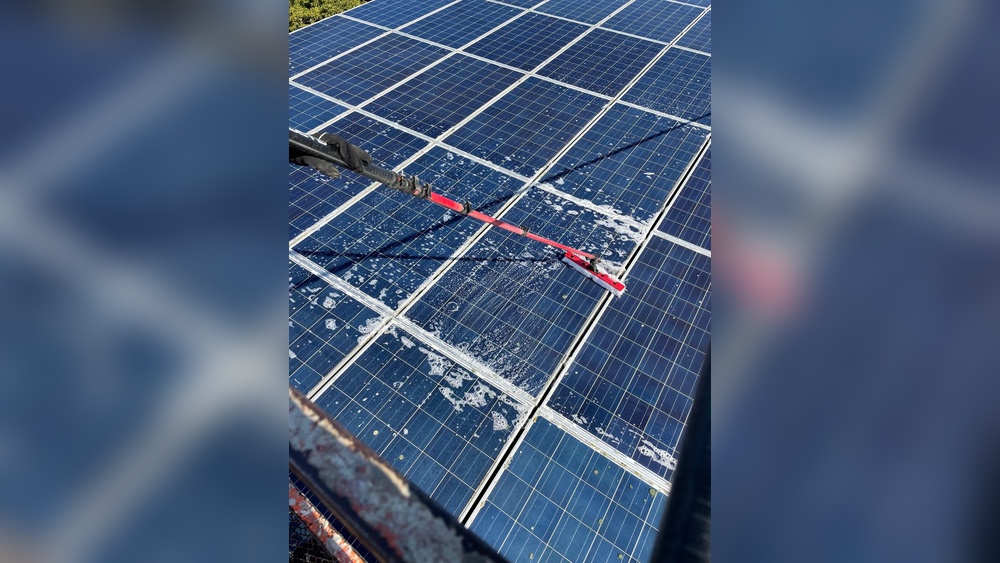
Cleaning is the most common reason to touch a solar panel. Dust, bird droppings, and leaves can block sunlight and reduce power by up to 20%. Clean panels make more electricity, but cleaning must be safe.
How To Clean Solar Panels
- Turn off the system: Disconnect panels from the inverter.
- Use soft brushes or cloths: Never use harsh or metal tools.
- Use water sparingly: A damp cloth is best. Avoid spraying water on connectors.
- Avoid cleaning during hot days: The glass can crack from sudden temperature changes.
- Dry panels after cleaning: Prevent water from pooling.
Cleaning Frequency
- Residential panels: Clean every 3–6 months.
- Commercial panels: Clean every 1–2 months (more panels, more dust).
Touch panels only as needed. Over-cleaning can wear out the glass.
Solar Panel Types And Touch Safety
Different solar panels have different designs. Some are safer to touch than others.
Monocrystalline Panels
- Made from pure silicon.
- High efficiency.
- Glass layer protects cells well.
- Usually safe to touch.
Polycrystalline Panels
- Made from many silicon pieces.
- Lower efficiency.
- Glass layer similar to monocrystalline.
- Safe to touch.
Thin-film Panels
- Made from a thin layer of material.
- Flexible, sometimes used without glass.
- Riskier if protective layer is missing.
Building-integrated Panels
- Built into roofs or walls.
- May have less protection.
- Only touch if you know the panel is safe.
Here’s a comparison of panel types and touch safety:
| Panel Type | Protective Layer | Safe to Touch? |
|---|---|---|
| Monocrystalline | Tempered Glass | Yes |
| Polycrystalline | Tempered Glass | Yes |
| Thin-Film | Plastic/Glass | Sometimes |
| Building-Integrated | Varies | Check First |
Solar Panel Voltage And Touch Risk
Voltage is key to understanding risk. Here’s what you need to know:
- Below 30 volts DC: Usually safe for adults.
- 30–50 volts DC: Can cause shocks, especially if wet or damaged.
- Above 50 volts DC: Dangerous. Can cause burns, heart problems, or death.
Most panels make 30–50 volts DC each. Arrays (groups of panels) can be wired together to make 300–600 volts DC. This is enough to kill.
Here’s a quick comparison of voltage and risk:
| Voltage | Risk Level | Effect |
|---|---|---|
| Below 30V DC | Low | Mild shock |
| 30–50V DC | Moderate | Painful shock |
| 50–300V DC | High | Severe shock, burns |
| Above 300V DC | Extreme | Fatal risk |
What Professionals Say About Touching Solar Panels
Solar experts agree: The glass surface is safe if the panel is undamaged, dry, and properly installed. But they warn against touching wires, connectors, or damaged panels.
The National Electrical Code (NEC) requires panels to be grounded and insulated. Installers must use personal protective equipment (PPE) like gloves and insulated tools. Homeowners should follow similar practices.
Solar panel makers test their panels for safety, but accidents happen when panels are installed incorrectly or damaged. Always check with your installer or electrician if you’re unsure.
Practical Tips For Homeowners
If you have solar panels at home, these tips will keep you safe:
- Inspect panels regularly: Look for cracks, rust, or loose wires.
- Clean panels carefully: Use soft tools and turn off the system.
- Keep children and pets away: Panels are not toys.
- Label breakers and switches: Make it easy to turn off the system in emergencies.
- Hire professionals for repairs: Don’t try to fix panels yourself.
Remember, solar panels are an investment. Handle them with care to protect your safety and your savings.
Touching Solar Panels In Public Spaces
Solar panels aren’t just on homes—they’re in parks, schools, bus stops, and more. Can you touch these panels?
Usually, panels in public spaces are mounted high or protected by barriers. If you can reach them, the same safety rules apply. Don’t touch panels if you see damage, water, or exposed wires.
If you notice a broken panel in public, alert the property manager or local authorities. Don’t try to fix or move it yourself.
Myths And Misunderstandings About Touching Solar Panels
Many people believe solar panels are always dangerous to touch. This isn’t true. Here are some common myths:
- Myth: “You can get shocked by just touching the panel.”
- Fact: The glass surface is insulated. Only the wiring or damaged parts are risky.
- Myth: “Panels always have high voltage.”
- Fact: Single panels have low voltage. Arrays can be dangerous, but the surface is safe.
- Myth: “Rain makes panels unsafe.”
- Fact: Rain increases risk only if panels are damaged.
- Myth: “Touching panels ruins them.”
- Fact: Gentle touching doesn’t harm panels, but rough handling can.
- Myth: “Solar panels explode if you touch them.”
- Fact: Panels don’t explode. But electrical shorts can cause fires if wiring is damaged.
Comparing Solar Panel Safety To Other Electrical Devices
Let’s compare solar panels to other devices you touch every day:
| Device | Voltage | Touch Risk | Protective Layer |
|---|---|---|---|
| Solar Panel (Glass) | 30–50V DC | Low (surface only) | Glass |
| Car Battery | 12V DC | Low | Plastic |
| Wall Outlet | 120V AC | High | Plastic |
| Laptop Charger | 19V DC | Low | Plastic |
| Solar Array (wires) | 300–600V DC | Extreme | None |
This shows that touching the surface of a solar panel is safer than touching a wall outlet or solar array wiring.
Non-obvious Insights Most Beginners Miss
- Panel efficiency drops with fingerprints: Even small amounts of oil from your skin can block sunlight and reduce power output. Always clean panels with gloves or soft cloths.
- DC electricity is stickier than AC: If you grab a live DC wire, your muscles contract and you might not be able to let go, increasing injury risk. Always turn off panels before touching wires.
- Panels keep making power in light: Even on cloudy days or at dawn, panels generate electricity. Don’t assume panels are “off” just because the sun isn’t shining.
Legal And Warranty Considerations
Solar panel warranties usually cover defects, but not damage from improper handling. If you break a panel while touching or cleaning it, the warranty may be void.
Some regions have laws about who can work on solar panels. In California, only licensed electricians can repair panels. Check local rules before touching panels for maintenance.

Credit: www.amazon.com
Solar Panel Touch Safety For Installers
Solar installers follow strict guidelines:
- Wear PPE: Gloves, boots, and insulated tools.
- Ground panels: Attach frames to earth to prevent shocks.
- Lockout/tagout procedures: Turn off power before working.
- Check for voltage: Use meters to make sure panels are off.
Installers must report accidents. In the US, OSHA tracks solar panel injuries. Most accidents happen during installation, not routine touching.
If you’re training to be a solar installer, remember: Touching the surface is safe, but treat every wire as live until you test it.
Solar Panel Safety For Kids And Pets
Kids and pets are curious. Don’t let them touch solar panels, especially the wiring or back side. Panels can get hot in the sun—up to 150°F (65°C). This can burn skin.
Install barriers or fencing if panels are at ground level. Educate your family about solar panel safety.
The Future Of Solar Panel Safety
Modern panels are safer than ever. New designs use better insulation, stronger glass, and built-in safety switches. Some panels detect faults and shut down automatically.
Researchers are developing panels that are touch-safe even if damaged. This will reduce risks for homeowners and workers.
For more on solar panel safety innovations, visit US Department of Energy.
Frequently Asked Questions
Can I Touch A Solar Panel While It’s Producing Electricity?
Yes, you can touch the glass surface of a solar panel while it’s generating electricity, if the panel is undamaged and dry. Never touch the wires or connectors while the system is live.
What Should I Do If I See A Broken Solar Panel?
Stay away from the panel and do not touch it. Broken glass or exposed wires can shock you. Call a professional or the property manager to repair or remove the panel safely.
Can Touching A Solar Panel Damage It?
Touching the surface gently does not harm the panel. But rough handling, scratching, or pressing on the glass can cause cracks or reduce efficiency. Avoid touching wires or the back side.
Is It Safe To Clean Solar Panels Myself?
Yes, if you follow safety rules: turn off the system, use soft tools, and keep panels dry. If you see damage, do not clean the panel—call a professional instead.
Do Solar Panels Get Hot When Touched?
Yes, solar panels can become very hot in sunlight, sometimes reaching 150°F (65°C) or more. Touching them can cause burns, especially for children and pets. Clean panels early in the morning or late afternoon when they’re cooler.
Solar panels are a smart way to produce clean energy, but safety comes first. If you follow the right steps, you can touch, clean, and inspect your panels without risk. Remember: the glass surface is usually safe, but wires and connectors are not. Treat every panel with respect, and enjoy the benefits of solar power for years to come.

Credit: www.123rf.com