
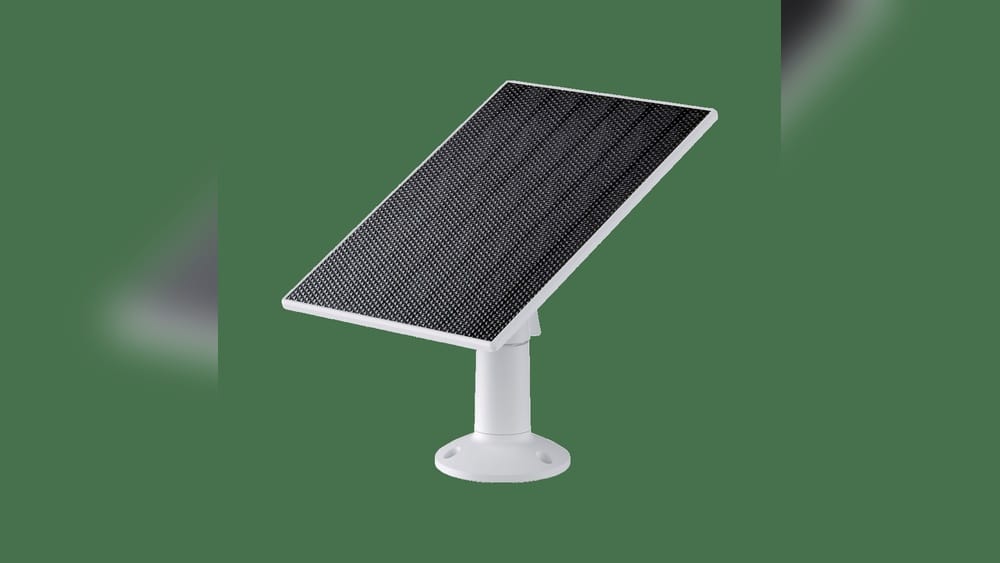
Can You Use A Camera Solar Charger To Charge Battery
As more people explore the world with cameras in hand, a common challenge appears: how do you keep your camera’s battery charged when there’s no power outlet nearby? Whether you’re hiking, camping, or traveling off the grid, the idea of using a camera solar charger is both appealing and practical. But can a solar charger really keep your camera’s battery topped up reliably? The answer is not as simple as “yes” or “no.” It depends on several factors, from your camera model and battery type to the solar charger’s specifications and the way you use it.
Let’s break down what you really need to know about charging camera batteries with solar chargers. This guide will help you understand how solar charging works, what equipment is necessary, and what pitfalls to avoid. By the end, you’ll have a clear sense of whether a solar charger fits your needs and how to use it effectively.
How Solar Chargers Work For Camera Batteries
Solar chargers turn sunlight into electricity using photovoltaic cells. When sunlight hits these cells, they create a flow of electric current. This energy can be stored in a battery bank or used immediately to charge devices. For cameras, the process is a bit more complex than plugging in a phone.
Most cameras use removable lithium-ion batteries. These batteries require a specific voltage and current to charge safely. Solar panels produce variable power, depending on light conditions. This means you need the right combination of solar panel, charger controller, and sometimes a battery bank to ensure safe, steady charging.
Direct Charging Vs. Using An Intermediary
There are two main ways to use a solar charger with a camera battery:
- Direct Charging: Plugging the camera or battery charger directly into the solar panel.
- Indirect Charging: Charging a power bank (portable battery) with the solar panel, then using the power bank to charge the camera or battery.
Direct charging can work for some cameras with USB charging capability, but it’s often unreliable if sunlight is inconsistent. Most photographers prefer to use a power bank as a buffer. This approach protects both your camera battery and your solar panel from sudden changes in sunlight.
Solar Charger Components
A basic camera solar charging kit usually includes:
- Solar panel (foldable or rigid)
- Battery bank (optional, but recommended)
- Camera battery charger (USB or DC compatible)
- Cables and adapters (for compatibility)
Not all solar chargers are made the same. The wattage, output voltage, and connector types all matter for safe and efficient charging.
Types Of Camera Batteries And Charging Needs
Not every camera battery charges the same way. Here’s a breakdown of the most common types and what you need to know.
Lithium-ion (li-ion) Batteries
Most modern cameras use lithium-ion batteries. These require precise voltage and current regulation. Overcharging or using the wrong voltage can damage the battery or the camera. Most Li-ion batteries need a charger that matches their voltage (usually 7.2V or 7.4V for DSLRs and mirrorless cameras).
Nickel-metal Hydride (nimh) Batteries
Some older cameras and flashes use NiMH batteries. These are more forgiving than lithium-ion, but still require a charger that matches the battery chemistry and size.
Built-in (non-removable) Batteries
Action cameras and some compact cameras have built-in batteries, usually charged via micro-USB or USB-C. These can sometimes be charged directly from a solar panel with a USB output, but only if the sunlight is strong and steady.
Table: Common Camera Battery Types And Solar Charging Compatibility
| Battery Type | Typical Charging Method | Solar Charging Compatibility |
|---|---|---|
| Lithium-ion (removable) | Dedicated charger (AC or DC input) | With proper adapter or USB charger |
| NiMH AA/AAA | Standard NiMH charger | Yes, with USB NiMH charger |
| Built-in (USB charged) | Direct USB cable | Direct from solar panel (USB output) |
Choosing The Right Camera Solar Charger
Not all solar chargers are suitable for camera batteries. Here’s what matters most when choosing one:
1. Power Output (wattage)
The wattage of a solar panel determines how much energy it can produce. For cameras, a 10W to 21W panel is common. More wattage means faster charging, especially in less-than-perfect sunlight.
2. Output Voltage And Current
Check what your battery charger requires. Most USB chargers work at 5V. Some camera battery chargers need 9V or 12V. If your solar panel can’t provide the right voltage, charging will be slow or impossible.
3. Port Types
Look for solar chargers with USB-A, USB-C, or DC ports. USB is the most universal, but some camera chargers only work with DC.
4. Portability And Weight
If you’re backpacking, a foldable solar panel is easier to carry. Rigid panels are better for car camping or stationary setups.
5. Weather Resistance
Outdoor use means exposure to dust and rain. Choose a charger rated IPX4 or better for water resistance.
Table: Comparing Popular Camera Solar Chargers
| Model | Max Output | Ports | Weight | Best For |
|---|---|---|---|---|
| BigBlue 28W Solar Charger | 28W / 5V | 3x USB-A | 1.3 lbs | Fast USB charging |
| Anker 21W Solar Charger | 21W / 5V | 2x USB-A | 0.9 lbs | Lightweight travel |
| Goal Zero Nomad 10 | 10W / 5V | 1x USB-A | 1.2 lbs | Casual use |
| RAVPower 24W Solar Panel | 24W / 5V | 3x USB-A | 1.7 lbs | Multiple devices |
Step-by-step Guide: Charging A Camera Battery With A Solar Charger
If you want to use a camera solar charger for your battery, follow these steps for the best results.
1. Check Your Battery And Charger Compatibility
- Read your camera battery’s manual.
- Confirm voltage and charging requirements.
- Use only chargers meant for your battery type.
2. Choose The Right Solar Panel
- Pick a solar panel with enough wattage (at least 10W for most cameras).
- Make sure it has the right output port (USB for most modern cameras).
3. Use A Battery Bank (recommended)
- Connect the solar panel to a battery bank during the day.
- Charge your camera from the battery bank whenever needed.
- This avoids charging interruptions from clouds or shade.
4. Use A Dedicated Camera Battery Usb Charger
- For removable batteries, get a USB-powered charger designed for your battery model.
- Plug the charger into the solar panel or battery bank.
5. Monitor Charging
- Check for overheating, especially in direct sun.
- Don’t leave batteries unattended for long periods.
6. Store Equipment Safely
- Keep everything dry and away from dirt.
- Fold panels and store cables properly.
Example: Charging A Dslr Battery While Hiking
Suppose you have a Canon LP-E6N battery for your DSLR. You’re on a 3-day hike. Here’s what you’d do:
- Bring a foldable 21W solar panel with USB output.
- Add a 10,000mAh battery bank.
- Bring a USB camera battery charger for LP-E6N batteries.
- During breaks, set the solar panel in full sun, charging the battery bank.
- At night, use the battery bank to charge the DSLR battery inside the USB charger.
This setup gives you backup power even if there’s a cloudy day, and you’re not reliant on sunlight at the moment your camera needs power.
Common Challenges And Solutions
Charging camera batteries with solar power isn’t always straightforward. Here are some typical problems and how to solve them.
Problem 1: Inconsistent Sunlight
Solar panels need direct sunlight for best performance. Clouds, shade, or window glass can lower output.
Solution: Always use a battery bank as a buffer. Even if sunlight is weak, the battery bank will slowly fill up and provide steady power when you need it.
Problem 2: Wrong Voltage Or Current
Not all chargers support all battery types. Using the wrong voltage can damage your gear.
Solution: Always check your camera’s charging requirements. Use only chargers and solar panels that match those needs.
Problem 3: Overheating
Solar panels and batteries can get hot in direct sun, which shortens lifespan.
Solution: Place panels in the sun but keep batteries and cameras in the shade. Use long cables if needed.
Problem 4: Slow Charging
A small panel or weak sun means slow charging.
Solution: Use a higher-wattage panel if possible. Charge during peak sun hours (10 a.m.–2 p.m.) for best results.
Problem 5: Battery Not Fully Charging
If your battery never reaches 100%, it could be a sign of power loss or charger inefficiency.
Solution: Make sure all connections are tight and clean. Use quality cables and adapters.
Real-world Performance: What To Expect
Let’s set realistic expectations. A common DSLR battery (like the Canon LP-E6N at 1865mAh, 7. 2V) needs about 13. 4Wh to fully charge. If you have a 21W solar panel in ideal sunlight (about 5 hours a day), you could generate up to 105Wh.
But real-world conditions are rarely perfect.
You can expect:
- About 60–70% of rated panel output on average.
- Enough power to charge 2–4 camera batteries per sunny day with a 21W panel.
- Direct USB charging for action cameras (like GoPro) is easier than for large DSLR batteries.
Table: Estimated Charging Times For Popular Camera Batteries
| Battery Model | Capacity (mAh) | Solar Panel (21W, Avg. Sun) | Full Charge Time |
|---|---|---|---|
| Canon LP-E6N | 1865 | ~13W output | 2–3 hours |
| Sony NP-FZ100 | 2280 | ~13W output | 2.5–3.5 hours |
| GoPro HERO9 | 1720 | Direct USB | 1.5–2 hours |

Credit: www.amazon.com
Pros And Cons Of Using Camera Solar Chargers
Is solar charging right for every photographer? Not always. Here’s a quick look at the main advantages and disadvantages.
Pros
- Independence from power outlets: Perfect for remote travel.
- Eco-friendly: Uses renewable energy.
- Lightweight and packable: Especially foldable panels.
- Multi-device charging: Can also power phones, GPS units, and lights.
Cons
- Dependent on weather: No sun, no power.
- Slower than wall chargers: Especially for big batteries.
- Extra gear to carry: Panels, cables, and chargers add weight.
- Potential compatibility issues: Not all cameras and batteries can charge directly from solar.
Non-obvious Insights For Beginners
Many first-time users miss these key points:
1. Panel Quality Matters More Than Size
A high-efficiency 21W panel often outperforms a lower-quality 28W panel in real-world tests. Look for reputable brands with good reviews, not just the biggest wattage.
2. Cable Quality Affects Charging Speed
Cheap or thin cables can limit current and slow charging. Use short, high-quality cables for best results.
3. Partial Shade Reduces Output Drastically
Even a small shadow across your panel can cut power by over 50%. Always place panels in full sun and reposition as the sun moves.
4. Battery Banks Should Be “pass-through” Capable
Some battery banks can charge a device while being charged themselves. This is great for solar setups, but not all banks support it. Check specifications before buying.
5. Solar Panels Do Not Store Energy
They only create power when sunlight is available. Always pair your panel with a battery bank for flexibility.

Credit: www.amazon.com
Practical Tips For Reliable Solar Charging
Based on real-world experience, here are some strategies to maximize your success:
- Charge Everything Before You Leave: Start your trip with fully charged camera batteries and power banks.
- Carry Extra Batteries: Solar panels can only do so much in bad weather. Having spares ensures you don’t miss a shot.
- Prioritize Charging: Charge batteries in order of importance—start with your camera, then your phone, then other gadgets.
- Keep Panels Clean: Dust or dirt reduces efficiency. Wipe panels regularly with a soft cloth.
- Use Solar Panel Mounts or Hooks: Hang panels on your backpack or tent for charging while stationary or hiking.
- Monitor Weather: Plan charging sessions for sunny periods. Don’t wait until batteries are empty.
Alternatives To Solar Charging
Solar isn’t the only option for off-grid camera power. Consider these alternatives:
- High-Capacity Power Banks: Some banks can charge a DSLR battery 4–6 times before needing a recharge.
- Portable Generators: Small fuel-based or battery generators provide more consistent power but are heavier and noisier.
- Vehicle Inverters: If you’re car camping, a 12V inverter can run your camera battery charger directly from the car’s battery.
- Extra Camera Batteries: Sometimes, carrying 2–4 charged spare batteries is simpler and lighter than a solar setup for short trips.
Environmental Impact And Responsible Use
Using solar chargers is generally a green solution, but it’s important to be responsible:
- Dispose of old batteries properly. Damaged lithium-ion batteries can leak chemicals.
- Buy durable, repairable solar panels instead of cheap models that break quickly.
- Recycle cables and electronic waste at designated centers.
Solar charging is a step towards sustainable travel, but every device and battery has an environmental cost. Use gear as long as possible and recycle responsibly.
When A Camera Solar Charger Makes Sense
A camera solar charger is a smart investment for:
- Photographers on long expeditions far from outlets
- Backpackers and campers who want to travel light
- Journalists and researchers in remote regions
- Anyone seeking an eco-friendly backup power source
If you mostly shoot in cities or can carry lots of spare batteries, a solar charger may not be necessary. But if you value independence and travel in wild places, a camera solar charger can be a game-changer.
Credit: ring.com
Frequently Asked Questions
Can I Charge My Camera Directly From A Solar Panel?
You can charge some cameras directly from a solar panel, but only if the camera supports USB charging and the panel provides steady output. For most removable camera batteries, you’ll need a USB battery charger or a power bank as an intermediary.
What Size Solar Panel Do I Need For My Camera Battery?
A panel between 10W and 21W is enough for most camera batteries. Larger panels charge faster and are better for cloudy weather or charging multiple devices.
Is It Safe To Leave My Camera Battery Charging On A Solar Panel All Day?
It’s safe if you use a quality charger with overcharge protection and keep the battery out of direct sunlight. Avoid leaving batteries unattended for long periods in hot conditions.
Why Is My Camera Battery Charging Slowly With A Solar Charger?
Slow charging is usually due to weak sunlight, a low-wattage panel, or poor-quality cables. Use a higher-wattage panel, charge during peak sunlight, and use short, thick cables for best results.
Can I Use Solar Power For Professional Video Shoots?
Solar charging can work for small shoots or as a backup, but it’s not reliable enough for high-power needs like video lights or continuous shooting unless you use a large solar array and high-capacity battery banks. For pro work, always have multiple power options available.
For more technical details and in-depth guides, visit the Photography Blog’s guide to solar chargers.
A camera solar charger can be a reliable solution if you choose the right gear and use it wisely. With the right setup, you’ll never miss a shot just because your battery ran out of power in the wild.