
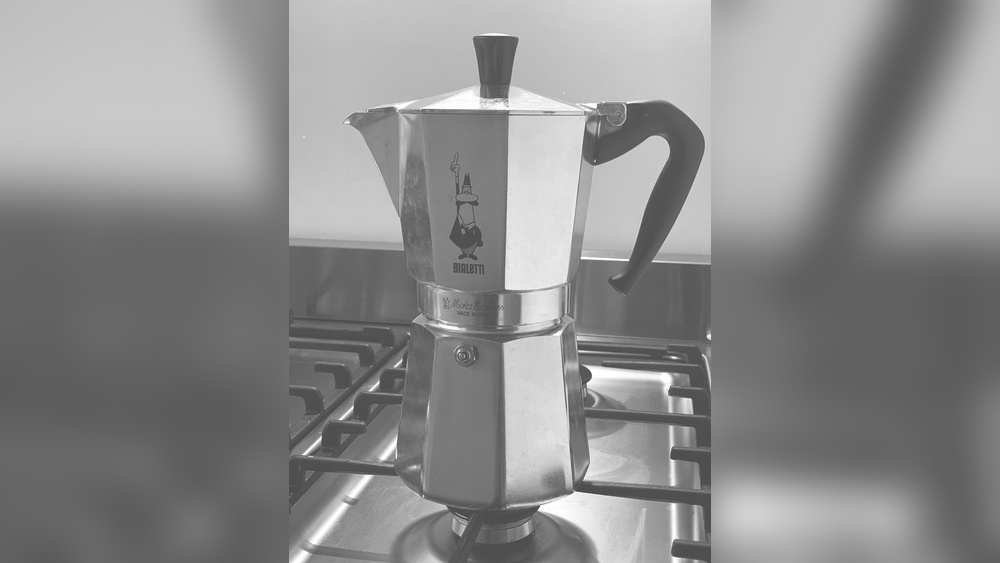
Coffee is more than just a drink for millions of people. It is a part of daily routines, a source of comfort, and sometimes, even a reason to get out of bed. But as you prepare your morning cup, have you ever wondered about the science inside your coffee maker? One common question is: Do coffee makers boil water? Many people assume the answer is simple, but the truth is more interesting than you might expect. Understanding how coffee makers heat water can help you make better coffee, choose the right machine, and even keep your equipment in good condition.
This article will take you deep into the world of coffee makers. We’ll explore different types, how they work, the temperature water reaches, and why it matters for flavor and safety. You’ll also see why boiling water is not always the goal, and what happens if it is.
You’ll learn from real experiments, manufacturer data, and expert advice. By the end, you’ll know exactly what your coffee maker is doing—and why.
The Science Of Boiling Water
Before we look at coffee makers, let’s be clear about what boiling water means. Pure water boils at 100°C (212°F) at sea level. Boiling is when water turns quickly from liquid to gas, making lots of bubbles that rise to the surface. The boiling point can change based on altitude—higher places have lower boiling points. For example, in Denver, USA, water boils at about 95°C (203°F).
Boiling is important for cooking and safety. Boiling water kills most bacteria and viruses, making it safe to drink. However, for making coffee, boiling is not always best. Coffee experts recommend brewing with water that is just below boiling, usually 90-96°C (194-205°F), for the best taste.
How Coffee Makers Heat Water
Coffee makers use different methods to heat water. The most common household machines are drip coffee makers, but there are also single-serve pod machines, espresso makers, percolators, and more. Each type has its own way of heating water, and not all of them actually bring water to a boil.
Drip Coffee Makers
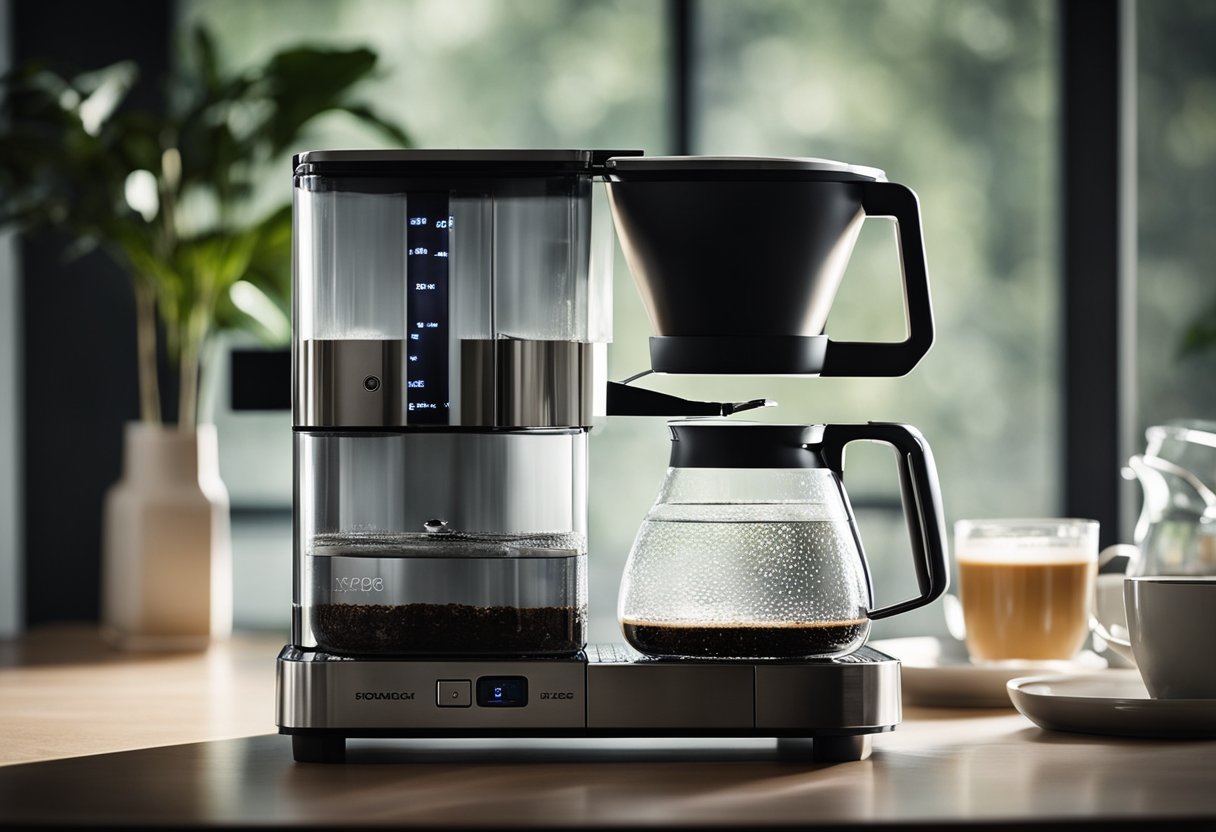
Drip coffee makers are the most popular in homes and offices. They have a water reservoir, a heating element (usually a metal tube), and a showerhead to spread water over the coffee grounds.
- Water from the reservoir moves into the heating tube.
- The heating element warms the tube.
- As water heats, it turns to steam and creates pressure.
- This pushes hot water up a tube and out over the coffee grounds.
Most drip coffee makers heat water to about 90-96°C (194-205°F). This is hot, but not boiling. Manufacturers design them this way because boiling water can make coffee taste bitter and burnt.
Single-serve Pod Machines
Single-serve machines (like Keurig or Nespresso) use pods or capsules. They have small, fast-heating boilers. These machines usually heat water to around 85-96°C (185-205°F). Some high-end models allow you to set the temperature.
Again, these machines do not boil water fully. They heat it just enough to make good coffee quickly.
Espresso Machines
Espresso machines use a pump to force hot water through finely ground coffee at high pressure. The water is heated in a boiler or by a thermoblock (an instant heater).
- Most espresso machines heat water to 88-96°C (190-205°F).
- Water must be hot enough to extract flavor quickly (in about 25-30 seconds).
- If the water is too hot (at or above boiling), espresso can taste harsh.
Boiling water is not used in espresso machines because it can damage the coffee and the machine.
Percolators
Percolators work differently. They heat water in a lower chamber until it boils, then push the steam and hot water up a tube to drip over the grounds. Water then falls back down and repeats.
- Percolators do bring water very close to boiling.
- The cycling process means coffee can become over-extracted and bitter if left too long.
This is one of the few common coffee makers that actually boils water.
French Press And Pour-over
These methods do not heat water inside the device. Instead, you boil water in a kettle, then pour it over the grounds. The temperature depends on how long you wait after boiling:
- Right after boiling, water is about 100°C (212°F).
- Waiting 30 seconds usually drops it to 95-96°C (203-205°F).
Experts recommend letting water cool slightly for the best taste.
Do Coffee Makers Actually Boil Water? A Closer Look
Let’s get to the heart of the question: Do coffee makers boil water? The answer depends on the type.
- Most drip, single-serve, and espresso machines do NOT boil water. They heat it to just below boiling.
- Percolators and some old-style urns can boil water.
Why don’t most coffee makers boil water? There are several reasons:
- Taste: Boiling water can extract bitter compounds from coffee grounds, ruining flavor.
- Safety: Machines that boil water create more steam and pressure, which can be dangerous if not carefully controlled.
- Efficiency: Heating to just below boiling is usually faster and uses less energy.
- Design limits: Many coffee makers are designed with thermostats that shut off the heating element before water boils.
Real-world Testing
Consumer Reports and other testers have measured water temperatures in many coffee makers:
- In tests, most drip coffee makers reached a peak temperature of 88-96°C (190-205°F) at the showerhead.
- Single-serve machines often hit about 85-96°C (185-205°F).
- Only percolators and some commercial urns reached boiling or just over 98°C (208°F), but rarely a rolling boil.
Key insight: If your home coffee maker boiled water every time, your coffee would likely taste burnt, and you might see a lot more steam or even hear loud bubbling.
How Water Temperature Affects Coffee Taste
The temperature of water is one of the most important factors in how your coffee tastes. Here’s why:
- Too cool (<90°C/194°F):Coffee tastes weak, sour, or under-extracted. Not enough flavor comes out of the grounds.
- Ideal (90-96°C/194-205°F): Balanced extraction. You get rich flavors, aroma, and smoothness.
- Too hot (>96°C/205°F): Over-extraction. Coffee tastes bitter, harsh, or burnt.
Most experts, including the Specialty Coffee Association, recommend brewing at 90-96°C (194-205°F).
Example: Coffee Tasting With Different Temperatures
A simple experiment: Brew three cups of coffee using the same beans and grind, but different water temperatures:
- 85°C (185°F): Tastes weak and sour.
- 93°C (199°F): Tastes rich, sweet, and balanced.
- 100°C (212°F): Tastes bitter and flat.
This shows how important the right temperature is for a good cup of coffee.
Coffee Maker Types And Their Water Temperatures
To make things clearer, let’s compare common coffee makers and the typical water temperature they reach during brewing.
| Type | Heats Water to Boiling? | Typical Water Temp (°C) | Impact on Taste |
|---|---|---|---|
| Drip Coffee Maker | No | 90-96 | Optimal for most coffees |
| Single-Serve Pod Machine | No | 85-96 | Quick, good flavor |
| Espresso Machine | No | 88-96 | Best for espresso extraction |
| Percolator | Yes (near boiling) | 95-100 | Can be bitter if over-brewed |
| French Press (with kettle) | Depends on user | 90-96 | User controls temperature |
How Coffee Maker Design Controls Water Temperature
Many coffee makers use a thermostat to control water temperature. Here’s how it works:
- The heating element warms the water.
- The thermostat measures temperature.
- When water gets near the target temperature (usually 90-96°C), the thermostat turns off the heater.
- If water cools, the heater turns on again.
Some coffee makers have advanced temperature controls. High-end models use sensors and digital controls to keep water at the perfect brewing temperature. Cheaper machines may have less precise controls, which can lead to inconsistent coffee.
Boiling Water And Pressure
Boiling water creates steam and pressure. Most home coffee makers are not designed to handle high pressure. If water boils inside the machine:
- It can force water out too quickly or unevenly.
- It can cause leaks or damage seals.
- It may create safety risks.
Espresso machines are a special case. They are built to handle both high temperatures and pressure, but even they keep water just below boiling for the best results.
Special Cases: When Do Coffee Makers Boil Water?
There are a few exceptions where coffee makers do boil water or come very close.
Percolators
Old-fashioned percolators heat water to boiling. Boiling water moves up a tube and splashes over coffee grounds. The cycle repeats, so water passes through grounds many times.
- This method can make strong, bitter coffee if left too long.
- Some people prefer the intense flavor of percolator coffee.
Commercial Urns
Large commercial coffee urns sometimes boil water, especially when brewing very large batches. These are built to handle high heat and pressure safely.
Boil-dry Protection
Some modern coffee makers have a boil-dry protection feature. If all water is gone, the machine shuts off to prevent overheating.
Coffee Makers Vs. Electric Kettles
A common question: If coffee makers don’t boil water, why not just use an electric kettle? Here’s a comparison:
| Feature | Coffee Maker | Electric Kettle |
|---|---|---|
| Water Temperature | 90-96°C (usually) | 100°C (boiling) |
| Control | Automatic | Manual (user pours) |
| Purpose | Coffee brewing | Tea, instant coffee, other drinks |
| Speed | Slower | Faster boiling |
| Adjustable Temp | Some models | Many models |
Key insight: Electric kettles are best if you need boiling water for tea or recipes. For coffee, water just below boiling is usually better.
Credit: therestaurantauthority.com
Myths And Misunderstandings About Coffee Makers
Many people believe some common myths about coffee makers and boiling water. Let’s clear up a few:
- Myth: All coffee makers boil water.
Fact: Most do not. Only percolators and some urns do.
- Myth: Boiling water makes stronger coffee.
Fact: Boiling can make coffee bitter, not stronger.
- Myth: You need boiling water to kill bacteria in coffee makers.
Fact: Hot water (above 90°C) is enough for brewing, but you should still clean your machine to prevent mold and bacteria.
How To Tell If Your Coffee Maker Boils Water
If you’re curious about your own machine, here’s how to check:
- Listen for boiling sounds. Boiling water makes a rolling, bubbling noise. Most coffee makers just hiss or gurgle.
- Check the manual. Manufacturers often list the target brewing temperature.
- Use a thermometer. Carefully collect water from the showerhead or basket and measure its temperature right after brewing.
- Look for steam. Some steam is normal, but clouds of steam usually mean boiling.
Tip: If your coffee tastes burnt or you see lots of steam, your machine may be overheating or faulty.

Credit: www.amazon.com
Why Coffee Makers Don’t Boil Water: The Technical Reasons
Manufacturers design coffee makers to avoid boiling for several important reasons:
- Taste control: Water just below boiling extracts the best flavors.
- Safety: Lower temperatures reduce the risk of burns, pressure build-up, and steam leaks.
- Energy savings: Heating to 90-96°C uses less power than boiling.
- Machine lifespan: Avoiding boiling protects seals, tubes, and other parts from wear.
Some machines, especially budget models, may run hotter than ideal, but most modern machines aim for the recommended brewing range.
The Role Of Altitude
Altitude affects boiling point. At higher altitudes, water boils at lower temperatures. For example:
- At 2,000 meters (6,562 feet), water boils at about 93°C (199°F).
If you live at high altitude, your coffee maker may boil water at a lower temperature, making the process slightly different. Some high-end machines allow you to adjust temperature for this reason.
Credit: www.reddit.com
Cleaning And Maintenance: Does Non-boiling Water Matter?
Some people worry that not boiling water in a coffee maker allows germs to survive. While brewing temperatures (90-96°C) kill most bacteria, they may not kill all spores. That’s why regular cleaning is important.
- Clean removable parts with soap and water weekly.
- Descale the machine with vinegar or a descaling solution every 1-3 months, depending on water hardness.
- Let parts dry completely to prevent mold.
Boiling is not required for safety, but good cleaning habits are.
Common Coffee Maker Problems Related To Water Heating
If your coffee doesn’t taste right or your machine behaves oddly, water temperature may be the cause. Common problems include:
- Coffee is weak: Water may not be hot enough. Check for scale build-up or a failing heating element.
- Coffee tastes burnt: Water may be too hot or your machine is boiling water. Consider servicing or replacing the thermostat.
- Lots of steam or bubbling: Indicates boiling. Could be a malfunction.
- Slow brewing: Scale or mineral build-up can block water flow and reduce temperature.
Regular maintenance helps avoid most problems.
Advanced Coffee Makers: Temperature Control Features
Some modern coffee makers offer precise temperature control. Features may include:
- Digital temperature settings: Choose the exact brew temperature.
- PID controllers: Maintain steady water temperature for consistent brewing.
- Pre-infusion options: Wet the grounds before brewing for even extraction.
These features are found in high-end drip machines and espresso makers. They let you fine-tune the process for different beans and personal taste.
Expert Advice: How To Get The Best Coffee From Your Machine
Here are some professional tips to help you get the most from your coffee maker, no matter the type:
- Use fresh, clean water. Minerals and chlorine affect taste.
- Choose quality coffee beans. Freshly ground beans make a big difference.
- Keep your machine clean. Prevents off-flavors and keeps water temperature steady.
- Let water cool slightly after boiling (if using a kettle). Wait 30 seconds for best results.
- Check your machine’s temperature. If coffee tastes off, use a thermometer to test.
- Don’t reheat old coffee. It tastes stale and can be bitter.
Insider tip: Many people overlook the effect of water temperature on extraction time. If your machine runs too cold, it may brew too slowly, leading to sour or weak coffee. If it’s too hot, flavors can be ruined in seconds.
Real-world Data: Popular Coffee Maker Temperature Ranges
To give you a practical sense of what’s happening in the most popular coffee makers, here’s a quick look at their typical water temperatures:
| Coffee Maker Brand/Model | Typical Brewing Temp (°C) | Boiling? |
|---|---|---|
| Keurig K-Elite | 87-92 | No |
| Nespresso Vertuo | 90-96 | No |
| Mr. Coffee 12-Cup | 90-94 | No |
| Technivorm Moccamaster | 92-96 | No |
| Farberware Percolator | 95-100 | Yes |
The Bottom Line: What This Means For Coffee Lovers
So, do coffee makers boil water? For most machines, the answer is no. They heat water to just below boiling for a reason—to make coffee that tastes good and to keep you safe. Only a few types, like percolators, actually boil water. If you want boiling water for tea or sterilization, use a kettle. For coffee, trust your machine’s built-in temperature control, and focus on fresh beans, clean water, and good maintenance.
If you want to learn more about coffee brewing science, the Wikipedia page on coffee preparation offers great technical details.
Frequently Asked Questions
Do All Coffee Makers Boil Water?
No, most coffee makers heat water just below boiling, usually between 90°C and 96°C (194–205°F). Only some percolators and commercial urns actually boil water.
Why Is Boiling Water Not Ideal For Making Coffee?
Boiling water can extract bitter flavors from coffee grounds, making the drink taste harsh or burnt. The best flavor comes from water just below boiling.
Can Bacteria Survive In A Coffee Maker If Water Doesn’t Boil?
Most brewing temperatures (above 90°C) kill common bacteria, but not all spores. That’s why regular cleaning of your coffee maker is important for safety.
How Can I Check The Water Temperature In My Coffee Maker?
You can use a food thermometer to measure the water coming from the showerhead or brew basket right after brewing. Check your machine’s manual for recommended temperatures.
Is It Safe To Use Tap Water In A Coffee Maker?
Yes, but filtered or bottled water is often better for taste and for preventing mineral build-up. Tap water with lots of minerals can cause scaling inside your machine.
By understanding how your coffee maker heats water, you can enjoy better coffee every day—and avoid common mistakes that can spoil your brew.