
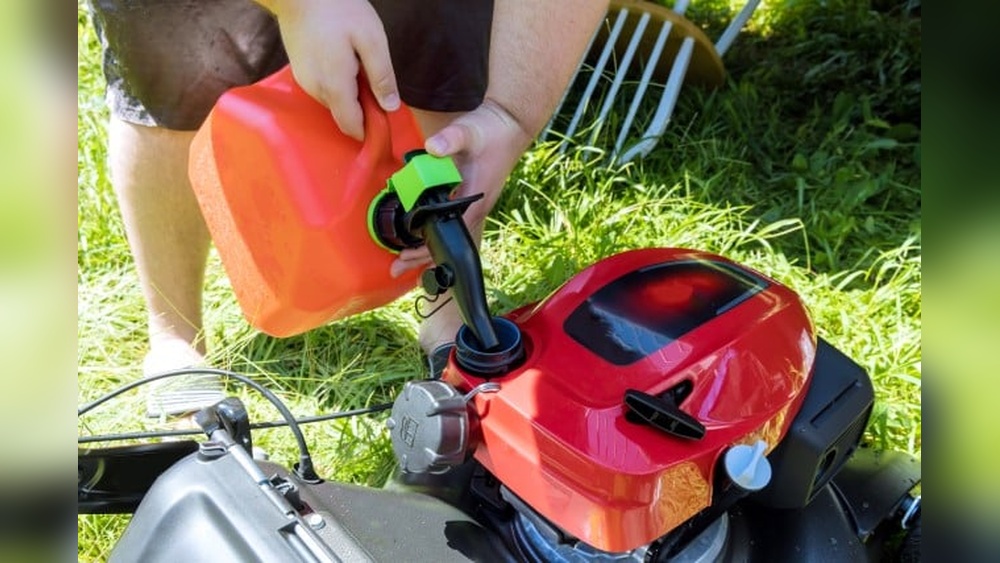
Most people see a lawn mower and assume it runs on the same fuel as their car. But is that really true? If you’ve ever stood in front of your mower with a gas can and wondered, “Do lawn mowers take regular gas?
”—you’re not alone. Understanding the right fuel type is more important than many realize. The wrong gas can damage your engine, shorten the life of your mower, and even void your warranty. In this guide, you’ll learn everything you need about the fuel needs of lawn mowers, how to avoid common mistakes, and how to care for your mower’s engine for years of smooth cutting.
What Does “regular Gas” Really Mean?
When people talk about regular gas, they usually mean unleaded gasoline with an octane rating of 87. This is the most common fuel at gas stations, and it’s what most cars use. But “regular” can mean different things in different regions. In some countries, fuel standards are not the same. Always check that you’re actually using 87 octane unleaded if you’re in North America.
There are also different types of gasoline available:
- Unleaded Regular (87 octane)
- Midgrade (89 octane)
- Premium (91-93 octane)
- Ethanol blends (E10, E15, E85)
Understanding these differences matters. Not all engines are happy with every type of gas, and lawn mowers are more sensitive than many think.
Types Of Lawn Mowers And Their Fuel Needs
Not all lawn mowers are alike. The type of mower you have affects what kind of gas you should use.
Walk-behind Gas Mowers
These are the most common type for home lawns. Most have small four-stroke engines. They are usually designed to run on 87 octane unleaded gasoline with up to 10% ethanol (E10).
Riding Lawn Mowers
Riding mowers, including lawn tractors and zero-turn mowers, have larger engines. However, most still use regular unleaded gas (87 octane), just like walk-behind mowers. Their engines are often a bit more robust, but they are not designed for high-ethanol blends.
Two-stroke Mowers
Older or specialty mowers sometimes use two-stroke engines. These require a gas and oil mix—not just regular gas. Using straight regular gas can ruin a two-stroke engine.
Battery-powered And Electric Mowers
These do not use gasoline at all. If you have one of these, you’ll never need to worry about gas types.
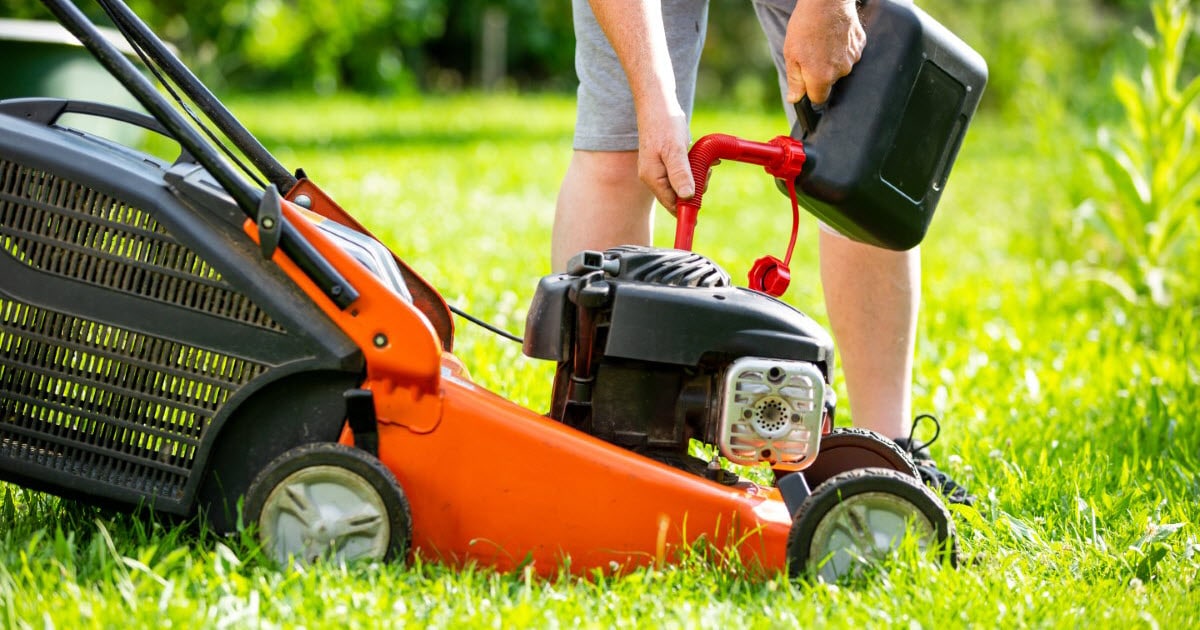
Credit: lawnchick.com
Is It Safe To Use Regular Gasoline In Lawn Mowers?
For most modern lawn mowers, yes, regular unleaded gas is safe—with some important limits:
- Octane rating: Use at least 87 octane.
- Ethanol content: Never use gas with more than 10% ethanol (E10).
- Freshness: Old gas can cause engine problems.
Most manufacturers, like Honda, Toro, and Briggs & Stratton, specifically say to use fresh, clean, unleaded gasoline with an octane rating of 87 or higher and up to 10% ethanol.
Why Ethanol Content Matters
Ethanol is added to gas to reduce pollution, but it can cause trouble in small engines. Ethanol attracts water, which leads to corrosion, poor performance, and starting problems in lawn mowers.
- E15 (15% ethanol) and E85 (85% ethanol) are NOT safe for most mowers.
- Using high-ethanol gas can void your warranty and damage the engine.
Premium Gas: Is It Better?
Many people think premium gas (higher octane) is better for engines. But for lawn mowers, it offers no real benefit. Most mower engines are designed for regular gas, and using premium won’t make them run better or last longer. It just costs more.
How To Check Your Lawn Mower’s Fuel Requirements
Every mower is different. The best way to know for sure is to read the owner’s manual. You can also look for a sticker or label near the gas cap.
If you don’t have the manual, most mower engines will have the following fuel requirements:
- Unleaded gasoline
- 87 octane or higher
- Ethanol content up to 10%
If your mower is older or uses a two-stroke engine, it will clearly say you need to mix oil with the gas.
Here’s a quick comparison of fuel needs for different mower types:
| Lawn Mower Type | Fuel Type | Ethanol Limit | Oil Mix Needed? |
|---|---|---|---|
| Walk-behind (4-stroke) | Regular unleaded (87 octane) | 10% (E10) | No |
| Riding mower | Regular unleaded (87 octane) | 10% (E10) | No |
| Two-stroke mower | Gasoline + 2-stroke oil | 10% (E10) | Yes |
| Electric/Battery | None | N/A | No |
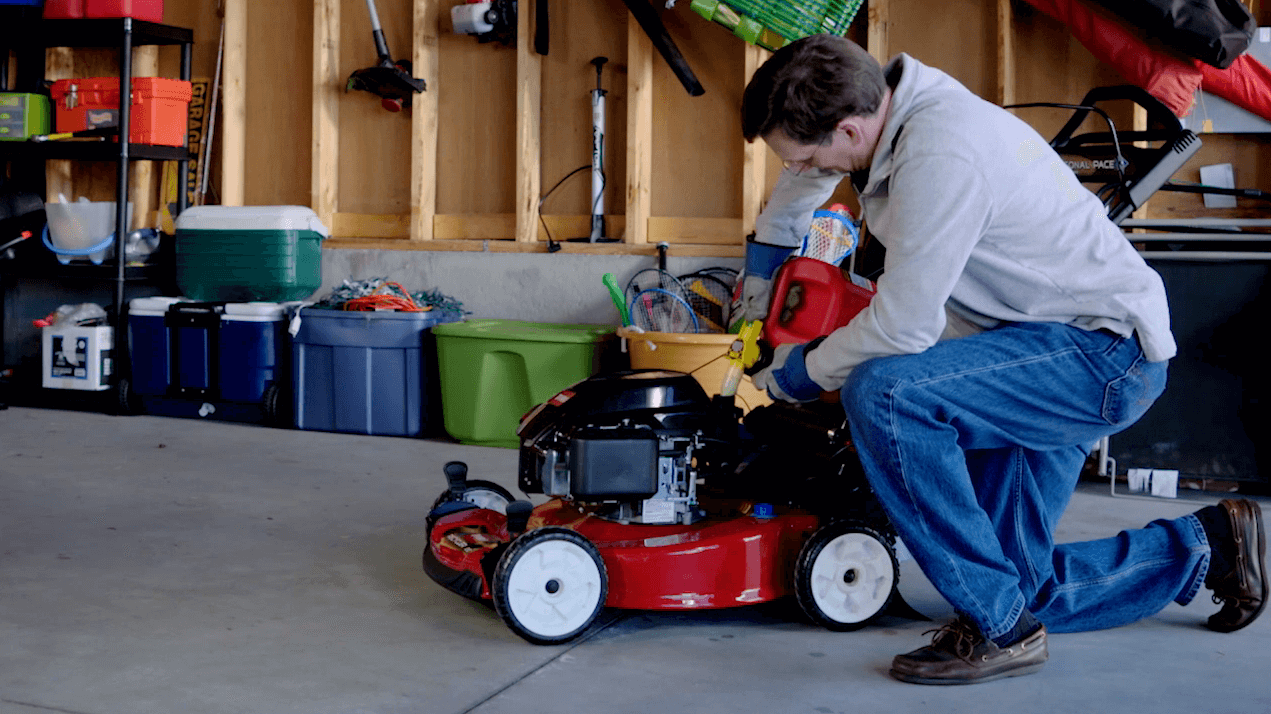
Credit: www.yardcare.com
How To Buy The Right Gas For Your Lawn Mower
When you go to the gas station, it’s easy to get confused. Here’s how to make sure you get the right fuel:
- Use the regular, 87-octane pump. Don’t pick premium or midgrade for a mower unless the manual says so.
- Check the ethanol content. Look for a sticker at the pump. It should say “contains up to 10% ethanol” or similar.
- Buy only what you need. Gas gets old quickly, especially in small containers. Use it up within a month or two.
- Transport safely. Use an approved fuel can, not a random bottle or jug.
Non-obvious Insight: Avoid E15 And Higher
Some gas stations now sell E15 or higher ethanol blends. These are usually cheaper, but they are NOT safe for lawn mowers. Using E15 can cause engine damage very quickly.
Non-obvious Insight: Buy Gas From Busy Stations
Gas at busy stations is fresher. Small or rural stations can have old gas sitting in the tank, which means you’re more likely to get stale fuel. Fresh gas burns better and keeps your mower running smoothly.
Common Mistakes People Make With Lawn Mower Gas
Lawn mower engines are tough, but they can’t handle every mistake. Here are some common fuel errors to avoid:
Using Old Gasoline
Gas starts to break down after just 30 days. Old gas can lead to hard starting, rough running, and even engine damage. Always use fresh gas, and don’t store it for more than two months.
Using The Wrong Ethanol Blend
High ethanol blends (E15, E85) are cheaper, but they’re not safe for small engines. Ethanol attracts water, which causes corrosion and gum inside the carburetor.
Forgetting To Mix Oil (for Two-strokes)
Two-stroke engines need oil mixed with the gas. If you forget, you’ll ruin the engine quickly. Always follow the mix ratio in your manual—usually 50:1 or 40:1.
Storing Gas Improperly
Leaving gas in your mower over the winter is a bad idea. Gasoline can gum up and clog the carburetor, making your mower hard to start in spring.
Using Diesel Or Other Fuels
Some people have tried diesel, kerosene, or even aviation fuel in a mower. This is a recipe for disaster. Only use gasoline, and only the right kind.
How Ethanol Affects Lawn Mower Engines
Ethanol in fuel is a double-edged sword. While it’s good for the environment, it’s tough on small engines.
- Attracts water: Water in the fuel tank can cause rust and corrosion.
- Creates varnish and gum: Ethanol breaks down and forms sticky deposits in carburetors and fuel lines.
- Reduces engine life: Over time, ethanol can eat away rubber parts and seals.
If you must use gas with ethanol, try to use it up quickly. Don’t let gas sit in your mower or gas can for long periods.
Ethanol-free Gas: Is It Worth It?
Some stations sell ethanol-free gas (sometimes called “REC-90” or “recreational fuel”). This is ideal for lawn mowers, especially if you don’t use them often. Ethanol-free gas stays fresh longer and reduces engine problems. It costs more, but it can save you repair bills.
How To Store Lawn Mower Gas Properly
Storing gas the right way is key to keeping your mower healthy.
- Use an approved gas can. Never use old bottles or milk jugs.
- Keep the can tightly sealed. Oxygen speeds up gas breakdown.
- Store in a cool, dry place. Heat and sunlight make gas go bad faster.
- Add fuel stabilizer. This chemical keeps gas fresh for up to a year. Add it as soon as you buy the gas, not months later.
Here’s a quick guide to storage times:
| Gas Type | Storage Time (Unstabilized) | Storage Time (With Stabilizer) |
|---|---|---|
| Regular E10 gas | 1-2 months | Up to 12 months |
| Ethanol-free gas | 3-6 months | Up to 12 months |
How To Tell If Your Gas Is Still Good
Sometimes, you’re not sure if the gas in your mower or gas can is still fresh. Here’s how to check:
- Smell: Fresh gas smells sharp. Old gas smells sour or varnish-like.
- Color: Gas should be clear, not dark or cloudy.
- Engine Performance: If your mower is hard to start or runs rough, old gas could be the problem.
If in doubt, drain the old gas and replace with fresh.
What Happens If You Use The Wrong Gas?
Using the wrong gas can cause several problems:
- Hard starting: The engine may not start at all.
- Rough running: The mower may sputter, surge, or stall.
- Engine damage: Long-term use of high ethanol blends or old gas can ruin gaskets, seals, and carburetors.
- Warranty void: Most manufacturers won’t cover repairs if you used the wrong fuel.
It’s always cheaper to use the right gas than to pay for repairs.
How To Switch To The Right Gas If You Made A Mistake
Mistakes happen. If you’ve put the wrong gas in your mower, here’s what to do:
- Don’t start the engine. If you realize your mistake before running the mower, drain the tank right away.
- Drain the fuel. Use a siphon or tip the mower to pour out the gas (safely, outdoors).
- Add fresh, correct gas. Fill with the right type of fuel.
- Prime and start. Run the engine for a few minutes to clear out old fuel from the lines.
If the mower won’t start, you may need to clean or replace the spark plug and clean the carburetor.
Gasoline Alternatives For Lawn Mowers
While most mowers use regular gas, there are a few alternatives:
- Propane: Some commercial mowers use propane. It burns cleaner, but is not common for home use.
- Ethanol-free gas: As mentioned, this is ideal for small engines if you can find it.
- Synthetic fuels: New synthetic gasoline options are entering the market, but they are rare and expensive.
- Battery power: Many homeowners are switching to electric mowers, which don’t use any fuel.
Tips For Keeping Your Lawn Mower Running Strong
Fuel is just one part of mower care. Here’s how to keep your mower running for years:
- Use the right gas. Always check the manual.
- Don’t let gas sit. Use up fuel within a month, or add stabilizer.
- Clean the air filter. Dirty filters make the engine work harder.
- Change the oil (if 4-stroke). Fresh oil keeps the engine cool and lubricated.
- Sharpen the blade. Dull blades make the engine strain.
How Manufacturer Recommendations Differ
Not all manufacturers have the same advice. Here are a few examples from top brands:
- Honda: Use unleaded gas, 87 octane or higher, with up to 10% ethanol.
- Toro: Use fresh unleaded gas, 87 octane minimum, up to 10% ethanol.
- Briggs & Stratton: Unleaded gas, 87 octane or higher, up to 10% ethanol.
- Craftsman: Regular unleaded, 87 octane, up to 10% ethanol.
None of these brands recommend premium gas or high-ethanol blends. Always check your manual for your specific model.
Gasoline Myths And Misunderstandings
There are many myths about lawn mower fuel. Let’s clear up a few:
- Myth: Premium gas makes mowers run better. Reality: Most mowers don’t benefit at all.
- Myth: Ethanol is safe at any amount. Reality: Over 10% ethanol can ruin small engines.
- Myth: Old gas is fine to use. Reality: Old gas causes more starting problems than any other issue.
Environmental Considerations
Gas-powered mowers create pollution and use fossil fuels. If you want a greener option:
- Use ethanol-free gas to reduce engine emissions.
- Switch to a battery or electric mower if your lawn is small.
- Maintain your mower so it burns fuel efficiently.
The EPA reports that small engines, like those in mowers, make up a significant share of non-road gasoline emissions. Proper fuel choice helps reduce pollution.
Lawn Mower Gas And Regional Differences
If you travel or buy gas in different places, remember:
- In the US and Canada, 87 octane regular is standard.
- In Europe and other regions, octane numbers may be higher, and ethanol content can vary.
- Always check both the octane rating and ethanol level at the pump.
The Bottom Line: Do Lawn Mowers Take Regular Gas?
For nearly all gas-powered lawn mowers, regular unleaded gasoline (87 octane, up to 10% ethanol) is the right choice. However, you must avoid high-ethanol blends, old gas, and always follow your manufacturer’s instructions. Two-stroke engines need a gas-oil mix—never use straight gas. If you want the best performance and a long engine life, buy fresh gas, store it safely, and use it up within a month or two.
For the rare person with a specialty mower, check your manual. When in doubt, regular gas is usually safe, but not always—so double check.
For more details on small engine fuel, you can visit the Wikipedia Small Engine page.

Credit: southernhardwareinc.com
Frequently Asked Questions
Can I Use Car Gas In My Lawn Mower?
Yes, as long as it’s regular unleaded (87 octane, up to 10% ethanol). Don’t use diesel or high-ethanol blends.
What Happens If I Use Old Gas In My Mower?
Old gas can make your mower hard to start, run rough, or even damage the engine. It’s best to use fresh gas, or add a fuel stabilizer if you must store it.
Is It Okay To Use Premium Gas In My Lawn Mower?
Premium gas won’t hurt your mower, but it offers no real benefit and costs more. Most mowers are designed for regular gas.
How Can I Tell If My Mower Is Two-stroke Or Four-stroke?
Check the owner’s manual or look for a sticker near the engine. Two-stroke engines require oil mixed with the gas, while four-strokes have a separate oil reservoir.
What Should I Do If I Accidentally Use E15 Or Higher Ethanol Gas?
Don’t run the engine. Drain the tank and refill with the correct gas. If you’ve already run the mower, you may need to clean the carburetor and replace rubber parts.
With the right fuel and a little care, your mower will keep your lawn looking great for years. Making the right choice at the pump is simple—but it makes all the difference.