
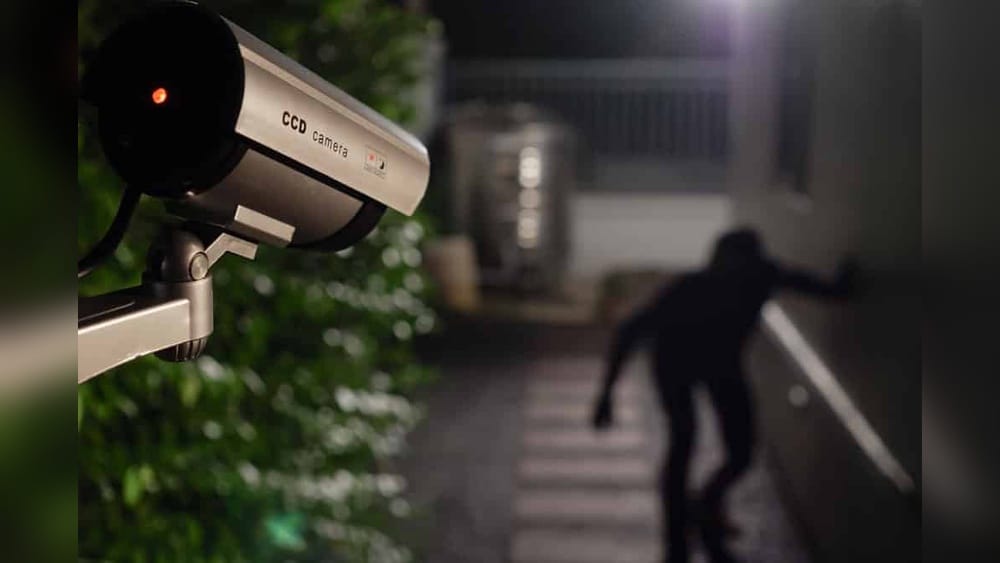
Security cameras are everywhere today—on streets, in stores, outside homes, and even inside schools. But a question remains: do security cameras deter crime? Many people believe that simply installing cameras will keep criminals away. Others wonder if cameras really make a difference, or if they only help catch offenders after a crime happens. With rising concerns about safety, understanding the real impact of security cameras is more important than ever.
This article explores how security cameras work, the evidence behind their effectiveness, and the situations where they are most helpful. We’ll look at data from studies, real-world examples, and expert opinions. By the end, you’ll know whether cameras are a strong crime deterrent, and how you can use them most effectively to keep your property and community safe.
How Security Cameras Work
Security cameras are designed to monitor and record activity in specific areas. Most cameras today use digital technology, with footage stored on hard drives, cloud servers, or SD cards. Some cameras stream live video, while others only record when motion is detected. Surveillance systems can be visible or hidden, depending on the user’s goals.
The idea behind security cameras is simple: people are less likely to commit crimes if they know they are being watched. This is called the “deterrence effect.” When someone sees a camera, they may think twice about stealing, vandalizing, or trespassing, because their actions could be recorded and used as evidence.
But deterrence depends on several factors:
- Camera visibility: Are the cameras easy to see?
- Signage: Are there signs warning people about surveillance?
- Camera quality: Can the cameras capture clear images?
- Monitoring: Is someone watching the footage, or is it just recorded?
Understanding these factors helps explain why cameras sometimes prevent crime—and sometimes do not.
The Evidence: Do Security Cameras Deter Crime?
Studies And Data
Many studies have researched whether security cameras reduce crime. Results show that cameras can be effective, but their impact varies by location and type of crime.
A 2017 study by the Urban Institute looked at cameras installed in Baltimore, Chicago, and other cities. In Baltimore, property crime dropped by 22% in areas with cameras. In Chicago, violent crime fell by 12%. However, some neighborhoods saw little change.
Another study in the UK, where cameras are widely used, found mixed results. According to the British Home Office, cameras reduced car theft in parking lots by 51%, but had less impact on street crimes.
Here’s a comparison of crime rates before and after camera installation in selected locations:
| Location | Crime Type | Before Cameras | After Cameras | % Change |
|---|---|---|---|---|
| Baltimore | Property Crime | 1,000 incidents/year | 780 incidents/year | -22% |
| Chicago | Violent Crime | 450 incidents/year | 396 incidents/year | -12% |
| UK Parking Lots | Car Theft | 600 incidents/year | 294 incidents/year | -51% |
These numbers show that cameras can reduce crime, but the effect is not always dramatic. The type of crime and the environment matter.
Types Of Crime Affected
Security cameras seem to work best for property crimes:
- Theft
- Burglary
- Vandalism
- Car theft
Cameras have less impact on violent crimes such as assault or robbery. Criminals who act impulsively or under stress may not notice cameras or may ignore them.
Real-world Examples
Many businesses report fewer shoplifting incidents after installing cameras. For example, a large grocery chain in California saw a 30% drop in theft after adding visible cameras and warning signs.
Neighborhoods with home security systems often experience fewer break-ins. In Dallas, police noted that homes with cameras were targeted less often. Criminals usually prefer easy targets with no surveillance.
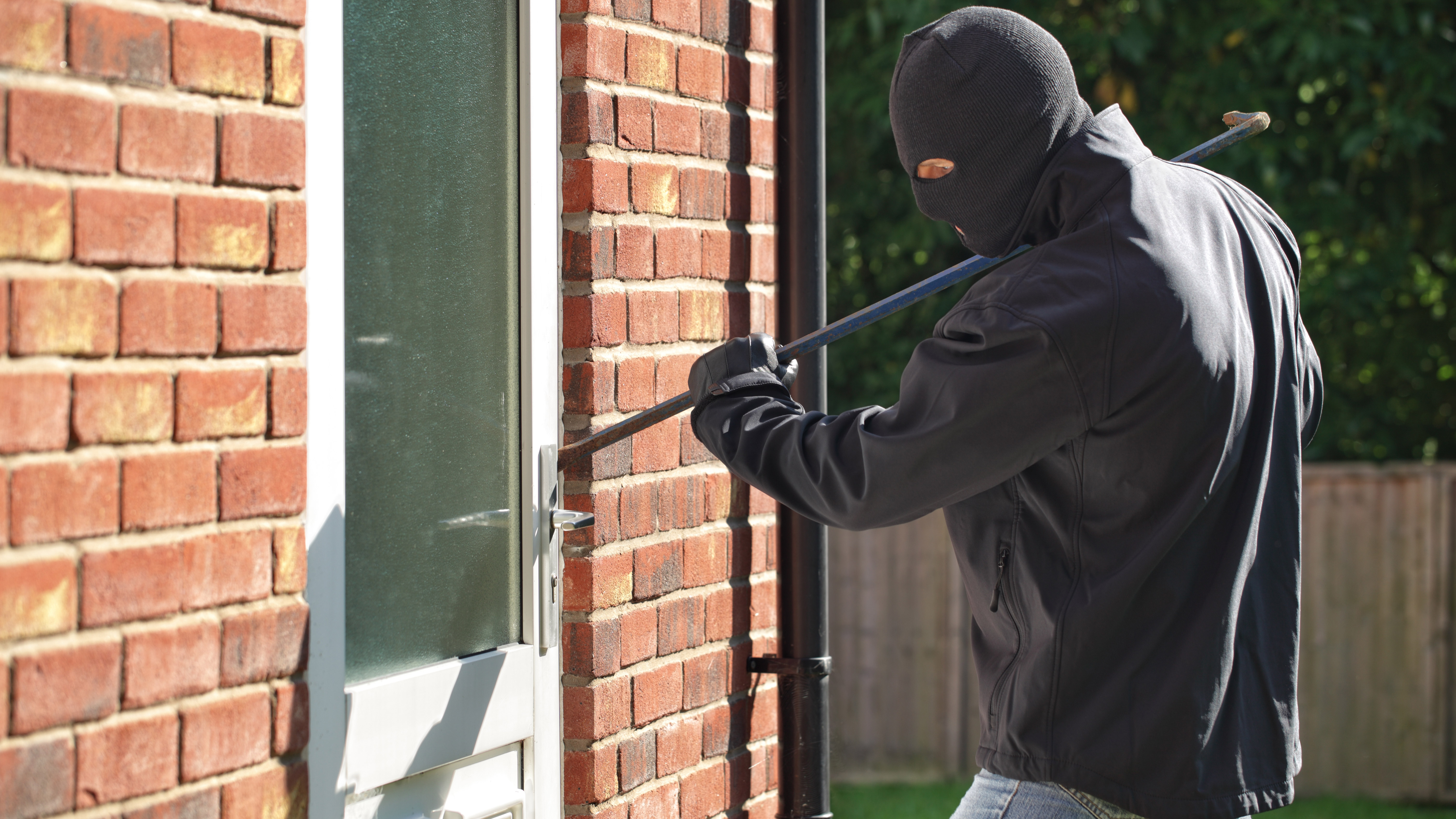
However, in some cases, criminals avoid cameras by covering their faces or destroying equipment. In London, some groups learned to work around cameras, showing that deterrence is not absolute.
Why Security Cameras Deter Crime
Psychology Of Deterrence
Deterrence relies on the idea that people weigh risks before acting. Cameras increase the perceived risk of getting caught. When someone sees a camera, they may imagine police or owners watching, and worry about being identified.
Visible cameras and signs are important. A hidden camera may help catch a criminal, but it won’t stop them beforehand. Studies show that signs and visible cameras together are more effective than cameras alone.
How Criminals Think
Many criminals look for easy targets. If they see cameras, they may move on to another location. In interviews, burglars often say they avoid homes with cameras or alarm systems.
Here are common reasons criminals give for avoiding camera-protected sites:
- Fear of identification
- Chance of being caught quickly
- Difficulty escaping unnoticed
- Belief that cameras mean alarms or police response
- Risk of evidence being used in court
But not all criminals think the same way. Some act out of desperation or impulse, and ignore cameras. A few even try to destroy cameras or hide their faces.
Non-obvious Insight: Deterrence Depends On Camera Placement
Most people believe that simply installing cameras will deter crime. But the placement and angle of cameras matter. A camera that only faces a wall or is blocked by plants won’t help. Cameras should cover entry points, driveways, and areas where valuables are kept. High-traffic spots should have the best coverage.
Another insight: dummy cameras (fake cameras) are sometimes used to save money. While they may deter some criminals, experienced offenders can spot fakes. For real deterrence, use functioning cameras with clear video.
Where Security Cameras Are Most Effective
Businesses And Retail Stores
Retail stores often use cameras to prevent shoplifting and employee theft. Cameras near entrances, exits, and checkout counters are especially effective. Employees also feel safer, knowing that events are recorded.
Many stores combine cameras with other security measures, like alarms and guards. This multi-layer approach is more effective than cameras alone.
Parking Lots And Garages
Parking lots are common targets for car theft and vandalism. Studies show that cameras can cut car theft by up to 50%. Cameras should cover entrances, exits, and dark corners. Good lighting is important—without it, cameras may not capture clear images.
Public Spaces
Cities use cameras in parks, streets, and transit stations. These cameras help deter vandalism and petty theft, and assist police in solving crimes. However, some critics argue that cameras do not prevent more serious crimes, and may raise privacy concerns.
Homes And Residential Areas
Home security cameras are popular. They deter burglary and package theft. Cameras facing doors, windows, and driveways are most helpful. Many systems offer remote viewing, so owners can check footage from anywhere.
Neighborhoods with many homes using cameras often report fewer break-ins. Criminals prefer areas with less surveillance.
Schools And Campuses
Schools use cameras to prevent vandalism and violence. Cameras in hallways and entrances can discourage bad behavior. However, privacy is a concern. Cameras should be placed carefully and not invade student privacy.
Limitations Of Security Cameras
Not A Complete Solution
Security cameras are not a magic bullet. They work best as part of a broader security plan. Alarms, locks, lighting, and community awareness are also important. Cameras can record events, but someone must review footage and respond.
Camera Blind Spots
Every camera has blind spots—areas it cannot see. Criminals sometimes study camera placements and act where coverage is poor. Regular checks and adjustments are necessary to close these gaps.
Quality Of Footage
Low-quality cameras may not record clear images, especially at night. Grainy footage is hard to use as evidence. Investing in high-definition cameras and proper lighting makes surveillance more effective.
| Camera Type | Daytime Image Quality | Nighttime Image Quality | Recommended Use |
|---|---|---|---|
| Basic Analog | Fair | Poor | Low-risk areas |
| HD Digital | Excellent | Good | Homes, businesses |
| Infrared/Night Vision | Good | Excellent | Parking lots, dark areas |
Privacy Concerns
Some people worry about privacy. Cameras can record innocent people, raising ethical questions. It is important to follow laws and respect privacy, especially in public or shared spaces.
False Sense Of Security
A common mistake is thinking cameras alone will prevent all crime. Criminals may still act if they believe cameras are not monitored. Regular checks and quick response are needed.
Improving The Effectiveness Of Security Cameras
Visibility And Signage
Make cameras easy to see. Use signs that warn people about surveillance. This increases deterrence and shows you are serious about security.
Monitoring And Quick Response
Live monitoring is more effective than just recording. If someone is watching, they can call police or alert owners quickly. Some systems offer motion alerts to phones or computers.
Integration With Other Security Measures
Combine cameras with alarms, locks, and good lighting. Strong doors and windows reduce break-ins. Outdoor lights make cameras more effective at night.
Regular Maintenance
Check cameras often. Clean lenses, adjust angles, and update software. Broken or blocked cameras are useless.
Data Protection
Protect recorded footage. Use secure storage and limit access. This prevents tampering and keeps evidence safe.
Non-obvious Insight: Training Matters
Even the best camera system is only as effective as the people using it. Owners and staff should know how to operate cameras, review footage, and respond to incidents. Training helps prevent mistakes and ensures quick action.

Credit: www.backstreet-surveillance.com
Security Cameras Vs Other Deterrents
Security cameras are one tool among many. Here’s how they compare to other methods:
| Deterrent | Strengths | Weaknesses |
|---|---|---|
| Security Cameras | Record evidence, visible deterrent | Blind spots, require monitoring |
| Alarms | Immediate alert, loud | May be ignored, no evidence |
| Guards | Flexible response, visible | Costly, human error |
| Lighting | Reduces hiding spots, cheap | Limited deterrence alone |
| Locks | Physical barrier, simple | Can be picked, does not alert |
Combining several deterrents is usually best. Cameras provide evidence, alarms alert people, and guards offer flexible response.
What Makes Security Cameras More Or Less Effective
Location
Busy areas benefit more from cameras than isolated spots. Cameras in public places may deter more crime because offenders know they are likely to be seen.
Community Awareness
If neighbors or employees know about cameras, they can help watch for suspicious activity. Community engagement increases effectiveness.
Technology Upgrades
Modern cameras offer better resolution, night vision, and remote access. Upgrading old systems improves results. Smart cameras can detect motion, faces, and unusual activity.
Common Mistakes
- Poor placement: Cameras facing the wrong way or blocked by objects.
- No signage: Without warning, people may not realize they are being watched.
- Low-quality equipment: Cheap cameras may not record useful footage.
- Lack of monitoring: Recorded footage is only helpful if someone reviews it.
- Ignoring maintenance: Dusty or broken cameras are useless.
Avoid these mistakes to get the most from your surveillance system.
Credit: www.techradar.com
Security Cameras And Crime Displacement
What Is Crime Displacement?
Sometimes, cameras do not stop crime—they just move it elsewhere. This is called crime displacement. Criminals may avoid camera-covered areas but target nearby spots with less security.
Studies show mixed results. In some cities, crime shifted from monitored streets to side alleys. In others, overall crime decreased, with no major displacement.
Reducing Displacement
To minimize displacement, use cameras in combination with other security measures. Cover main entry points and vulnerable areas. Work with neighbors or nearby businesses to improve coverage.
Community-wide surveillance is more effective than isolated cameras. Sharing information and footage can help prevent crime from moving to unprotected areas.
Ethical And Legal Considerations
Privacy Laws
Security cameras must follow local laws. In the US, it is legal to record public areas, but not private spaces like bathrooms. Always check regulations before installing cameras.
Responsible Use
Respect privacy. Do not record areas where people expect privacy. Inform visitors and employees about cameras. Use footage only for security, not for other purposes.
Balancing Safety And Privacy
Find a balance. Cameras can make people feel safer, but too many cameras can make people uncomfortable. Use them where needed, and avoid over-surveillance.
The Future Of Security Cameras
New Technologies
Modern cameras offer AI features, such as facial recognition, license plate reading, and movement tracking. These tools can improve deterrence and help catch offenders faster.
Smart cameras can alert owners to unusual activity, making response quicker. Cloud storage allows easy access to footage from anywhere.
Privacy Challenges
Advanced cameras raise new privacy concerns. Facial recognition is controversial, and some cities have banned its use. Technology should be used responsibly.
Community-based Solutions
Future security may focus on community involvement. Sharing camera footage and alerts with neighbors can improve safety. Apps and networks make this easy.
For more information on surveillance technology, visit the Wikipedia page on CCTV.
Frequently Asked Questions
What Types Of Crimes Are Most Deterred By Security Cameras?
Property crimes such as theft, burglary, vandalism, and car theft are most affected. Cameras are less effective against violent crimes, but can still help with evidence and identification.
Can Dummy Cameras Deter Crime?
Dummy cameras may deter inexperienced criminals, but experienced offenders can spot fakes. For real deterrence, use working cameras with clear signage.
Do Security Cameras Invade Privacy?
Cameras can raise privacy concerns if used inappropriately. Follow laws, avoid recording private spaces, and inform people about surveillance. Balance safety with respect for privacy.
How Often Should Security Cameras Be Maintained?
Regular maintenance is crucial. Check cameras monthly, clean lenses, adjust angles, and update software. Broken or blocked cameras reduce effectiveness.
Are Security Cameras Enough To Prevent Crime?
Cameras are helpful, but not enough alone. Combine them with alarms, lighting, locks, and community awareness for the best results. Cameras work best as part of a complete security system.
Security cameras are a powerful tool for deterring crime, especially property offenses. Their effectiveness depends on placement, visibility, quality, and integration with other security measures. While cameras alone will not stop all crime, they make offenders think twice and provide valuable evidence.
To maximize their impact, use cameras wisely, maintain them regularly, and work with your community. Balancing security with privacy will ensure cameras help keep you safe without unwanted risks.
Credit: www.ssscamera.com