
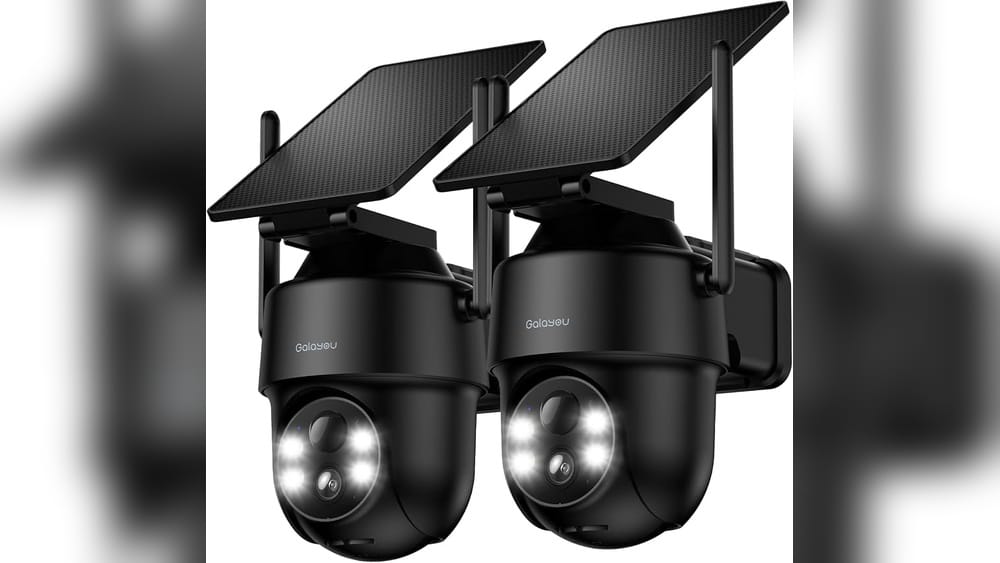
The idea of solar-powered security cameras sounds perfect: no wires, free energy from the sun, and simple installation. But a common question comes up—do solar cameras work at night? If you’re considering one for your home or business, you need a clear answer. This article dives deep, explaining how solar cameras operate after sunset, what technology they use, and whether they’re a reliable choice for nighttime surveillance. You’ll also see real-world examples, key differences from wired cameras, and practical tips to get the best performance. By the end, you’ll know if a solar camera is right for you, and how to avoid common mistakes.
How Solar Cameras Work: Day Vs. Night
Solar cameras use solar panels to collect energy during the day. This energy is stored in batteries, allowing the camera to run when sunlight is gone. During daylight, the system operates at full power, using solar energy directly and recharging the battery for later use. At night, the camera relies entirely on stored battery power.
Solar Panel And Battery Basics
- Solar panel absorbs sunlight, converts it to electricity.
- Battery stores energy for use when sunlight isn’t available.
- Camera electronics operate from the battery during dark hours.
Most solar cameras use lithium-ion batteries. These batteries are common because they charge quickly, hold energy well, and last through hundreds of cycles. In sunny areas, a well-sized panel and battery can keep a camera working all night and even through cloudy days.
Nighttime Operation
After sunset, the camera switches automatically to battery mode. If the battery is full, the camera can operate as normal. If the battery isn’t charged enough, the camera may reduce functions (like turning off high-power lights or limiting video recording).
Some advanced models can run for several days on battery alone.
The main factor is battery capacity. If your camera has a small battery, it may only work for a few hours at night. Larger batteries mean longer coverage. Some cameras have backup options—like connecting to the grid or adding extra batteries.
Real-world Example
A typical solar camera with a 10,000 mAh battery and a 5-watt solar panel can record in HD for up to 24 hours without sunlight. If the camera uses motion detection (only recording when movement is detected), battery life can stretch to several days.
Night Vision Technology In Solar Cameras
The key to nighttime surveillance is night vision. Solar cameras use different methods to see in the dark.
Infrared (ir) Leds
Most solar cameras include infrared LEDs. These tiny lights shine invisible infrared light, which the camera’s sensor can see. The result is a black-and-white image, even in total darkness. IR LEDs usually activate automatically when light levels drop.
- Range varies by model—usually 10–30 feet.
- Number of LEDs affects brightness and range.
Low-light Sensors
Some cameras use low-light sensors that amplify available light. These sensors can produce color images in very dim conditions, especially if there’s some ambient light (like street lamps).
Spotlight And Floodlight Cameras
Certain solar cameras include built-in spotlights or floodlights. These turn on when movement is detected, lighting up the area and allowing full-color recording. However, spotlights use more battery power.
Thermal Imaging
A few high-end solar cameras use thermal imaging. Instead of visible light, these cameras detect heat. They work in complete darkness and through fog or smoke, but are much more expensive.
Night Vision Vs. Battery Life
Night vision features use extra energy. IR LEDs and spotlights draw more power than daytime recording. If your battery isn’t large enough, night vision may drain it quickly. It’s important to balance night vision range and battery size.
Comparing Solar Cameras To Wired Cameras
How do solar cameras stack up against traditional wired cameras at night? Let’s look at the differences.
| Feature | Solar Camera | Wired Camera |
|---|---|---|
| Night Operation | Battery-powered, depends on charge | Continuous power, unlimited runtime |
| Night Vision | IR, spotlight, or low-light sensors | Same, plus higher power options |
| Installation | No wires, easy to place anywhere | Needs wiring and power source |
| Maintenance | Battery replacement after 1–3 years | Little battery maintenance |
| Reliability | Depends on sunlight and battery size | Very reliable, unless power outage |
Non-obvious insight: Some wired cameras can fail during a power outage, while solar cameras keep running as long as their batteries have charge. However, wired cameras don’t worry about sunlight or battery health.
How Long Do Solar Cameras Last At Night?
The main question: how many hours can a solar camera operate after sunset? This depends on several factors:
- Battery capacity: Larger batteries mean longer operation.
- Camera power draw: High-resolution cameras and spotlights use more energy.
- Recording mode: Continuous recording drains batteries faster. Motion-activated recording saves power.
- Night vision type: IR LEDs use less power than floodlights.
Typical Battery Life
A standard solar camera with a 10,000 mAh battery can run 8–24 hours on one charge, depending on usage. Cameras set to record only when motion is detected usually last longer.
Example:
- 10,000 mAh battery
- 0.5A camera draw during night
- Battery lasts about 20 hours (10,000 mAh ÷ 500 mA = 20 hours)
Backup Features
Some solar cameras offer extra batteries or can connect to external power sources. This is useful during long cloudy periods when solar charging is weak.
Practical Advisor Tip
If you want a camera for all-night recording, choose a model with:
- At least 10,000 mAh battery
- Efficient IR night vision
- Motion-activated recording
Avoid models with tiny batteries or constant floodlight use unless you can add extra power.

Credit: nightowlsp.com
Factors That Affect Night Performance
A solar camera’s nighttime ability depends on more than just battery size.
Sunlight Exposure
If your solar panel doesn’t get enough sunlight during the day, the battery won’t fully charge. This lowers nighttime runtime. Place panels facing south in the US for best results, and avoid shade from trees or buildings.
Weather Conditions
Cloudy, rainy, or snowy days reduce solar charging. In areas with frequent bad weather, battery backup is critical.
Temperature Effects
Batteries perform worse in extreme cold or heat. Cold weather can cut battery life by up to 40%. Some cameras have built-in heaters or insulation for winter use.
Camera Usage Patterns
Continuous video recording uses more power than motion-triggered recording. Some cameras let you set schedules—record only at night or only when motion is detected.
Non-obvious Insight
Many users forget to clean solar panels. Dust, leaves, or snow can block sunlight and drop charging efficiency by 30% or more. Regular cleaning is simple but often overlooked.
Types Of Solar Cameras And Their Night Features
Solar cameras come in various designs. The main types differ in how they handle night vision and battery life.
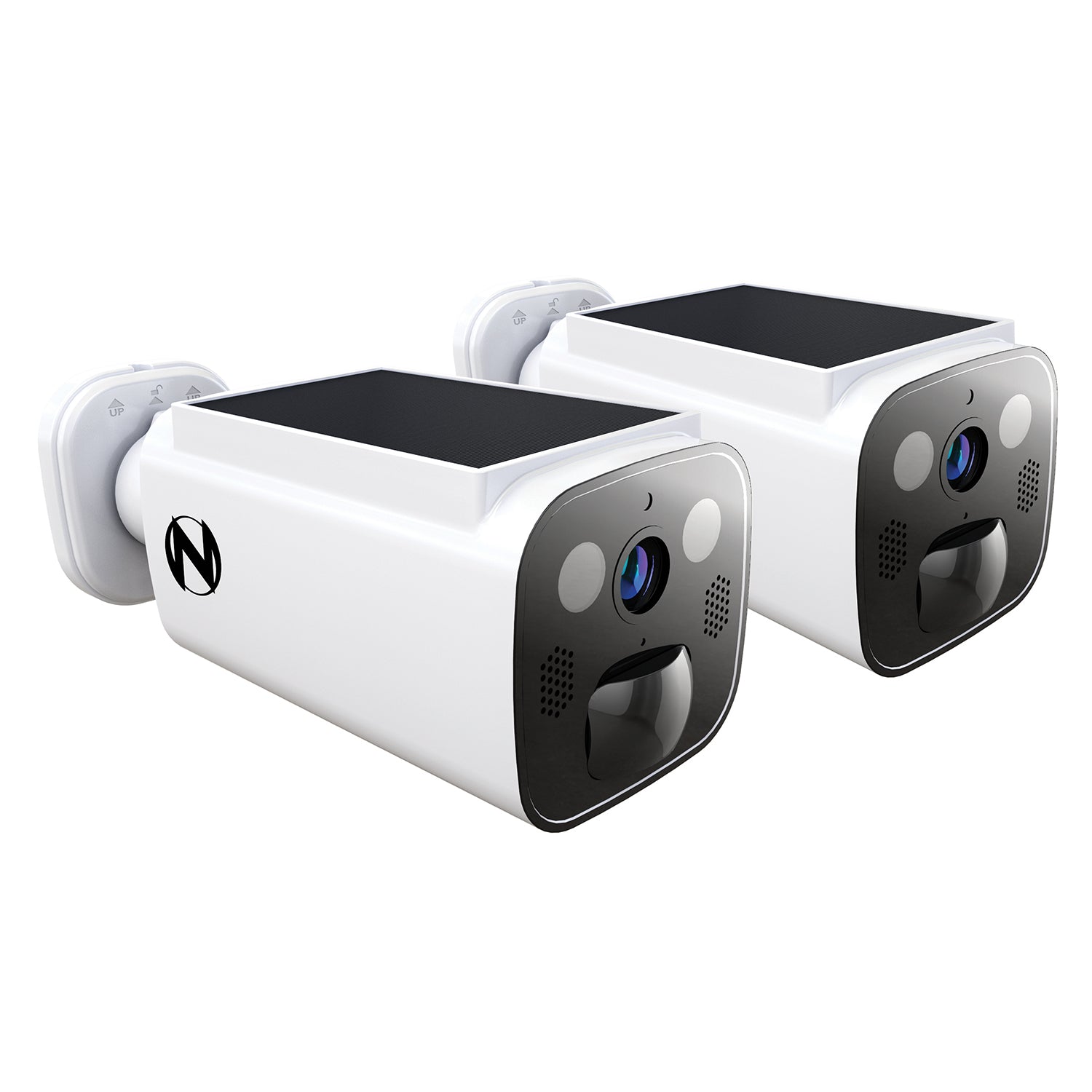
Bullet Cameras
These are long, cylindrical cameras often used for outdoor surveillance. They usually have strong IR night vision and larger batteries.
Dome Cameras
Dome cameras are compact and protected by a dome cover. They often have less powerful night vision but can blend in better.
Ptz Cameras
PTZ (Pan-Tilt-Zoom) cameras can move and zoom in on activity. They use more power, so need bigger batteries. Night vision is usually IR-based, sometimes with spotlights.
Wi-fi Solar Cameras
Wi-Fi cameras send video wirelessly. Battery life depends on how often video is sent. Some models only transmit video when motion is detected.
4g Solar Cameras
These use cellular networks for remote locations. Night recording is possible, but battery size is critical due to the extra power needed for wireless transmission.
Wildlife And Trail Cameras
Used for monitoring animals, these cameras often have very efficient IR night vision and long battery life, since they record only when motion is detected.
Credit: nightowlsp.com
Solar Camera Placement For Best Night Performance
Where you place your solar camera and its panel affects night operation.
Panel Placement
- Face panels toward the sun (south-facing in most of the US)
- Angle panels according to latitude for maximum exposure
- Keep panels clear of shade, leaves, and debris
Camera Placement
- Position cameras where activity is expected at night
- Avoid areas with excessive light that can cause glare
- Place IR cameras away from reflective surfaces
Common Mistakes
- Mounting panels where shadows fall during the day—reduces charging.
- Placing cameras too far from panels—can cause voltage drop.
- Forgetting to clean panels—cuts efficiency.
Experience-based Guide Tip
It’s better to place panels higher up (roof or wall) for more sunlight, and cameras at eye level for best detection. Use adjustable mounts for easy repositioning.
Night Vision Range: What Should You Expect?
Night vision range varies by model. Most solar cameras list their IR range in feet or meters.
| Camera Type | IR Night Vision Range | Spotlight Range | Color Night Vision |
|---|---|---|---|
| Basic bullet | 15–30 ft | 10–20 ft | No |
| Advanced dome | 20–40 ft | 15–25 ft | Sometimes |
| PTZ | 30–50 ft | 20–35 ft | Often |
| Wildlife/trail | 50–100 ft | None | No |
Straight-to-the-point helper tip: If you need to monitor a large area at night, choose a camera with a long IR range or built-in spotlight. For small spaces, basic IR is enough.

Credit: www.amazon.com
Solar Camera Battery Specifications: What Matters?
Understanding battery specs is crucial. Here’s what to look for:
- Capacity (mAh or Wh): Higher numbers mean more energy stored.
- Type: Lithium-ion is best for quick charging and durability.
- Cycle life: How many times the battery can be charged and discharged.
- Temperature range: Some batteries work poorly in cold.
Typical Battery Specs
| Battery Size | Camera Runtime (Night) | Cycle Life | Suitable for |
|---|---|---|---|
| 5,000 mAh | 6–12 hours | 300–500 cycles | Small cameras |
| 10,000 mAh | 12–24 hours | 500–800 cycles | Home/outdoor |
| 20,000 mAh | 24–48 hours | 800–1200 cycles | Commercial |
Practical advisor tip: Don’t just pick the largest battery. Balance battery size with panel size and camera power draw. Oversized batteries take longer to charge if your panel is too small.
Real-world Performance: What Do Reviews And Tests Show?
User reviews and lab tests give a clearer picture of night performance.
Positive Findings
- Most solar cameras work all night if the battery is properly sized.
- IR night vision is effective for basic surveillance.
- Motion-activated recording saves battery and extends runtime.
Negative Findings
- Cheap models often have weak batteries—run out before morning.
- Spotlights drain batteries quickly if left on.
- Cold weather reduces battery life.
Example:
A 2023 test by a home security website showed that 7 out of 10 solar cameras lasted through the night with full IR recording. Three models failed after 6–8 hours due to small batteries.
Non-obvious Insight
Some users report “false alarms” at night—IR reflections can trigger motion detection. To fix this, adjust sensitivity settings or reposition the camera.
Advantages And Disadvantages Of Solar Cameras At Night
Advantages
- No power cables: Install anywhere, even remote locations.
- Works during power outages: As long as battery is charged.
- Eco-friendly: Uses renewable energy.
Disadvantages
- Limited by battery size: Poor batteries mean short runtime.
- Weather-dependent: Cloudy days can reduce charging.
- Night vision may be weaker: Compared to high-powered wired cameras.
Friendly Mentor Tip
Solar cameras are ideal for outdoor spaces, construction sites, farms, and places where running power cables is difficult. For 24/7 indoor security, wired cameras may be better.
Tips For Maximizing Night Performance
If you want reliable night operation, follow these steps:
- Choose the right battery size: Minimum 10,000 mAh for all-night use.
- Select efficient night vision: IR LEDs are best for low power.
- Use motion-activated recording: Saves energy, increases runtime.
- Place panels for maximum sun: South-facing, no shade.
- Clean panels regularly: Dust and debris reduce charging.
- Adjust sensitivity settings: Avoid false alarms at night.
- Monitor battery health: Replace batteries every 1–3 years.
- Consider backup power: For cloudy regions, add extra batteries.
- Avoid constant spotlight use: Only turn on when needed.
Experience-based Guide Tip
Test your camera’s battery life before installation. Run it through a full night to see if it lasts. Adjust settings if you notice early shutdowns.
Future Trends: Improving Night Performance
Solar camera technology is advancing quickly.
- Better batteries: New lithium iron phosphate (LiFePO4) batteries last longer and handle cold better.
- More efficient panels: Higher-efficiency solar cells charge batteries faster.
- Smart energy management: Cameras adjust power use based on battery level.
- AI-enhanced night vision: Software can improve image quality in low light.
In the next few years, expect solar cameras to get longer battery life and clearer night vision.
Should You Trust Solar Cameras For Night Surveillance?
Solar cameras can work well at night, but only if you choose the right model, place panels carefully, and maintain the system. If you need high-security, all-night recording, invest in a camera with a strong battery and efficient night vision.
For basic monitoring, most solar cameras are reliable. But avoid the cheapest models—they often fail when you need them most.
If you want to compare more technical details, visit the Solar-powered security camera page on Wikipedia.
Frequently Asked Questions
Can Solar Cameras Record In Total Darkness?
Yes, most solar cameras use infrared LEDs to record in total darkness. The image is usually black-and-white. Some cameras also use spotlights for color night vision but this uses more battery.
How Do I Know If My Solar Camera Will Last All Night?
Check the battery capacity and the camera’s power draw. For all-night operation, a 10,000 mAh battery is usually enough if you use motion-activated recording and IR night vision. Test your camera before relying on it.
What Happens If The Battery Runs Out At Night?
If the battery is depleted, the camera stops recording until the next day when it recharges. Some models can switch to external power if connected, but most solar cameras rely solely on battery.
Do Solar Cameras Work In Winter?
Solar cameras can work in winter, but battery life is reduced in cold temperatures and shorter days mean less charging. Choose a camera with a battery rated for cold and clean panels of snow or ice.
Are Solar Cameras Good For Remote Locations?
Yes, solar cameras are ideal for remote places without electricity. As long as there’s enough sunlight to charge the battery, they can record day and night. For areas with frequent bad weather, add extra battery backup.
Solar cameras are a smart solution for many situations, but their night performance depends on the right setup. With careful planning, you can enjoy reliable, eco-friendly security day and night.