
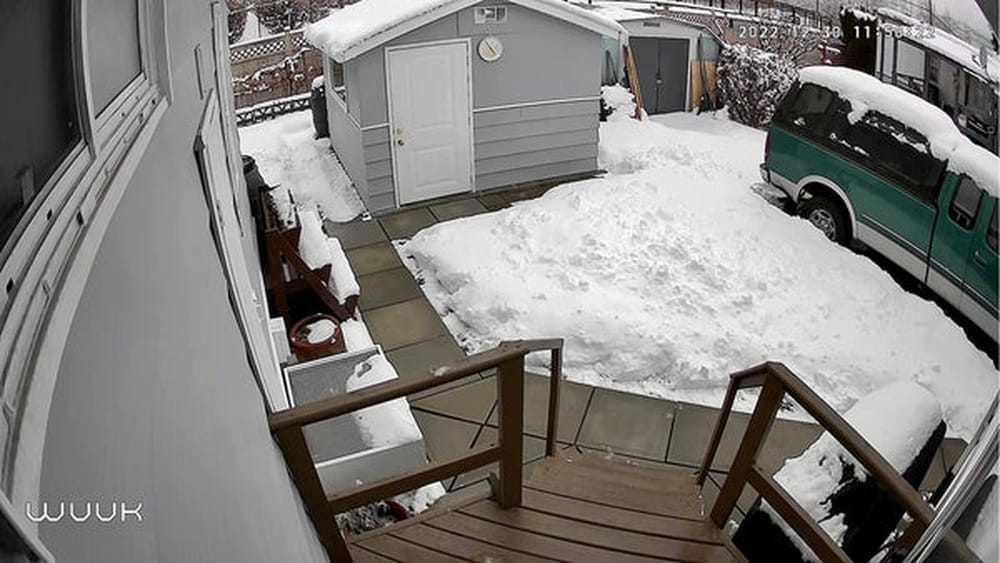
If you live in a place with cold winters, you may wonder if solar powered cameras are reliable when temperatures drop and days get shorter. Many people want to protect their homes, farms, or businesses year-round, but they’re unsure whether solar technology works well in winter. Are snow and cloudy skies a big problem? Can solar batteries keep your camera running all night? This article explains how solar cameras perform in winter, the challenges they face, and how to make them work effectively—even when the weather is harsh. You’ll get clear answers, practical tips, and some surprising facts that most beginners miss.
How Solar Powered Cameras Work
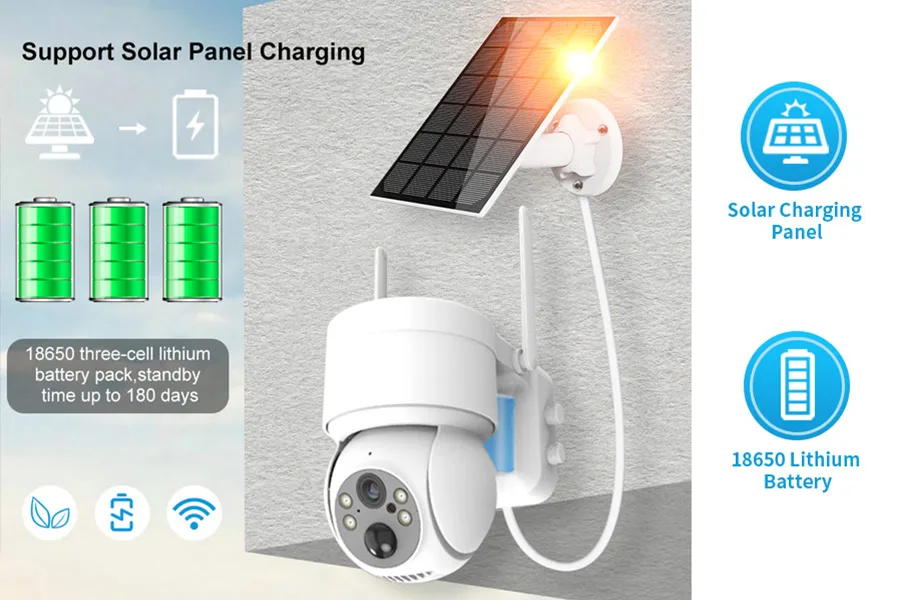
Solar cameras use a solar panel to turn sunlight into electricity. This electricity powers the camera and charges a battery. The battery stores extra energy for nighttime or cloudy days. Here’s how the system works:
- Solar panel collects sunlight during the day.
- It converts sunlight into electrical energy.
- The energy charges a rechargeable battery.
- The camera uses the battery to run day and night.
Most solar cameras are wireless, which means they don’t need cables for power. This makes them easy to install anywhere—on a fence, barn, or even a tree.
The Importance Of The Battery
The battery is a key part of a solar camera. When there’s not much sunlight—like during winter—the battery keeps the camera working. A good battery can last several days with little sun. Some cameras have large batteries for longer backup, while others may only last overnight.
Types Of Solar Cameras
There are many types of solar powered cameras:
- Outdoor security cameras for homes or businesses.
- Wildlife trail cameras for tracking animals.
- Remote monitoring cameras for farms, construction sites, or cabins.
Most use similar technology, but their battery size, panel size, and features can vary.
Winter Challenges For Solar Powered Cameras
Winter brings several challenges for solar devices:
- Shorter days: Less sunlight means less time to charge the battery.
- Weak sunlight: The sun sits lower in the sky, so panels receive less energy.
- Cold temperatures: Batteries work less efficiently in the cold.
- Snow and ice: Can cover panels and block sunlight.
- Cloudy weather: Reduces the amount of sunlight.
Let’s look at these in more detail.
How Daylight Hours Affect Charging
In winter, days are shorter. For example, in New York City, the sun is out for about 9 hours in December, but almost 15 hours in June. Less daylight means less time for the panel to collect energy.
Weak Sunlight And Low Angles
The sun is lower in the sky during winter. This means sunlight hits panels at a shallow angle, making them less efficient. Solar panels produce less power than in summer, even on sunny days.
The Cold’s Effect On Batteries
Cold temperatures slow down chemical reactions in batteries. Most solar cameras use lithium-ion batteries, which lose capacity in cold weather. At 32°F (0°C), they can lose 20-30% of their power compared to warmer temperatures.
Snow, Ice, And Dirt
Snow or ice can cover the solar panel, blocking sunlight completely. Even a thin layer of frost or dirt can reduce charging. If your panel is dirty or covered, your camera may stop working.
Cloudy Days
Clouds block sunlight, so panels produce less power. On a very cloudy day, a solar panel may only generate 10-25% of its usual output.

Credit: www.amazon.sa
Do Solar Powered Cameras Actually Work In Winter?
The simple answer: Yes, solar powered cameras can work in winter, but their performance depends on several factors.
Factors That Affect Winter Performance
- Size of the solar panel: Bigger panels collect more sunlight.
- Battery capacity: Larger batteries last longer during low sunlight.
- Camera power usage: Cameras with low power needs work better in winter.
- Location and angle of the panel: Panels facing south and tilted properly get more sunlight.
- Weather conditions: Frequent snow, ice, or clouds reduce performance.
Some cameras are designed for harsh winters. They have bigger panels, strong batteries, and features like low-power standby modes. Others may struggle if conditions are extreme.
Real-world Data
A study from the National Renewable Energy Laboratory found that solar panels in the US Northeast produce about 40–60% of their annual power during winter months. That’s less than summer, but usually enough for low-power devices like cameras—if the battery and panel are sized correctly.
Example: Solar Cameras In Minnesota Winters
Minnesota is known for cold, snowy winters. Many farms use solar security cameras. Users report that cameras with a 10-watt panel and 10,000 mAh battery can run for 5–7 days without sunlight. Panels need to be cleaned after snowstorms, but the cameras still work most days.
Improving Solar Camera Performance In Winter
If you want your solar powered camera to work well during winter, follow these tips:
Choose The Right Camera
Pick a camera designed for cold climates. Look for:
- Large solar panel (10–20 watts or more)
- High-capacity battery (8,000–20,000 mAh)
- Low power usage (standby mode or motion detection)
Install Panels Properly
- Face panels south in the US for maximum sunlight.
- Tilt panels at a steep angle (40–60 degrees) to catch low winter sun and help snow slide off.
- Mount panels where they won’t be shaded by trees or buildings.
Keep Panels Clean
After snowfall, brush off snow and ice. Clean panels regularly to remove dirt and dust.
Monitor Battery Health
Check battery levels often. If your camera stops working at night, the battery may be too small or old.
Use Energy-saving Settings
Set your camera to record only when it detects motion. Lower video quality if possible. Turn off unnecessary features.
Consider External Battery Packs
Some cameras allow extra batteries. This can double or triple backup time during cloudy weeks.
Practical Insight: Panel Size Matters More Than Most Think
Many beginners choose small panels to save money. But in winter, a small panel often cannot keep up. A 5-watt panel may work in summer, but in winter, a 10–20 watt panel is much more reliable. Don’t underestimate this—panel size is the most important factor for winter use.
Practical Insight: Battery Chemistry
Some batteries are better in cold than others. Lithium iron phosphate (LiFePO4) batteries work better in freezing temperatures than standard lithium-ion. If you live in a place with very cold winters, ask about battery type before buying.
Comparing Solar Camera Performance: Summer Vs Winter
To show the difference, here’s a comparison table of solar camera performance in summer and winter:
| Factor | Summer | Winter |
|---|---|---|
| Daylight hours | 14–16 hours | 7–10 hours |
| Solar panel output | 100% | 40–60% |
| Battery efficiency | 100% | 70–80% |
| Risk of snow/ice | Low | High |
| Camera uptime | Continuous | Depends on panel/battery |
As you can see, winter brings several challenges. But with the right setup, cameras can still operate reliably.
Best Locations For Winter Solar Camera Installation
Where you install your camera and panel matters a lot. Here’s what to consider:
South-facing Panels
In the US, the sun is always in the southern sky. Panels facing south get the most sunlight, especially in winter.
Steep Tilt Angle
Tilting the panel at 40–60 degrees helps catch low winter sun and allows snow to slide off.
Avoid Shaded Areas
Don’t install panels under trees or near buildings that block sunlight.
Easy Access For Cleaning
Place panels where you can reach them to brush off snow or dirt.
Credit: bokysee.com
Examples Of Successful Winter Solar Camera Setups
Let’s look at some real-life examples:
Farm Security In Vermont
A farmer in Vermont uses solar cameras to watch his barn and fields. He installed 15-watt panels tilted at 50 degrees, facing south. After heavy snowfall, he cleans panels once a week. The cameras run all winter—even with frequent cloudy days.
Wildlife Monitoring In Alaska
A wildlife researcher in Alaska uses solar trail cameras. She installs them on trees facing clearings with no shade. Panels are tilted steeply. She uses cameras with LiFePO4 batteries, which work better in the cold. Her cameras operate through the winter, but she checks them monthly to clear snow.
Construction Site In Colorado
A construction manager uses solar cameras to watch equipment. He installs panels on poles, facing south and tilted at 45 degrees. Cameras have motion detection to save battery power. Even during snowstorms, the cameras work, but he needs to clear the panels after big storms.
Choosing The Right Solar Camera For Winter
If you plan to use a solar camera in winter, look for these features:
- Large solar panel (10–20 watts minimum)
- High-capacity battery (8,000–20,000 mAh)
- Low power usage (motion detection, standby mode)
- Weatherproof design (IP65 or higher)
- Cold-resistant battery (LiFePO4 or similar)
Here’s a comparison table of two typical solar cameras:
| Feature | Camera A | Camera B |
|---|---|---|
| Solar panel size | 5 watts | 15 watts |
| Battery capacity | 5,000 mAh | 12,000 mAh |
| Battery type | Lithium-ion | LiFePO4 |
| Weatherproof rating | IP65 | IP67 |
| Motion detection | Yes | Yes |
| Winter reliability | Moderate | High |
Camera B is better for winter due to its larger panel, bigger battery, and cold-resistant battery chemistry.
Common Mistakes When Using Solar Cameras In Winter
Many beginners make mistakes that reduce camera performance. Here are the most common:
- Using small panels: These don’t collect enough sunlight in winter.
- Installing flat panels: Snow doesn’t slide off, and panels get less sunlight.
- Mounting panels in shade: Even one hour of shade can make a big difference.
- Ignoring battery health: Old or small batteries may not last through the night.
- Not cleaning panels: Dirt or snow blocks sunlight and stops charging.
- Setting cameras to record all the time: This drains the battery quickly.
Avoid these mistakes for better winter performance.
How To Estimate Solar Camera Runtime In Winter
Here’s a simple way to estimate how long your camera will run in winter:
- Find panel output in winter: Most panels produce 40–60% of their rated power in winter.
- Check battery capacity: For example, 10,000 mAh = 10 amp-hours.
- Estimate camera usage: If your camera uses 500 mAh per day, a 10,000 mAh battery lasts 20 days—if fully charged.
- Factor in cloudy days: If you have 3–5 cloudy days in a row, battery backup is important.
Example Calculation
- Panel: 15 watts (produces about 6 watts in winter)
- Battery: 12,000 mAh
- Camera: Uses 600 mAh/day
- Winter sunlight: 6 hours/day
Panel collects 6 watts x 6 hours = 36 watt-hours/day. If the camera uses 4. 8 watt-hours/day (600 mAh x 8V), you have enough power—plus extra for cloudy days.
Credit: soliom.net
Solar Camera Maintenance Tips For Winter
Good maintenance helps cameras work better in cold months:
- Check panels weekly for snow, ice, or dirt.
- Clean panels gently with a soft brush—don’t scratch the surface.
- Inspect batteries for swelling or damage.
- Update camera firmware if possible; some updates improve battery efficiency.
- Test camera regularly to make sure it records and uploads footage.
What If Solar Cameras Stop Working In Winter?
If your camera stops working:
- Check the panel for snow or dirt.
- Check the battery—it may be drained or damaged.
- Check the camera settings—lower power mode may help.
- Move the panel to a sunnier spot if possible.
- Add an external battery if your model allows.
Some places have very little sunlight in winter, like northern Alaska. In these cases, even the best solar cameras may need backup power or a larger panel.
Are Solar Cameras Worth It For Winter Use?
Solar cameras can be a good choice for winter use if you plan carefully:
- Remote locations: They work where there’s no electricity.
- Easy installation: No wiring needed.
- Low maintenance: Only need occasional cleaning.
But you must choose the right model, install it properly, and keep it clean. Solar cameras are not always “set and forget”—especially in harsh winter climates.
Comparing Solar Vs Wired Cameras In Winter
How do solar cameras compare to wired cameras in winter? Here’s a simple comparison:
| Feature | Solar Camera | Wired Camera |
|---|---|---|
| Power source | Sunlight & battery | Electric grid |
| Installation | Easy, wireless | Requires wiring |
| Works in remote areas | Yes | No |
| Winter reliability | Depends on sunlight & battery | High, if power is stable |
| Maintenance | Must clean panel | Minimal |
| Cost | Lower long-term | Higher initial cost |
Solar cameras are best for places without electricity, or where wiring is expensive. Wired cameras are more reliable in cities or towns with stable power.
What Experts Say About Solar Cameras In Winter
Solar experts recommend the following for winter use:
- Use oversized panels—20–50% bigger than needed for summer.
- Install panels at a steep angle.
- Clean panels regularly.
- Choose cameras with motion detection.
- Use LiFePO4 batteries if possible.
According to the National Renewable Energy Laboratory, solar panels still work in winter, but owners must plan for lower sunlight and keep panels clean. You can read more at NREL: Solar Research.
Frequently Asked Questions
Do Solar Cameras Stop Working Completely During Winter?
No, most solar powered cameras keep working in winter if you use a large panel and good battery. Performance drops during cloudy days, but cameras with backup can run for several days without sunlight.
How Often Should I Clean My Solar Panel In Winter?
Clean your panel after every snowfall and check at least once a week for dirt, ice, or leaves. Keeping the panel clear is key for winter operation.
Can I Use A Solar Camera In Alaska Or Northern Canada?
Yes, but you need a large panel, high-capacity battery, and regular cleaning. In places with very little winter sunlight, add extra batteries or use a hybrid system with backup power.
What Is The Best Battery For Solar Cameras In Cold Weather?
LiFePO4 batteries work better than standard lithium-ion in freezing temperatures. They hold charge longer and don’t lose capacity as quickly.
How Can I Make My Solar Camera Last Longer In Winter?
Use a bigger panel, tilt it steeply, set your camera to motion detection, and clean the panel often. Consider adding an extra battery for backup.
Solar powered cameras are a smart choice for many homes and businesses, even in winter. With the right setup and regular maintenance, you can keep your property secure all year round—no matter how cold it gets outside. Planning ahead is the key to reliable winter performance.