
Solar powered security cameras are becoming more common in homes and businesses around the world. With the rising costs of electricity and the desire for easy installation, many people wonder: Do solar powered security cameras work as well as traditional, wired models? There’s a lot of marketing noise in the smart home space, but real answers matter—especially when safety is at stake. This article breaks down how these cameras function, their real-world reliability, and what you can expect from them. Whether you’re a homeowner, a renter, or running a small business, you’ll learn if solar powered security is the right choice for you.
How Do Solar Powered Security Cameras Work?
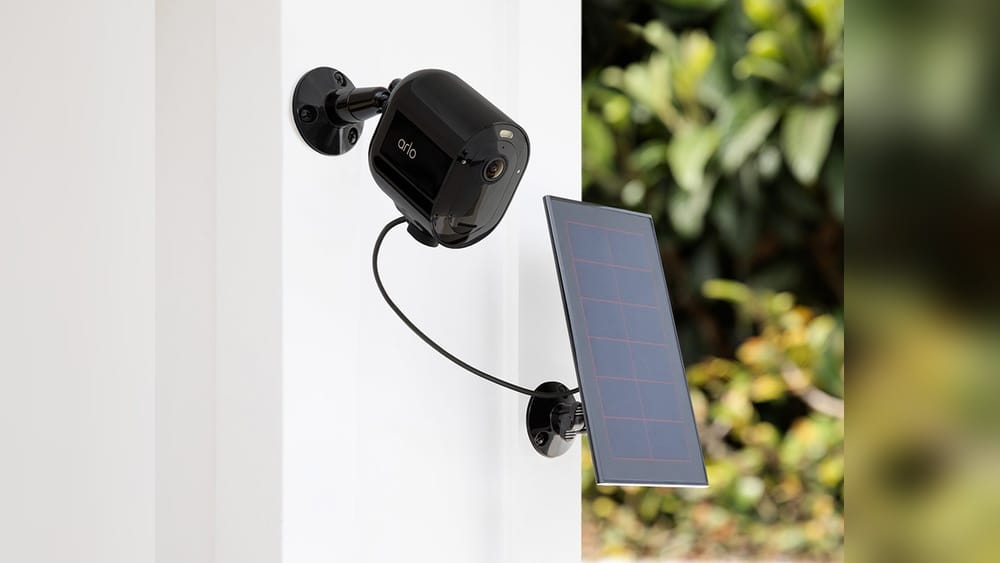
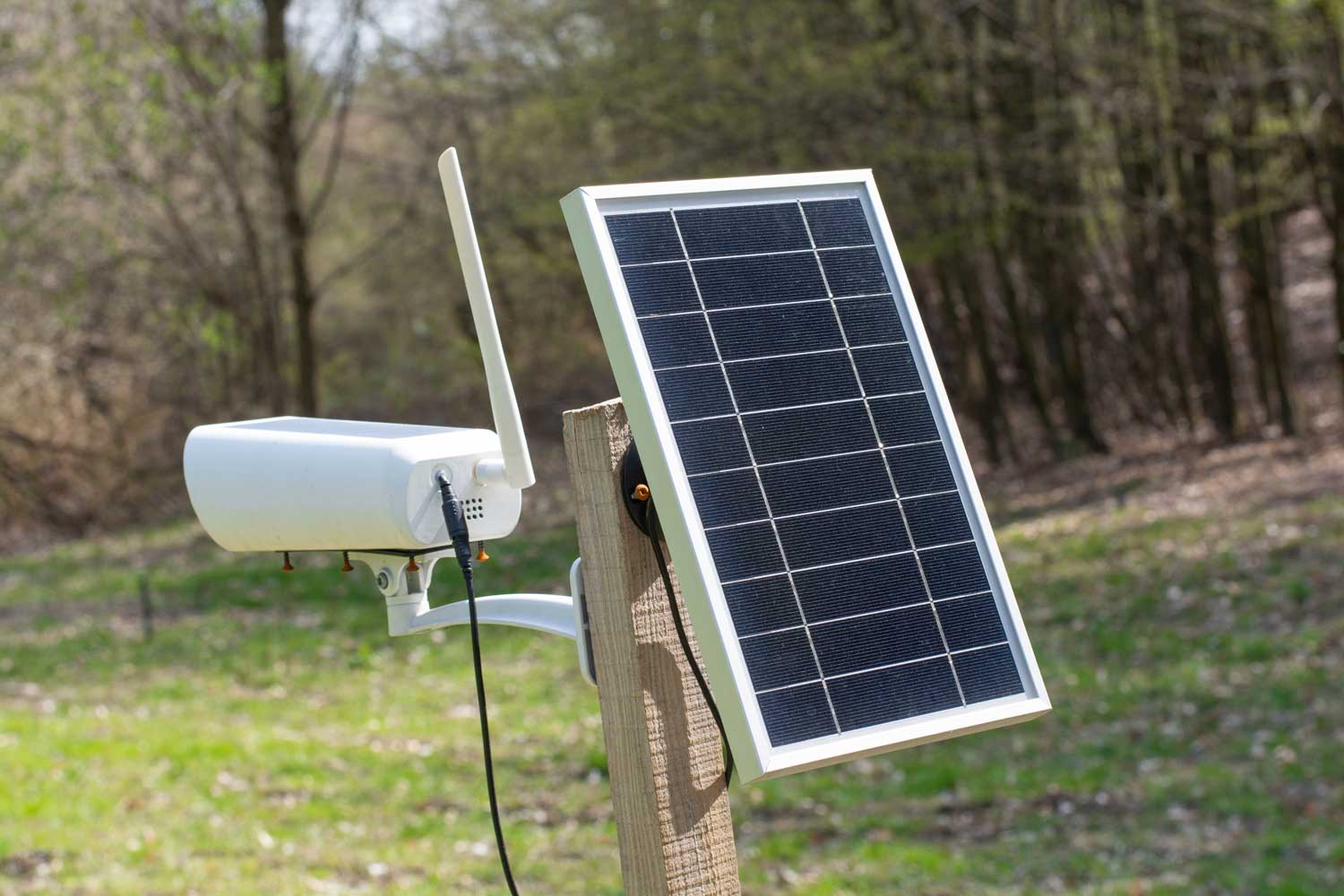
Solar powered security cameras have two main parts: a camera and a solar panel. The solar panel collects sunlight and turns it into electricity. This power is then used to run the camera and charge an internal battery. The battery stores energy so the camera can work at night or during cloudy weather.
Most solar cameras use wireless technology. They connect to your Wi-Fi network or sometimes use 4G/5G cellular data. This means they don’t need power cables or data wires. Many models also have built-in storage (SD cards) or send video clips to the cloud.
Here’s a simple flow:
- Sunlight hits the solar panel.
- The solar panel creates electricity.
- The battery stores extra energy.
- The camera uses this energy to record and send video.
Key Insight: The size and quality of the solar panel, plus the size of the battery, affect how well the system works—especially during bad weather or at night.
Types Of Solar Powered Security Cameras
Not all solar security cameras are the same. There are three main types you’ll find today:
- Standalone solar cameras: These have a built-in solar panel and battery. They’re easy to place anywhere with sunlight.
- Solar panel add-ons: Some popular cameras (like Ring or Arlo) let you buy a separate solar panel kit. You connect the panel to the camera to keep it charged.
- Cellular solar cameras: These use mobile data instead of Wi-Fi. They’re great for remote areas like farms or construction sites.
Key Features To Compare
When choosing a solar camera, look at these features:
- Battery capacity (measured in mAh)
- Panel wattage (higher wattage = more power)
- Night vision quality
- Motion detection accuracy
- Video resolution (1080p is standard; some offer 2K or 4K)
- Weatherproof rating (look for IP65 or better)
Pros Of Solar Powered Security Cameras
Solar powered security cameras offer several important benefits over wired models.
- Easy installation: No need for electrical outlets or long cables. Place them anywhere with sunlight.
- Lower running costs: Sunlight is free. You don’t pay extra on your energy bill.
- Eco-friendly: Using solar power means less impact on the environment.
- Works during power outages: The battery keeps recording, even if your main electricity fails.
- Flexible placement: Great for sheds, garages, parking lots, or remote gates where wiring is difficult.
- Scalable: Add more cameras without worrying about home wiring or extra circuits.
Non-obvious insight: Many people overlook that solar cameras are also less affected by power surges and storms, which can damage wired systems.
Cons And Limitations
Solar cameras are not perfect for every situation. Here are some of their common drawbacks:
- Dependence on sunlight: If you have long winters, many rainy days, or install the panel in the shade, the battery may not stay charged.
- Limited battery storage: Most models run for 1–3 days without sun. After that, they stop recording.
- Lower video quality on some models: Budget cameras may have poorer image sensors or slow video.
- Possible lag: Some wireless models have a delay when sending video, especially on weak Wi-Fi or cellular connections.
- Maintenance: You must clean the solar panel regularly. Dirt or snow can block sunlight.
- Theft risk: Some solar panels are easy to remove or steal if not secured.
Non-obvious insight: Cold weather can reduce battery life, even if the solar panel is getting enough light. Batteries lose efficiency below 32°F (0°C).
Credit: pro-vigil.com
How Reliable Are Solar Powered Security Cameras?
Reliability depends on three main factors: sunlight, battery, and camera quality.
Sunlight
Solar cameras need at least 2–4 hours of direct sunlight each day to work well. If you live in a place with many cloudy days, you’ll need a bigger panel or more battery storage.
Battery
A bigger battery means the camera will work longer during dark periods. For example, a 10,000 mAh battery might power a camera for 3–5 days without sun, while a smaller 4,000 mAh battery may last only one day.
Camera Quality
High-quality cameras use energy more efficiently. Better image sensors and smart motion detection mean less wasted battery. Cheap cameras often use more power than necessary.
Here’s a comparison of typical battery life for different solar camera setups:
| Camera Type | Battery Size (mAh) | Average Sunlight Needed | Backup (No Sun) |
|---|---|---|---|
| Budget Model | 4,000 | 4-6 hrs | 1 day |
| Mid-Range Model | 10,000 | 2-4 hrs | 3 days |
| High-End Model | 20,000+ | 1-2 hrs | 5+ days |
Tip: Always check your property’s sunlight exposure before buying. Place the panel facing south (in the US) and avoid any shade from trees or buildings.
Performance In Different Climates
Sunny Climates
In areas like California, Texas, or Florida, solar cameras work very well. There’s usually enough sunlight to keep batteries charged every day. These cameras can run year-round with minimal problems.
Cloudy Or Rainy Climates
In places like the Pacific Northwest, UK, or Northern Europe, solar cameras may struggle in winter. Short daylight hours and frequent rain mean less energy for the battery. To solve this, choose a camera with a large battery and the biggest solar panel you can install.
Cold Or Snowy Climates
Cold weather reduces battery efficiency. Even with sunlight, the battery may not hold as much charge. Snow covering the panel also blocks sunlight. Some high-end cameras include “low temperature” batteries, but many do not.
Here’s how climate affects solar cameras:
| Climate | Sunlight Availability | Expected Camera Uptime | Extra Maintenance Needed? |
|---|---|---|---|
| Sunny (e.g., Arizona) | High | 24/7 year-round | Rarely |
| Cloudy (e.g., Seattle) | Medium/Low | Possible winter downtime | Panel cleaning, bigger battery |
| Cold/Snowy (e.g., Minnesota) | Low (winter) | Frequent downtime | Snow removal, low-temp battery |
Insider tip: In tough climates, consider a hybrid system—solar with battery backup and the option to plug into power if needed.
Comparing Solar Security Cameras Vs Wired And Battery-only Cameras
You might wonder, how do solar cameras compare to other common types? Here’s a quick breakdown:
Solar Vs Wired
- Installation: Solar is easier. No electrician needed.
- Cost: Wired systems need cables, power, and maybe a professional installer.
- Reliability: Wired systems are not affected by weather or sunlight, but fail during power outages unless they have backup.
- Maintenance: Solar needs panel cleaning. Wired systems need less outdoor upkeep.
Solar Vs Battery-only
- Long-Term Use: Solar keeps charging itself. Battery-only cameras must be recharged every few weeks or months.
- Placement: Both are flexible, but solar needs sunlight. Battery-only can go indoors or in shade.
- Cost: Solar systems are usually more expensive up front.
Here’s a simple comparison:
| Feature | Solar Camera | Wired Camera | Battery-Only Camera |
|---|---|---|---|
| Installation | Easy | Hard | Easy |
| Power Backup | Yes (Battery) | No (unless UPS) | Yes (Battery) |
| Best Location | Outdoor, sunny spots | Anywhere with wiring | Indoor/Outdoor |
| Maintenance | Panel cleaning | Low | Frequent charging |
Pro tip: If you hate climbing ladders to recharge batteries, solar cameras save you time—just remember to clean the panel.
Common Problems And How To Avoid Them
Solar camera owners sometimes face these issues. Here’s how to prevent or solve them:
- Panel placement mistakes: If the panel is in the shade, your camera won’t charge. Always install panels in the sunniest spot, with no obstructions.
- Dirty panels: Dust, bird droppings, or leaves cut power by up to 40%. Clean your panel every few months.
- Wrong camera for climate: If you live in cold or cloudy areas, don’t choose a tiny battery or weak panel. Pay a bit more for a model rated for low light and cold.
- Wi-Fi out of range: Solar cameras still need a Wi-Fi or cellular signal. Test your signal before mounting.
- Not securing the panel: Thieves can steal solar panels. Use security screws or mount high up.
Extra insight: Many people ignore the camera’s firmware. Update your camera’s software regularly for better performance and security.

Credit: www.amazon.com
What To Look For When Buying
Choosing the right solar powered security camera can be overwhelming. Focus on these key factors to avoid common mistakes:
- Battery size: Look for at least 10,000 mAh for outdoor use, especially in areas with bad weather.
- Panel wattage: Higher wattage (5W or more) means faster charging. Some cameras come with 2W panels—these may not be enough in winter.
- Weatherproof rating: At least IP65, so the camera can survive rain, dust, and snow.
- Night vision: Check if it has infrared LEDs or color night vision.
- Resolution: 1080p is the minimum. 2K or 4K gives clearer faces and details.
- Storage options: Cloud storage is useful, but may have monthly fees. SD cards are a good backup.
- App quality: Read reviews on the mobile app. Good apps send clear alerts and are easy to use.
- Warranty and support: Look for at least a 1-year warranty and responsive customer support.
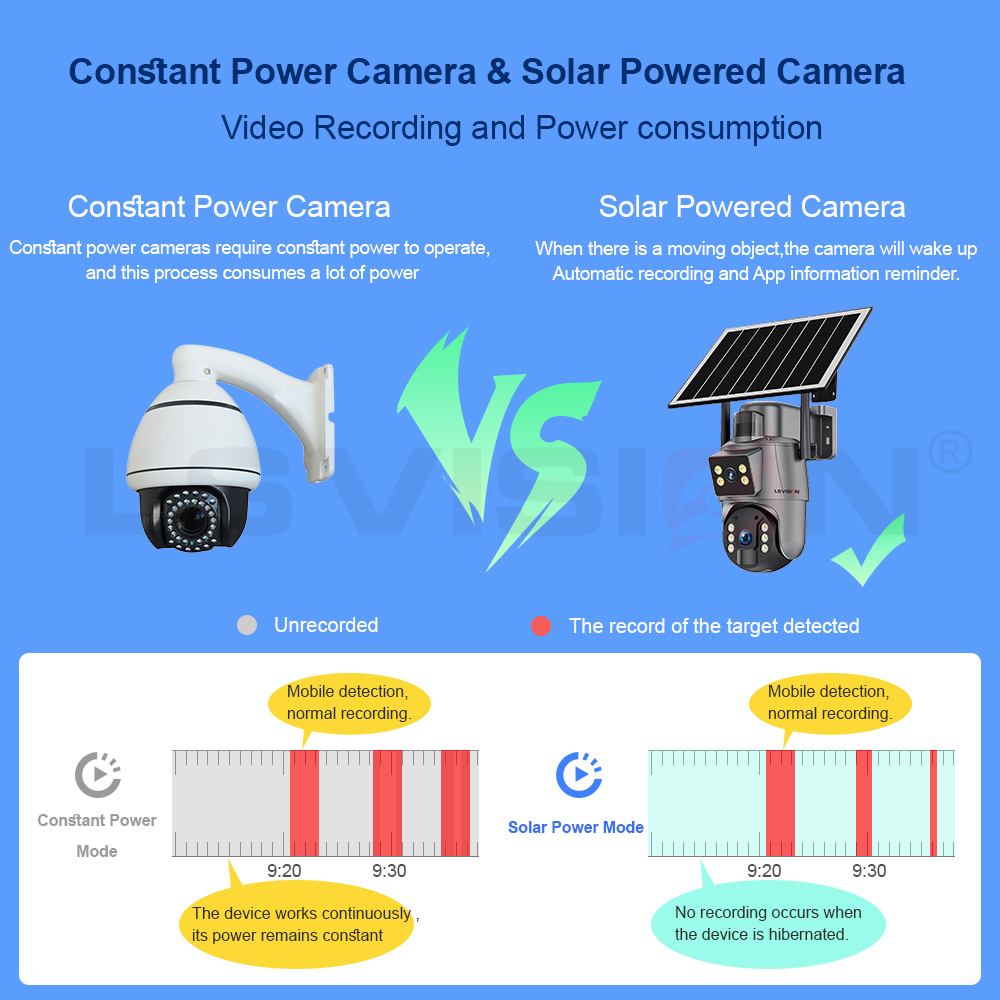
Non-obvious tip: Some cameras “sleep” to save battery and only wake up with motion. If you want 24/7 recording, make sure your model supports it—and check if the battery and panel are big enough.
Real-world Examples And Case Studies
Homeowner In California
A homeowner installed three solar security cameras around his property. All faced south and got at least 6 hours of sun daily. The cameras worked year-round, with no outages, and never needed the batteries swapped. He only cleaned the panels twice a year.
Small Farm In Ohio
A farmer set up solar cameras with cellular data at a remote gate and barn. In summer, the cameras worked perfectly. In winter, snow sometimes covered the panels, causing the cameras to shut down after 2–3 days. The farmer solved this by adding larger panels and checking them weekly.
Construction Site In Canada
A company used solar cameras to watch a job site. They bought weatherproof models with 20,000 mAh batteries and 10W panels. Even during short winter days, the cameras recorded motion events and sent video clips. The main issue was keeping snow off the panels.
Key lesson: Solar cameras are reliable when installed with the right panel size and battery for the local climate.
Are Solar Powered Security Cameras Right For You?
Consider solar cameras if:
- You don’t have easy access to electrical outlets outdoors.
- You want flexible placement (sheds, gates, driveways).
- You want a “set and forget” system, with little battery swapping.
- You live in an area with good sunlight most of the year.
They may not be the best if:
- Your property is always shaded by trees or tall buildings.
- You need full 24/7 recording in a dark, cold climate.
- You want super high-resolution video or advanced features (like pan/tilt/zoom) that use a lot of power.
Extra advice: If you’re unsure, start with one camera and test it for a few weeks before buying a whole system.
Solar Security Camera Brands And Popular Models
Some well-known brands in this market include:
- Reolink: Offers several solar models with up to 4K video and good app support.
- Arlo: Sells solar panel kits for their wireless cameras.
- Ring: Has solar panel add-ons for their Stick Up and Spotlight Cams.
- Eufy: Known for long battery life and affordable solar kits.
- Vosker: Specializes in cellular solar cameras for remote sites.
Always check if the camera and panel are compatible, especially if you mix brands.
For more details on how solar panels generate electricity, check the Wikipedia entry on solar cells.
Credit: www.lsvisionsolar.com
Frequently Asked Questions
How Long Do Solar Powered Security Cameras Last At Night Or Without Sunlight?
Most solar cameras use a battery that stores energy during the day. On a full charge, cameras can work for 1 to 5 days without sunlight, depending on battery size and how often they record. If you get several cloudy days, a camera with a bigger battery will last longer.
Do Solar Powered Cameras Need Wi-fi To Work?
Many solar cameras use Wi-Fi to send video to your phone or cloud storage. Some models use a 4G/5G cellular connection for remote areas. If you only want local storage (like on an SD card), Wi-Fi is not always needed, but you won’t get alerts or remote viewing.
Can Solar Security Cameras Work Indoors?
Solar cameras are designed for outdoor use because they need sunlight for the panel. Indoors, most windows block some sunlight, so charging is slow or unreliable. For inside use, battery-only or plug-in cameras are better choices.
Are Solar Powered Cameras As Secure As Wired Cameras?
Solar cameras can be just as secure as wired ones if you use strong passwords, keep software updated, and secure your Wi-Fi. The main risks are battery running out or someone stealing the camera or panel. Wired cameras can run longer but stop working if there’s a power outage.
What Happens On Very Cloudy Or Snowy Days?
On cloudy days, the solar panel produces less energy, so the camera uses stored battery power. If the battery runs out, the camera stops recording until there’s enough sunlight again. In snowy climates, you may need to clean snow off the panel to keep it working.
Final Thoughts
Solar powered security cameras are a smart choice for many people—especially if you need a camera in a spot without easy access to power. They offer simple installation, low running costs, and work well in sunny climates. However, they’re not perfect for every situation.
If you live in an area with little sunlight or harsh winters, you may need a bigger panel and battery, or consider a hybrid setup. With the right planning and installation, solar cameras can provide reliable, eco-friendly security for years to come.