
Traveling with a disposable camera brings a unique excitement. You’re not just capturing moments—you’re also trusting film, light, and chemistry. But the airport journey can raise real questions: Can disposable cameras safely travel through airport security? Will the scanners damage your photos? Many travelers worry their memories might be erased before they even land.
Let’s explore how airport security works with disposable cameras, what travelers should expect, and how to protect your film from harm. This guide covers everything you need—from the science behind X-ray machines to practical advice for both beginners and frequent flyers.
Understanding Airport Security And X-ray Scanners
Most airports use X-ray machines to check luggage and items for safety threats. These machines are found at security checkpoints, both for carry-on bags and checked luggage. The X-ray scanner takes images by sending low-dose radiation through your bags. Security staff look for dangerous objects, not for your personal items like cameras.
There are two main areas where disposable cameras face scanners:
- Carry-on screening: Happens at the security checkpoint before you enter the terminal.
- Checked baggage screening: Occurs behind the scenes after you hand over your luggage.
How X-ray Machines Affect Film
Film in disposable cameras is sensitive to light and radiation. X-rays can cause fogging, which means the film looks cloudy, faded, or has streaks. This is especially true for high-speed film (ISO 800 or above), but even ISO 400 film can suffer after repeated scans.
Fogging does not always ruin pictures completely, but it can lower quality and destroy details. The risk grows with each scan. One scan may not do much, but multiple exposures can add up. A single scan is often not noticeable, but after two or three, you may start to see loss of sharpness, muted colors, or mysterious spots in your prints.
Film is not instantly destroyed by X-rays, but the damage is cumulative. This means every scan adds a little more risk. The science behind this is simple: X-rays disrupt the silver halide crystals in film, making them less able to capture light correctly. Most film makers test their products with airport scanners, and their data shows that even a low-dose scan can sometimes cause minor changes, especially if the film is old or already exposed.
Why Disposable Cameras Are At Risk
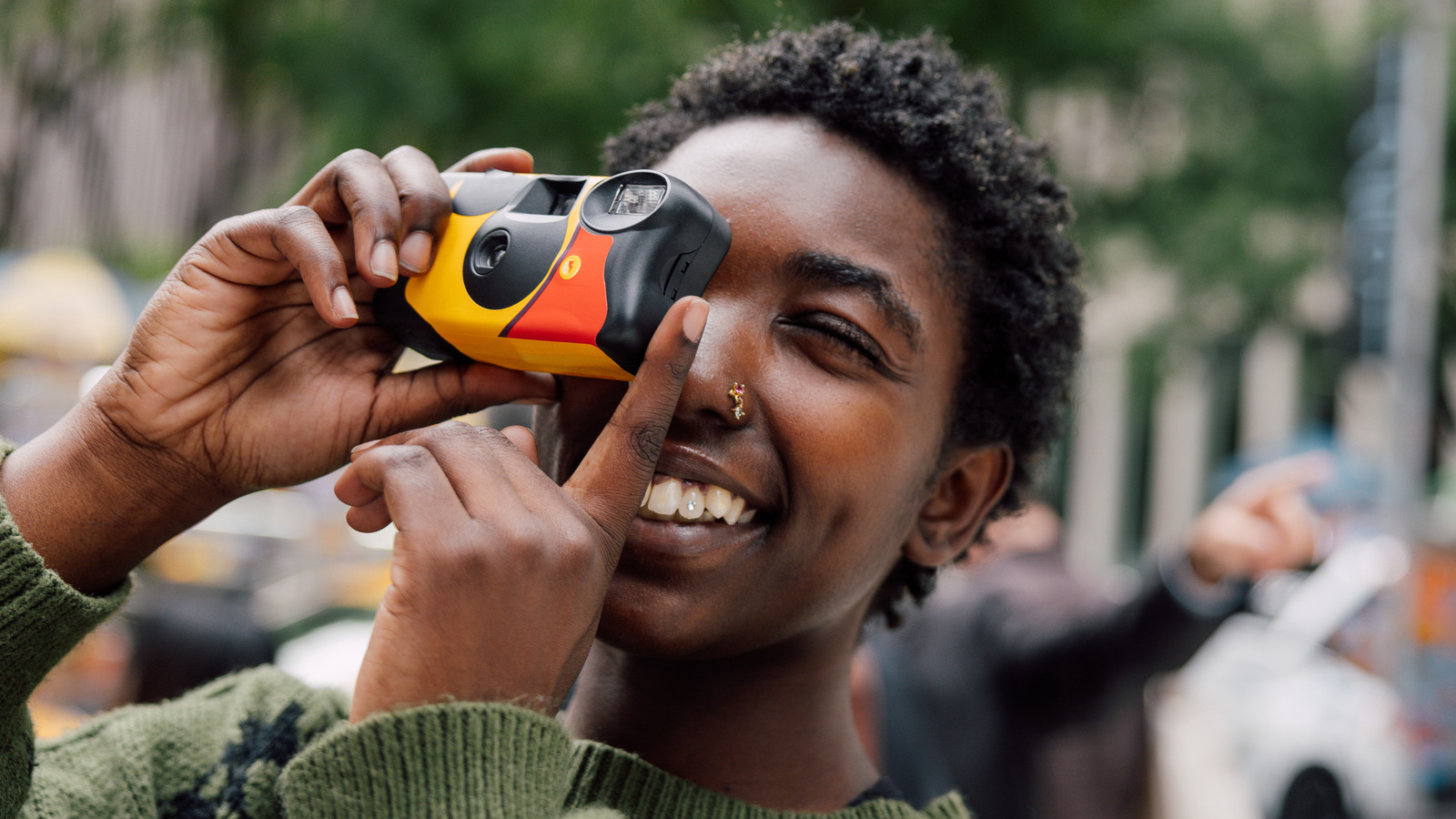
Disposable cameras are sealed, so you can’t easily remove the film to protect it. They often contain ISO 400 film, which is common for everyday snapshots. This film is more vulnerable than professional low-speed film.
Also, travelers rarely know how many scanners their bags will pass through. Some airports scan checked bags several times, and international travel can mean extra scans. With disposable cameras, you can’t rewind the film or store it separately. If you travel through airports with strict security, your camera may face scanners at both arrival and departure.
Some frequent travelers have noticed that the more flights and layovers they have, the higher the risk for film damage.
Another factor is storage time. If your camera stays in your bag for weeks or months before developing, the effects of X-rays can combine with temperature changes and humidity, making damage worse. This is why photographers recommend developing film soon after your trip.
Types Of Film Used In Disposable Cameras
Most disposable cameras contain color negative film with ISO 400 speed. This film is a balance between sensitivity and image quality. Here’s a quick comparison of common film types found in disposables:
| Film Type | ISO Speed | Effect of X-ray | Typical Use |
|---|---|---|---|
| Color Negative | 400 | Moderate risk | General photography |
| Black & White | 400 | Moderate risk | Artistic shots |
| Color Negative | 800 | High risk | Low-light, action |
| Color Negative | 200 | Lower risk | Daylight, landscapes |
Most travelers won’t know the exact film type, but knowing your ISO helps you plan. If you buy a disposable camera, check the packaging for ISO info. Some brands print the ISO right on the camera or its box, but others may use codes or color markings.
Film speed affects how much light is needed for good photos. Higher ISO means better photos in low light, but also more risk from X-rays. Black & white film, sometimes found in specialty disposables, is just as sensitive to X-rays as color film.
In rare cases, you may find ISO 1600 film in action or sports disposables. These are very vulnerable and should always be hand-inspected.
If you’re unsure about your camera’s film type, you can look up the model online or ask the store staff. Some disposable cameras are made for specific events, like weddings, and may use different film types. Knowing what’s inside helps you decide how much protection is needed.

Credit: www.culturedkiwi.com
What Happens When Disposable Cameras Go Through Security
When you place your bag on the conveyor belt, the X-ray scanner checks inside. For disposable cameras, the film is inside a plastic case. The scanner’s X-rays reach the film, even if it’s sealed.
Carry-on Vs Checked Bags
You can bring disposable cameras in either carry-on or checked luggage. Each option has advantages and risks.
| Bag Type | X-ray Exposure | Security Handling | Risk Level |
|---|---|---|---|
| Carry-on | Single scan | Visible to you | Lower |
| Checked luggage | Multiple scans | Out of sight | Higher |
Most experts recommend carrying disposable cameras in your hand luggage. You can watch the process and request special handling. In carry-on, you have more control and can explain your needs to staff. Checked bags go through more powerful scanners, sometimes several times, especially during international transfers or layovers.
Some security systems use random extra scans for checked bags, increasing risk without the traveler knowing.
Travelers often don’t realize that checked luggage may be scanned both at departure and arrival. If you fly with connections, your bag can face up to four scans—each one increasing the risk to your film. Carry-on bags usually get scanned only once per flight, and you can see what happens.
Security Staff And Film Awareness
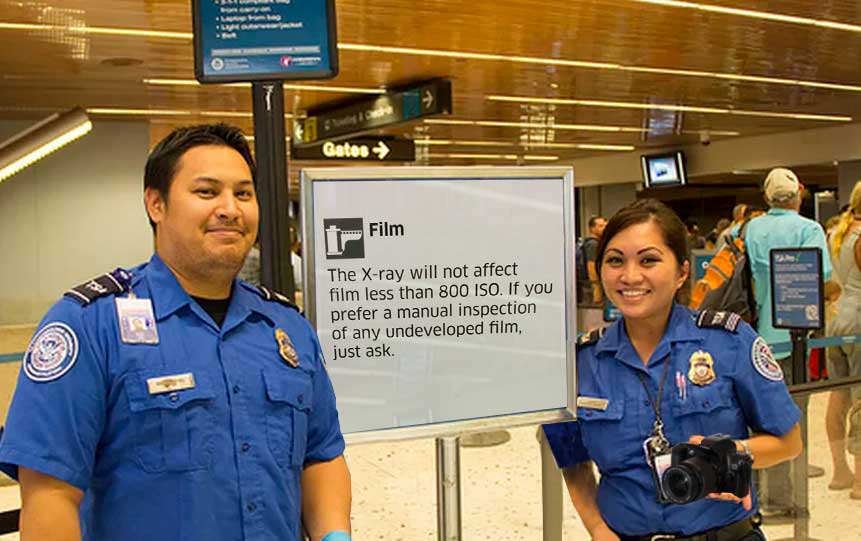
Many security staff know about film sensitivity. If you explain you’re carrying film, staff may offer a hand inspection. This means they check your camera without X-rays. However, this depends on airport rules, staff training, and how busy the checkpoint is.
In some airports, staff are trained to recognize film and other sensitive items. They may use gloves and inspect your camera gently. At smaller airports or during busy hours, staff may be less familiar with film needs. In rare cases, staff may insist on scanning, especially if your camera looks unusual or they can’t identify what’s inside.
If you travel with several disposable cameras, make sure to group them together and present them clearly. This speeds up the process and helps staff understand your request. Sometimes, staff ask you to open the packaging or show the camera’s label.
Be ready for this and keep your camera easy to access.
How To Protect Disposable Cameras At Airports
Taking steps to protect your disposable camera is smart. Here are practical ways to reduce risk and keep your memories safe:
1. Carry Cameras In Hand Luggage
Always keep disposable cameras in your carry-on bag. X-ray machines for hand luggage use lower doses than checked bag scanners, which are stronger and more frequent. This simple action reduces your exposure risk by half or more.
If you carry other film items, like rolls or instant cameras, keep them together in one pouch. This makes it easier to ask for hand inspection and keeps your film safe from temperature changes in checked baggage.
2. Ask For A Hand Inspection
Before placing your bag on the conveyor, politely ask security staff for a hand inspection. Say, “I have film in my camera. Can you check it by hand?” Not all airports allow this, but many do, especially in the US and Europe.
Hand inspections are usually quick. Staff may swab the camera for explosives or visually check it. This avoids X-rays completely. Some travelers worry about delays, but hand inspection rarely takes more than a few minutes. In busy airports, staff may ask you to wait, so allow extra time for security.
If you travel with children or in a group, ask for hand inspection for all cameras at once. This helps staff and speeds up the process.
3. Avoid Multiple Scans
If you have connecting flights, your bags may pass through several X-ray scanners. Try to keep your camera out of checked luggage to avoid extra scans. Each scan adds risk.
If you change airports or go through customs, your carry-on may be scanned again. Always keep your camera easy to access so you can ask for hand inspection each time. Some travelers mark their itinerary and note where scans may happen.
4. Use Protective Film Bags
Some companies sell lead-lined film bags. These bags block some X-rays, but they don’t guarantee full protection. In fact, security may scan the bag more intensely if they can’t see inside.
Film bags are useful for extra peace of mind, but not a total solution. If you use a film bag, mention it to staff and ask for hand inspection. For best results, use the bag for short trips and carry-on only.
5. Label Your Camera
Attach a note or sticker to your disposable camera saying “FILM—DO NOT X-RAY. ” This makes it clear to staff and speeds up communication.
Use large, easy-to-read labels. Some stores sell pre-made stickers for film items. If you travel internationally, write your note in English and the local language if possible.
6. Develop Film Before Traveling
If possible, develop your film before your flight. Traveling with exposed but undeveloped film is riskier, because images are more sensitive to X-rays.
If you finish your camera during your trip, look for local photo labs and develop your film before returning home. This removes all risk and lets you check your photos right away.
If you can’t develop film before traveling, keep your camera cool and dry. Avoid leaving it in direct sun or hot car interiors.
Credit: www.islands.com
Real-life Experiences: What Travelers Report
Many travelers share their stories online. Some say their disposable cameras survived airport security with no problems. Others report ruined photos after several flights.
A few key points stand out:
- One scan rarely destroys film. Most ISO 400 films can handle one or two scans without major damage.
- Multiple scans add risk. Travelers crossing several airports, especially internationally, report more damage.
- Hand inspections help. When available, hand inspections protect film completely.
For example, a traveler who went from New York to Paris with a disposable camera saw no damage after one scan. Another traveler who flew through five airports reported cloudy images and lost details. Some photographers mention that even after a single scan, old or expired film may show light fogging.
Experienced travelers recommend marking your bag or camera, keeping it accessible, and mentioning film to staff early. Families traveling with children often carry several disposables for vacation photos. They report better results when asking for hand inspections at every checkpoint.
A few travelers tried using lead-lined bags but found that security sometimes flagged these bags for extra scanning or manual checks. The safest option remains hand inspection and carry-on.
Scientific Data And Film Manufacturer Advice
Film manufacturers like Kodak and Fujifilm publish warnings about X-ray exposure. They say:
- ISO 800 or higher film is at high risk.
- ISO 400 film can handle a single scan, but repeated scans increase danger.
- Checked baggage scanners are much stronger than carry-on scanners.
Kodak’s official advice: “Do not place unprocessed film in checked baggage. X-rays used to screen checked baggage are more powerful and can damage film quickly.”
According to the Transportation Security Administration (TSA), passengers can request hand inspection for film products, including disposable cameras. The TSA says, “Film should be placed in carry-on baggage and passengers may ask for a physical inspection rather than X-ray screening.”
Manufacturers also recommend storing film in cool, dry places and developing it soon after exposure. They warn that X-ray damage may not show until photos are printed, so always check your prints carefully.
Credit: thedarkroom.com
International Airports And Security Differences
Not all airports use the same X-ray machines. Some countries use stronger scanners, especially for checked bags. Others may have newer machines with less radiation.
| Region | Carry-on Scanner Type | Checked Bag Scanner Type | Hand Inspection Policy |
|---|---|---|---|
| USA | Low-dose | High-dose | Available |
| Europe | Low-dose | High-dose | Available |
| Asia | Variable | Variable | Sometimes |
| Middle East | Low to Medium | Medium to High | Rare |
Travelers should check airport policies before flying. Some airports publish their scanner types online. If you travel through unfamiliar countries, extra caution is wise.
Some airports in Asia use older machines with higher radiation, so hand inspection is very important. In the Middle East, scanners are sometimes set to higher doses for security reasons. Knowing these differences helps you plan your route and protect your film.
If you change airlines, each company may use different scanning systems. Always check with staff and ask about film safety.
Common Mistakes When Traveling With Disposable Cameras
Beginners often make mistakes that can ruin their photos. Here are a few to avoid:
- Putting cameras in checked baggage: This exposes film to multiple, strong X-ray scans.
- Forgetting to ask for hand inspection: If you don’t ask, staff will scan your camera by default.
- Ignoring ISO speed: Higher ISO means higher risk. Know your camera’s film speed.
- Using old or expired film: Older film is more sensitive and can fog easily.
- Leaving cameras in hot or humid areas: Heat and moisture damage film, especially during long flights.
Another mistake is assuming that film bags are always safe. Lead-lined bags help, but they don’t block all X-rays. Sometimes, security staff may scan the bag harder or ask you to open it. If you use a film bag, be ready to explain what’s inside.
Some travelers also forget to check their camera’s expiration date. Disposable cameras can sit on store shelves for months or years. Always buy fresh cameras for best results.
Practical Tips For Safe Travel
Traveling with a disposable camera is easy if you follow these tips:
- Keep your camera with you at all times.
- Ask security staff for a hand inspection, especially in busy airports.
- Avoid checked baggage if possible.
- Use a protective bag, but remember it’s not a guarantee.
- Develop film before travel if you can.
- Mark your camera clearly so staff notice it quickly.
- Take note of how many airports you pass through—more scans mean more risk.
If you travel with several disposable cameras, group them in a pouch or small bag. This makes it easier to ask for hand inspection and keeps your cameras safe from bumps or temperature changes.
When flying internationally, check online for airport security guidelines. Some airports publish their scanner types and hand inspection rules. Being prepared saves time and protects your photos.
If you’re traveling with children, explain the process to them. Let them help at security and teach them about film safety. This makes the trip more fun and builds good habits.
Non-obvious Insights For Disposable Camera Travelers
Many guides focus on basics, but a few advanced insights help protect your photos even more:
- Fresh film survives better. New film is less sensitive to X-rays than old or expired film. Buy disposable cameras close to your trip date.
- Unexposed film is less vulnerable. If your disposable camera is unused, it’s safer. Exposed but undeveloped film is most sensitive.
- Temperature matters. Cold storage can help protect film from fogging. If you can, keep your camera in a cool, dry place during travel.
Another insight: If you travel with multiple cameras, try to use one fully before moving to the next. This way, you develop film soon after exposure and reduce risk. For long trips, consider mailing undeveloped film home using a tracked postal service. This avoids airport scanners completely.
If you’re traveling for a special event, like a wedding or festival, bring extra cameras and store backups in a different bag. This way, if one camera is scanned, your other photos stay safe.
Alternatives: Digital Cameras Vs Disposable Cameras
Some travelers switch to digital cameras to avoid film problems. Digital cameras are not affected by X-rays. Your memory card and battery can go through scanners without harm.
But disposable cameras have their own charm:
- They encourage living in the moment.
- No screen means less distraction.
- You get physical photos to hold and share.
If you value real film photos, disposable cameras are worth the effort. Just plan ahead to protect your images.
Another option is instant cameras, like Polaroid or Fujifilm Instax. These use film but produce prints instantly. Instant film is also vulnerable to X-rays, so treat it like disposable camera film.
Hybrid cameras offer digital backups and film prints. If you want both, consider using a smartphone for backup photos and a disposable camera for special moments.
Airport Security Guidelines: What Official Sources Say
Airport authorities and film companies agree on these guidelines:
- Keep film in carry-on baggage.
- Request hand inspection if possible.
- Avoid checked luggage for film products.
- Check airport policies before flying.
For more information, you can check the official advice from the Transportation Security Administration (TSA).
Frequently Asked Questions
Will Airport X-rays Ruin My Disposable Camera Photos?
Usually, one or two X-ray scans won’t ruin your photos, especially with ISO 400 film. But repeated scans, strong scanners in checked baggage, or high-speed film can cause fogging and loss of detail. For best results, keep your camera in carry-on bags and ask for hand inspection.
Can I Ask Airport Staff Not To X-ray My Disposable Camera?
Yes, in many airports you can ask for a hand inspection. Staff will check your camera without using X-rays. This is common in the US and Europe, but less so in some other regions. Always ask before placing your camera on the conveyor belt.
Is It Safe To Put Disposable Cameras In Checked Luggage?
No. Checked luggage passes through stronger X-ray scanners, often multiple times. This increases the risk of film damage. Always keep disposable cameras in your carry-on bag.
Do Protective Film Bags Work Against X-ray Scanners?
Lead-lined film bags block some X-rays, but they are not perfect. Security staff may scan the bag again or open it for inspection. These bags add some protection, but the safest option is hand inspection.
What If My Disposable Camera Has Already Been Scanned Many Times?
If your camera has passed through several X-ray scanners, your film may show fogging or damage. Develop your film as soon as possible to check for problems. In the future, use hand inspection and carry-on bags to reduce risk.
Traveling with disposable cameras is about capturing memories and trusting the process. Airport security adds a layer of worry, but with a few smart steps, you can protect your photos. Always carry your camera in your hand luggage, ask for hand inspection, and know your film’s ISO speed.
With these tips, you’ll keep your memories safe and enjoy the magic of film photography—even when crossing the globe.