
Solar cameras are changing the way people protect their homes, businesses, and farms. These devices use sunlight to power themselves, making them perfect for places without electricity. If you’re thinking about buying a solar camera, you probably want to know: How long do solar cameras last? The answer isn’t simple, but understanding the details can help you make the best choice and get the most value from your investment.
Most solar cameras promise long life, but real-world performance depends on many factors. The lifespan involves not only the camera itself, but also the solar panel, battery, and other parts. In this guide, you’ll discover how long solar cameras last, what affects their durability, and how you can extend their life.
You’ll also learn about common mistakes, maintenance tips, and expert advice that many beginners overlook. By the end, you’ll be able to make a smart decision and avoid wasting money.
What Is A Solar Camera?
A solar camera is a security camera powered by a solar panel. It captures video footage and often sends it wirelessly to your phone or computer. These cameras are popular in remote locations, construction sites, farms, and anywhere regular power is not available.
Most solar cameras have:
- A solar panel to generate electricity from sunlight
- A rechargeable battery to store energy
- A camera unit (lens, processor, sensors)
- Wireless connectivity (Wi-Fi, 4G/LTE)
Some models also include motion sensors, night vision, two-way audio, and cloud storage. The camera uses solar energy during the day and relies on the battery at night or when sunlight is low.
Average Lifespan Of Solar Cameras
The typical lifespan of a solar camera depends on the quality and environment. Here’s an overview:
- Solar panel: Usually lasts 15–25 years
- Battery: Usually lasts 2–5 years
- Camera unit: Usually lasts 5–10 years
- Mounts and housing: Usually lasts 5–10 years
In real-world conditions, most solar cameras work well for 3–7 years before major parts need replacement. Cheaper models may last 2–3 years. High-quality models can last 7–10 years with proper care.
Example: Solar Panel Vs Battery
The solar panel is the longest-lasting part. Even after 15 years, it usually still works, but may produce less energy. Batteries are the weakest link—they often need to be replaced after 2–5 years. If the battery fails, the camera will not work at night or during cloudy days.
Data Table: Typical Lifespan Of Solar Camera Parts
| Component | Average Lifespan | Replacement Cost |
|---|---|---|
| Solar Panel | 15–25 years | $30–$100 |
| Battery | 2–5 years | $20–$50 |
| Camera Unit | 5–10 years | $80–$300 |
| Mount/Housing | 5–10 years | $15–$40 |
Factors That Affect Solar Camera Lifespan
Many things can change how long a solar camera lasts. Understanding these factors helps you choose wisely and take care of your camera.
1. Quality Of Materials
Better parts mean longer life. Cheap plastic or low-grade electronics often fail quickly. Look for cameras with:
- Weatherproof housing (IP65 or higher)
- High-efficiency solar panels (monocrystalline or polycrystalline)
- Quality batteries (Li-ion or LiFePO4)
- Trusted brand reputation
2. Environmental Conditions
Where you install your solar camera matters:
- Sunlight exposure: More sunlight means a healthier battery and camera. Shade or cloudy climates reduce lifespan.
- Extreme temperatures: Hot summers or freezing winters can damage batteries and electronics.
- Rain, humidity, dust: Poor sealing lets water or dust inside, causing corrosion or short circuits.
3. Battery Type And Management
The battery is the most fragile part. Common battery types include:
- Lithium-ion (Li-ion): Lasts 2–5 years, good in most climates
- Lithium iron phosphate (LiFePO4): Lasts 3–7 years, better in extreme temperatures
Frequent deep discharges (when the battery runs out completely) shorten battery life. Smart battery management systems help protect the battery.
4. Usage Patterns
How often the camera records affects its lifespan:
- Continuous recording: Uses more power, wears out battery faster
- Motion-activated recording: Saves energy, extends battery life
If your camera is set to record all day, expect shorter battery life.
5. Maintenance And Care
Regular cleaning and checks help prevent problems:
- Clean solar panels every few months
- Check for loose wires, cracks, or corrosion
- Update firmware and software as recommended
Neglecting maintenance is one of the main reasons cameras fail early.
6. Manufacturing And Design
Some cameras are designed to be easily repaired or upgraded. Others are “sealed” and cannot be fixed. Choose models with replaceable batteries and modular parts if you want longer life.
How Solar Panels Influence Camera Lifespan
The solar panel is key for the camera’s operation. A high-quality panel ensures reliable power, even during cloudy days.
Efficiency Loss Over Time
Solar panels lose efficiency slowly. After 10 years, most panels still produce 80–90% of their original power. This slow loss rarely affects the camera unless power needs increase.
Types Of Solar Panels
- Monocrystalline panels: Most efficient, last longest, perform well in low light
- Polycrystalline panels: Slightly less efficient, usually cheaper
Monocrystalline panels are the best choice for solar cameras, especially in places with less sun.
Practical Example
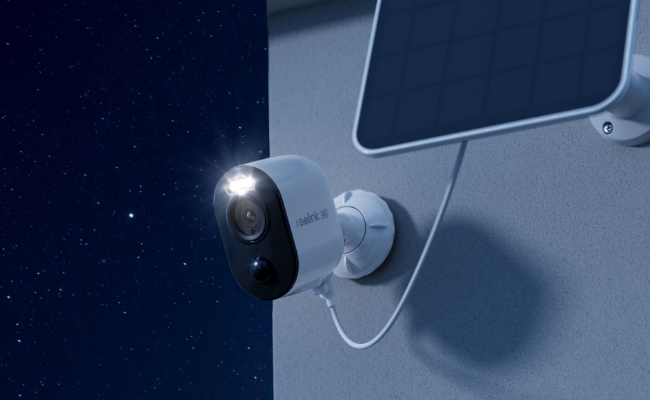
If you install a solar camera in a shady spot, the panel may not charge the battery fully. This leads to frequent battery drain and reduces both battery and camera lifespan. Placing the panel in direct sunlight ensures long life.
Credit: reolink.com
Battery Lifespan: The Weakest Link
Batteries are the main reason solar cameras fail early. Understanding how to care for batteries can save you money.
Why Batteries Wear Out
Batteries lose capacity every time they charge and discharge. Extreme temperatures, deep discharges, and poor charging habits speed up this process.
How To Extend Battery Life
- Use cameras with smart battery management
- Avoid placing cameras in areas with extreme heat or cold
- Check battery health every year
- Replace the battery when capacity drops below 80%
Comparison Table: Battery Types For Solar Cameras
| Battery Type | Lifespan | Temperature Tolerance | Maintenance |
|---|---|---|---|
| Lithium-ion | 2–5 years | -4°F to 140°F | Low |
| LiFePO4 | 3–7 years | -20°F to 150°F | Low |
| Lead-acid | 1–3 years | 32°F to 104°F | Medium |
LiFePO4 batteries are more expensive but last longer and handle extreme weather better.
Camera Unit Durability And Features
The camera itself includes the lens, sensors, processor, and circuit board. Most are designed for outdoor use, but not all are equal.
Weatherproofing
Look for cameras with IP ratings (IP65, IP66, IP67). These ratings show how well the camera resists water and dust.
- IP65: Protects against water jets and dust
- IP66: Protects against heavy rain and dust
- IP67: Can survive being submerged temporarily
If your camera is exposed to heavy rain or dust, choose IP66 or higher.
Lens And Sensor Quality
Higher quality lenses and sensors resist scratches, UV damage, and wear. Cheaper models may have plastic lenses that yellow over time.
Firmware And Software Support
Some cameras receive software updates for years. Updates can fix bugs and improve performance. Cameras without updates may become unreliable or vulnerable to hacking.
Real-world Examples: Solar Camera Performance
Let’s look at some common real-life scenarios and how they affect solar camera life.
Example 1: Farm Camera In Texas
- Installed facing south, full sun
- Monocrystalline panel, LiFePO4 battery
- IP66 weatherproof housing
- Motion-activated recording
This camera lasted 8 years before the battery needed replacement. The solar panel still works at 90% efficiency.
Example 2: Construction Site Camera In Canada
- Installed under partial shade
- Polycrystalline panel, lithium-ion battery
- IP65 housing
- Continuous recording
Battery lasted 2 years before failing. Panel produces less power due to shade, causing frequent battery drain.
Example 3: Wildlife Camera In Forest
- Installed on tree, mixed sunlight
- Monocrystalline panel, lithium-ion battery
- IP67 housing
- Motion-activated recording
Camera lasted 5 years. Battery replaced after 3 years. Solar panel still works well, but occasional deep discharge shortened battery life.
Tips To Extend Solar Camera Lifespan
Keeping your solar camera working longer isn’t hard if you follow smart practices. Here are some proven tips:
- Install the panel in direct sunlight. Avoid shade from trees or buildings.
- Clean the solar panel every 3–6 months. Dust, leaves, or bird droppings block sunlight.
- Check battery health yearly. Replace batteries when capacity drops.
- Choose motion-activated recording. Saves battery and reduces wear.
- Update firmware regularly. Improves performance and security.
- Inspect housing for cracks or leaks. Repair or replace damaged parts.
- Avoid extreme temperatures. Install in sheltered areas if possible.
Many beginners ignore cleaning or battery checks, leading to early failure. Spending a few minutes each year can add years to your camera’s life.

Credit: www.tp-link.com
Comparing Solar Cameras To Wired Cameras
You might wonder if solar cameras last as long as traditional wired cameras. Here’s a quick comparison.
Data Table: Solar Vs Wired Cameras Lifespan
| Type | Average Lifespan | Maintenance Needs | Common Failures |
|---|---|---|---|
| Solar Camera | 3–7 years | Medium | Battery, panel, weather |
| Wired Camera | 5–10 years | Low | Cable damage, power loss |
Solar cameras need more maintenance, mainly cleaning and battery replacement. Wired cameras are more stable but require installation near power sources.
Common Mistakes That Shorten Solar Camera Lifespan
Many users make mistakes that reduce their camera’s life. Avoid these to get the most value.
- Installing the panel in shade: Reduces charging efficiency, drains battery faster.
- Ignoring battery health: Old batteries can leak, swell, or fail suddenly.
- Not cleaning the panel: Dust and dirt block sunlight, leading to poor charging.
- Using cheap models: Low-cost cameras often use poor materials, fail early.
- Skipping firmware updates: Leads to bugs, security risks, and poor performance.
- Exposing to extreme weather: Heat, cold, or moisture can damage electronics.
Learning from these mistakes can save you hundreds of dollars over time.
What To Look For When Buying A Solar Camera
Choosing the right solar camera is important for long life. Here’s what matters most:
- Quality solar panel: Monocrystalline type, high wattage (5W or more)
- Battery type: LiFePO4 is best for durability
- Weatherproof rating: IP66 or higher for outdoor use
- Camera features: Good sensor, night vision, wide angle
- Replaceable parts: Easy battery and panel replacement
- Brand reputation: Trusted brands offer better support and parts
- Smart features: Battery management, firmware updates, motion detection
Avoid buying only based on price. Cheap cameras often cost more in the long run due to frequent replacements.
How To Replace Solar Camera Parts
Solar cameras are often designed to let you replace batteries and panels. Here’s how you can do it:
Battery Replacement
- Locate the battery compartment (check manual)
- Remove old battery (usually plug or clip)
- Insert new battery (same type)
- Test the camera to ensure proper operation
Solar Panel Replacement
- Unscrew panel from mount
- Disconnect wires (usually plug-in)
- Attach new panel and reconnect wires
- Secure panel in place
If your camera is sealed and cannot be opened, you may need professional help or replace the whole unit.

Credit: www.sepr.es
Maintenance Schedule For Solar Cameras
A simple schedule can help keep your camera working longer:
- Monthly: Check camera operation, view footage
- Every 3–6 months: Clean solar panel, inspect housing
- Yearly: Check battery health, update firmware, inspect mounts
Keeping a maintenance log helps track changes and spot problems early.
Sustainability And Environmental Impact
Solar cameras are more eco-friendly than wired cameras. They use renewable energy and reduce dependence on grid power. However, battery disposal and replacement can impact the environment.
- Choose cameras with recyclable batteries
- Use long-lasting panels to minimize waste
- Dispose of old batteries properly at recycling centers
Choosing durable models reduces the need for frequent replacements, making your camera setup greener.
Upgrading Vs Replacing Solar Cameras
When your camera ages, you may wonder if you should upgrade parts or buy a new one.
- Upgrade battery: Extends life by 2–5 years
- Upgrade panel: Improves charging, adds years
- Upgrade firmware: Fixes bugs, adds features
If the camera unit is broken or outdated, replacing the whole camera is often better. Some brands offer trade-in programs or discounts for returning old units.
Solar Camera Brands With Strong Lifespan
Some brands are known for durable solar cameras. Here are a few examples:
- Reolink: Offers monocrystalline panels, LiFePO4 batteries, IP66 housing
- Arlo: High-quality sensors, strong weatherproofing, easy updates
- Eufy: Good build quality, replaceable batteries, smart features
Researching brands and reading real user reviews helps find models that last longer.
The Role Of Warranty And Support
A strong warranty means the brand trusts its product. Look for cameras with:
- 2–3 year warranty on camera and panel
- 1–2 year warranty on battery
- Responsive customer support
Warranty covers defects, not wear and tear. Keeping receipts and registering your product helps with claims.
Frequently Asked Questions
How Can I Tell If My Solar Camera Battery Needs Replacement?
If your camera stops working at night, records only for short periods, or shuts off unexpectedly, the battery may be weak. Check battery health in the app or manual. Replace when capacity drops below 80%.
Is It Possible To Use Solar Cameras In Very Cold Climates?
Yes, but choose cameras with LiFePO4 batteries and IP66/IP67 weatherproofing. Extreme cold can reduce battery life, so extra insulation or heated enclosures may help.
Are Solar Cameras As Reliable As Wired Cameras?
Solar cameras are reliable in places with good sunlight and proper maintenance. Wired cameras last longer and need less upkeep, but require power and cables. For remote areas, solar cameras are the best option.
Can I Add A Bigger Solar Panel To My Camera?
Often, yes. Adding a larger panel increases charging speed and helps in cloudy weather. Check compatibility with your camera’s voltage and connector before upgrading.
Where Can I Find Official Information About Solar Panel Lifespan?
You can find reliable information from the National Renewable Energy Laboratory. Visit NREL Solar Research for detailed studies and data.
Solar cameras offer freedom and security where wired cameras can’t. Understanding their lifespan helps you plan, maintain, and upgrade smartly. With proper care, a solar camera can protect your property for years, saving you money and reducing hassle. The key is choosing quality, following maintenance tips, and learning from mistakes.
Now you can make an informed decision and enjoy the benefits of solar-powered security.