
Solar powered security cameras are changing the way people protect their homes and businesses. They offer flexibility, easy installation, and no monthly electricity bills. But one question keeps coming up: How long do solar powered security cameras last? If you’re considering these cameras, understanding their lifespan is critical. It helps you plan, budget, and set realistic expectations for reliability.
This article dives deep into everything you need to know about the longevity of solar powered security cameras. We’ll cover the main factors that affect lifespan, compare battery and solar panel durability, explain typical performance in real-world conditions, and share practical tips to help your camera last longer.
We’ll also look at common mistakes, provide data-backed insights, and answer the most frequent questions about these devices.
What Determines The Lifespan Of Solar Powered Security Cameras?
Several key factors control how long your solar powered security camera will keep working. These include the quality of the camera, the battery, the solar panel, and the local environment. Let’s explore each factor in detail.
Camera Build Quality
High-quality cameras last longer. They use durable materials, better weatherproofing, and reliable electronics. Cheap, low-quality cameras often fail within a year or two, especially when exposed to rain, snow, or extreme heat. Trusted brands test their devices for tough conditions, which can add years to their lifespan.
Battery Life And Performance
The battery is often the weakest link. Most solar security cameras use rechargeable lithium-ion batteries. These batteries usually last between 2 to 5 years, depending on their quality and usage patterns. Frequent charging and discharging, extreme temperatures, and deep discharges can shorten battery life.
A camera that records often (due to lots of motion activity) will drain its battery faster. If the battery fails, the camera stops working—even if the solar panel is fine. Some models allow battery replacement, which extends total camera lifespan.
Solar Panel Durability
Solar panels are built to last. Most panels on security cameras use monocrystalline or polycrystalline silicon, which can survive for 15-25 years under normal conditions. However, tiny panels (common in security cameras) may degrade faster due to exposure and lower quality.
Dust, debris, and shading can reduce panel efficiency. Regular cleaning and proper placement help keep them working at peak capacity.
Weather And Environmental Conditions
Extreme weather can shorten the life of both the camera and its components. High heat, freezing temperatures, heavy rain, snow, and strong winds all take a toll. Cameras installed in sheltered locations last longer.
Humidity and salty air (common near the coast) cause corrosion. UV rays from direct sunlight can fade plastics and weaken seals. Cameras rated IP65 or IP66 are better protected against dust and water.
Usage And Maintenance
How you use and care for your camera matters. Cameras checked regularly, cleaned, and updated with new firmware last longer. Neglect and poor maintenance often lead to early failures.
Typical Lifespan: What Real-world Data Shows
Let’s look at data from actual users and manufacturers. How long do solar powered security cameras really last in real life?
Average Lifespan Estimates
Most solar security cameras last between 3 to 7 years before needing major repairs or replacement. Here’s a simple breakdown:
- Battery: 2–5 years (replaceable in some models)
- Solar panel: 10–20 years (may outlast the camera)
- Camera electronics: 3–7 years (depends on build quality)
Many users report their cameras working well for 4–5 years, with battery replacement required after about 3 years. Lower quality models may fail after just 1–2 years.
Brand Differences
Top brands like Arlo, Reolink, and Ring offer longer-lasting products. Cheaper, off-brand models often have shorter lifespans. Here’s a quick comparison of leading models:
| Brand | Expected Lifespan (Camera) | Battery Replacement Needed | Solar Panel Lifespan |
|---|---|---|---|
| Arlo Pro 4 | 5–7 years | Every 2–3 years | 15–20 years |
| Reolink Argus 3 | 4–6 years | Every 2–4 years | 15–20 years |
| Ring Stick Up Cam | 3–5 years | Every 2–3 years | 10–15 years |
| Generic Brand | 1–3 years | Every 1–2 years | 5–10 years |
Real-life Example
A homeowner in Arizona installed a solar powered camera in 2018. The camera worked flawlessly for four years. After that, the battery needed replacement. The solar panel still works, but the camera’s plastic housing began to crack due to intense sunlight and heat. This is a common pattern: batteries wear out first, followed by the camera body, while the solar panel remains functional.
Battery Longevity: The Critical Component
The battery is often the first part to fail in a solar powered security camera. Understanding battery lifespan and how to extend it is crucial.
Types Of Batteries Used
Most cameras use lithium-ion batteries. These are lightweight, recharge quickly, and last longer than older types. Some models use lithium-polymer or NiMH batteries, but lithium-ion is the most common.
Average Battery Lifespan
- Lithium-ion: 2–5 years
- Lithium-polymer: 3–6 years
- NiMH: 1–3 years
Battery life depends on charge cycles. One charge cycle is a full discharge and recharge. Most lithium-ion batteries support 300–500 cycles before losing capacity. For a camera that charges daily, this means 1–2 years. If the battery is larger and charges less often, it can last longer.
How To Extend Battery Life
- Keep batteries cool: Heat speeds up battery wear. Place cameras in shaded areas if possible.
- Avoid deep discharges: Try not to let the battery run completely empty often.
- Charge regularly: Consistent charging is better than letting batteries sit empty.
- Replace batteries when needed: If your camera allows battery replacement, swap old batteries for new ones.
Battery Replacement Table
Some cameras allow easy battery replacement. Others do not. Here’s a look at popular models:
| Camera Model | Battery Replaceable? | Replacement Cost (USD) | Difficulty |
|---|---|---|---|
| Arlo Pro 4 | Yes | $40–$70 | Easy |
| Reolink Argus 3 | Yes | $30–$60 | Medium |
| Ring Stick Up Cam | No | N/A | N/A |
| Generic Brand | Varies | $10–$40 | Hard |
Solar Panel Lifespan And Efficiency
Solar panels are durable and reliable, but their efficiency drops over time. Let’s see how solar panels perform in real-world conditions.
How Long Do Solar Panels Last?
Most panels last 15–25 years. In security cameras, panels are smaller and sometimes lower quality, so they may last 10–20 years. After about 10 years, efficiency can drop by 10–20%. This means the panel produces less power, but often still enough for the camera.
Factors Affecting Solar Panel Life
- UV exposure: Sunlight slowly damages solar cells and plastics.
- Weather: Rain, snow, and hail can crack or scratch panels.
- Dirt and debris: Dust blocks sunlight and lowers efficiency.
- Manufacturing quality: Better panels last longer.
Cleaning And Maintenance
Clean panels every few months with a soft cloth and water. Avoid harsh chemicals. Remove leaves, dust, or snow. Check for cracks or damage. Proper care keeps panels working longer.
Efficiency Loss Table
Here’s how solar panel efficiency usually declines:
| Years in Use | Expected Efficiency (%) | Notes |
|---|---|---|
| 0 | 100 | Brand new |
| 5 | 95–98 | Minimal loss |
| 10 | 90–95 | Noticeable drop |
| 15 | 85–90 | May affect performance |
| 20 | 80–85 | Possible replacement needed |
Environmental Impact On Camera Lifespan
Where you install your camera has a big impact on how long it lasts. Let’s break down the main environmental threats.
Heat And Sun Exposure
Direct sunlight heats up cameras. High temperatures can cause batteries to swell, plastic to crack, and electronics to fail. Install cameras under shade or eaves if possible.
Cold And Snow
Extreme cold slows down battery charging and drains batteries faster. Ice and snow can block solar panels, reducing power. Cameras designed for -20°F to 120°F survive best.
Rain And Humidity
Water leaks destroy electronics. Cameras with IP65 or higher ratings resist rain better. Humidity can cause mold or corrosion inside the camera.
Pollution And Salt Air
Dust, pollen, and smoke cover panels and lenses. Salt air (near oceans) corrodes metal parts and connections. Clean and check cameras often in polluted or coastal areas.
Signs Your Solar Security Camera Is Wearing Out
How do you know it’s time to replace or repair your camera? Watch for these signs:
- Short battery life: The camera stops working after just a few hours or days.
- Solar panel not charging: The battery stays low despite sunny days.
- Poor video quality: Blurry, glitchy, or missing footage.
- Water damage: Foggy lens, rust, or mold inside the camera.
- Physical cracks: Broken housing, loose parts, or cracked panel.
- Frequent errors: The camera won’t connect, freezes, or needs constant resets.
If you see several of these symptoms, your camera is nearing the end of its useful life.
Extending The Life Of Your Solar Powered Security Camera
Want your camera to last as long as possible? Here are practical steps you can take.
Choose The Right Location
Install cameras in sheltered spots, away from direct sun, heavy rain, and strong wind. Avoid placing them under trees, where falling branches can cause damage.
Regular Maintenance
- Clean the lens and solar panel every few months.
- Check for loose or broken parts.
- Update camera firmware for better performance and security.
Replace Batteries When Needed
If your camera allows battery replacement, do it when performance drops. Don’t wait for total failure.
Monitor Camera Health
Many cameras have apps or indicators showing battery and panel status. Watch these readings for sudden drops.
Use Quality Accessories
Cheap solar panels or batteries may cause early failures. Buy official accessories when possible.
Secure Your Camera
Fasten cameras tightly to prevent wind or animals from knocking them loose. Use tamper-proof screws if theft is a concern.
Common Mistakes That Shorten Lifespan
Avoid these errors to keep your camera working longer.
- Ignoring maintenance: Dirt and debris can ruin panels and lenses.
- Placing camera in bad spots: Too much sun, shade, or exposure to rain causes problems.
- Using cheap batteries: Low-quality batteries fail quickly and may leak.
- Skipping firmware updates: Outdated software can cause bugs and security risks.
- Letting battery fully discharge: Deep discharges damage lithium batteries.
Many beginners forget regular cleaning or battery checks. These simple tasks make a big difference.
How To Choose A Long-lasting Solar Security Camera
Here’s what to look for when buying a camera for maximum lifespan.
Key Features To Check
- Weatherproof rating: At least IP65 or higher
- Replaceable battery: Extends total life
- High-quality solar panel: Monocrystalline panels are best
- Strong build: Metal or high-grade plastic housing
- Good reviews: Look for real user feedback
Compare Before Buying
Don’t just look at price. Compare features and expected lifespans. Here’s an example:
| Feature | Arlo Pro 4 | Reolink Argus 3 | Generic Brand |
|---|---|---|---|
| Weatherproof Rating | IP65 | IP66 | IP55 |
| Battery Replaceable? | Yes | Yes | No/Varies |
| Solar Panel Type | Monocrystalline | Monocrystalline | Polycrystalline |
| Body Material | Plastic/Metal | Plastic | Plastic |
| User Reviews | Very Good | Good | Mixed |
Avoid Common Buyer Mistakes
- Don’t buy cameras with non-replaceable batteries unless you’re okay with replacing the whole unit in 2–3 years.
- Avoid models with low weatherproof ratings if you live in harsh climates.
- Don’t rely on solar panels alone if you get less than 3–4 hours of sun daily.
Cost Vs. Lifespan: Is It Worth It?
Solar powered security cameras cost more upfront than wired models, but the savings on electricity and installation can balance out. Let’s look at the numbers.
Typical Costs
- Camera: $100–$250
- Solar panel: Included or $30–$80 extra
- Battery: $30–$70 (for replacement)
Over 5 years, you might spend $200–$350 total, including battery replacements. Wired cameras may cost less, but need professional installation and ongoing power bills.
Value Over Time
If your solar camera lasts 5–7 years, the cost per year is $40–$60—not including the peace of mind from reliable, wireless operation. For many users, this is a good investment.
Non-obvious Insight
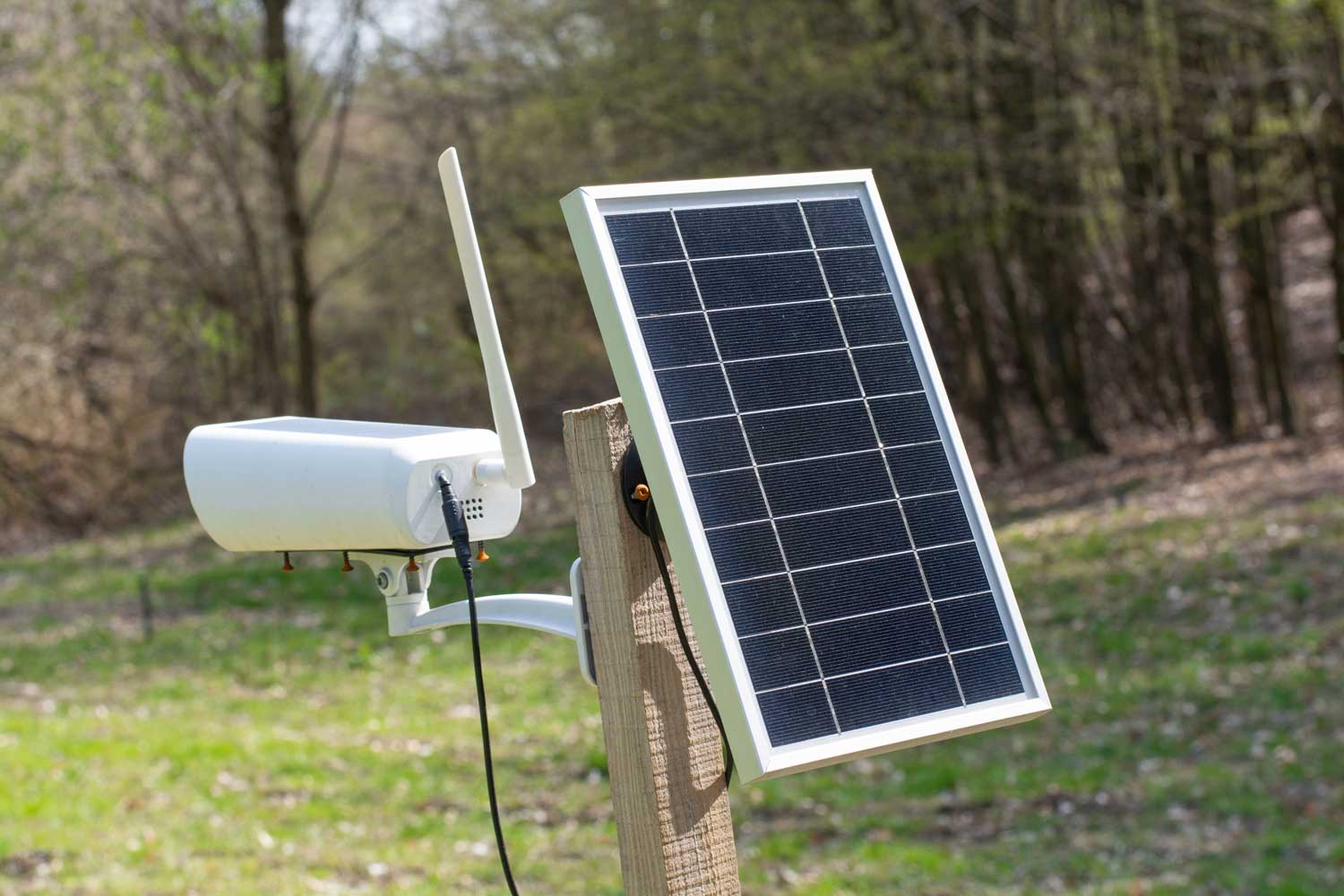
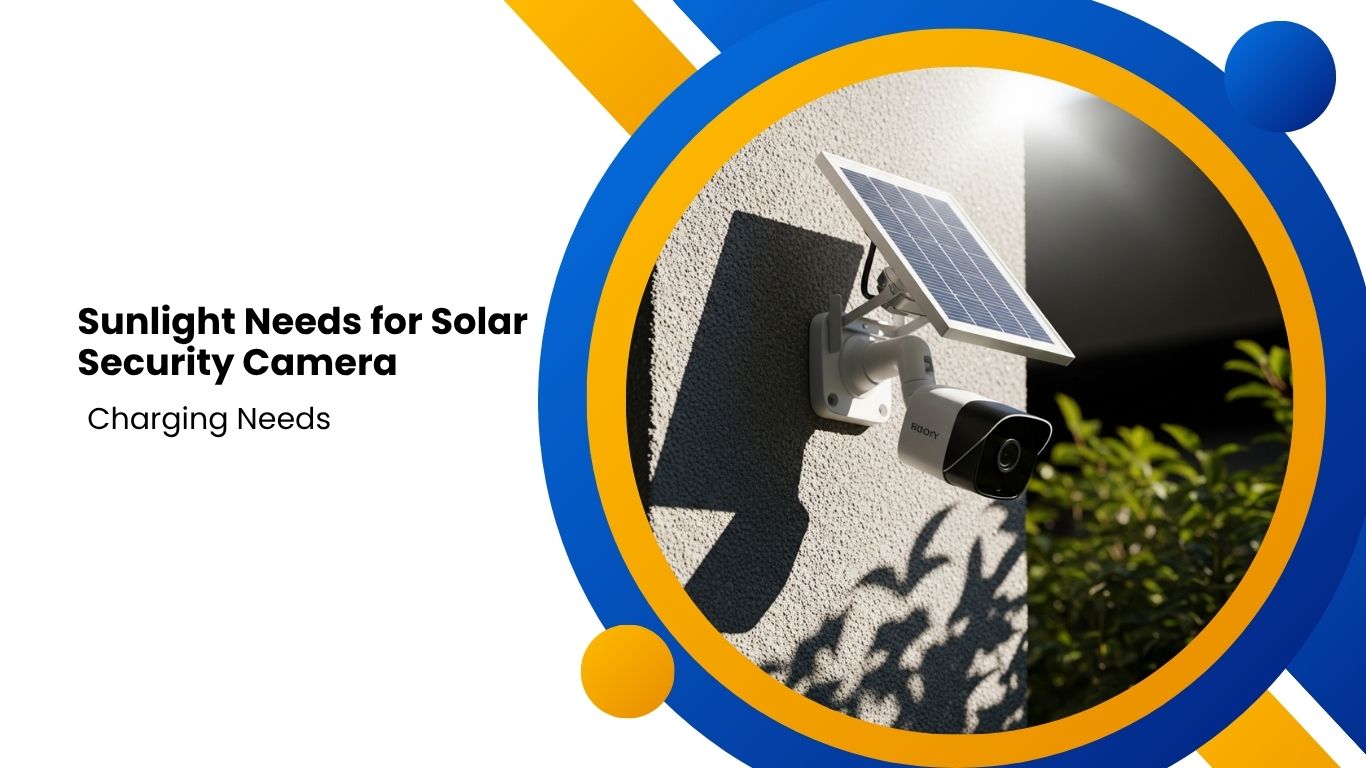
Some buyers focus only on battery life. But solar panel placement is just as important. Panels blocked by shade or dirt won’t charge well, no matter how good the battery is.
Credit: pro-vigil.com
Comparing Solar Powered Security Cameras To Wired Models
Is a solar camera really better than a wired one for long-term use? Here’s how they stack up:
| Feature | Solar Camera | Wired Camera |
|---|---|---|
| Installation | Easy, no wires | Needs wiring |
| Power Source | Solar + battery | Direct electricity |
| Lifespan | 3–7 years | 5–10 years |
| Maintenance | Battery & panel | Minimal |
| Weather Resistance | Usually high | Varies |
| Reliability | Depends on sun | Constant |
| Cost | Medium–high | Medium |
Wired cameras last longer on average, but solar models are ideal for places without easy access to electricity.
New Technology And Future Trends
Solar security cameras are improving every year. Here are some new trends:
- Better batteries: New lithium-polymer and solid-state batteries last longer and charge faster.
- Higher efficiency panels: New materials boost solar panel output, even in low-light conditions.
- Smarter software: Cameras now manage power and alerts more efficiently, reducing battery drain.
- Integrated sensors: Some models use motion, temperature, or light sensors to save energy.
These advances may increase lifespans in the next few years.
Credit: www.zetronix.com
Real-world Tips From Experienced Users
Experienced users share some lesser-known advice:
- Use a backup battery for critical areas.
- Angle solar panels to face south for maximum sun exposure (in the US).
- Check panel connectors for corrosion every six months.
- Cover cameras during storms to avoid water leaks.
These simple steps can extend the life of your camera and prevent surprise failures.
Frequently Asked Questions
How Often Should I Replace The Battery In A Solar Powered Security Camera?
Most batteries last 2–5 years. Replace the battery when you notice shorter run times or charging problems. If your camera allows easy battery swaps, plan to change it every 2–3 years for best performance.
What Happens If My Solar Panel Stops Working?
If the solar panel fails, your camera won’t charge and will rely on battery power alone. You may need to replace the panel or use an external charger. Check connections and clean the panel regularly to prevent power loss.
Can Solar Security Cameras Work In Winter Or Cloudy Weather?
Yes, but performance drops. Shorter days and clouds mean less sunlight. Cameras may need larger batteries or more frequent charging. Some models have power-saving modes for winter. Placement is critical—angle panels to capture as much sun as possible.
Is It Possible To Upgrade The Solar Panel Or Battery?
For some cameras, you can upgrade to a bigger panel or higher-capacity battery. Check with the manufacturer first. Using third-party panels may void the warranty or cause compatibility problems.
Are Solar Powered Security Cameras Reliable For Long-term Use?
Solar cameras are reliable if you choose a quality brand, install correctly, and maintain them. Expect to replace batteries every 2–5 years. Panels last much longer. For locations without easy access to power, solar cameras are a strong choice.

Credit: www.securitycameraking.com
Final Thoughts
Solar powered security cameras offer freedom and flexibility, but their lifespan depends on several factors: battery quality, solar panel durability, camera build, and environmental conditions. Most cameras last 3–7 years, with batteries needing replacement after 2–5 years and solar panels often outlasting the camera itself. Regular maintenance, smart placement, and choosing a quality model can add years to your camera’s life.
If you’re ready to invest in a solar security camera, weigh the cost against the expected lifespan and maintenance needs. In many cases, the benefits outweigh the downsides, especially in places where wiring is difficult or expensive. With the right approach, your solar powered security camera can deliver reliable protection for years.
For more technical details and statistics, check out Energy.gov.
Take care of your camera, and it will take care of you.