
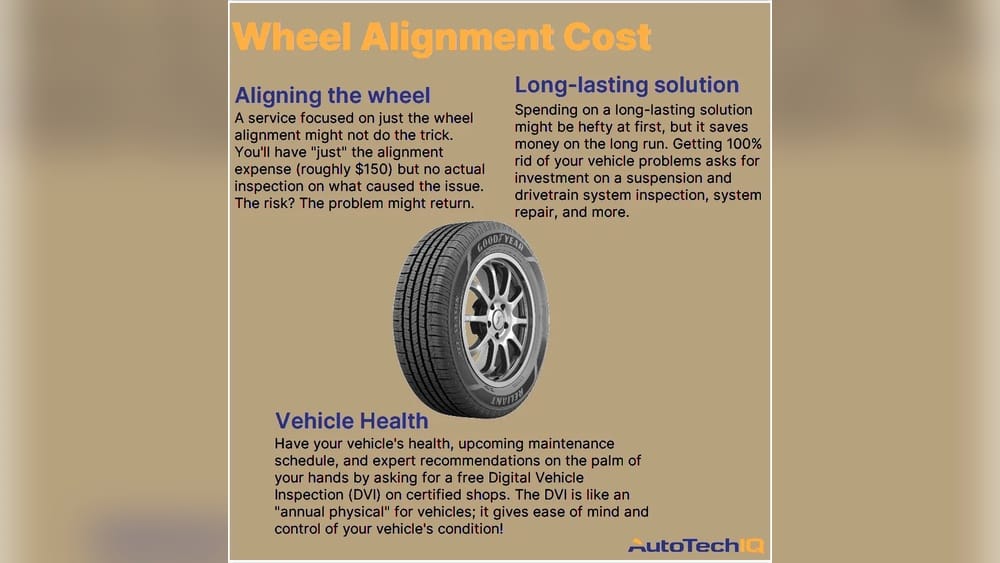
How Much Does It Cost To Mount And Balance Tires
Buying new tires feels great—your car will grip the road better, ride smoother, and be safer. But after picking the right set, you face an extra step: mounting and balancing. Most drivers know they need these services, but few understand how much they really cost and what influences the price. If you’ve ever felt confused by the bill at the tire shop or wondered if you’re paying too much, this guide will give you the answers you need.
Mounting and balancing are two separate but related services every time you get new tires. Mounting means putting the tire onto the wheel; balancing ensures the tire spins evenly, preventing vibration, uneven wear, and steering issues. Both are necessary for safety and performance, but their pricing can be complicated.
Costs vary based on your vehicle, tire size, where you live, and even the shop you choose.
Let’s break down everything that affects the price, what you can expect at different types of shops, and how you might save money without risking your safety on the road.
What Mounting And Balancing Actually Involves
Before you look at numbers, it helps to know what you’re paying for. Some drivers assume these are quick, simple jobs. In reality, both require skill, proper tools, and time.
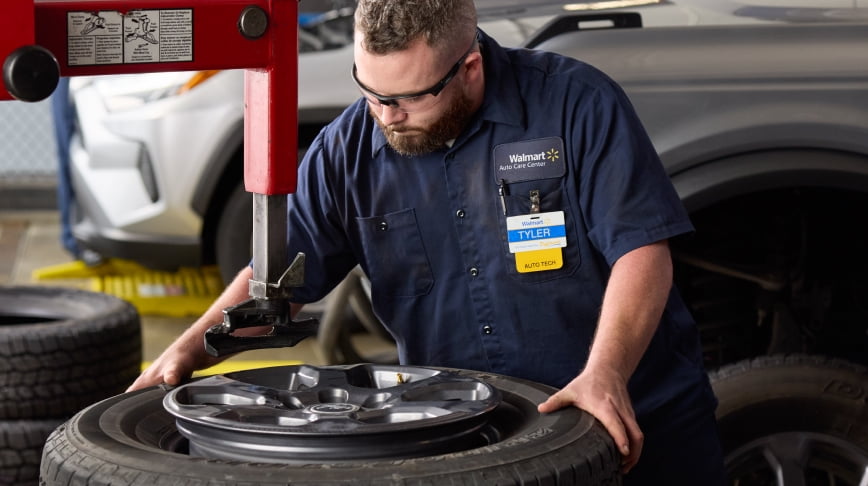
Mounting starts when the technician removes your old tires from the wheels using a special machine. They check for damage or corrosion on the wheels, then lubricate the new tire bead and use the machine to slide it onto the wheel. For some wheels, especially low-profile or run-flat tires, this process is tricky and takes extra care.
Balancing comes next. The technician places the mounted wheel and tire onto a balancing machine. This machine spins the wheel and measures weight differences. Even new tires and wheels have slight imbalances. The technician attaches small wheel weights to correct these, ensuring the assembly spins perfectly at high speeds. For performance cars or larger wheels, “road force” balancing may be used—a more precise but pricier method.
Many shops check tire pressure, install new valve stems if needed, and sometimes even include a quick alignment check. All these steps add to the total time and cost.
Typical Price Range For Mounting And Balancing
Prices are rarely one-size-fits-all. On average, you can expect to pay:
- Mounting: $13–$45 per tire
- Balancing: $10–$30 per tire
Combined, the total for both services usually lands between $50 and $150 for a standard set of four tires. But there’s a lot behind these numbers.
Here’s a quick look at common price scenarios:
| Service Center Type | Mount & Balance (per tire) | Mount & Balance (set of 4) |
|---|---|---|
| Big-Box Retailer (e.g. Walmart) | $15–$25 | $60–$100 |
| Independent Tire Shop | $18–$35 | $72–$140 |
| Dealership | $25–$50 | $100–$200 |
| Specialty/Performance Shop | $35–$75 | $140–$300 |
These numbers cover most passenger cars and SUVs. Trucks, sports cars, and luxury vehicles may cost more.
Factors That Influence Mounting And Balancing Costs
Why do prices vary so much? Several factors can raise or lower your total bill.
1. Tire Size And Type
Larger tires—like those on trucks, SUVs, or performance cars—cost more to mount and balance. Low-profile tires, run-flats, or specialty tires (like mud-terrain or racing tires) also need extra time and skill. The machines used for larger or unusual tires are expensive, and not every shop has them.
2. Rim And Wheel Type
Standard steel wheels are simple. Alloy wheels, custom rims, or oversized wheels may need special handling. If your wheels are expensive or have a unique finish, shops often charge extra to avoid damage.
3. Shop Location
Where you live matters. In big cities or high-cost areas, labor rates are higher. Shops in rural or lower-cost regions may offer better deals. Taxes and local regulations can also affect the final price.
4. Shop Type
- Big-box retailers (like Walmart, Costco) offer low prices but may have longer wait times or fewer specialized services.
- Independent tire shops usually have moderate pricing and flexible service.
- Dealerships are often the most expensive, especially for luxury or high-performance vehicles. They may, however, provide service tailored to your car’s brand.
- Performance or specialty shops charge more for expertise and special tools.
5. Additional Services
Many shops bundle or unbundle services. For example, new valve stems, tire disposal fees, or even tire pressure monitoring system (TPMS) reset can add $2–$10 per tire. Ask for a breakdown so you know what’s included.
6. Where You Buy Your Tires
Some shops give discounts on mounting and balancing if you buy tires from them. If you buy tires online and bring them in, you may pay higher “carry-in” fees.
7. Advanced Balancing Options
Standard balancing works for most cars. Some shops offer road force balancing for an extra $15–$30 per tire. This uses a roller to press against the tire, simulating real driving forces and finding hidden imbalances. It’s often recommended for luxury cars or if you have vibration issues.
Example Cost Scenarios
To put these factors together, here are three realistic examples:
Scenario 1: Standard Sedan, Economy Shop
You buy four all-season tires for your Toyota Camry at a big-box retailer. They offer mounting and balancing for $18 per tire, including new valve stems and tire disposal. Your total is $72 plus tax.
Scenario 2: Pickup Truck, Independent Shop
You drive a Ford F-150 and buy large all-terrain tires from an online retailer. You take them to a local tire shop. They charge $32 per tire for mounting and balancing, plus $4 per tire for TPMS reset. Your bill is $144 for the set, plus $16 for TPMS, totaling $160.
Scenario 3: Sports Car, Dealership
Your BMW 3 Series needs new low-profile performance tires. You choose the dealership to avoid damaging expensive alloy wheels. Mounting and road force balancing cost $48 per tire, with an extra $8 for tire disposal. The total: $224 for four tires, plus $32 for disposal, or $256.
What’s Usually Included In The Price
Not all shops include the same services in their quoted price. Here’s what you should ask about:
- Mounting and balancing (always ask if both are included)
- Valve stems (are new ones installed?)
- Tire disposal (is there a recycling fee?)
- TPMS reset (needed for cars with tire pressure sensors)
- Tire pressure check
- Visual inspection for wheel or tire damage
Some shops advertise a low price, then add extras later. Others include everything in one flat fee.
Comparing Mounting And Balancing Services
Choosing where to get your tires mounted and balanced is more than finding the lowest price. Consider these points:
| Shop Type | Pros | Cons |
|---|---|---|
| Big-Box Retailer | Low prices, national warranty | Longer waits, limited specialty service |
| Independent Shop | Personal service, flexible | Price and quality vary by location |
| Dealership | Brand expertise, OEM parts | High prices, may push extras |
| Mobile Service | Convenient, at-home service | Usually more expensive, not everywhere |
If you have standard wheels and tires, most shops will do a good job. If you have specialty tires, expensive rims, or a high-end car, paying more for a shop with the right equipment and experience makes sense.
Can You Save Money On Mounting And Balancing?
Many drivers want to cut costs, but not all savings are smart. Here are safe ways to keep your bill down:
- Shop around: Prices can vary by $40–$100 for the same job. Call a few shops and ask for an out-the-door quote. Make sure to ask if all fees are included.
- Buy tires and installation together: Many shops discount mounting and balancing if you buy the tires from them.
- Look for package deals: Some big-box stores offer lifetime balancing and rotation for a higher up-front cost—good if you plan to keep your car for years.
- Skip unneeded extras: Don’t pay for “road hazard” insurance or premium valve stems unless you want them.
- Avoid very low prices: If a price seems too good, the shop may cut corners or add surprise fees. Proper mounting and balancing protect your safety.
What Not To Do
- Don’t try mounting tires yourself unless you have professional equipment.
- Don’t drive with unbalanced tires to save money—it can damage your car and cost more in the long run.
How Often Should You Balance Tires?
Most shops balance tires only when they’re new or after a repair. However, unbalanced tires can cause vibration, uneven tread wear, and extra stress on suspension parts. It’s smart to rebalance tires every 5,000 to 7,000 miles, or if you notice any vibration at highway speeds.
Some shops offer free lifetime balancing if you buy tires from them, but check the fine print—sometimes you’ll still pay for labor.
Credit: www.ottenbruch.de
Common Mistakes Drivers Make
Even experienced drivers can make errors when it comes to tire mounting and balancing:
- Ignoring “carry-in” fees: Some shops charge more if you bring in tires bought elsewhere.
- Not checking what’s included: Always ask for a detailed quote. A price that seems low may not include balancing, new valve stems, or disposal.
- Delaying balancing: Driving with unbalanced tires causes premature wear and can damage suspension parts.
- Choosing the cheapest shop: The lowest price isn’t always best. Poor balancing can lead to headaches and extra costs later.
- Skipping regular checks: Even after perfect balancing, weights can fall off. If your car vibrates, get your balance checked.
Special Situations: Trucks, Suvs, And Run-flat Tires
Not all tires are created equal. For large trucks, SUVs, and vehicles with run-flat tires, you’ll often pay more for mounting and balancing.
- Truck/SUV tires are larger and heavier, needing stronger machines and more time.
- Run-flat tires are stiffer; they’re harder to mount and can damage wheels if not done correctly.
- Custom or chrome wheels often need extra care to avoid scratches.
In these cases, expect to pay $10–$20 more per tire than for a standard sedan. Not all shops can handle these tires—call ahead to make sure.
Credit: www.walmart.com
Is Road Force Balancing Worth It?
Some shops may recommend road force balancing (RFB) instead of standard balancing. This is a more advanced process where a machine presses a roller against the tire as it spins, simulating real driving conditions. It finds hidden imbalances that a normal balancer might miss.
RFB costs extra—usually $15–$30 more per tire. Is it worth it? For most standard cars, standard balancing is fine. However, if you have:
- A luxury or sports car
- Low-profile or ultra-high-performance tires
- Persistent vibration issues
…then RFB can be a good investment. It can solve problems normal balancing cannot.
The True Cost: What You’re Really Paying For
When you see a price for mounting and balancing, it’s tempting to focus just on the dollars. But there’s value in paying for quality:
- Safety: Poorly mounted or unbalanced tires can cause loss of control.
- Longevity: Good balancing prevents premature tire and suspension wear.
- Comfort: Properly balanced tires make for a smoother, quieter ride.
- Peace of Mind: A reputable shop will fix problems if something goes wrong.
Trying to save a few dollars by skipping balancing or using an untrained shop often leads to bigger bills later.
Diy Mounting And Balancing: Is It Possible?
Technically, you can buy tire mounting and balancing machines for your garage. But for most people, it’s not worth it. The equipment costs thousands of dollars, and mistakes can be dangerous. Even many mechanics prefer to let professionals handle it.
If you live far from a shop or have a fleet of vehicles, it might make sense. But for most drivers, DIY is not practical or cost-effective.
How To Choose A Good Shop
When picking a shop, don’t just look at price. Look for:
- Proper equipment for your tire and wheel type
- Experienced technicians
- Clear, upfront pricing with no surprise fees
- Good reviews from other customers
Ask if the shop is certified by the Tire Industry Association or similar groups. A reputable shop will answer your questions and explain their process.
If you need more information about tire service standards, visit the Tire Industry Association.
What To Do After Mounting And Balancing
Once your new tires are installed, check these points:
- Inspect the wheels: Look for scratches or damage before leaving the shop.
- Check tire pressure: Make sure it matches your vehicle’s recommended level.
- Drive at highway speed: Notice any vibrations or pulling—if you feel something strange, go back to the shop.
- Keep your invoice: If you have problems later, you may need proof for warranty or rebalancing.
Frequently Asked Questions
How Long Does Mounting And Balancing Take?
For a set of four tires, expect 45 minutes to 1. 5 hours. Some shops are faster, while others (especially with busy schedules or complex tires) may need longer. Always call ahead if you’re in a hurry.
Can I Drive With Unbalanced Tires?
You can, but it’s not safe or smart. Unbalanced tires can cause vibration, uneven tread wear, and damage to your suspension. In the long run, you’ll pay more for repairs than you save by skipping balancing.
Is Balancing Needed For Every Tire Change?
Yes. Every time you get new tires, they should be balanced. Even if you rotate tires, it’s smart to check the balance, especially if you notice any vibration or uneven wear.
Why Does My Car Still Vibrate After Balancing?
Possible reasons include:
- The balancing was not done correctly
- A wheel or tire is bent or damaged
- The tires are worn or defective
- There’s a suspension or alignment issue
Return to the shop for a recheck, or consider road force balancing if vibration continues.
Do All Shops Charge Extra For Tire Disposal?
Most do, but some include it in the price. Tire disposal fees range from $2–$5 per tire. Always ask what’s included before agreeing to service.
Getting your tires mounted and balanced is one of those routine car expenses that pays off in comfort, safety, and tire life. While prices can vary, understanding what’s involved helps you make smart choices and avoid hidden costs. With the right shop and clear expectations, you’ll get the performance and peace of mind you deserve on every drive.
:max_bytes(150000):strip_icc()/how-much-will-a-car-alignment-cost-4176341_V3-3fc071bd9dfd49e1b00d983b0d4e1b11.jpg)
Credit: davidpressleyschool.com