
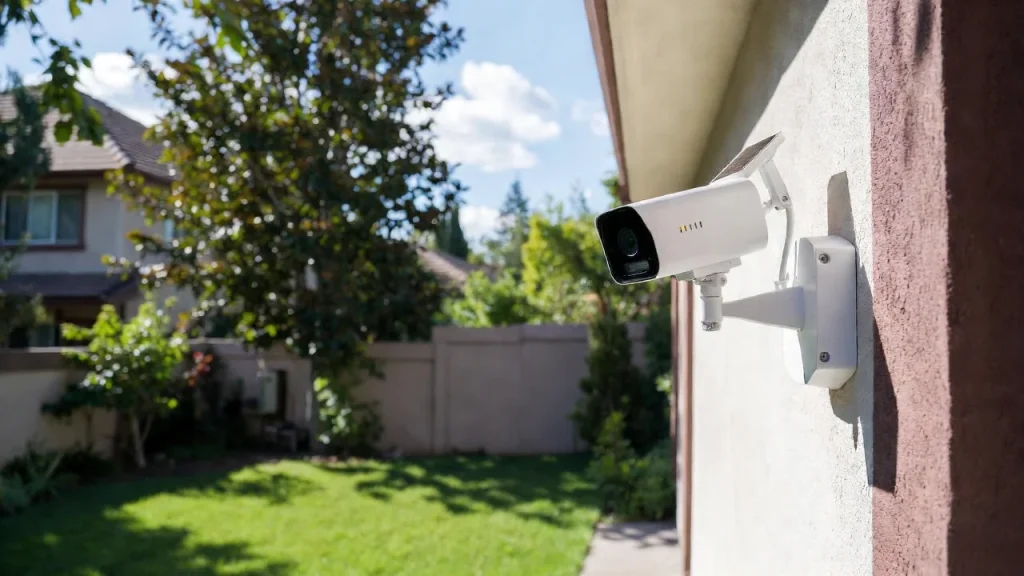
Are you thinking about installing an outdoor solar security camera but wonder how much sunlight it really needs to work effectively? You want reliable security without worrying about your camera running out of power.
Understanding the right amount of sunlight can help you place your camera in the perfect spot and keep your home safe all day and night. Keep reading to discover simple tips that will ensure your solar security camera stays powered up and ready to protect what matters most to you.
Sunlight Needs For Solar Cameras
Solar security cameras need sunlight to work properly. They use solar panels to charge their batteries. Without enough sunlight, the camera may stop recording or lose connection. Understanding sunlight needs helps place the camera in the best spot.
Minimum Sunlight Requirements
Most solar cameras need at least 4 to 6 hours of sunlight daily. This is the minimum to keep the battery charged. Less than 4 hours can cause the battery to drain fast. Early morning or late afternoon sun often works well.
Optimal Sunlight Exposure
For best performance, aim for 6 to 8 hours of direct sunlight. This ensures the battery stays full and the camera runs all day. South-facing spots usually get the most sun. Avoid shadows from trees, walls, or roofs.
Impact Of Weather Conditions
Cloudy and rainy days reduce sunlight and charging. Snow or dust on panels also block sunlight. Cold weather can lower battery efficiency. Clean panels regularly and check the camera during bad weather.
Types Of Solar Security Cameras
Solar security cameras come in different types, each with unique features. Understanding these types helps you choose the right camera for your needs. The main differences lie in the solar panels and battery systems they use. These parts affect how much sunlight the camera requires to work efficiently.
High-efficiency Solar Panels
High-efficiency solar panels capture more sunlight in less time. They work well in areas with limited sunlight. These panels convert sunlight to energy faster. This means the camera can stay powered even on cloudy days. They are ideal for places with short daylight hours.
Standard Solar Panels
Standard solar panels are common in many outdoor cameras. They need more sunlight to charge fully. These panels work best in bright, direct sunlight. They are usually less expensive but less powerful. Choosing the right spot with good sunlight is important for these cameras.
Battery Capacity And Usage
The battery stores energy collected by the solar panel. Larger batteries hold more power for night use. Cameras with big batteries last longer without sunlight. Battery capacity affects how long the camera runs during cloudy days. Check battery size to match your sunlight conditions.
Placement Tips For Maximum Sunlight
Proper placement is key for outdoor solar security cameras to get enough sunlight. The solar panel must catch direct sun for most of the day. Without good placement, the camera might lose power quickly. Follow these tips to pick the best spot and angle for your solar panel. This helps keep your security camera running all day and night.
Choosing The Right Location
Pick a spot that faces the sun most of the day. South-facing locations usually work best in the northern hemisphere. Avoid areas near tall buildings or trees. These can block sunlight and reduce charging. Test different locations during the day to see where sunlight lasts longest.
Avoiding Shade And Obstructions
Shade lowers the solar panel’s energy. Even small shadows from branches or wires can hurt performance. Keep the solar panel clear of roof edges, walls, or other objects. Regularly check for new obstructions like growing plants. Clear any dirt or debris that might cover the panel.
Best Angles For Solar Panels
Set the solar panel angle to catch the sun’s rays directly. The ideal tilt usually matches your latitude. Steeper angles work well in winter to catch low sun. Flatter angles capture more sunlight in summer. Adjust angles seasonally if possible for better charging all year.
Seasonal Sunlight Variations
Seasonal sunlight changes affect how much energy your solar security camera gets. The sun’s path and daylight hours vary in different seasons. This impacts the camera’s ability to charge fully and work properly. Knowing these changes helps you plan better for year-round security.
Understanding seasonal sunlight variations ensures your camera stays powered. Adjustments may be needed to keep the camera active during low sunlight months.
Summer Vs Winter Sunlight Hours
Summer days are longer with more sunlight. Cameras get more time to charge their batteries fully. In winter, sunlight hours drop sharply. Clouds and shorter days reduce solar energy. This may cause the camera to run out of power faster. Expect more charging challenges during winter months.
Adapting Camera Settings Seasonally
Adjust camera settings to save battery in low sunlight. Lower motion detection sensitivity to reduce power use. Set shorter recording times for winter. Turn off extra features like night vision if possible. These changes help extend battery life when sunlight is weak.
Using Solar Trackers Or Adjustments
Solar trackers move panels to follow the sun. This increases energy capture throughout the day. Manual adjustments can also help. Tilt solar panels toward the sun during winter. Check panel angles regularly for best sunlight exposure. Simple tweaks can improve solar charging by a lot.
Troubleshooting Solar Power Issues
Troubleshooting solar power issues is key to keeping your outdoor solar security camera working well. Solar panels depend on sunlight to charge their batteries. Sometimes, the camera may not get enough power to run properly. Knowing how to spot problems early helps fix them fast. This guide explains common signs of low charging, tips for battery care, and when to add extra power sources.
Signs Of Insufficient Charging
The camera may turn off or work less often. Video quality can drop or recordings may stop. The solar panel might look dirty or shaded. Check for dark clouds or objects blocking sunlight. A low battery warning on the app is a clear sign. These problems mean the battery is not charging enough.
Battery Maintenance Tips
Clean the solar panel regularly with a soft cloth. Remove dust, leaves, and bird droppings. Keep the panel facing direct sunlight all day. Avoid placing the camera under trees or roofs. Check battery contacts for corrosion and clean gently. Replace old batteries every few years for best results.
When To Consider Supplemental Power
Use extra power if sunlight is very weak or inconsistent. A backup battery or wired power can help during winter. Consider adding a solar panel with higher wattage. Supplemental power keeps the camera active through cloudy days. This ensures continuous security without interruptions.
Benefits Of Adequate Sunlight
Adequate sunlight is key for outdoor solar security cameras. It powers the camera’s solar panel, keeping the battery charged. This means the camera works longer and stays reliable. Sunlight also lowers the need for extra power sources. This saves money and reduces maintenance. Let’s explore these benefits in detail.
Extended Battery Life
Solar security cameras need enough sunlight to keep batteries full. More sunlight means the battery charges faster and lasts longer. This reduces the chance of the camera losing power. The camera can run through the night and cloudy days. It stays active without frequent battery changes.
Reliable Security Monitoring
With proper sunlight, the camera records and streams video continuously. This ensures your property stays under watch all the time. No dark spots or downtime caused by dead batteries. The camera sends alerts without interruption. This helps you respond quickly to any situation.
Cost Savings On Energy
Solar energy cuts the need for electricity from the grid. This lowers your energy bills. No cables or power outlets are needed outside. Installation is easier and cheaper. Over time, you save money on power and maintenance costs.
Frequently Asked Questions
How Much Sunlight Does A Solar Security Camera Need Daily?
A solar security camera typically needs 4 to 6 hours of direct sunlight daily. This ensures the battery stays fully charged and the camera operates efficiently.
Can Solar Security Cameras Work In Shaded Areas?
Solar security cameras can work in partial shade but may have reduced performance. More sunlight exposure ensures longer battery life and better functionality.
How Does Sunlight Affect Solar Camera Battery Life?
Sunlight charges the battery, allowing continuous operation. Insufficient sunlight leads to shorter battery life and possible downtime in camera surveillance.
Is Sunlight Intensity Important For Solar Camera Efficiency?
Yes, stronger sunlight improves charging speed and camera efficiency. Cloudy or low-light conditions slow charging but usually won’t stop operation completely.
Conclusion
Outdoor solar security cameras need enough sunlight to work well. Most cameras require at least 4 to 6 hours of direct sun daily. Place your camera where it can get clear, bright sunlight without shade. Too little sun means the battery will not charge fully.
This can cause your camera to stop working or record less. Check the sun path around your home before installing. Regularly clean the solar panel to keep it efficient. Good sunlight helps your camera stay powered and protect your home better.