
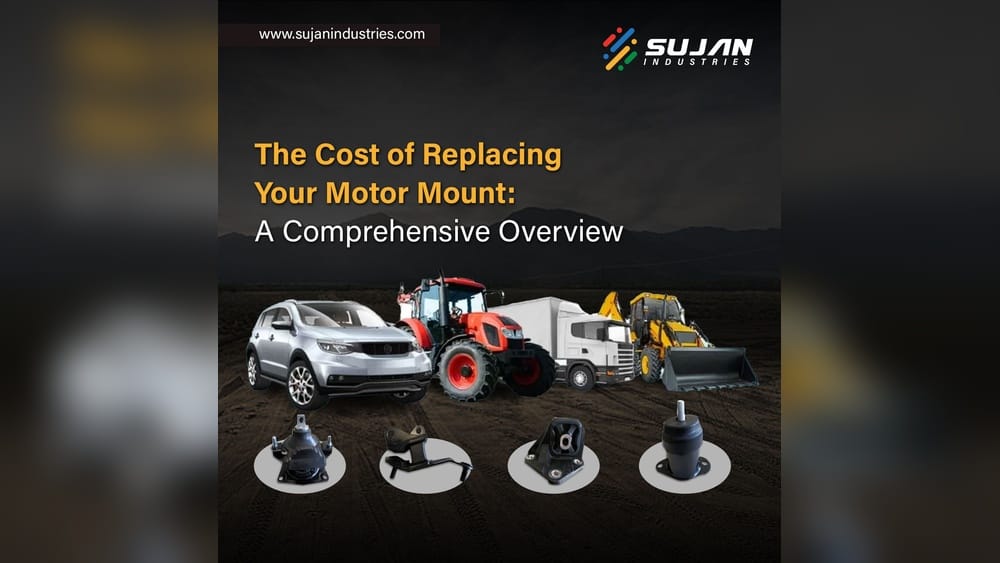
Most car owners rarely think about motor mounts—until something goes wrong. These small but critical parts hold your engine steady and absorb vibrations. When they wear out, you might notice strange noises, shaking, or even damage to other car components. If your mechanic has told you it’s time to replace your motor mounts, you probably have one big question: How much will it cost?
The answer isn’t simple. The price to replace motor mounts can vary a lot depending on your car, where you live, and whether you do the work yourself or hire a professional. This article will break down everything you need to know about the cost of motor mount replacement, signs you need new mounts, what affects the price, and how you can make the best choice for your car and budget.
What Are Motor Mounts And Why Do They Matter?
Motor mounts, sometimes called engine mounts, are small parts that connect your engine to your car’s frame. Most cars have three or four mounts. They’re usually made of metal and rubber. The metal gives strength, and the rubber absorbs engine vibrations so you don’t feel them inside the car.
When motor mounts fail, the engine can move too much. This causes noise, vibration, and even damage to parts like the exhaust or axles. In rare cases, a broken mount can make your car unsafe to drive.
Signs Your Motor Mounts Need Replacement
You may not see your motor mounts, but you can often feel when something is wrong. Here are some common signs you need new mounts:
- Excessive vibrations: If your steering wheel, seats, or dashboard shake more than usual, especially at idle, a worn mount could be the cause.
- Clunking or banging noises: When you shift gears or start moving, you might hear a thump if the engine moves too much.
- Engine movement: Open your hood, put the car in gear (with your foot firmly on the brake), and watch the engine. If it rocks back and forth, that’s a bad sign.
- Visible wear: Sometimes, you can see cracks in the rubber or metal parts of the mount.
- Misaligned hoses or wires: If the engine moves, it can pull on other parts, causing unexpected problems.
Ignoring these symptoms can lead to more expensive repairs. For example, a loose engine can damage the exhaust, axles, or even the transmission.
How Much Does It Cost To Replace Motor Mounts?
The cost to replace motor mounts depends on many factors. For most drivers, the total price can range from $200 to $800 for parts and labor at a repair shop. Some luxury or performance cars can cost over $1,200.
Let’s break down the main costs:
Parts Cost
Motor mounts themselves are not usually expensive, but prices vary by car:
- Economy cars: $25–$75 per mount
- Mid-range cars: $50–$150 per mount
- Luxury/sports cars: $150–$500 per mount
Some cars need only one or two mounts replaced; others require all four. Always check your owner’s manual or ask your mechanic which mounts need work.
Labor Cost
The big cost is usually labor. Some mounts are easy to reach, while others require the engine to be lifted. Labor costs depend on:
- Mount location: Front mounts are often easier; rear or side mounts can take more time.
- Car design: Some cars have little space in the engine bay, making the job longer.
- Shop rates: Labor rates in the US range from $70–$150 per hour.
On average, expect 2–4 hours of labor for most cars, but some jobs take over 6 hours.
Common Total Costs By Car Type
Here’s a look at typical total prices for different car types:
| Car Type | Parts Cost (each) | Labor Cost | Total (per mount) |
|---|---|---|---|
| Economy Sedan (e.g., Toyota Corolla) | $40–$90 | $150–$300 | $190–$390 |
| Mid-Size SUV (e.g., Honda CR-V) | $60–$140 | $200–$400 | $260–$540 |
| Luxury Car (e.g., BMW 5 Series) | $180–$350 | $350–$600 | $530–$950 |
| Performance Car (e.g., Ford Mustang) | $100–$250 | $300–$500 | $400–$750 |
*Note: These numbers are for one mount. Some cars have multiple mounts that may need replacing.*
Diy Vs. Professional Replacement
If you’re handy with tools, you might try replacing motor mounts yourself. This can save you hundreds in labor, but it’s not for everyone. You’ll need:
- A safe way to support the engine (like a jack and stands)
- Basic tools: Wrenches, sockets, maybe a breaker bar
- A repair manual or reliable guide
DIY parts cost is the same, but you save on labor. However, this job can be tricky—especially in cars where space is tight.
Factors That Affect Motor Mount Replacement Cost
Why do prices vary so much? Here are the main things that change the cost:
Make And Model Of The Car
Some cars have simple, easy-to-reach mounts. Others pack the engine tightly, making the job harder. For example:
- Honda Civics: Usually cheap and simple to replace.
- Volkswagen Passat: Some mounts require removing other parts, raising labor time.
- BMW or Mercedes: Often need special tools and extra labor.
Number Of Mounts Needing Replacement
Not all mounts wear out at the same time. Sometimes, only one is bad. Other times, it’s smarter to replace all at once, especially in older cars.
Changing all the mounts at once can save on labor if they are easy to access, but it raises the parts cost.
Type Of Motor Mount
There are several types of mounts:
- Standard rubber mounts: Cheapest and most common.
- Hydraulic mounts: Use fluid inside for smoother ride; more expensive.
- Active mounts: Found in some modern cars; use sensors and electronics to adjust vibration. These are the most expensive.
Shop Location And Labor Rates
Repair shops in big cities usually charge more for labor than small towns. For example, a shop in Los Angeles or New York will likely charge more per hour than one in a rural area.
Quality Of Replacement Parts
You can buy OEM (original equipment manufacturer) mounts or aftermarket parts. OEM are usually more expensive but fit perfectly. Aftermarket can be cheaper, but sometimes don’t last as long.
Additional Repairs Needed
Sometimes, a bad mount damages other parts. For example, a worn mount can cause an exhaust leak or damage an axle. These extra repairs add to the bill.
Warranty And Guarantees
Some shops offer warranties on their work or parts. Paying a bit more for a good warranty can save money if something goes wrong later.
Real-world Examples: Common Cars And Their Motor Mount Costs
Let’s look at some popular models and what owners typically pay for new motor mounts.
Toyota Corolla
- Parts: $40–$90 per mount (rubber type)
- Labor: $120–$300 per mount
- Total: $160–$390 per mount
Most owners only need one or two mounts replaced at a time. The job usually takes 2–3 hours.
Honda Accord
- Parts: $60–$140 per mount (hydraulic in newer models)
- Labor: $200–$400
- Total: $260–$540
Accords sometimes require the engine to be lifted for access, increasing labor costs.
Ford F-150
- Parts: $80–$200 (varies by engine)
- Labor: $250–$450
- Total: $330–$650
Trucks often have larger mounts, and labor can be higher due to size and weight.
Bmw 3 Series
- Parts: $180–$350 (hydraulic or active mounts)
- Labor: $350–$600
- Total: $530–$950
European cars often have more expensive parts and require special tools.
Nissan Altima
- Parts: $50–$120
- Labor: $150–$350
- Total: $200–$470
Altimas are generally simple to work on, keeping labor costs lower.

Credit: repairpal.com
How To Save Money On Motor Mount Replacement
Motor mount replacement can be expensive, but there are smart ways to reduce costs without risking your car’s health.
1. Shop Around For Quotes
Prices vary between repair shops. Always get at least two or three quotes. Ask for a full breakdown of parts and labor. Don’t just pick the cheapest—check reviews and warranties, too.
2. Consider Aftermarket Parts
Aftermarket mounts are often less expensive than OEM parts. Some brands offer good quality at a lower price. For older cars, this can be a great way to save money. Just make sure the brand is reputable.
3. Combine Repairs
If your car needs other engine work (like a timing belt or water pump), ask if the mechanic can do everything at once. This can save on labor, since the engine may already be lifted.
4. Try Diy (if Confident)
If you have the tools and skills, doing the job yourself can save hundreds. But be honest about your experience. A mistake here can cause costly engine damage.
5. Use Coupons Or Promotions
Some repair shops offer online coupons or discounts for first-time customers. Always ask if there are current deals.
6. Avoid Unnecessary Upgrades
Some shops may suggest high-performance or “race” mounts. These are stiffer and can increase vibration. For most daily drivers, standard mounts are best.
7. Look For Warranties
Choose parts and shops with good warranties. This gives peace of mind and can save money if something fails soon after the repair.
What Happens If You Don’t Replace Bad Motor Mounts?
Delaying motor mount replacement can lead to bigger problems and higher costs. Here’s what you risk:
- Increased engine movement: This can break hoses, wires, or even the exhaust.
- More vibration and noise: Makes driving uncomfortable and can cause other parts to wear out faster.
- Transmission damage: In some cars, a loose engine can strain the transmission.
- Safety risks: In rare cases, the engine can move enough to affect steering or braking.
Ignoring bad mounts often leads to repairs that cost much more than just replacing the mounts themselves.
How Long Do Motor Mounts Last?
Most motor mounts last 60,000 to 100,000 miles. But their lifespan depends on your driving style, road conditions, and engine type.
- City driving: Frequent stops and starts wear mounts faster.
- Harsh roads: Potholes and bumps increase stress on mounts.
- Aggressive driving: Hard acceleration and braking shorten lifespan.
If you notice any symptoms of bad mounts, have them checked—even if your car is under 60,000 miles.
Can You Drive With A Bad Motor Mount?
You might be able to drive for a short time with a bad mount, especially if it’s only slightly worn. But this is risky. The problem will get worse, and you could damage other parts. If the engine shifts too much, it can even break something important while you’re driving.
If you hear loud banging, feel strong vibrations, or see the engine moving, stop driving and have the car towed.
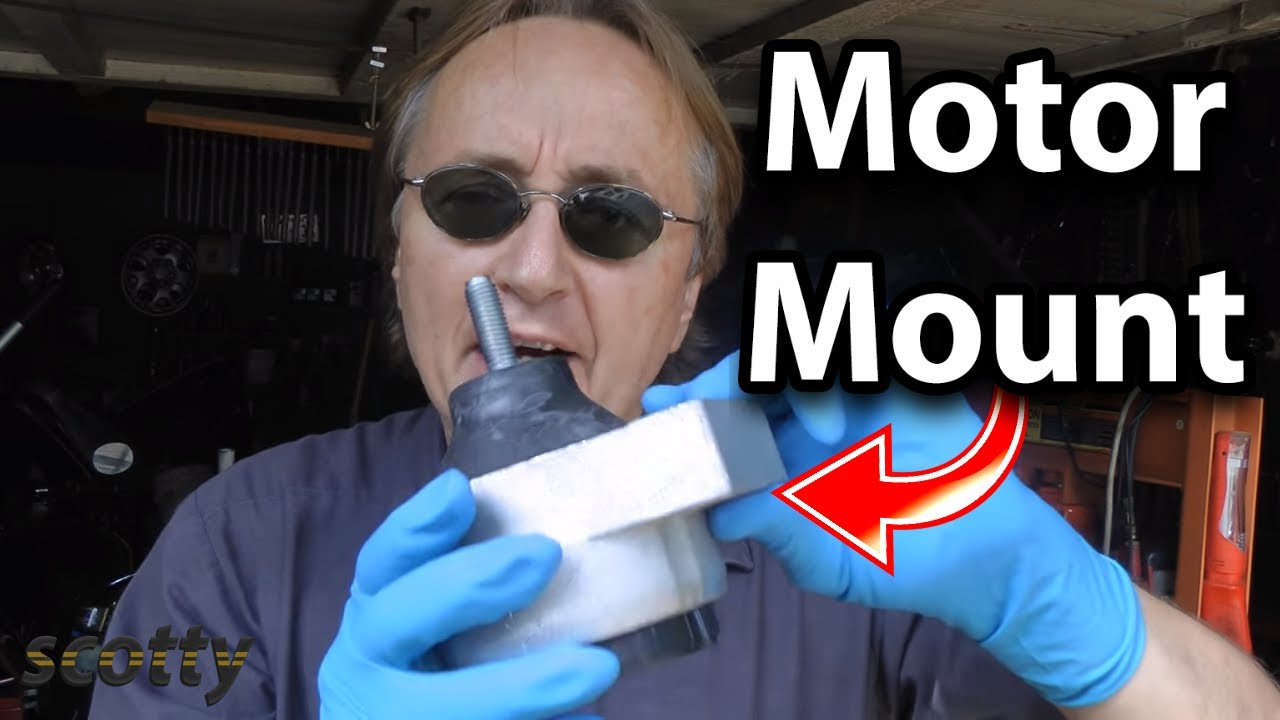
Credit: www.youtube.com
How To Choose The Right Motor Mounts
Choosing the right replacement parts is important for safety and ride comfort. Here’s what to consider:
Oem Vs. Aftermarket
- OEM (Original Equipment Manufacturer): Made to the exact standards of your car’s maker. Usually fit perfectly and last long, but cost more.
- Aftermarket: Can be cheaper and sometimes improve performance. Quality varies by brand—look for reviews or ask your mechanic.
Rubber, Hydraulic, Or Solid
- Rubber mounts: Good for most cars and daily driving.
- Hydraulic mounts: Smoother ride, more expensive. Common in newer or luxury vehicles.
- Solid mounts (polyurethane, metal): Used in racing or off-road vehicles. Stiffer, more vibration.
Compatibility
Always check the part number for your vehicle’s make, model, and year. Even mounts for the same car can change between years or trim levels.
Warranty
Choose mounts with a good warranty. Some offer 1–3 years or even lifetime coverage.
The Motor Mount Replacement Process: What To Expect
If you’ve never had a motor mount replaced, here’s a step-by-step look at what happens:
- Diagnosis: Mechanic confirms which mount(s) are bad.
- Preparation: Car is safely lifted or supported. Sometimes the engine must be raised.
- Removal: Old mount is unbolted and removed. This can be tricky if bolts are rusted.
- Installation: New mount is installed and bolts tightened to the correct torque.
- Inspection: Mechanic checks for other problems (worn hoses, wires).
- Test drive: The car is driven to check for noise or vibration.
For most cars, the job takes 2–4 hours. Some luxury or performance cars take longer.
Is It Worth Replacing Motor Mounts On An Old Car?
This is a common question—especially if your car is over 10 years old. Here’s how to decide:
- Car value: If your car is worth less than $2,000, and the repair is $800+, think carefully.
- Overall condition: If the car is reliable and in good shape, new mounts can make it feel almost new.
- Future repairs: Consider what other repairs might be coming soon (transmission, timing belt, etc. ).
- Personal attachment: Sentimental value or a car you trust may be worth fixing.
In many cases, replacing motor mounts is cheaper than buying a new car or dealing with bigger repairs later.
Frequently Overlooked Details About Motor Mount Replacement
Most guides stop at the basics, but here are two details many people miss:
- Broken mounts can cause engine codes. Some modern cars have sensors to detect excess engine movement. If your check engine light is on, a bad mount might be the reason.
- Front-wheel drive vs. rear-wheel drive: FWD cars often have more complex mounts, especially if they use hydraulic or electronic mounts. This can make the repair harder and more expensive.
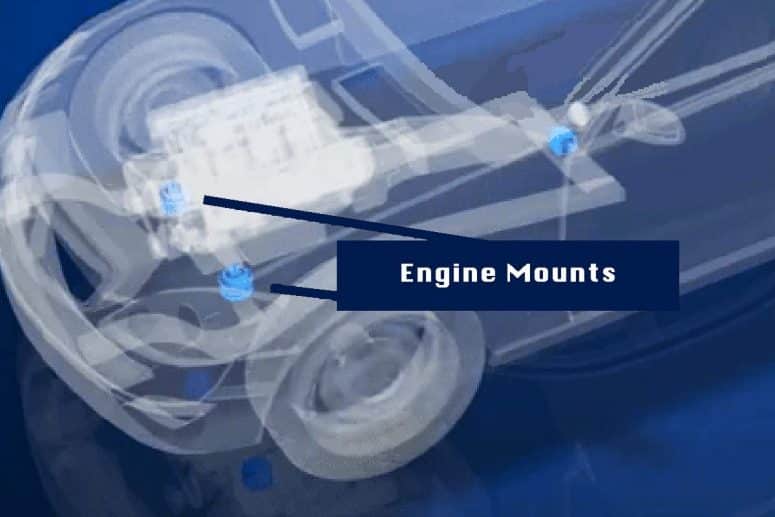
Credit: www.autoscopecarcare.com
Comparing Motor Mount Replacement To Other Common Repairs
To put things in perspective, here’s how motor mount replacement compares to other frequent repairs:
| Repair Type | Average Parts Cost | Average Labor Cost | Typical Total Cost |
|---|---|---|---|
| Motor Mount Replacement | $50–$350 (per mount) | $150–$600 | $200–$950 |
| Brake Pad Replacement | $40–$120 (per axle) | $80–$200 | $120–$320 |
| Alternator Replacement | $100–$350 | $120–$300 | $220–$650 |
| Transmission Mount Replacement | $60–$180 | $150–$350 | $210–$530 |
Motor mount replacement is not the cheapest repair, but it’s often less expensive than major engine or transmission work.
Signs Of A Quality Motor Mount Replacement
How do you know the job was done right? Here’s what to look for after the repair:
- Smooth idle: The car should no longer shake at stoplights.
- No clunking: Shifting from park to drive or reverse should be smooth and quiet.
- No new warning lights: If the check engine light comes on after the repair, return to the shop.
- Improved comfort: You should feel less vibration inside the car.
If you notice new noises or vibrations, ask the shop to double-check their work.
When To Replace All Motor Mounts At Once
It’s not always necessary to replace every mount, but sometimes it makes sense:
- High mileage: If your car has over 100,000 miles, all mounts may be worn.
- Severe vibration: If one mount is bad, others may soon fail.
- Labor savings: If the shop has to lift the engine, doing all mounts at once can save money over time.
Ask your mechanic to inspect every mount before making a decision.
Should You Use Solid (performance) Motor Mounts?
You might see ads for solid or polyurethane mounts. These are stiffer and transfer more engine power to the wheels. They’re great for racing, but not always for daily driving.
- Pros: Less engine movement, better performance.
- Cons: More vibration, louder ride, possible wear on other parts.
For most people, standard rubber or hydraulic mounts are the best choice.
Warranty And Aftermarket Motor Mounts: What To Know
Aftermarket parts sometimes get a bad reputation, but many brands offer high quality at a lower price. Here’s what to look for:
- Brand reputation: Search for reviews or ask your mechanic.
- Warranty: Good aftermarket mounts should offer at least 1 year of coverage.
- Fit and finish: Make sure the mount matches your car exactly.
OEM mounts are always safe, but some aftermarket brands (like Anchor, DEA, or Westar) are well-respected.
Environmental Impact Of Motor Mounts
You might not think motor mounts affect the environment, but they do in small ways:
- Old rubber: Worn mounts often end up in landfills. Some shops recycle the metal parts.
- Hydraulic fluid: Leaking mounts can release fluid into the environment. Proper disposal is important.
Ask your repair shop how they handle old mounts.
How To Get The Most Life From Your New Motor Mounts
Once you’ve replaced your mounts, you’ll want them to last. Here’s how:
- Drive gently: Hard starts and stops wear mounts faster.
- Avoid potholes: Rough roads stress mounts.
- Fix leaks fast: Oil or coolant leaks can damage rubber mounts.
- Check regularly: Have your mechanic inspect mounts during routine service.
These simple steps can add years to your new mounts.
Frequently Asked Questions
How Do I Know If My Motor Mounts Are Bad?
Watch for strong vibrations, clunking noises, or engine movement when shifting gears. Sometimes, a mechanic can spot cracked or worn mounts during an inspection.
Can I Replace Just One Motor Mount, Or Do I Need To Change Them All?
You can replace only the damaged mount, but if your car is older or you feel a lot of vibration, replacing all at once may save on labor and future repairs.
Is It Safe To Drive With A Broken Motor Mount?
Short trips may be possible, but it’s risky. A broken mount can cause engine or transmission damage, or even a safety issue if the engine moves too much.
Do Aftermarket Motor Mounts Last As Long As Oem?
Some do, but quality varies. Stick with well-known brands and check for a good warranty. For best results, use OEM or trusted aftermarket parts.
Where Can I Find More Information About Motor Mounts?
For technical details and examples, visit the Wikipedia Engine Mount page.
Keeping your car running smoothly means paying attention to small parts like motor mounts. Replacing them can be a smart investment, improving comfort, performance, and safety. By understanding the costs and your options, you can make the best choice for your vehicle and your wallet.