
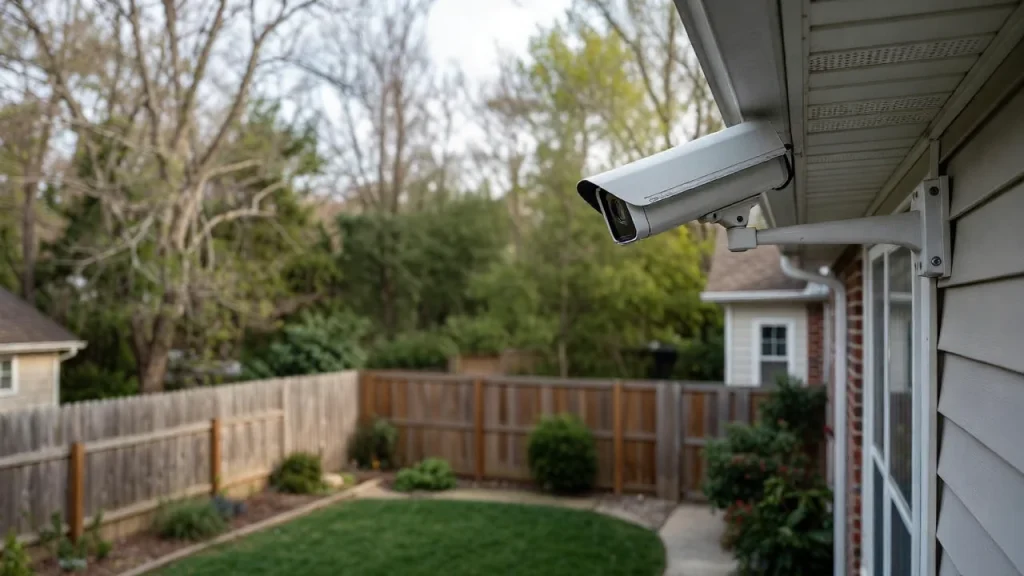
Are you worried that your neighbor’s security camera is watching your every move? Feeling uncomfortable about your privacy being invaded right from your own home?
You’re not alone. Many people face this issue and want to find simple, effective ways to block unwanted surveillance. You’ll discover practical tips and easy solutions to protect your privacy without causing trouble. Keep reading to learn how you can take control and feel safe in your own space again.
Privacy Concerns With Security Cameras
Security cameras are common in many neighborhoods. They help protect homes but also raise privacy concerns. Cameras can sometimes capture areas beyond the owner’s property. This causes worry for neighbors who value their personal space and privacy.
Understanding privacy issues helps you handle camera concerns better. Knowing legal limits guides you on what is acceptable and what is not. It is important to respect others while protecting your own privacy.
Common Privacy Issues
Security cameras may record private moments unintentionally. They can capture people in their yards or windows. This feels like an invasion of personal space. Cameras might also record sounds, which adds to privacy worries. Neighbors can feel watched or uncomfortable with constant surveillance nearby.
Legal Boundaries On Surveillance
Laws vary by location but usually protect privacy rights. Cameras should not point directly into someone’s home. Recording audio without consent is illegal in many places. Public areas are generally allowed to be recorded. Private property has stronger protections under the law. Knowing these rules helps avoid conflicts and legal trouble.
Assessing Your Situation
Before taking steps to block a neighbor’s security camera, start by carefully assessing your situation. This helps you understand where cameras are located and what areas they cover. Knowing these details guides your next actions effectively.
Assessing your situation reduces guesswork. It helps you find the best ways to protect your privacy without causing conflicts.
Identifying Camera Locations
Walk around your property and note any visible cameras on neighbor’s homes. Look for devices mounted on walls, eaves, or fences. Cameras often point toward windows, doors, or yards.
Use binoculars if cameras are hard to see. Check during different times of the day for better visibility. Mark each camera’s exact spot on a simple sketch of your property.
Understanding Camera Coverage
Observe where each camera points and how much area it covers. Some cameras rotate or have wide lenses covering large spaces. Others focus on narrow, fixed spots.
Stand in places you want privacy. Notice if cameras capture these areas clearly. This helps decide if you need to block, shield, or talk with your neighbor.
Physical Barriers To Block Cameras
Physical barriers offer a simple, effective way to block a neighbor’s security camera. These barriers stop the camera from seeing your property. They work by creating a shield that blocks the camera’s view. This method keeps your space private without causing any harm or legal issues. Using plants, fences, or screens can help you gain back privacy. These solutions are natural and blend well with your home’s look.
Using Plants And Fences
Plants provide a natural shield that cameras cannot see through. Tall shrubs, bushes, or trees work well for this purpose. They are easy to grow and maintain. Plants also add beauty to your garden or yard. Fences act as a strong physical barrier. Choose solid fences to block the camera’s line of sight. Wooden or vinyl fences are good options. Make sure the fence is tall enough to cover the camera’s angle. These barriers give you privacy and keep your outdoor space secure.
Installing Privacy Screens
Privacy screens create a solid block in front of cameras. They come in many styles and materials. Use screens made of wood, metal, or fabric. Screens can be mounted on walls, fences, or poles. They are easy to install and remove if needed. Privacy screens work well on balconies, patios, or near windows. These screens allow fresh air and light while blocking unwanted views. They offer a flexible and stylish way to protect your privacy.
Technological Solutions
Technological solutions offer practical ways to block neighbors’ security cameras. These methods focus on disrupting or obscuring the camera’s view. They require some knowledge and caution to avoid legal or ethical issues. Two common options are camera jammers and lighting techniques.
Camera Jammers And Their Risks
Camera jammers send signals that interfere with security cameras. They can stop cameras from recording or transmitting images. Using jammers may seem effective, but they carry serious risks. Many places consider jamming illegal due to privacy and safety laws. Jammers can also affect other devices nearby, causing unwanted problems. Think carefully before using this tool.
Lighting Techniques To Obscure Cameras
Strong lights can block a camera’s view by creating glare. Placing bright lights near cameras can reduce their ability to capture clear images. LED floodlights or motion-activated lights work well for this. Lighting changes the camera’s focus, making it hard to see details. This method is safer and less likely to cause legal issues than jammers.
Legal And Ethical Considerations
Blocking a neighbor’s security camera may seem like a quick fix for privacy concerns. Yet, it raises important legal and ethical questions. Understanding these can help avoid trouble and keep good relations with neighbors.
Privacy matters. But so does respecting property and laws. Knowing what is allowed and what is not is crucial before taking any action against a camera.
Laws On Tampering With Cameras
Interfering with someone else’s security camera is often illegal. Laws protect property and personal belongings. Damaging or blocking a camera can lead to fines or criminal charges.
Legal rules vary by location. Some places treat camera tampering as theft or vandalism. Others classify it as an invasion of privacy. Always check local laws before acting.
Even disabling a camera temporarily may be against the law. Courts usually favor protecting property rights. Ignoring these laws can cause serious legal problems.
Respecting Neighbor Relationships
Neighbors share more than a fence. Respect builds trust and community peace. Acting against a camera without permission harms this trust.
Communication is key. Talking about privacy concerns can lead to solutions both sides accept. This avoids conflicts and creates understanding.
Ignoring neighbor feelings can cause long-term disputes. Keeping good relationships often matters more than blocking a camera. Consider dialogue before any action.
Communicating With Neighbors
Talking with neighbors about their security cameras can feel tricky. Privacy is important for everyone. Clear communication helps solve concerns without conflict. It builds trust and respect. You can find ways to protect your privacy while respecting theirs.
Approaching The Topic Tactfully
Start with a friendly greeting. Choose a calm moment to talk. Avoid sounding angry or accusatory. Explain your feelings about privacy simply. Use “I” statements like “I feel” or “I am worried.” This lowers defensiveness. Listen carefully to their views. Show you respect their need for security.
Finding Mutual Privacy Solutions
Suggest solutions that help both sides. Propose adjusting camera angles to avoid your property. Offer ideas like privacy screens or plants. Discuss technology options that blur private areas. Agree on clear boundaries for camera coverage. Work together to set rules everyone follows. This teamwork makes living near cameras easier.
Enhancing Your Own Privacy
Protecting your privacy starts with making smart changes around your home. You can control what others see by adjusting your property layout. Small changes can create a big difference in blocking unwanted views from neighbors’ cameras.
Using simple privacy devices can also help. These tools add a layer of security and keep your space private. Together, these steps help you feel safe and comfortable in your own yard.
Adjusting Your Property Layout
Move plants or trees to block camera angles. Tall bushes and hedges work well as natural barriers. Place them where cameras have a direct line of sight.
Change the position of outdoor furniture or decorations. Keep private areas out of the camera’s view. Rearrange items to create visual blocks without much effort.
Consider building fences or walls that match your home style. Solid fences help stop cameras from seeing inside your yard. Check local rules about fence height before building.
Using Privacy Devices On Your Side
Install privacy screens or panels near windows and patios. These screens stop cameras from capturing your activities. Choose materials that blend with your home’s look.
Use outdoor curtains or blinds for extra coverage. They offer flexible privacy and can be opened or closed easily. This keeps your space private during key times.
Try anti-surveillance film on windows. It reduces glare and blocks camera lenses. This simple film lets you enjoy daylight but hides your indoors from cameras.
Frequently Asked Questions
How Can I Legally Block A Neighbor’s Security Camera?
You must check local laws before blocking cameras. Talk to your neighbor first to resolve issues amicably. Avoid illegal actions like tampering or damaging equipment to prevent legal trouble.
What Are Safe Methods To Block Security Camera Views?
Use privacy screens, fences, or plants to block camera views safely. These methods respect privacy without interfering with the camera’s function. They offer a legal and non-confrontational solution.
Can I Use Technology To Disable Neighbor’s Cameras?
Disabling cameras using technology like jammers is illegal in many areas. It can cause legal consequences and disrupt other devices. Always seek legal advice before considering technical interference.
How Do I Discuss Camera Concerns With My Neighbor?
Approach your neighbor calmly and express your privacy concerns clearly. Suggest mutually agreeable solutions like repositioning cameras or adding privacy barriers. Open communication often resolves issues without conflict.
Conclusion
Blocking a neighbor’s security camera requires care and respect. Always check local laws before taking any action. Talk with your neighbor to solve issues calmly. Use physical barriers like plants or fences to limit the view. Avoid illegal methods that can cause trouble.
Protect your privacy while keeping good neighbor relations. Stay informed about your rights and options. Privacy matters. Handle the situation thoughtfully and responsibly.