
Cleaning your coffee maker is more important than many people realize. It’s not just about making your machine look nice. Regular cleaning keeps your coffee tasting fresh, helps your machine last longer, and protects your health. Over time, minerals from water, coffee oils, and even mold can build up inside. If you ignore cleaning, your coffee may taste bitter, your machine could break down, and bacteria can grow. Whether you use a drip coffee maker, single-serve pod machine, French press, or espresso maker, knowing how to clean it the right way will make a big difference. In this guide, you’ll learn how to clean each type of coffee maker step by step, what tools and products to use, how often to clean, and some smart tips that most people miss. Even if you’re new to coffee machines, you’ll find clear instructions and practical advice to help you keep your coffee maker in top shape.
Why Cleaning Coffee Makers Matters
Many people don’t realize that coffee makers are perfect places for bacteria and mold to grow. Coffee machines are warm, damp, and often used daily. The National Sanitation Foundation found that coffee reservoirs are among the top five germiest places in the home. Old coffee oils can stick to parts inside the machine and turn rancid, affecting taste and smell. Mineral deposits from water can block pipes and heating elements, making the machine work less efficiently.
You might think a quick rinse is enough, but that doesn’t remove hidden buildup. Coffee makers that aren’t cleaned regularly can actually change the flavor of your coffee, making it bitter or sour. Worse, mold and bacteria can make you sick.
Keeping your machine clean protects your investment and your health.
Tools And Materials You Need
Before you start cleaning, gather these items:
- White vinegar or descaling solution
- Mild dish soap
- Soft sponge or cloth
- Bottle brush or small brush
- Paper towels
- Clean water
- Toothpick or cotton swab (for small parts)
- Baking soda (optional)
- Rubber gloves (if you want extra protection)
- Replacement water filter (for some machines)
Having everything ready will make the process faster and easier. You don’t need expensive products—most cleaning can be done with simple household items.
:max_bytes(150000):strip_icc()/6-coffee-maker-components-washed-separately-045ca3f7a9b14ec29aa07f32b3c9555f.jpg)
Credit: www.foodandwine.com
How Often Should You Clean Your Coffee Maker?
Cleaning frequency depends on how often you use your coffee maker and the type of machine. Here are some guidelines:
- Daily: Rinse and wash removable parts like the carafe and filter basket.
- Weekly: Clean all removable parts with soap and water.
- Monthly: Deep clean with vinegar or descaling solution to remove mineral buildup.
- Every 2–3 months: Replace water filters if your machine uses them.
If you notice your coffee tastes bad, or the machine makes strange noises, clean it right away. Hard water areas need more frequent descaling.
Step-by-step Cleaning: Drip Coffee Makers
Drip coffee makers are the most common type. Here’s how to clean them:
Daily Cleaning
- Remove the carafe and filter basket.
- Wash both with mild dish soap and warm water.
- Rinse thoroughly and dry before putting them back.
Weekly Cleaning
- Take out all removable parts: Carafe, filter basket, and lid.
- Wash each part with soap and water.
- Wipe the machine’s exterior with a damp cloth.
Monthly Deep Cleaning
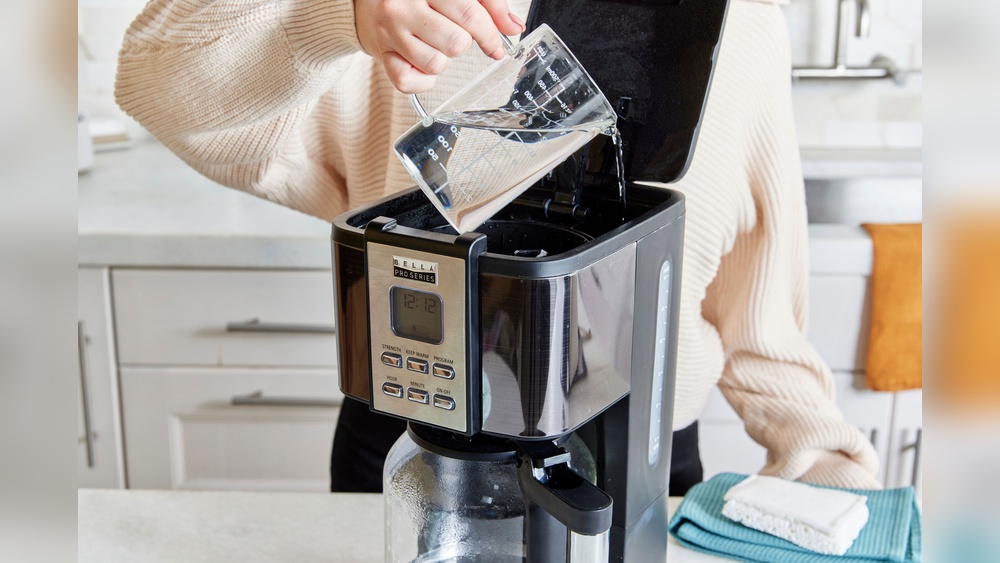
- Mix equal parts white vinegar and water (about 4 cups each).
- Pour the mixture into the water reservoir.
- Run a brew cycle without coffee grounds.
- Halfway through, turn off the machine and let it sit for 30–60 minutes.
- Turn the machine back on and finish the cycle.
- Empty the carafe, then run 2–3 cycles with clean water to rinse.
This removes hidden mineral deposits and coffee oils.
Extra Tips
- Clean the hot plate with a soft cloth to remove stains.
- Use a toothpick to clean small holes or crevices.
- If you notice white spots or buildup, use baking soda and water to scrub gently.
Cleaning Single-serve Pod Machines (keurig, Nespresso)
These machines are very popular, but their design means bacteria can hide in small places. Here’s how to clean them:
Daily Cleaning
- Remove and wash the pod holder and drip tray with soap and water.
- Wipe the exterior with a damp cloth.
Weekly Cleaning
- Remove the water reservoir and wash it with mild soap.
- Rinse and dry thoroughly.
- Clean the needle (where the pod is pierced) with a toothpick or cotton swab.
Monthly Descaling
- Buy a descaling solution or use white vinegar (equal parts with water).
- Pour into the water reservoir.
- Run brew cycles without a pod, until the reservoir is empty.
- Let the machine sit for 30 minutes if possible.
- Rinse by running several cycles with clean water.
Common Mistakes
- Not cleaning the needle—this can block the flow.
- Forgetting to clean the water reservoir, which can grow mold.
Special Insights
- If you use flavored pods, oils can build up faster. Clean more often.
- Dry all parts completely before reassembling to prevent mold.
Cleaning French Press Coffee Makers
French press is simple, but coffee oils stick to glass and mesh filters. Here’s how to clean yours:
After Each Use
- Discard used coffee grounds.
- Take apart the plunger and filter.
- Wash all parts with warm water and mild soap.
- Use a soft sponge to avoid scratching the glass.
- Rinse and dry thoroughly.
Deep Cleaning (monthly)
- Disassemble the plunger, filter, and mesh screens.
- Soak parts in warm soapy water for 30 minutes.
- Scrub mesh filter gently with a bottle brush.
- Rinse well, then let parts air dry.
Tips
- If the mesh smells, soak in a mixture of water and baking soda.
- Don’t leave grounds sitting in the press; they stain and smell.
Cleaning Espresso Machines
Espresso machines are more complex, with more parts and pipes. Proper cleaning is essential for taste and machine life.
Daily Maintenance
- Remove and wash the portafilter and basket.
- Wipe the steam wand after each use.
- Flush the machine with clean water.
Weekly Cleaning
- Backflush the machine (if your model supports it) with water.
- Clean the drip tray and water reservoir.
- Wash removable parts with mild soap.
Monthly Deep Cleaning
- Use a descaling solution or vinegar, following your machine’s instructions.
- Run the solution through the machine, then flush with clean water.
- Clean the steam wand tip using a toothpick or small brush.
Extra Advice
- Always check your machine’s manual for specific cleaning steps.
- Leaving milk residue on the steam wand can cause clogs and bad smells.
- For machines with a built-in grinder, empty and clean the grinder monthly.
Cleaning Percolators
Percolators are less common but still used in many homes. Here’s how to clean them:
After Each Use
- Empty coffee grounds and wash the basket, tube, and pot with mild soap.
- Rinse thoroughly and dry.
Monthly Cleaning
- Fill the percolator with water and add two tablespoons of baking soda.
- Run a brew cycle.
- Rinse with clean water.
Tip
- For stubborn stains, scrub with a bottle brush and a paste of baking soda and water.
Cleaning Cold Brew Makers
Cold brew makers often have filters that trap coffee oils. Regular cleaning is important.
After Each Batch
- Remove grounds and wash the container, filter, and lid.
- Use mild soap and water.
- Rinse and dry.
Monthly Deep Cleaning
- Soak filters in a mixture of water and vinegar for 30 minutes.
- Rinse well and let dry.
Insight
- Cold brew makers often have tight seals—clean under seals to prevent mold.
Cleaning Specialty Coffee Makers
Some coffee makers have unique designs: AeroPress, Moka pot, Syphon. Here’s what to do:
Aeropress
- After use, push out the coffee puck.
- Disassemble and wash all parts with warm water and soap.
- Once a month, soak in vinegar and water.
Moka Pot
- Unscrew and separate all parts.
- Wash with mild soap and water.
- Scrub the filter and gasket.
- Dry completely before reassembling.
Syphon
- Wash glass and filter parts gently.
- Avoid using abrasive sponges.
- Soak filter in vinegar if needed.
How Water Quality Affects Cleaning
If you live in an area with hard water (water with high mineral content), your coffee maker will get mineral buildup faster. You may notice white spots or scale inside the reservoir or pipes. Hard water can make your machine work less efficiently and even shorten its lifespan.
In these areas, it’s smart to:
- Use filtered or bottled water if possible.
- Descale your machine more often (every 2–3 weeks).
- Watch for signs of buildup: Slow brewing, strange tastes, or visible deposits.
If you’re unsure about your water quality, check your local water report or ask your utility company.
Using Vinegar Vs. Commercial Descaling Solutions
Many people ask if white vinegar is as good as commercial descaling products. Vinegar is cheap, easy to find, and works well for removing mineral deposits. It’s safe for most machines. However, it has a strong smell, and some machines (like certain espresso makers) may recommend special solutions.
Commercial descaling products are designed specifically for coffee makers. They often work faster and don’t leave a smell. Always check your machine’s manual to see what’s recommended.
Here’s a quick comparison:
| Cleaning Agent | Pros | Cons |
|---|---|---|
| White Vinegar | Cheap, effective, easy to find | Strong smell, may require extra rinsing |
| Descaling Solution | Designed for coffee makers, no smell | Costs more, must buy specially |
| Baking Soda | Good for scrubbing, removes stains | Not for deep descaling, can leave residue |
Common Cleaning Mistakes
Even experienced coffee drinkers make mistakes when cleaning their machines. Here are some to avoid:
- Skipping the water reservoir: Mold can grow here, especially in single-serve machines.
- Not cleaning small parts: Places like the pod needle or steam wand tip can clog.
- Using harsh scrubbers: These can scratch glass or plastic, making stains worse.
- Reassembling while wet: Always dry parts fully to prevent mold.
- Ignoring filters: Many machines have water filters that need regular changing.
- Only rinsing: Rinsing is not enough to remove oils and minerals.
How To Clean Coffee Stains And Odors
Coffee can stain glass, plastic, and metal. If you notice brown spots or smells, try these methods:
- Soak with a mixture of water and baking soda for 30 minutes, then scrub.
- For tough stains, use a paste of baking soda and water.
- To remove odors, soak parts in vinegar and water, then rinse well.
Some people use lemon juice for extra odor removal, but always rinse thoroughly.
How To Clean Coffee Maker Filters
Coffee makers use different filters—paper, metal, or charcoal. Here’s how to clean each:
Paper Filters
- Single-use. Throw away after each brew.
Metal Filters
- Rinse after each use.
- Wash with mild soap weekly.
- For deep cleaning, soak in vinegar and water.
Charcoal Filters
- Replace every 2–3 months (or as recommended).
- Don’t wash; just replace.
If your filter smells or clogs, clean it right away. A dirty filter can change the taste and slow brewing.
Signs Your Coffee Maker Needs Cleaning
Sometimes you don’t realize your machine needs cleaning until you see these signs:
- Coffee tastes bitter or strange
- Brewing is slower than usual
- Visible stains or white spots
- Bad smells from the machine
- Machine makes unusual noises
- Coffee is not hot enough
If you notice any of these, clean your coffee maker immediately.
How To Clean Coffee Makers In Office Or Commercial Settings
Cleaning coffee makers in offices is often overlooked. With more people using the machine, bacteria and mold can build up faster.
- Assign a cleaning schedule—daily rinsing, weekly soap cleaning, monthly descaling.
- Use signs to remind people to clean after use.
- For large commercial machines, follow the manufacturer’s instructions.
Cleaning shared machines is important for health and taste.
How To Store And Maintain A Clean Coffee Maker
Once your coffee maker is clean, proper storage helps keep it that way.
- Leave the lid open to let the inside dry.
- Store in a dry place.
- Don’t leave water or coffee grounds in the machine.
- If you’re not using the machine for a while, clean it before storage.
:strip_icc()/How_to_clean_coffeemaker_0220-Primary-d0c8d75c767a4d04a5b92b77d6db808c.jpg)
Credit: www.bhg.com
Comparing Cleaning Methods For Different Coffee Makers
Different machines need different cleaning approaches. Here’s a quick comparison:
| Machine Type | Daily Cleaning | Monthly Deep Clean | Special Tips |
|---|---|---|---|
| Drip Coffee Maker | Wash carafe & basket | Vinegar or descaling | Clean hot plate, dry parts |
| Pod Machine | Wash pod holder & tray | Descale, clean needle | Dry reservoir, clean needle |
| French Press | Wash all parts | Soak mesh in soap | Don’t leave grounds |
| Espresso Machine | Clean portafilter & wand | Descale, backflush | Clean grinder, check manual |
Practical Tips Most Beginners Miss
Many guides talk about cleaning, but a few smart tips are often left out:
- Use filtered water: This reduces mineral buildup and makes cleaning easier.
- Dry all parts completely: Mold loves damp surfaces. Air dry everything before putting it back.
- Check hidden areas: Places like under the lid or inside the water reservoir can hide mold.
- Replace filters regularly: Old filters can affect taste and slow brewing.
- Use gentle cleaning tools: Avoid rough sponges that can scratch surfaces.
How Cleaning Extends Machine Life
A clean coffee maker lasts longer. Mineral buildup can clog pipes and make the heating element work harder. This can cause breakdowns and expensive repairs. Cleaning removes deposits and keeps everything working smoothly.
Statistics show that machines cleaned regularly can last up to 30% longer than neglected ones. You’ll also get better tasting coffee every time.
How Cleaning Affects Coffee Flavor
Coffee is sensitive to changes in taste. Old oils and deposits can make coffee taste bitter or sour. A clean machine gives you the true flavor of your beans. Many coffee experts recommend deep cleaning every month for the best taste.
Eco-friendly Cleaning Options
If you want to avoid chemicals, you can use natural cleaning options:
- White vinegar: Safe and effective.
- Baking soda: Good for scrubbing stains.
- Lemon juice: Helps remove odors.
Avoid bleach or harsh chemicals. They can damage your machine and are not safe for coffee contact.
When To Replace Your Coffee Maker
Even with good cleaning, coffee makers don’t last forever. If your machine is very old, leaking, or still tastes bad after cleaning, it might be time to replace it. Most machines last 5–10 years with proper care.
Cleaning Coffee Makers: Real-life Example
Let’s look at a typical scenario. Sarah owns a drip coffee maker and uses it daily. She noticed her coffee started tasting bitter and the brew was slower. She followed these steps:
- Washed the carafe and filter basket with soap.
- Ran a vinegar-water cycle and let it sit for an hour.
- Rinsed with clean water twice.
- Cleaned the hot plate and wiped the exterior.
After cleaning, her coffee tasted fresh and brewed faster. She learned that regular cleaning saved her time and money.
Health Benefits Of Cleaning
Dirty coffee makers can grow mold, bacteria, and yeast. These can cause stomach problems or allergic reactions. Cleaning protects your health and your family’s. According to the NSF study, coffee reservoirs can have more germs than bathroom doors if not cleaned.
Choosing The Right Cleaning Products
With many cleaning products available, it’s easy to get confused. Choose products that are:
- Safe for food contact.
- Recommended by your machine’s manufacturer.
- Easy to rinse away.
You don’t need expensive cleaners. Vinegar and mild soap do the job for most machines.
For official guidance, visit the NSF’s coffee maker cleaning guide.
Frequently Asked Questions
How Often Should I Clean My Coffee Maker?
For best results, wash removable parts daily, deep clean once a month, and replace water filters every 2–3 months. If you live in a hard water area or use your machine a lot, clean more often.
Can I Use Vinegar In All Coffee Makers?
Vinegar is safe for most machines, especially drip coffee makers and French presses. Some espresso machines recommend special descaling products. Always check your machine’s manual before using vinegar.
What If My Coffee Maker Still Smells After Cleaning?
If bad smells remain, soak parts in vinegar and water for longer. Scrub with baking soda if needed. Rinse thoroughly and air dry before reassembling.
Do I Need To Clean The Inside Of The Water Reservoir?
Yes. Mold and bacteria can grow inside the reservoir. Wash it weekly with mild soap, and deep clean it monthly with vinegar or descaling solution.
How Can I Prevent Mold In My Coffee Maker?
Dry all parts completely before reassembling. Clean the machine regularly, especially the water reservoir. Use filtered water to reduce buildup and mold risk.
Cleaning your coffee maker is simple, but it makes a big difference for taste, health, and machine life. With regular care, you’ll enjoy better coffee and avoid expensive repairs. Even if you’re a beginner, following these steps will keep your coffee maker in excellent condition.
:max_bytes(150000):strip_icc()/clean-coffee-maker-with-vinegar-1907384_FINAL-3af08744866e446da1d71fb372e8270c.png)
Credit: www.thespruce.com