

Coffee is a daily habit for millions of people around the world. But many coffee drinkers don’t realize that their machines need regular cleaning to keep working well. One of the most important tasks is descaling—removing mineral buildup inside the coffee maker. If you skip this step, your coffee can start tasting bad, and your machine might even break down. In fact, studies show that limescale buildup can decrease a coffee machine’s efficiency by up to 25% and shorten its lifespan by several years.
Descaling sounds technical, but it’s actually easy once you know how. Whether you have a drip machine, single-serve brewer, espresso maker, or even a pod system, regular descaling is necessary. In this guide, you’ll learn what descaling is, why it matters, when to do it, which products work best, and—most importantly—step-by-step instructions for every type of coffee maker.
You’ll also find practical tips, answers to common questions, and expert advice most beginners miss.
Let’s make sure your next cup of coffee is as fresh and flavorful as possible.
What Is Descaling And Why Is It Important?
Descaling is the process of removing mineral deposits—mainly calcium and magnesium—from inside your coffee maker. These minerals come from tap water, especially if you live in a hard water area. Over time, they form a white, chalky layer called limescale.
You might wonder, “Why does this matter?” Here’s what happens if you don’t descale:
- Slower brewing: Limescale clogs water lines, making the machine work harder.
- Bad taste: Scale buildup can make your coffee taste metallic or sour.
- Lower temperature: Minerals act as insulation, so water may not get hot enough for proper extraction.
- Damage to machine: Pumps, boilers, and heating elements can break or wear out faster.
- Shorter lifespan: Machines with heavy scale buildup often fail years earlier than well-maintained ones.
Manufacturers like Keurig and Nespresso recommend descaling every 2-3 months. If you use your machine daily or have hard water, you may need to descale more often.
How To Know When Your Coffee Maker Needs Descaling
Not sure when to descale? Watch for these warning signs:
- Brewing takes longer than usual
- Coffee tastes bitter, metallic, or flat
- Visible white flakes or residue in carafe or water tank
- Less steam or low water temperature
- Machine makes louder noises
- Descale light or error message appears
Some high-end machines have built-in sensors or reminders. For others, set a calendar reminder every few months, or pay attention to any changes in taste or performance.
What You Need For Descaling
You don’t need special tools, but you do need the right descaling solution. Here are your main options:
- Commercial descaling solutions: Made for coffee machines, often citric or lactic acid-based. Safe, fast, and effective.
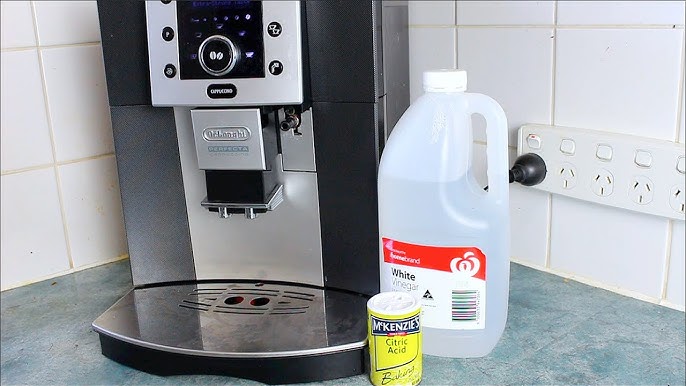
- Vinegar: Common household option (white distilled vinegar). Cheap, but can leave an odor if not rinsed well.
- Citric acid: Food-grade powder dissolved in water. Gentler than vinegar, no strong smell.
- Lemon juice: Natural, but less concentrated.
- Baking soda: Not effective for descaling (don’t use).
You’ll also need:
- Fresh water for rinsing
- A clean cloth or sponge
- Your coffee maker’s instruction manual (for reference)
Here’s a quick comparison of descaling solutions:
| Solution | Effectiveness | Odor | Cost | Safe for All Machines? |
|---|---|---|---|---|
| Commercial Descaler | High | Low | Medium | Yes |
| Vinegar | Medium | Strong | Low | Check manual |
| Citric Acid | Medium-High | Low | Low | Usually |
| Lemon Juice | Low-Medium | Moderate | Medium | Yes |
Pro Tip: Some machines (like certain Keurig and Nespresso models) warn against vinegar because it can damage seals or leave taste. Always check your manual first.
Step-by-step Guide: Descaling All Major Coffee Makers
Each type of coffee maker has its own process. Follow the steps for your machine below.
Drip Coffee Makers
Drip coffee makers are the most common in homes and offices. They’re simple to descale.
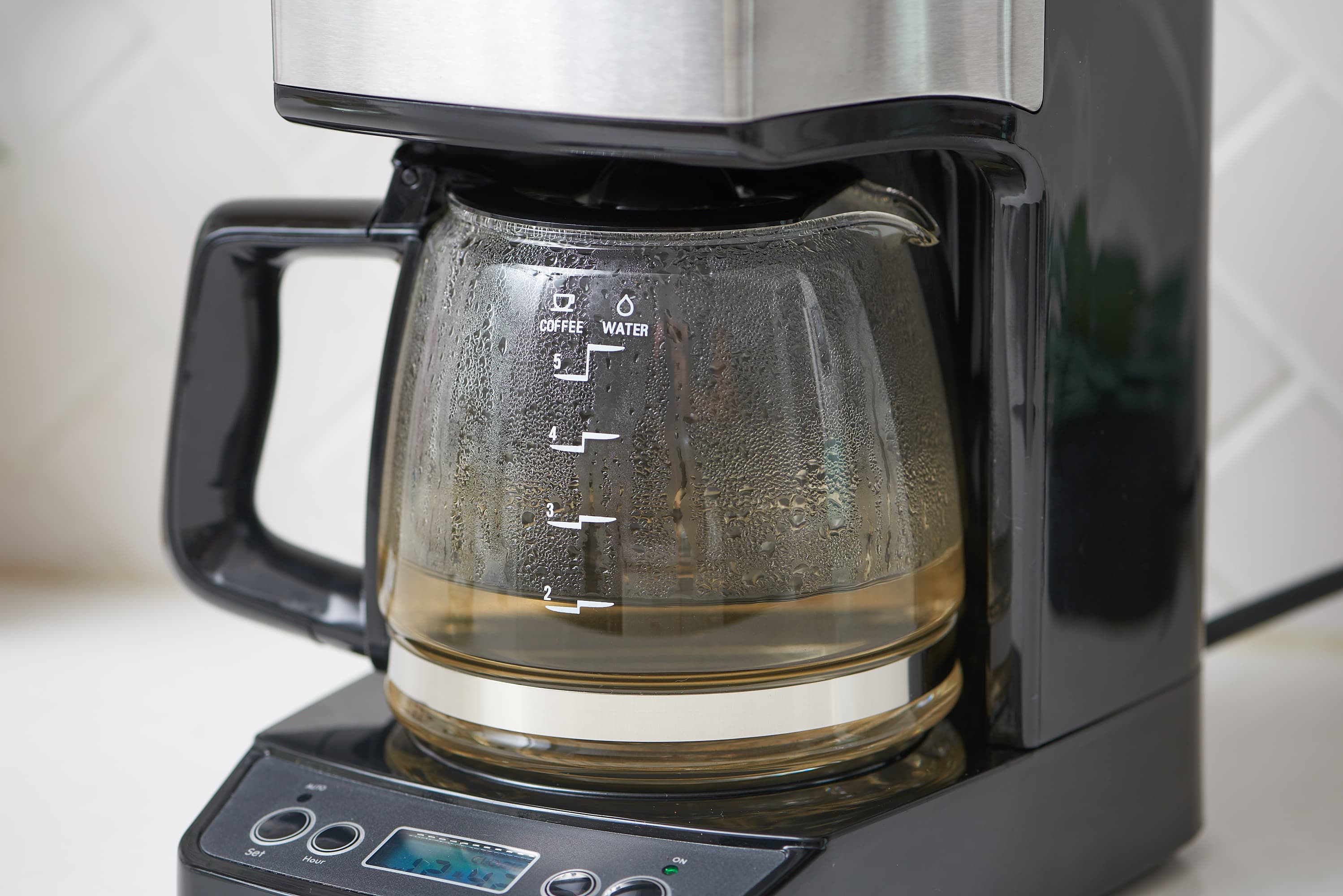
- Empty and Clean: Remove old coffee grounds and wash the carafe and filter basket.
- Mix Descaling Solution: Use either:
- 1 part white vinegar to 1 part water (e.g., 2 cups vinegar + 2 cups water)
- Follow instructions on commercial descaler
- Fill Water Reservoir: Pour the solution in.
- Start Brew Cycle: Run a full brewing cycle (without coffee grounds).
- Pause (Optional): For heavy buildup, pause the machine halfway and let the solution sit for 30 minutes. This loosens stubborn scale.
- Finish Brew: Let the cycle complete.
- Rinse: Run 2-3 cycles with fresh water to remove any leftover solution or smell.
- Wipe: Clean the exterior and any removable parts.
Non-obvious insight: Always remove the charcoal water filter (if your machine has one) before descaling, or you’ll damage it.
Single-serve Pod Machines (e.g., Keurig, Nespresso)
Pod machines are a bit different but still easy to descale.
- Empty Machine: Remove any pods or capsules. Take out the water filter.
- Mix Solution: Use the brand’s descaling liquid, or a homemade mix if approved.
- Fill Reservoir: Pour in the solution.
- Start Descale Mode: Many machines have a specific descale mode. Hold the descale button or follow your model’s instructions.
- Run Brew Cycles: Run several brew cycles (no pod) until the reservoir is empty.
- Let Sit: For tough buildup, let the machine sit for 20-30 minutes mid-cycle.
- Rinse Thoroughly: Refill with fresh water, and run several cycles to flush out all solution.
- Replace Filter and Pod Holder.
Pro tip: For Nespresso, use only their official descaler to avoid warranty issues.
Espresso Machines
Espresso machines are more sensitive and expensive. Here’s how to descale safely:
- Turn Off and Cool Down: Unplug and let the machine cool.
- Prepare Solution: Mix commercial descaler or a citric acid solution as directed.
- Fill Water Tank: Add the solution.
- Start Descale Cycle: Some machines have a descale mode. Otherwise, run hot water through the brew head and steam wand.
- Pause and Soak: Let the solution sit in the sticks and pipes for 10–15 minutes.
- Finish Cycle: Flush out the rest of the solution.
- Rinse Completely: Run 2–3 tanks of clean water through the system.
- Wipe and Dry: Clean all surfaces.
Expert tip: Never use vinegar in high-end espresso machines. It can damage metal parts and void the warranty.
Pour-over And Manual Coffee Makers
Pour-over systems like Chemex or French press don’t have internal pipes, so “descaling” means removing mineral spots from glass or metal.
- Empty and Rinse: Remove all coffee grounds.
- Soak: Fill with a mix of 1 part vinegar, 3 parts water. Let sit for 1–2 hours.
- Scrub: Use a soft brush to remove any spots.
- Rinse Well: Wash with soap and hot water.
Quick tip: Dry immediately to prevent water spots.
Specialty Machines (grind & Brew, Percolators, Siphon)
Specialty machines often combine features. The general descaling process is similar:
- Remove Coffee and Grounds: Empty all chambers.
- Mix Descaler: Follow manufacturer guidelines.
- Run Cleaning Cycle: Start a brew or cleaning cycle without coffee.
- Pause for Soaking: Give the solution time to break down scale.
- Rinse Multiple Times: Run fresh water through all paths.
Check your manual for any unique steps. Some machines have removable parts that need hand washing.
Credit: www.thekitchn.com
How Often Should You Descale?
The right schedule depends on your water and usage:
| Usage Level | Water Type | Descale Frequency |
|---|---|---|
| Daily | Hard Water | Monthly |
| Daily | Soft/Filtered | Every 2-3 months |
| Occasional | Any | Every 3-6 months |
| Commercial Use | Any | Every 2-4 weeks |
If you notice buildup sooner, don’t wait—descend immediately.
Hidden mistake: Many people forget to descale if they use bottled or filtered water. Even these can have minerals that build up over time.
Choosing The Right Descaling Solution
Not all solutions are equal. Here’s how to choose:
- Check your manual: Some brands require official descalers.
- Avoid vinegar in expensive or aluminum machines.
- Citric acid is a good all-around choice for most machines.
- Commercial products are best for machines under warranty.
If you want to make your own, mix 1–2 tablespoons of citric acid powder in 1 liter of water.
Safety tip: Never mix different chemicals or use harsh cleaners like bleach.
:max_bytes(150000):strip_icc()/6-coffee-maker-components-washed-separately-045ca3f7a9b14ec29aa07f32b3c9555f.jpg)
Credit: www.foodandwine.com
Common Mistakes To Avoid
- Not rinsing enough: Always run at least two full tanks of clean water after descaling.
- Using the wrong solution: Vinegar can ruin some machines.
- Forgetting to remove water filters: Descaling solution damages charcoal filters.
- Descaling too rarely: Don’t wait for problems—make it routine.
- Ignoring the manual: Each machine is different.
- Overfilling water tank: Too much solution can overflow or leak.
- Not soaking: For heavy buildup, pausing mid-cycle helps the descaler work better.
- Reassembling too soon: Let parts dry before putting back.
- Skipping external cleaning: Wipe the outside and tray, too.
How To Prevent Scale Buildup
While you can’t stop minerals in water, you can slow down scale buildup:
- Use filtered or distilled water if possible.
- Empty the water reservoir if you won’t use the machine for days.
- Clean removable parts weekly.
- Store the machine dry after vacations.
- Replace water filters as recommended.
Insider tip: Even if you use distilled water, descale twice a year. Small mineral traces still enter, and cleaning keeps the machine fresh.
Deep Cleaning Vs. Descaling: What’s The Difference?
Many people confuse descaling with regular cleaning. They’re not the same:
- Descaling removes invisible mineral scale from inside.
- Cleaning removes coffee oils, stains, and bacteria from surfaces.
You need both for a great cup of coffee. Clean the exterior and removable parts weekly, and descale the inside every few months.
Can You Descale With Natural Products?
Some people prefer natural options. Here’s what works:
- Lemon juice: Works for light scale, but less strong than citric acid.
- Citric acid: Food-safe and effective, no strong odor.
- Vinegar: Works, but can leave taste and damage some machines.
- Baking soda: Not effective for limescale. Don’t use.
Eco tip: Commercial descalers are also biodegradable and safe to pour down the drain.
If you want a natural solution, citric acid is the best choice for most users.
Credit: www.youtube.com
What If Your Machine Has A “descale” Button?
Many modern coffee makers have a descale cycle:
- Check the manual for how to activate it (usually a button combo).
- Add the descaling solution as directed.
- The machine runs a special program with timed pauses and flushes.
- Rinse as instructed.
Using this cycle is more thorough than just running a normal brew cycle with solution.
Signs Of Successful Descaling
How Do You Know It Worked?
- Brew time returns to normal.
- Water flows smoothly, no strange noises.
- Coffee tastes fresh, not metallic or bitter.
- No scale flakes in water or carafe.
- Descale warning light turns off.
If you still notice problems, repeat the process. Sometimes heavy buildup needs two rounds.
Descaling For Commercial And Office Coffee Makers
Large machines (in offices, cafes, or restaurants) need even more care:
- Use only approved commercial descalers.
- Follow the manufacturer’s strict schedule—often monthly or more.
- Track maintenance in a log.
- Hire a technician for deep cleaning if needed.
Insider note: Commercial machines often have warranties that require proof of regular descaling.
Practical Tips For Better Results
- Warm water helps the descaler dissolve and work faster.
- Use a funnel to avoid spills when pouring in solution.
- Clean the drip tray and spout at the same time.
- Use a flashlight to check inside the reservoir for buildup.
- Keep a maintenance calendar or use a phone reminder app.
- Record the date each time you descale.
The Cost Of Skipping Descaling
Neglecting descaling can get expensive:
- New heating elements or pumps can cost $50–$200.
- Full machine replacements run $100–$1000+.
- Poor taste can drive you to buy coffee outside.
Regular descaling (a few dollars and 30 minutes) saves money and keeps your coffee tasting great.
Environmental Impact Of Descaling
Worried about waste? Most descaling solutions are biodegradable and safe. Vinegar and citric acid are natural and don’t harm the environment. Just avoid harsh chemicals and always dispose of liquids down a proper drain.
You can find more about the environmental safety of descaling agents on the Wikipedia page about descaling agents.
Frequently Asked Questions
How Do I Know If My Coffee Maker Has Scale Buildup?
Signs include slower brewing, odd noises, poor taste, and white residue in the tank or carafe. Some machines have a descale light. If you notice any of these, it’s time to descale.
Can I Use Vinegar To Descale All Coffee Makers?
No. While vinegar is popular, it can harm rubber seals or metal parts in some machines, especially high-end or single-serve models. Always check your manual first.
How Many Times Should I Rinse After Descaling?
At least two full tanks of clean water are needed to flush out all solution and prevent taste or odor. For sensitive taste, rinse three times.
Do Water Filters Prevent Scale Buildup?
Water filters help reduce minerals, but they do not eliminate all scale. Regular descaling is still necessary, even with filtered or bottled water.
What If My Machine Still Has A Descale Warning After Cleaning?
Try repeating sop or ensure you followed the right button sequence for the descale cycle. Some machines require a reset or a full clean cycle to clear the warning.
Keeping your coffee maker clean and scale-free isn’t just about taste—it’s about protecting your investment and your daily ritual. With just a bit of routine care, you’ll enjoy better coffee, a longer-lasting machine, and fewer headaches. Make descaling part of your coffee habit, and you’ll taste the difference in every cup.