
Security cameras are everywhere, protecting homes, businesses, and public spaces. But sometimes, you want these cameras to stay hidden. Maybe you don’t want guests to feel watched, or you want to catch a thief without alerting them. Disguising a security camera is a smart way to keep your property safe and maintain privacy.
People often worry about hiding their cameras without losing video quality or breaking local laws. There are practical ways to conceal cameras effectively, and this article will guide you through all the important steps, options, and mistakes to avoid.
You’ll learn how to disguise indoor and outdoor cameras, choose the right materials, and understand legal factors. We’ll compare popular hiding spots, cover creative ideas, and explain how to keep your cameras working perfectly while hidden. Whether you’re a homeowner, renter, or business owner, these strategies will help you get the most from your security system.
Why Disguise A Security Camera?
Security cameras are visible by design, but there are many reasons to hide them:
- Prevent tampering: Visible cameras can be blocked, damaged, or stolen.
- Catch real threats: Hidden cameras help record honest behavior, not just actions people take when they know they’re watched.
- Protect privacy: Disguised cameras make guests or customers feel comfortable.
- Avoid legal trouble: Some places have rules about visible surveillance. Hidden cameras may be more acceptable in certain situations.
It’s important to balance security and privacy. Always check local laws before hiding cameras, especially in shared or public spaces.
Types Of Security Cameras And Their Disguising Challenges
Not all cameras are easy to hide. Each type has its own challenges and advantages.
| Camera Type | Size | Typical Location | Disguising Difficulty |
|---|---|---|---|
| Bullet Camera | Medium-Large | Outdoor, walls, ceilings | Moderate |
| Dome Camera | Medium | Indoor ceilings | Easy |
| Mini Camera | Small | Anywhere | Very Easy |
| Wireless Camera | Small-Medium | Anywhere | Easy |
| PTZ Camera | Large | Outdoor, open areas | Hard |
Mini cameras are easiest to hide because they fit inside objects or small spaces. Larger cameras, like PTZ models, need more creative solutions.
Essential Factors Before Disguising A Camera
Before you start, consider these important factors:
- Field of view: Make sure the camera can still see what you need.
- Power source: Don’t block access to power cables or batteries.
- Wi-Fi signal: Wireless cameras need a strong signal.
- Heat and ventilation: Cameras can overheat if covered too tightly.
- Accessibility: You need to clean the lens and check the camera sometimes.
Think about these points before choosing a hiding spot. A camera that’s hidden but can’t see anything is useless.
Popular Ways To Disguise Indoor Security Cameras
Indoor cameras are often easier to hide. Here are some practical, proven methods:
1. Inside Household Objects
Many common items can hide a camera completely:
- Books: Hollow out a book and place the camera inside. The lens can peek out from the spine.
- Picture frames: Drill a small hole for the lens and mount the camera behind the frame.
- Clocks: Some wall clocks are designed for hidden cameras. You can buy these or make your own.
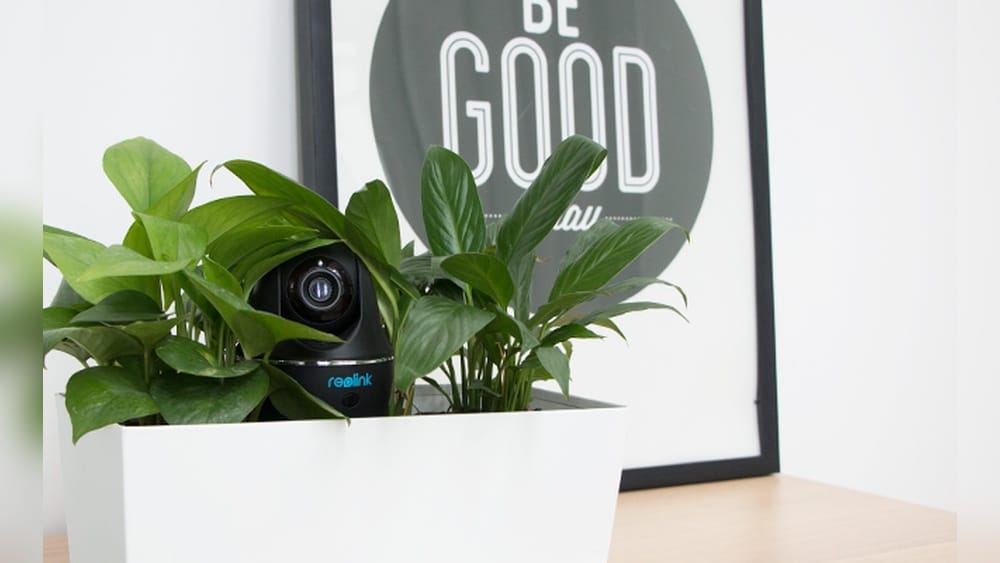
- Plants: Artificial plants can hold small cameras among the leaves.
2. Behind Decorative Items
Use decorations to block the camera from view:
- Vases: Place the camera behind or inside a vase with artificial flowers.
- Toys: Stuffed animals or dolls can hold small cameras. This is common in nurseries or playrooms.
- Curtains: Hide a camera behind a curtain or drape, but make sure the lens isn’t blocked.
3. Custom Furniture
Some furniture can be modified to hold cameras:
- Shelves: Drill a hole in a shelf for the lens, keeping the camera body inside the shelf.
- Cabinets: Mount the camera inside a cabinet, with a small hole for the lens.
These methods work best with mini cameras or wireless models.
Creative Ways To Disguise Outdoor Security Cameras
Outdoor cameras need weather protection and strong hiding spots. Here are some smart ideas:
1. Inside Garden Decorations
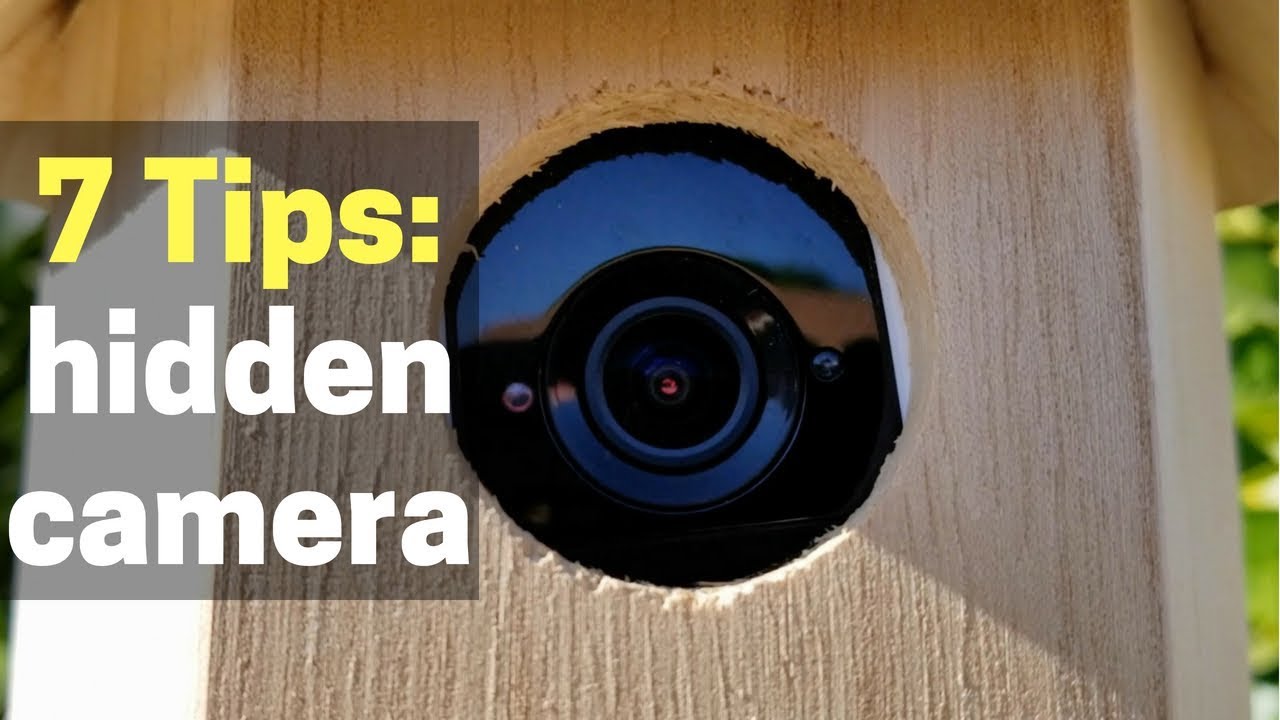
- Birdhouses: Put the camera inside a birdhouse with a small hole for the lens.
- Fake rocks: Buy or make a hollow rock and place the camera inside.
- Garden gnomes: Modify a gnome to hold the camera. The lens can be hidden in the gnome’s eyes or hat.
2. Under Roof Eaves Or Gutters
- Eaves: Mount cameras under roof overhangs. Paint them to match the building.
- Gutters: Place cameras inside or behind gutter pipes, but leave the lens clear.
3. Camouflage With Paint And Materials
- Paint: Use spray paint to match the camera to the wall or fence.
- Mesh or netting: Cover the camera with mesh that blends in with the surroundings.
4. Behind Outdoor Fixtures
- Mailboxes: Hide a camera inside or behind a mailbox.
- Lights: Mount cameras near outdoor lights, using the light fixture as cover.
Outdoor hiding spots must protect the camera from weather and allow a clear view.
Disguising Wireless Vs. Wired Cameras
Wireless cameras are easier to hide because they don’t need cables. Wired cameras require careful planning.
| Feature | Wireless Camera | Wired Camera |
|---|---|---|
| Placement Flexibility | High | Limited |
| Power Source | Batteries or plug | Usually plug |
| Cable Management | No cables | Must hide cables |
| Signal Issues | Possible Wi-Fi loss | Stable connection |
| Easy to Move | Yes | No |
For wired cameras, use cable covers, paint, or run wires behind walls. Wireless cameras can go almost anywhere, but need a strong Wi-Fi signal and battery checks.

Credit: www.eufy.com
Legal And Ethical Considerations
Hiding cameras can cause legal trouble if you’re not careful. Some important points:
- Consent: You cannot record people without their knowledge in many states or countries.
- Private areas: Never hide cameras in bathrooms, changing rooms, or bedrooms used by others.
- Notice: In workplaces or rental properties, you may need to post notices or get written consent.
Check your local laws before hiding cameras. Improper surveillance can bring fines or lawsuits. For more details on US laws, see this Wikipedia article.
Step-by-step Guide To Disguising A Security Camera
Follow these steps to hide your camera safely and effectively:
Step 1: Choose The Right Camera
Pick a camera that’s small, wireless, and easy to hide. Mini cameras are best for most disguises.
Step 2: Select A Hiding Spot
Find a spot with a good view of your target area. Make sure the camera can cover entrances, walkways, or valuables.
Step 3: Prepare The Disguise
If using an object, prepare it by drilling holes, removing parts, or adding paint. Test your plan before installation.
Step 4: Install The Camera
Mount the camera inside your chosen object. Secure it with tape, glue, or brackets. Make sure the lens is clean and unobstructed.
Step 5: Test The View
Check the camera feed. Adjust the angle, lighting, and object position. Make sure the view is clear and covers important areas.
Step 6: Maintain The Camera
Clean the lens regularly. Check batteries or power cables. Make sure Wi-Fi or cables are secure.
Step 7: Monitor Legality
Review laws and update your setup if needed. Remove or adjust cameras if you’re unsure about privacy rules.
Comparing Common Disguising Materials
Some materials work better than others for hiding cameras. Here’s a quick comparison:
| Material | Pros | Cons |
|---|---|---|
| Plastic | Light, easy to shape | Can block signal, melts in heat |
| Wood | Strong, natural look | Harder to cut, absorbs moisture |
| Fabric | Flexible, blends easily | Can block lens, attracts dust |
| Metal | Durable, good for outdoor | Blocks Wi-Fi, heavy |
| Artificial plants | Natural appearance, flexible | Needs regular cleaning |
Plastic and artificial plants are popular for indoor disguises. Wood and metal are common outside, but may affect camera performance.
Mistakes To Avoid When Disguising Cameras
Many people make errors when hiding cameras. Here are some common mistakes:
- Blocking the lens: Even a small cover can ruin the view.
- Choosing poor hiding spots: Don’t put cameras where people never go.
- Ignoring power needs: Make sure you can reach the battery or cable.
- Forgetting about Wi-Fi: Wireless cameras need a strong signal.
- Not checking legality: Recording without consent can cause trouble.
- Overheating: Covering cameras too tightly can damage them.
- Neglecting maintenance: Dust, dirt, and moisture can block the lens.
Avoid these mistakes for better security and camera life.
Advanced Disguising Ideas
If you want to go beyond basic hiding spots, try these advanced ideas:
1. Custom 3d-printed Covers
Design and print a cover that fits your camera perfectly. You can match any shape or color.
2. Integration With Smart Home Devices
Hide cameras in smart speakers, alarm sensors, or air purifiers. These devices often sit in plain sight.
3. Use Mirrors Or Reflective Surfaces
Place a camera behind a one-way mirror or glass. The lens can see out, but people cannot see in.
4. Hidden In Ceiling Tiles
Cut a small hole in a ceiling tile for the lens. This works well in offices and stores.
5. Fake Electrical Outlets
Install a dummy outlet with a camera inside. Most people never suspect outlets.
These methods require more skill and tools, but offer excellent results.
How To Keep Your Disguised Camera Effective
A hidden camera is only useful if it works well. Follow these tips:
- Check the feed regularly: Make sure the view stays clear.
- Clean the lens: Dust or dirt can ruin video quality.
- Test sound: If your camera records audio, make sure the microphone isn’t blocked.
- Update software: Keep camera firmware and apps updated for security.
- Adjust lighting: Hidden cameras may need extra light to see clearly.
Many beginners forget regular checks. A disguised camera is not “set and forget. ” Maintenance is essential.
Examples Of Successful Disguising
Real-life examples show what works:
- Homeowner in Texas: Hid a camera in a fake plant near the front door. Caught a package thief without alerting them.
- Shop owner in California: Mounted a camera behind a wall clock. Recorded a staff theft, helping police solve the case.
- Parent in New York: Used a teddy bear with a built-in camera to monitor a babysitter. Improved child safety.
Successful disguises are simple, practical, and legal.
Disguising Cameras For Different Purposes
Different goals need different strategies:
Home Security
Hide cameras at entrances, in living rooms, and near valuables. Use plants, shelves, and smart devices.
Office Or Business
Mount cameras behind mirrors, clocks, or in ceiling tiles. Make sure you follow workplace privacy laws.
Outdoor Monitoring
Use garden decorations, birdhouses, or gutter covers. Protect from weather and check visibility.
Child Or Elderly Monitoring
Hide cameras in toys, books, or smart speakers. Focus on safety and comfort.
Always adapt your hiding strategy to your purpose.

Credit: www.sepr.es
The Role Of Technology In Disguising Cameras
Modern cameras are easier to hide because they’re smaller and wireless. Some trends:
- Miniaturization: Cameras are getting smaller each year. In 2024, many models are under 1 inch wide.
- Wireless connectivity: No need for visible cables.
- Battery improvements: Cameras can run for months on one charge.
- Smart features: AI detects movement, even in disguised setups.
Technology helps you hide cameras without losing quality.
Security Camera Disguising Statistics
Some data can help you understand the popularity and risks:
- Hidden camera sales: In the US, sales grew by 18% from 2021–2023.
- Detection rates: Only 12% of hidden cameras are discovered by intruders, according to a 2022 study.
- Legal issues: 27% of lawsuits about cameras in US rental properties involve hidden devices.
This shows disguising cameras is common and effective, but legal risks exist.
Signs Your Camera Is Too Visible
You may think your camera is hidden, but these signs mean you need better disguising:
- People point out your camera or ask about it.
- The camera gets damaged or stolen.
- You notice blind spots in your recordings.
- Wi-Fi drops because the camera is moved to avoid detection.
Improve your disguising if you see these signs.
How To Spot Hidden Cameras
If you’re worried about hidden cameras in hotels or rentals, here’s how to spot them:
- Look for odd objects: Check clocks, outlets, and smoke detectors.
- Use a flashlight: Shine light to see hidden lenses.
- Check for lights: Some cameras have tiny LED lights.
- Scan Wi-Fi: Use your phone to detect unknown devices.
- Use apps: Camera detector apps can spot hidden devices.
Most hidden cameras are found in obvious places, like bedrooms or bathrooms. Always check your room if you’re concerned.
Credit: www.youtube.com
Frequently Asked Questions
What Are The Best Objects To Hide A Security Camera In?
The best objects are books, plants, clocks, and wall decorations. These blend easily and offer clear views. Choose objects that don’t draw attention and can be easily accessed for maintenance.
Can I Disguise A Camera In A Smoke Detector?
Yes, smoke detectors are common hiding spots. Use a dummy smoke detector and install the camera inside. Make sure it doesn’t block the lens or cause false alarms.
Are Disguised Cameras Legal?
Hidden cameras are legal in most places, if used in common areas and not private spaces. Always check local laws. Recording without consent is illegal in many countries, especially in bedrooms or bathrooms.
How Can I Disguise A Camera Outside Without Damaging It?
Use weatherproof objects like birdhouses, fake rocks, or garden statues. Make sure the lens stays dry and clear, and check for heat buildup. Paint and mesh can help cameras blend in.
Will Disguising A Camera Affect Video Quality?
If done correctly, disguising a camera should not affect quality. Avoid blocking the lens, microphone, or sensors. Clean the lens regularly and check the feed to ensure everything works.
Hiding security cameras is a balance between safety, privacy, and legality. With good planning, you can keep your camera hidden and still get clear, reliable video. Choose the right objects, materials, and locations based on your needs. Test your setup and check local laws to avoid trouble.
Disguised cameras are powerful tools, but only if used responsibly and maintained well. If you follow the steps and tips in this article, your security system will stay strong and invisible, giving you peace of mind and real protection.