
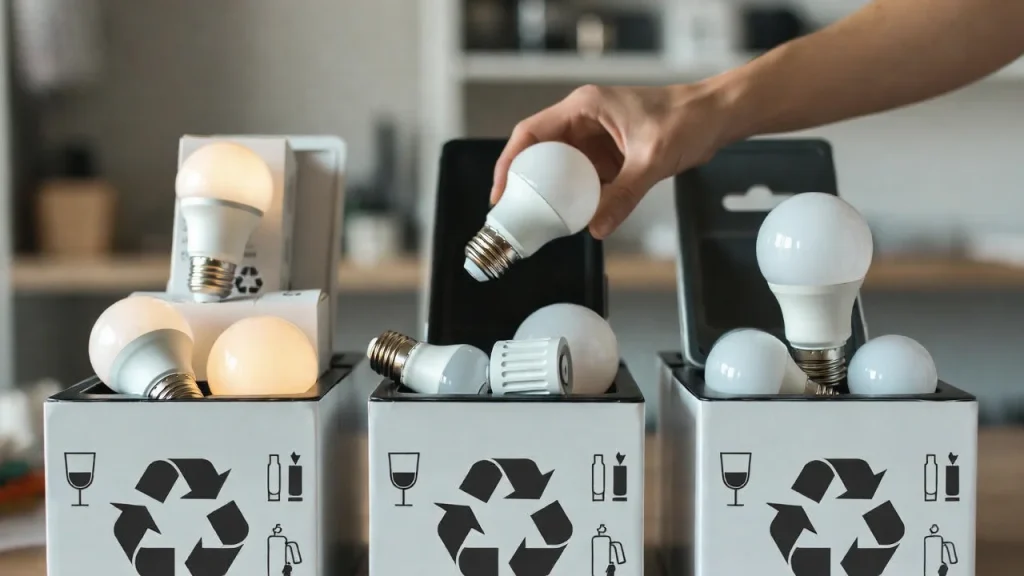
You’ve probably switched to LED light bulbs because they save energy and last longer. But what happens when your LED bulbs burn out?
You might be wondering how to get rid of them safely without harming the environment or breaking any rules. Knowing the right way to dispose of LED light bulbs protects you, your home, and the planet. You’ll discover simple steps to toss out your old LEDs the right way—and why it matters more than you think.
Keep reading to learn how to handle your bulbs safely and responsibly.
Why Proper Disposal Matters
Proper disposal of LED light bulbs is important for many reasons. These bulbs contain materials that can harm the environment and affect human health if not handled correctly. Understanding why proper disposal matters helps you make better choices.
Environmental Impact Of Led Bulbs
LED bulbs contain small amounts of metals like lead and arsenic. These metals can leak into the soil and water. This pollution harms plants, animals, and ecosystems. Recycling LED bulbs prevents toxic materials from entering the environment. It also helps save resources by reusing valuable components.
Health Risks Of Improper Disposal
Breaking or crushing LED bulbs can release harmful chemicals. These chemicals can cause skin irritation and breathing problems. Improper disposal in trash can expose workers and communities to risks. Safe disposal methods protect public health and reduce exposure to toxins.
Identifying Led Light Bulbs
Identifying LED light bulbs is the first step in disposing of them properly. Not all bulbs look the same. Knowing how to spot an LED bulb helps you recycle it the right way. This protects the environment and keeps harmful materials out of the trash.
LED bulbs use less energy and last longer. They may seem like other bulbs, but some clear signs set them apart. Let’s explore how to tell LED bulbs from others and what to check on their labels.
Differences Between Led And Other Bulbs
LED bulbs are usually smaller and lighter than traditional bulbs. They do not have a filament inside. Instead, they use tiny light-emitting diodes to produce light. Incandescent bulbs glow because of a wire filament. Fluorescent bulbs have a tube shape and use gas to light up.
LED bulbs often feel cooler to touch after use. They also come in many shapes and colors. Their bases look like regular bulbs, but the glass part may be plastic or frosted. These features help you spot LED bulbs easily.
Labels And Packaging Clues
Check the bulb or its box for information. Labels often say “LED” clearly. Look for terms like “energy-saving” or “long life.” These hint at LED technology. The packaging might show wattage equivalents, like 9W LED replacing 60W incandescent.
Look for certifications such as ENERGY STAR. These usually mean the bulb is LED. Some packages list the bulb’s lifespan, often more than 10,000 hours. This is a sign of LED bulbs. Reading these clues helps you identify the bulb type quickly.
Preparing Led Bulbs For Disposal
Preparing LED bulbs for disposal is important to protect the environment and stay safe. LED bulbs contain small amounts of materials that need careful handling. Proper preparation helps avoid damage and makes recycling easier.
Follow simple steps to get your bulbs ready. Handling broken bulbs with care prevents injuries. Storing bulbs properly keeps them safe until disposal.
Handling Broken Bulbs Safely
Wear gloves before touching broken LED bulbs. Use stiff paper to pick up glass pieces. Avoid using your hands directly. Place the pieces in a sealed plastic bag. Clean the area with a damp cloth to catch tiny bits. Do not use a vacuum cleaner. It can spread harmful dust.
Storing Bulbs Before Disposal
Keep LED bulbs in their original packaging if possible. If not, wrap each bulb in bubble wrap or newspaper. Store bulbs in a sturdy box. Place the box in a cool, dry place away from children and pets. Label the box as “LED bulbs for recycling.” This helps waste workers handle them correctly.
Recycling Options For Led Bulbs
LED light bulbs contain valuable materials that can be reused. Proper recycling helps save resources and reduces waste. There are several easy ways to recycle LED bulbs. Choose the option that works best for you.
Local Recycling Centers
Many cities have recycling centers that accept LED bulbs. These centers safely handle and process electronic waste. Check your city’s website or call to find the nearest center. Drop off your bulbs during their open hours. This option helps keep hazardous materials out of landfills.
Mail-back Programs
Some companies offer mail-back recycling for LED bulbs. You send your used bulbs in special packaging. The company then recycles the bulbs properly. This service may be free or have a small fee. It is a good choice if no local centers are nearby.
Retailer Take-back Services
Many stores that sell LED bulbs accept old ones for recycling. Home improvement and electronics stores often have take-back bins. Bring your used bulbs when you shop. This option is simple and convenient for many people.
Disposal Methods To Avoid
Not all methods of disposing LED light bulbs are safe or good for the environment. Some ways can harm people, animals, and nature. Knowing which disposal methods to avoid helps protect health and the planet.
Why Trash Bins Are Unsafe
Throwing LED bulbs in regular trash bins is risky. These bulbs contain small amounts of metals and chemicals. When crushed in landfills, these materials can leak into soil and water. This pollution harms plants, animals, and humans.
Trash bins also do not allow for recycling of valuable parts. Recycling saves resources and reduces waste. LED bulbs should never be tossed in normal garbage.
Dangers Of Incineration
Burning LED bulbs is dangerous. Incineration releases toxic gases and heavy metals into the air. These pollutants cause health problems like breathing issues and skin irritation.
Air pollution from burning bulbs affects nearby communities and wildlife. Incineration also destroys materials that could be recycled and reused. Avoid burning LED bulbs to keep air clean and safe.
Eco-friendly Tips To Extend Bulb Life
Extending the life of LED light bulbs helps reduce waste and saves money. Caring for bulbs properly can make them last longer. Small actions can have a big impact on bulb lifespan. This section offers simple, eco-friendly tips to keep bulbs working well.
Proper Usage To Maximize Lifespan
Turn off LED bulbs when not needed. Avoid frequent switching on and off. Use bulbs within their recommended voltage range. Do not expose LEDs to extreme heat or moisture. Choose bulbs with the right brightness for your space. Avoid using dimmers not compatible with LEDs.
Cleaning And Maintenance Advice
Keep bulbs clean to maintain brightness and efficiency. Use a soft, dry cloth to wipe dust gently. Avoid using water or cleaning fluids on bulbs. Clean fixtures regularly to prevent dust buildup. Handle bulbs carefully to prevent damage. Replace bulbs only when they stop working properly.
Legal Regulations On Led Bulb Disposal
Legal rules guide how to dispose of LED light bulbs safely. These rules protect the environment and human health. LED bulbs contain small parts that need special handling. Following legal guidelines avoids pollution and harm. Understanding these rules helps you dispose of bulbs correctly.
Regional Rules And Guidelines
Different places have their own laws for LED bulb disposal. Some areas require recycling at special centers. Others allow bulbs in household hazardous waste collections. Many regions ban throwing LED bulbs in regular trash. Check local rules before disposal to stay compliant. Proper disposal methods vary by country and state.
Penalties For Non-compliance
Breaking LED disposal laws can lead to fines. Authorities monitor illegal dumping of hazardous waste. Penalties may include financial charges or legal action. Businesses often face stricter consequences than individuals. Following rules prevents penalties and protects the environment. Dispose of LED bulbs responsibly to avoid trouble.
Frequently Asked Questions
How Do I Safely Dispose Of Led Light Bulbs?
To safely dispose of LED bulbs, take them to a local recycling center. Avoid throwing them in regular trash. Many stores offer free recycling programs for LEDs. Proper disposal prevents environmental harm and recycles valuable materials.
Can Led Bulbs Be Recycled Like Other Bulbs?
Yes, LED bulbs can be recycled. They contain electronic components and metals that can be recovered. Recycling centers and some retailers accept used LED bulbs. Always check local guidelines to ensure proper recycling.
What Should I Do If An Led Bulb Breaks?
If an LED bulb breaks, avoid touching the fragments with bare hands. Use a damp paper towel to clean up small pieces. Dispose of the debris in a sealed plastic bag. Ventilate the area briefly to clear any dust.
Are Led Bulbs Hazardous To The Environment?
LED bulbs are less hazardous than fluorescent bulbs but still contain small amounts of metals. Proper recycling prevents toxic substances from contaminating soil and water. Always follow local disposal regulations to minimize environmental impact.
Conclusion
Disposing of LED light bulbs safely protects the environment. Many places offer special recycling programs for these bulbs. Never throw them in regular trash bins. Taking a few extra steps helps keep harmful materials out of landfills. Always check local rules before disposal.
Small actions can make a big difference. Keep your home and planet clean by handling LED bulbs responsibly. It’s easy and important.