
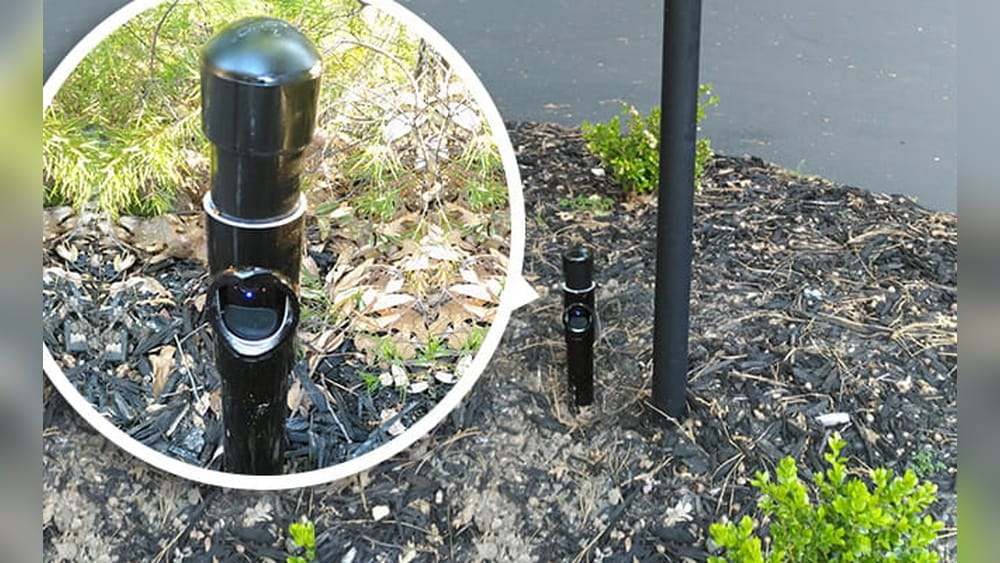
Hiding outdoor surveillance cameras is a smart move for anyone who wants to protect their property without drawing attention. Visible cameras can make some people uncomfortable. Worse, if a criminal sees your cameras, they might try to avoid them or destroy them before they break in.
Keeping your cameras hidden helps you watch your property quietly. But how do you do this well, without blocking the camera’s view or breaking any rules? This guide will show you practical strategies, clever ideas, and common mistakes to avoid, so you can hide outdoor surveillance cameras effectively.
Why Hide Outdoor Surveillance Cameras?
Many people think a visible camera is a good deterrent. Sometimes, it is. But there are real reasons to keep cameras out of sight:
- Prevent tampering or theft: Criminals often spot cameras first. If they see one, they can cover their face, break the camera, or cut the wires. A hidden camera is much harder to disable.
- Capture genuine behavior: When people don’t know they’re being watched, you see what’s really happening. This is important for collecting true evidence.
- Maintain property appearance: Big, obvious cameras can make your home or business look unfriendly or “under surveillance.” Hidden cameras keep things welcoming.
- Reduce neighbor complaints: In some neighborhoods, visible cameras make people feel uneasy. Hidden cameras protect your privacy and theirs.
- Follow legal requirements: In some places, laws limit where you can point cameras. Hidden cameras, when used legally, help avoid unwanted attention.
Key Principles Before You Hide A Camera
Hiding your camera is not just about putting it out of sight. You need to plan carefully, or you might end up with blurry, useless footage or break local laws. Here’s what you must consider:
Camera Type Matters
Some cameras are easy to hide. Others are not. Choose the right one for your goal.
- Mini cameras (sometimes called “spy cams”) are very small, easy to hide, and often wireless.
- Bullet cameras are longer and more visible, but can still be camouflaged if used well.
- Dome cameras are usually for indoor use, but weatherproof models can be hidden under overhangs.
Power And Connectivity
A hidden camera still needs power and a way to send video.
- Battery-powered cameras are easier to hide, but need recharging or new batteries.
- Wired cameras offer steady power but need careful planning to hide cables.
- Wi-Fi cameras avoid long cables, but need a good signal.
Field Of View
If you hide your camera too well, you might block its vision. Make sure:
- The camera can “see” the area you want to monitor.
- Plants, decorations, or covers don’t block the lens or sensor.
- Infrared (night vision) is not blocked (infrared light can bounce off covers and cause glare).
Legal Considerations
You must follow the law. In the US, generally you can record video in public or semi-public areas on your property. But:
- Never record private spaces (like bathrooms, neighbor’s windows, or inside someone else’s house).
- Some states require you to post signs or inform people.
- Always check your local laws before installing or hiding cameras.
For more, see this official resource from the National Conference of State Legislatures.
Credit: tempolex.no
Best Places To Hide Outdoor Surveillance Cameras
Location is everything. Here are some smart spots to hide cameras outdoors, with their pros and cons.
| Hiding Spot | Pros | Cons |
|---|---|---|
| Inside a fake rock | Blends in naturally, protects camera from weather | May limit camera angle, needs regular cleaning |
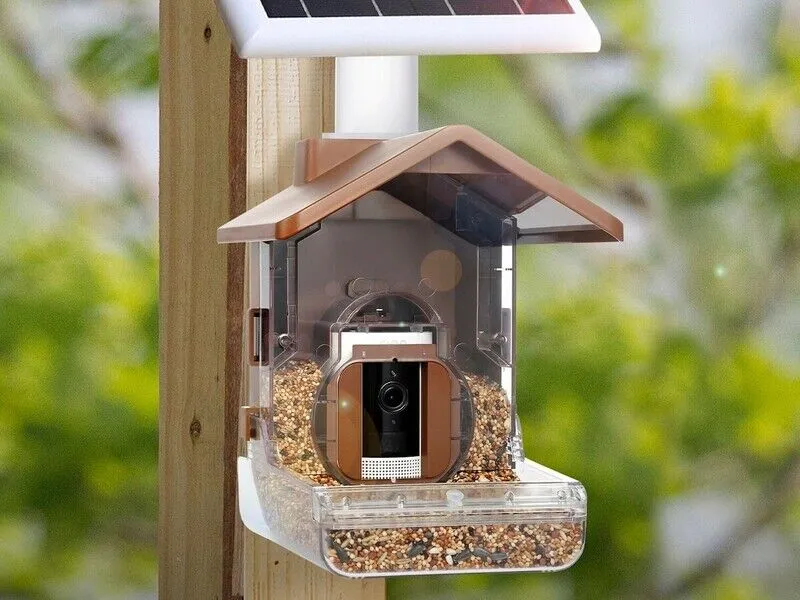
| In a birdhouse | Looks normal in gardens, good for wide views | Birds may nest inside, lens could get dirty |
| Behind a bush or plant | Cheap, easy to move, natural look | Plants can block or shake, needs trimming |
| Under roof eaves | Hard to spot from ground, protected from rain | Can limit night vision, harder to install |
| Inside a garden light fixture (non-working) | Invisible to most people, easy to power if wired | May overheat, some fixtures are too small |
Key Tip
Don’t just pick the easiest spot. Think about how people move around your property. A hidden camera near a walkway or gate is usually more useful than one deep in a flowerbed.
Smart Ways To Camouflage Cameras
Hiding is not always about putting a camera inside something. Sometimes, camouflage works better. Here’s how:
1. Paint The Camera
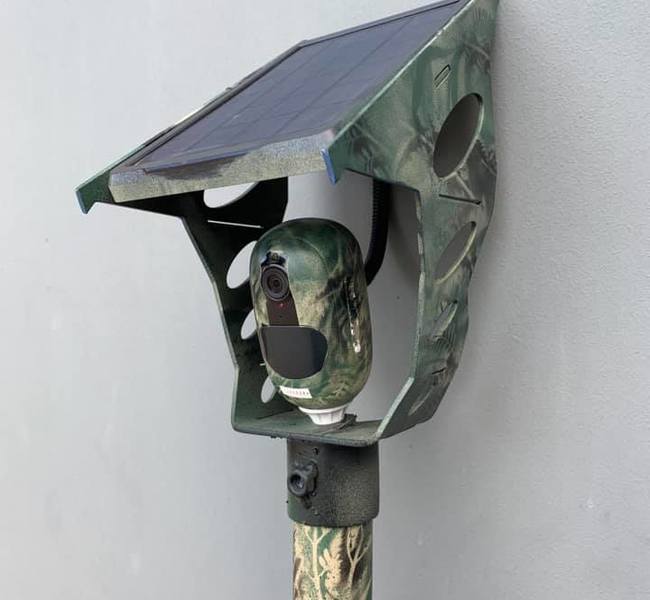
Use outdoor-safe paint to match the camera’s body to the wall, fence, or tree. Be careful not to cover the lens or sensors. Flat, non-glossy paint works best.
2. Use Decorative Covers
Some companies sell plastic “skins” that look like leaves, rocks, or even security lights. These make your camera blend in.
3. Hide In Plain Sight
Mount your camera near other objects, like a gutter, a mailbox, or a light fixture. People are less likely to notice it if it looks like it belongs there.
4. Fake Objects
Put your camera inside a hollowed-out fake item, like a garden gnome, a bird feeder, or a sprinkler head. Make sure to cut a hole for the lens.
5. Use Foliage
Small cameras can hide behind real or artificial plants. Choose evergreen plants so the camera stays hidden all year.
6. Elevate The Camera
Mount your camera high up, such as on a second-story eave or a tall fence post. Most people don’t look up, especially at night.
Step-by-step: How To Hide Your Outdoor Camera
Let’s walk through the process, step by step.
Step 1: Assess Your Property
Walk around your home or yard. Look for places where cameras can see key areas (doors, windows, driveways) without being obvious. Notice where people usually walk.
Step 2: Choose The Right Camera
Pick a camera that fits your hiding spot. For small spaces, pick a mini or wireless camera. For fake rocks or birdhouses, choose a weatherproof model.
Step 3: Plan Power And Connectivity
Decide if you want battery, solar, or wired power. For Wi-Fi cameras, check the signal with your phone before installing. For wired cameras, measure cable lengths and plan how to hide them.
Step 4: Prepare The Hiding Spot
Clean the area. For birdhouses or fake rocks, drill a small hole for the lens. If using plants, trim them back.
Step 5: Install The Camera
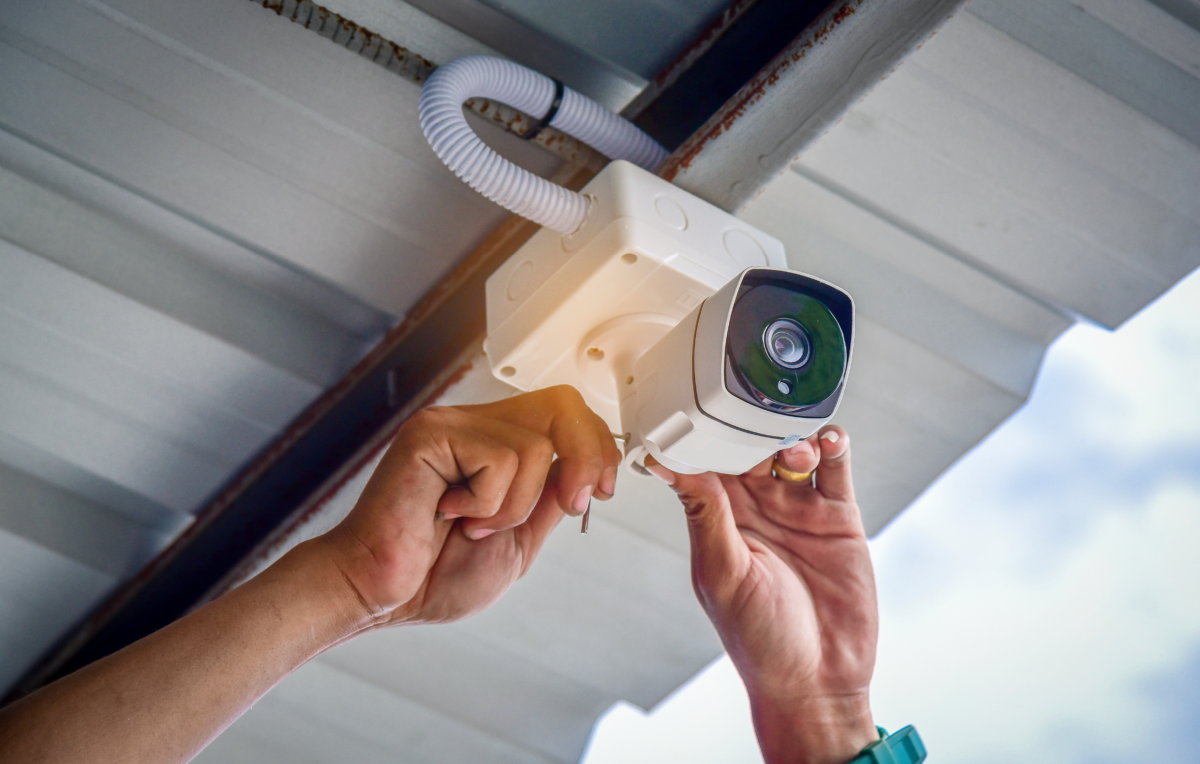
Fix the camera in place. Make sure it’s stable and won’t move in wind or rain. Test the view using the camera’s app or a connected monitor.
Step 6: Hide Wires And Accessories
Use cable covers, paintable conduits, or bury wires under mulch or soil. Avoid running cables where they can be seen or easily cut.
Step 7: Test Day And Night
Check the camera’s view at different times. At night, make sure there’s no glare or blocked infrared light.
Step 8: Maintain The Camera
Clean the lens every month. Trim plants as needed. Check batteries or power connections regularly.
Comparison: Best Methods To Hide Cameras
To help you decide, here’s a side-by-side comparison of common methods:
| Method | Best For | Drawbacks |
|---|---|---|
| Fake rock cover | Ground-level cameras, gardens | Limited field of view, needs cleaning |
| Birdhouse | Yards, wide coverage areas | Birds or bugs may interfere |
| Paint/camouflage | Wall or fence-mounted cameras | Does not hide lens; camera still visible up close |
| Under eaves | Entryways, patios | May require ladder for access |
| Behind foliage | Natural look, movable spots | Plants need regular care, can block view |
Practical Examples: Hiding Cameras In Real Homes
Let’s look at real situations and how people have hidden cameras effectively.
Example 1: Suburban Home
Sarah wanted to monitor her front porch without scaring visitors. She placed a small Wi-Fi camera inside a fake birdhouse mounted on a tree, facing the walkway. The birdhouse had a small hole for the lens. To keep birds out, she filled the bottom with foam.
Result: The camera was invisible from the sidewalk, but captured faces clearly.
Example 2: Urban Rowhouse
Mark needed to watch his back gate, which opened onto an alley. He used a battery-powered mini camera, painted it brown, and mounted it under a wooden fence rail. He ran the charging cable through the fence, hidden by ivy.
Result: The camera stayed dry, and the view was never blocked, even in winter.
Example 3: Rural Property
The Chens wanted to watch their driveway, which was 200 feet from their house. They placed a solar-powered camera inside a fake rock near the driveway entrance. The rock blended with landscaping, and the solar panel was partly hidden behind shrubs.
Result: The camera was never noticed by visitors or delivery drivers.
Common Mistakes To Avoid
Many people try to hide cameras but make simple errors that ruin the effort. Here’s what to watch out for:
- Blocking the lens: Even a small leaf or bit of dirt can ruin your footage.
- Poor Wi-Fi signal: Walls, trees, or distance can weaken the signal. Always test before final installation.
- Bad angles: A camera pointed too high or low misses faces. Aim for chest or eye level.
- Overheating: Closed spaces, like fake rocks in direct sun, can get very hot. Make sure your camera is rated for outdoor use.
- Obvious power cables: Visible wires are a giveaway. Use cable covers or battery power where possible.
- Ignoring local laws: Always check before you record. In some states, you must post a notice.
Advanced Techniques And Tools
If you want to go further, here are some advanced ideas for hiding cameras outdoors.
Use Motion-activated Cameras
These cameras record only when they detect movement. This saves power and makes it easier to hide battery-powered models.
Mesh Networks For Connectivity
If your property is large, use a mesh Wi-Fi system to give good coverage everywhere. This helps avoid dropped signals.
Integrate With Smart Home Devices
Some video doorbells and smart lights have built-in cameras. These are naturally hard to spot.
Solar Power Solutions
If you don’t want to run wires, solar panels can keep your camera running all year. Hide the panel behind shrubs, but make sure it gets sun.
Dummy Cameras As Decoys
Place a few obvious “dummy” cameras in easy-to-see spots. Real hidden cameras do the real work. Thieves may attack the dummy, leaving the real camera safe.
Legal And Ethical Tips
Respect privacy, and follow the law. Here’s what you need to know:
- No pointing at neighbor’s property: Your camera should only watch your land.
- No hidden microphones: In many states, recording audio without consent is illegal.
- Inform people if required: Some states require you to post signs if you use cameras.
- Never hide cameras in private places: This includes bathrooms, bedrooms, or inside rental units without permission.
Credit: btmcomp.com
Maintenance Tips For Hidden Cameras
A hidden camera is only useful if it works well. Here’s how to keep it in top shape:
- Clean the lens: Dust, water spots, or spider webs can block the view.
- Check the battery: For wireless cameras, set reminders to charge or replace batteries.
- Update software: Keep your camera’s firmware up to date to avoid hacking.
- Test the view: Every few months, check the video feed to make sure nothing is blocking the lens.
- Trim plants: If you use bushes or trees, keep them trimmed so they don’t grow over the lens.
Cost Comparison: Hiding Methods
Here’s a quick look at the cost and effort of popular hiding methods:
| Method | Estimated Cost | Installation Difficulty |
|---|---|---|
| Fake rock | $20–$50 (plus camera) | Easy |
| Birdhouse | $10–$40 (plus camera) | Moderate |
| Painted camera | $5–$15 (paint only) | Easy |
| Integrated light fixture | $30–$100 (plus camera) | Hard |
| Professional installation | $100–$500 | Very hard (if DIY) |
Credit: nanfoundation.org
Non-obvious Insights Most Beginners Miss
Many first-timers focus only on hiding the camera’s body. But two things often give cameras away:
- Infrared lights at night: Many cameras use small red or white LEDs for night vision. These can be seen in the dark. Look for models with “invisible” IR or cover the lights (if the camera still works without them).
- Reflections in windows: If you hide a camera behind glass, reflections can block the view or reveal the camera’s location. Always test at night to see if the camera is visible from outside.
Another tip: If you use cloud storage, check your video feed from your phone or computer after installation. What you see is what a burglar might see if they find and steal your camera. If the view is blocked, adjust the camera or its hiding spot.
Balancing Security And Privacy
It’s important to protect your home, but also to respect others’ privacy. Explain to your family and neighbors why you have cameras, and how you use them. Make sure your cameras don’t record areas where people expect privacy. Responsible use builds trust and avoids problems.
Frequently Asked Questions
How Do I Hide My Outdoor Camera From Burglars?
The best way is to use natural covers like plants, fake rocks, or birdhouses. Paint the camera to match its background, and make sure no wires are visible. Test your setup at night to see if any lights on the camera give it away.
Can Hidden Cameras Work At Night?
Yes, but be careful. Many cameras use infrared lights for night vision, which can sometimes be seen as a faint glow. Choose cameras with “invisible” IR or hide the lights carefully so they don’t shine out.
Is It Legal To Hide Outdoor Cameras?
In most places in the US, it is legal to put cameras on your own property as long as they don’t record private areas or point at your neighbor’s home. Always check local laws before installing.
How Do I Power A Hidden Outdoor Camera?
You can use battery-powered, solar-powered, or wired cameras. Battery and solar cameras are easier to hide, but need regular charging. Wired cameras need careful cable hiding.
What Should I Do If My Camera Is Discovered?
If someone finds your hidden camera, make sure you’re not breaking any laws. Move the camera to a new spot or use a better hiding method. Sometimes, a visible camera can also work as a deterrent alongside hidden ones.
Hiding outdoor surveillance cameras well takes some planning, but the results are worth it. By blending your cameras into your property, you protect your home more effectively and avoid drawing unwanted attention. Take time to choose the right camera, hiding spot, and method for your needs.
Regular maintenance and respect for privacy will keep your system working and your neighbors happy. With these strategies, you can keep watch—without being watched yourself.