
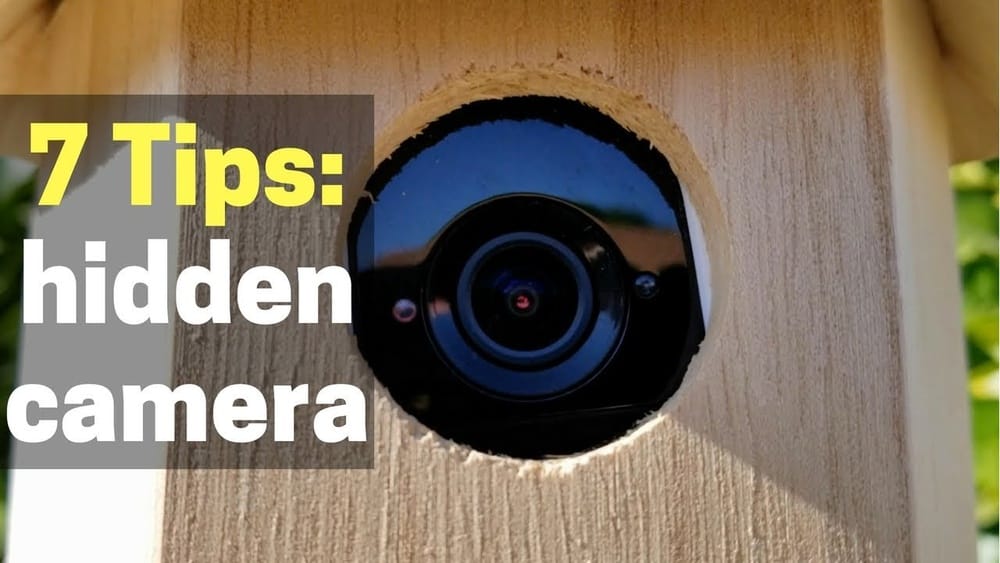
Keeping your security cameras hidden is not just about privacy. It can be about safety, stopping tampering, and making sure you catch events on video. Many homeowners and business owners want to know how to hide security cameras so they are less noticeable.
When cameras are too obvious, they may become a target for thieves, or make guests feel uncomfortable. In this article, you will learn practical ways to hide security cameras, understand the legal and ethical side, and discover which methods work best for different locations.
You will also see real examples, comparison tables, and tips that even many beginners miss. By the end, you will know how to protect your property and your camera investment without drawing attention.
Why Hide Security Cameras?
People have different reasons for wanting to hide their security cameras. Some want to catch thieves or vandals in the act, while others want to avoid making family, guests, or employees uncomfortable. Here are the main reasons:
- Prevent Camera Tampering: If someone sees a camera, they might try to cover, move, or break it. Hidden cameras are harder to find and damage.
- Catch Real Behavior: People act differently when they know they’re being watched. A hidden camera can capture honest actions.
- Protect Privacy: Some people don’t want obvious cameras in living rooms or offices.
- Home Aesthetics: Visible cameras might ruin the look of a well-designed home or garden.
According to a 2022 survey by the National Crime Prevention Council, properties with visible security cameras had a 67% lower chance of burglary, but incidents of vandalism against the cameras themselves increased by 23%. This shows that while cameras can prevent crime, they may also become a target. Hiding them balances both sides.
Legal And Ethical Considerations
Before hiding any camera, you must know the law. Recording video (and especially audio) can be illegal in some places without consent. Here are important points to remember:
- Private vs. Public Spaces: You can usually record in your own home or business, but not in places with an expectation of privacy, like bathrooms or changing rooms.
- Audio Laws: Some states require consent from all parties before recording sound.
- Notification: Some areas require you to post signs if you have video surveillance.
For example, in California, you must inform people if they are being recorded with audio. It’s always smart to check your local laws or talk to a lawyer before setting up hidden cameras. Being ethical is just as important as being legal—respecting people’s privacy builds trust.
Credit: nanfoundation.org
Types Of Security Cameras And Their Hiding Challenges
Not all cameras are easy to hide. The type you choose affects how and where you can install it. Here’s a quick look at popular camera types and what you need to consider:
| Camera Type | Size | Power Source | Hiding Difficulty | Ideal Locations |
|---|---|---|---|---|
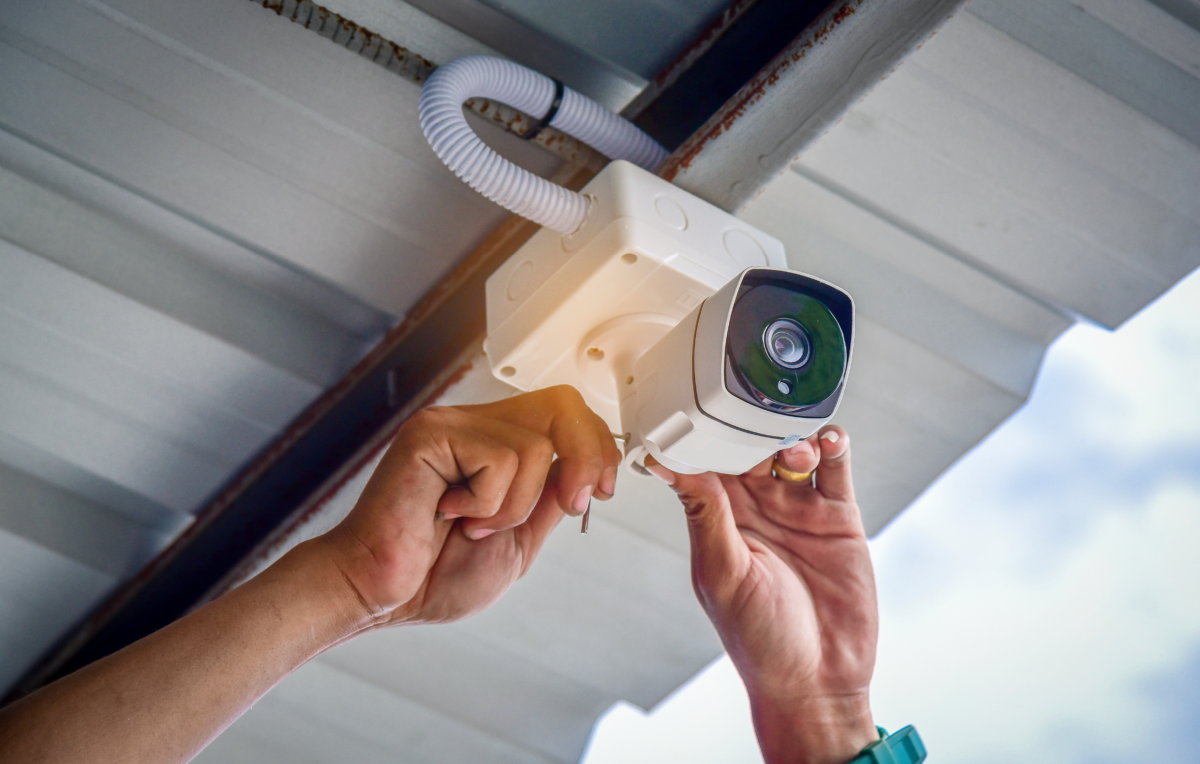
| Bullet | Medium | Wired/Wireless | Moderate | Walls, corners |
| Dome | Small/Medium | Wired/Wireless | Easy | Ceilings, porches |
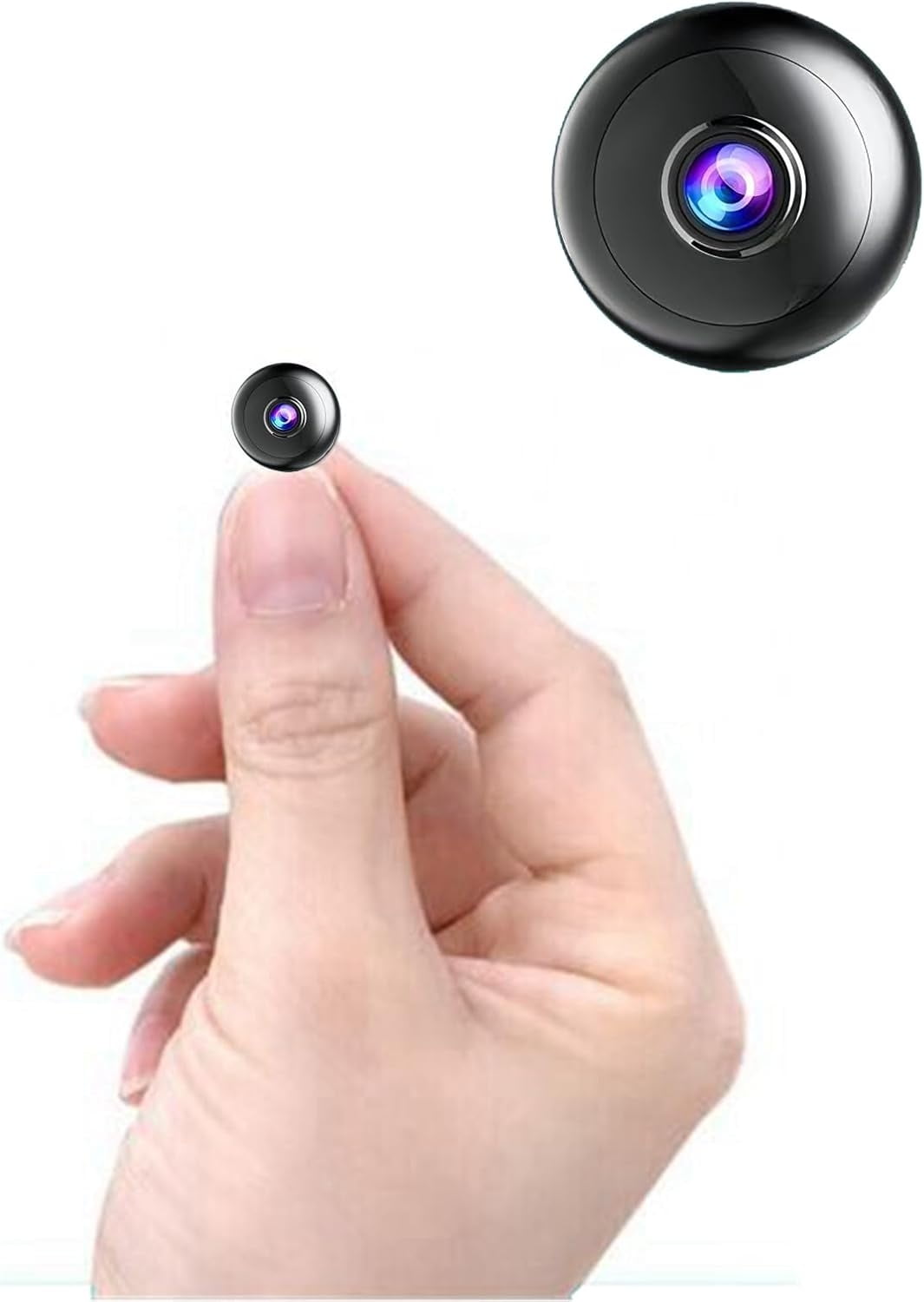
| Pinhole/Mini | Tiny | Battery | Very Easy | Bookshelves, clocks |
| PTZ (Pan/Tilt/Zoom) | Large | Wired | Hard | High ceilings, outdoors |
| Floodlight | Large | Wired | Moderate | Garages, driveways |
Pinhole cameras are the easiest to hide because of their small size. Dome cameras are good for ceilings, while bullet cameras need creative hiding. PTZ and floodlight cameras are much harder to make invisible due to their size.
Best Places To Hide Security Cameras Indoors
Choosing the right spot makes a big difference. Indoors, you want to catch important areas but keep the camera out of sight. Here are the most effective spots:
- Inside Fake Smoke Detectors: Some people use empty smoke detector cases to house small cameras. They blend in and are placed high, offering a wide view.
- Behind Houseplants: Cameras can hide in or behind large leafy plants. Just make sure leaves don’t block the lens.
- Within Bookshelves: Place the camera between books, or inside a hollowed-out book. This works best with pinhole cameras.
- In Clocks or Picture Frames: Many digital clocks and photo frames are made to hide small cameras, and they look natural in most rooms.
- Under Furniture: For floor-level views, hide cameras under sofas, coffee tables, or TV stands. Use dark colors to blend with shadows.
- Inside Air Vents: Larger air vents can hold small cameras. Just be careful with airflow and cleaning.
- In Stuffed Toys (for nurseries): Parents sometimes hide a camera in a teddy bear to watch over babies or nannies.
Here’s a quick comparison of common indoor hiding spots:
| Location | Visibility | Field of View | Risk of Obstruction | Best For |
|---|---|---|---|---|
| Smoke Detector | Very Low | Wide | Low | Living rooms, halls |
| Houseplant | Low | Limited | High | Bedrooms, offices |
| Bookshelf | Low | Medium | Medium | Offices, studies |
| Clock/Frame | Very Low | Medium | Low | Bedrooms, kitchens |
| Under Furniture | Low | Narrow | High | Living rooms |
Non-obvious tip: Place cameras at an angle, not directly facing doors. This avoids glare and catches more of the room.
Outdoor Security Camera Hiding Techniques
Outdoors, you have to fight the weather, sun, and determined intruders. Here’s how you can hide cameras outside:
- Inside Birdhouses: A birdhouse is a classic, natural cover for small cameras. Mount it on a tree or wall facing the area you want to watch.
- Camouflaged in Bushes or Plants: Use fake or real bushes to hide cameras. Choose weatherproof models.
- Within Porch Lights: Some porch lights are built to hold hidden cameras. They provide power and a natural spot to monitor the entrance.
- Fake Rocks or Garden Ornaments: Hollow garden stones or statues can hide cameras and wires.
- Behind Gutters or Downspouts: Run wires along gutters and place a small camera behind the pipe curve.
- Within Mailboxes: If your mailbox faces your driveway or street, it can be a smart place for a pinhole camera.
- Under Roof Eaves: Install cameras under the eaves—paint them the same color as your trim to blend in.
Advanced tip: Use infrared (IR) illuminators separately from the camera to avoid the tell-tale red glow of night vision LEDs.
How To Hide Wires And Power Sources
One of the biggest giveaways for security cameras is visible wires. Here’s how to keep them out of sight:
- Run Wires Through Walls: Drill small holes and feed wires inside the wall. This is the cleanest but hardest method.
- Paint Wires to Match Walls or Trim: Use paint that matches your home’s color to make wires less visible.
- Use Cord Covers or Raceways: These plastic channels hide cables and can be painted.
- Install Near Existing Power Outlets: Hiding a camera close to an outlet minimizes visible wires.
- Go Wireless When Possible: Battery-powered cameras avoid wires but need regular charging.
Non-obvious insight: Use flat cables instead of round ones—they fit better under carpets and behind baseboards, making them easier to hide.
Credit: www.sepr.es
Diy Methods Vs. Professional Solutions
Should you hide your camera yourself, or call an expert? Each has its pros and cons.
| Method | Cost | Skill Needed | Customization | Reliability |
|---|---|---|---|---|
| DIY | Low | Medium | High | Varies |
| Professional | High | Low | Medium | High |
DIY lets you control every detail, but you might make mistakes with wiring or camera angles. Pros have tools to hide wires inside walls and can advise on legal rules, but they cost more.
Experience-based advice: If you want to hide more than one camera, or need wiring inside walls, a professional installation is often worth the money.
Common Mistakes To Avoid
Many people try to hide cameras but make errors that ruin their effort. Watch out for these common problems:
- Obstructed View: Plants, books, or objects block the camera lens.
- Overheating: Hiding cameras in tight spots can trap heat, causing failure.
- Blocked Wi-Fi Signal: Thick walls or too much metal can stop signals for wireless cameras.
- Obvious Placement: If a “hidden” camera is too well-known (like the classic teddy bear), some people might spot it quickly.
- Ignoring Maintenance: Dust and spider webs build up, making footage useless. Always check and clean regularly.

Credit: www.sepr.es
Best Practices For Effective Hidden Surveillance
To get clear video and stay unnoticed, follow these best practices:
- Test Angles and Lighting: Before final installation, check your camera’s live feed. Move it around until you see what you want.
- Check Night Vision: Make sure the camera’s IR light is not visible or too obvious. Separate IR illuminators can help.
- Secure Data Storage: Use cloud backup or off-site storage, so footage is safe even if the camera is found.
- Regularly Review Footage: Don’t just record—review clips to make sure the camera still works and captures the right area.
- Use Motion Alerts: Set up notifications for movement. This saves storage and helps catch events quickly.
Pro insight: If your camera is battery-powered, set a calendar reminder to recharge or swap batteries, so you never lose footage.
Examples Of Creative Camera Hiding
Sometimes, a bit of creativity makes all the difference. Here are real-world ideas for hiding security cameras:
- Fake Plant Pot: Drill a small hole in a plastic plant pot for the lens, then fill with artificial plants.
- Custom Art Piece: Build a camera into a sculpture, wall art, or decorative box.
- Garage Door Opener: Place a small camera inside the housing of your garage remote receiver.
- Mailbox Camera: Use a tiny camera facing out the mail slot for full view of the front yard.
- Dog House: If you have a pet house outdoors, it can easily hide a weatherproof camera.
Some companies even sell “spy cameras” built into USB chargers, smoke detectors, and air purifiers, but these often have poor video quality compared to real security cameras.
When You Should Not Hide A Camera
While hidden cameras can be useful, there are times when you should keep them visible:
- To Deter Crime: Sometimes, just seeing a camera is enough to stop a thief.
- Legal Requirements: Some businesses are required to post cameras in plain sight.
- To Protect Employees: Staff may feel safer if they know surveillance is there.
- Community Rules: Some neighborhoods have rules about visible security equipment.
Think carefully about your goal. If you want to stop crime, a mix of visible and hidden cameras often works best.
Comparing Hidden Vs. Visible Cameras
Let’s see how hidden cameras stack up against visible ones:
| Feature | Hidden Cameras | Visible Cameras |
|---|---|---|
| Deters Crime | Low | High |
| Captures Honest Behavior | High | Low |
| Risk of Tampering | Low | High |
| Privacy Concerns | High | Medium |
| Legal Risk | High | Low |
| Maintenance | Medium | Low |
| Cost | Medium | Low |
A mix of both types, sometimes called a “layered security approach,” is often best for homes and small businesses.
How To Hide Security Cameras For Specific Needs
Your reason for hiding a camera might affect your choice of method. Here are some specific situations:
Watching Babysitters Or Nannies
Parents often want to make sure their child is safe. Hide cameras in toys, clocks, or air vents in the nursery or playroom. Never put cameras in bathrooms or private areas.
Monitoring Elderly Care
Family members may use hidden cameras to check on caregivers in an elder’s home. Place cameras in living rooms or kitchens, inside common objects like picture frames or smoke detectors.
Preventing Package Theft
Porch pirates are a big problem. Hide cameras in outdoor lights, mailboxes, or behind a fake plant by the door. Choose weatherproof cameras for these spots.
Office Security
To monitor employees or prevent theft, place cameras in ceiling domes, clocks, or decorative objects on desks. Clearly communicate with staff if required by law.
Rental Properties Or Airbnb
Owners may want to check who enters the property. Hide cameras near entrances, but always tell guests about cameras as required by Airbnb rules.
Choosing The Right Camera For Hiding
Not all cameras are easy to hide. Here’s what to look for:
- Size: Smaller is better. Pinhole or mini cameras work well.
- Power Source: Battery-powered cameras are easier to hide, but need charging.
- Wireless Capability: No wires make hiding easier, but Wi-Fi strength must be good.
- Lens Angle: A wide-angle lens covers more area if you have to place the camera in a less-than-ideal spot.
- Low Light Performance: Good night vision is key for hidden cameras, since you can’t always add extra lights.
Some popular brands for small, easy-to-hide cameras include Wyze Cam, Blink Mini, and Arlo Essential. Always check product reviews to see if a camera fits your needs.
How To Test Your Hidden Camera Setup
After you hide your camera, don’t just walk away. Testing is key. Here’s how:
- Check the Live Feed: Use your phone or computer to see what the camera sees. Walk around to test if you’re in view.
- Test at Different Times: Lighting changes from day to night. Make sure the camera works in all conditions.
- Look for Reflections: Sometimes, a hidden lens can reflect light and give away its spot. Try shining a flashlight around to see if the lens is visible.
- Check for Sound: If your camera records audio, make sure it’s clear.
- Review Recorded Footage: Don’t just check live video—record and watch a test clip.
Expert tip: Ask a friend to walk through the area and try to spot the camera. If they can’t, you’ve done a good job.
Maintenance Tips For Hidden Cameras
Keeping your camera hidden is not enough—it also needs to keep working. Here’s what to do:
- Regular Cleaning: Dust, spider webs, and grime can block the lens.
- Battery Checks: For battery-powered cameras, set reminders to recharge.
- Software Updates: Keep camera firmware up to date for security and performance.
- Test Alerts: Make sure you still receive motion notifications.
- Check Storage: Delete old footage or expand storage to avoid missing important events.
Using Technology To Your Advantage
Modern technology makes hiding cameras easier than ever. Here’s how you can use it:
- Smart Home Integration: Connect hidden cameras to smart hubs like Alexa or Google Home for remote viewing.
- Cloud Storage: Use cloud services to keep footage safe, even if the camera is found or destroyed.
- Motion Zones: Set up specific areas in the camera’s view to trigger alerts, avoiding unnecessary recordings.
- Remote Access: Watch live feeds from anywhere using your phone.
- Disguise Camera LEDs: Some cameras let you turn off indicator lights for full stealth.
For more information on surveillance technology, you can check out this Wikipedia article on CCTV.
Frequently Asked Questions
How Can I Hide A Security Camera Without Anyone Noticing?
Use small cameras and place them inside everyday objects like clocks, picture frames, or smoke detectors. Paint or cover wires to match surroundings. Test the setup from different angles to make sure it’s not visible.
Is It Legal To Hide Security Cameras In My Home?
In most states, you can record video in your own home, but not in private places like bathrooms. Recording audio often needs consent. Always check your local laws before hiding cameras.
What Is The Best Way To Hide Outdoor Security Cameras?
Birdhouses, fake rocks, or behind plants work well. Choose weatherproof cameras and make sure they are safe from rain and sun. Paint the camera housing to match its surroundings if possible.
Do Hidden Cameras Work As Well As Visible Ones?
Hidden cameras can capture honest behavior and prevent tampering, but they don’t deter crime as well as visible cameras. Using both types together is often the best approach.
How Do I Hide The Power Cables For My Security Camera?
Run cables through walls, use cord covers, or choose battery-powered cameras to avoid wires. Painting wires or using flat cables also helps hide them.
Securing your property is about more than just buying a camera. Learning how to hide security cameras can make your system more effective and less likely to be disabled or spotted. By understanding your needs, picking the right camera, and using smart hiding techniques, you can protect your home or business with confidence.
Always remember to check the legal rules, respect privacy, and test your setup regularly. With a bit of planning and creativity, your hidden cameras will help keep what matters most safe and secure.